ACCC association of cancer care centers
Join/Renew
Login
Join/Renew
Login
Education & Resources
ACCC eXchange LogInCorporate Member Sponsored ResourcesPresentations & AbstractsACCC Connect eLearning LogIn
Publications
Oncology IssuesPatient Assistance & Reimbursement GuideTrending Now in Cancer CareBusiness Case Studies for Hiring New Staff
Events
2026 ACCC Leadership SummitAnnual Meeting & Cancer Center Business SummitCapitol Hill DayNational Oncology ConferenceOncology Reimbursement MeetingsOncology State Society Meetings
Policy & Advocacy
ACCC 2026 Policy PrioritiesLetters & StatementsAccess, Payment & Reimbursement ReformWhite Bagging & Brown BaggingAdvocacy ResourcesCancer Moonshot
Membership
Join | RenewWho We AreMembership Types & BenefitsCorporate MembersACCC Member Portal FAQMember Directory
Partners
Oncology State SocietiesPartner OrganizationsCME
News
News ReleasesAdvocacy News ReleasesOncology News
About ACCC
Timeline / 50th Anniversary2025 Impact ReportPresident's ThemeACCC Innovator AwardsACCC FellowsBoard of TrusteesACCC Senior Staff
Breast CancerMetastatic Breast Cancer
Gastrointestinal CancerBiliary Tract CancerColorectal CancerGastric CancerLiver Cancer
Genitourinary CancerBladder CancerProstate CancerRenal Cell Carcinoma
Gynecologic CancerOvarian Cancer
Head & Neck Cancer
Hematologic MalignanciesAcute Lymphocytic Leukemia (ALL)Acute Myeloid Leukemia (AML)Chronic Lymphocytic Leukemia (CLL)Mantle Cell Lymphoma (MCL)Multiple Myeloma (MM)Myelodysplastic Syndromes (MDS)
Lung CancerNon-Small Cell Lung Cancer (NSCLC)Small Cell Lung Cancer (SCLC)
Sarcoma
Skin CancerMelanomaNon-Melanoma Skin Cancers (NMSC)
Clinical Practice & TreatmentCancer DiagnosticsCare CoordinationEHR Integration for Biomarker TestingQuality Improvement Collaboration: Integration of Precision Medicine in Community OncologyTreatment
Financial NavigationFAN Boot CampFinancial Advocacy Network (FAN) Resource LibraryPatient Assistance & Reimbursement GuidePrior Authorization
Health Equity & Access3, 2, 1, Go! Practical Solutions for Addressing Cancer Care DisparitiesAppalachian Community Cancer AllianceOncology Advanced PractitionersPersonalizing Care for Patients of All BackgroundsSocial Drivers of Health
Patient-Centered CareAddressing Care Disparities for VeteransAdolescent and Young Adult (AYA)Care Action Plans for People with CancerDermatologic ToxicitiesEmpowering CaregiversGeriatric OncologyHealth LiteracyNutritionOncology PharmacyPatient NavigationPsychosocial Care in OncologyShared Decision-MakingSupportive CareSurvivorship Care
Practice Management & OperationsCancer Program FundamentalsLeadership Sustainment and Engagement VideosOncology Practice Transformation and Integration CenterOncology Team Resiliency
ResearchACCC Community Oncology Research Institute (ACORI)
Technology & InnovationTelehealth & Digital Medicine
ACCCBuzz Blog
CANCER BUZZ Podcast
Oncology Issues
Join/Renew
Login
Breast CancerMetastatic Breast Cancer
Gastrointestinal CancerBiliary Tract CancerColorectal CancerGastric CancerLiver Cancer
Genitourinary CancerBladder CancerProstate CancerRenal Cell Carcinoma
Gynecologic CancerOvarian Cancer
Head & Neck Cancer
Hematologic MalignanciesAcute Lymphocytic Leukemia (ALL)Acute Myeloid Leukemia (AML)Chronic Lymphocytic Leukemia (CLL)Mantle Cell Lymphoma (MCL)Multiple Myeloma (MM)Myelodysplastic Syndromes (MDS)
Lung CancerNon-Small Cell Lung Cancer (NSCLC)Small Cell Lung Cancer (SCLC)
Sarcoma
Skin CancerMelanomaNon-Melanoma Skin Cancers (NMSC)
Clinical Practice & TreatmentCancer DiagnosticsCare CoordinationEHR Integration for Biomarker TestingQuality Improvement Collaboration: Integration of Precision Medicine in Community OncologyTreatment
Financial NavigationFAN Boot CampFinancial Advocacy Network (FAN) Resource LibraryPatient Assistance & Reimbursement GuidePrior Authorization
Health Equity & Access3, 2, 1, Go! Practical Solutions for Addressing Cancer Care DisparitiesAppalachian Community Cancer AllianceOncology Advanced PractitionersPersonalizing Care for Patients of All BackgroundsSocial Drivers of Health
Patient-Centered CareAddressing Care Disparities for VeteransAdolescent and Young Adult (AYA)Care Action Plans for People with CancerDermatologic ToxicitiesEmpowering CaregiversGeriatric OncologyHealth LiteracyNutritionOncology PharmacyPatient NavigationPsychosocial Care in OncologyShared Decision-MakingSupportive CareSurvivorship Care
Practice Management & OperationsCancer Program FundamentalsLeadership Sustainment and Engagement VideosOncology Practice Transformation and Integration CenterOncology Team Resiliency
ResearchACCC Community Oncology Research Institute (ACORI)
Technology & InnovationTelehealth & Digital Medicine
ACCCBuzz Blog
CANCER BUZZ Podcast
Oncology Issues
    • Education & Resources
    • Publications
    • Events
    • Policy & Advocacy
    • Membership
    • Partners
    • News
    • About ACCC
ACCC association of cancer care centers
5425 Wisconsin Ave #600, Chevy Chase, MD 20815
Tel: 301.984.9496 Email Us
Contact UsVolunteers
Advertise
Career Center
Terms and Conditions
Privacy Policy
ACCC Rebranding
Copyright © 2026 Association of Cancer Care Centers. All Rights Reserved.
HomePublicationsOncology Issues

Demystifying Decentralization in Therapeutic Clinical Trials

April 13, 2026
Oncology Issues
April 2026
Volume 41
Issue 2

Author(s):

Kristen Kipping-Johnson, MPH

Demystifying Decentralization in Therapeutic Clinical Trials
Download Issue PDFDownload PDF

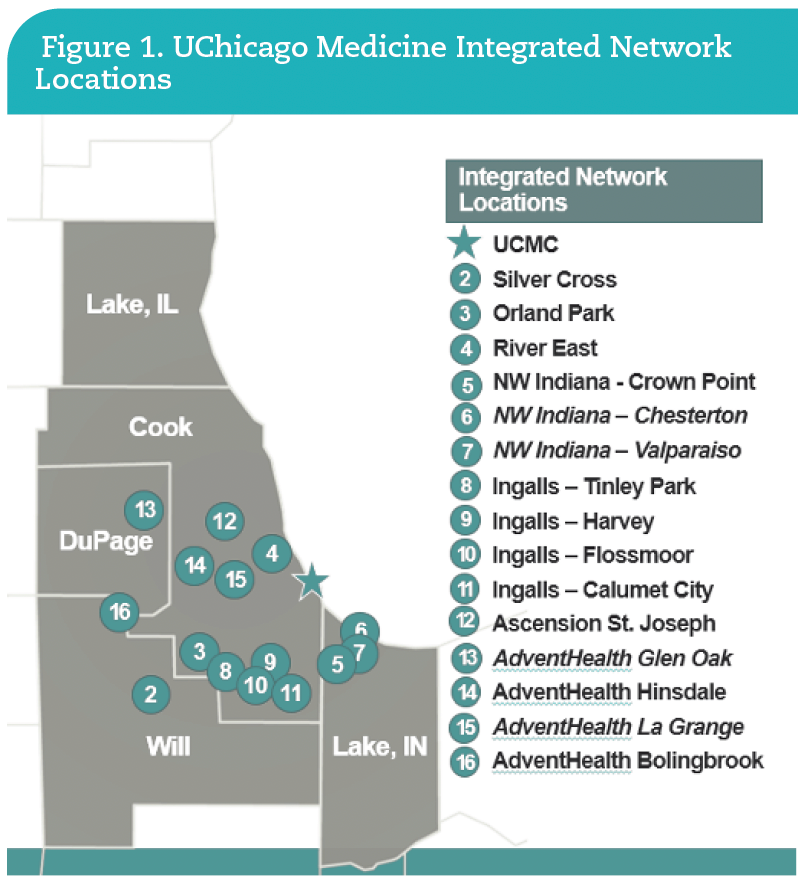
Vince Lombardi once said, “The only place success comes before work is in the dictionary.” I cannot think of a more fitting quote when it comes to the topic of decentralized clinical trials. At University of Chicago Medicine (UChicago Medicine), we have been committed to this work for more than 14 years, and our progress has required tremendous effort. A large academic medical center, UChicago Medicine is located in Chicago’s Hyde Park (see the star in Figure 1).

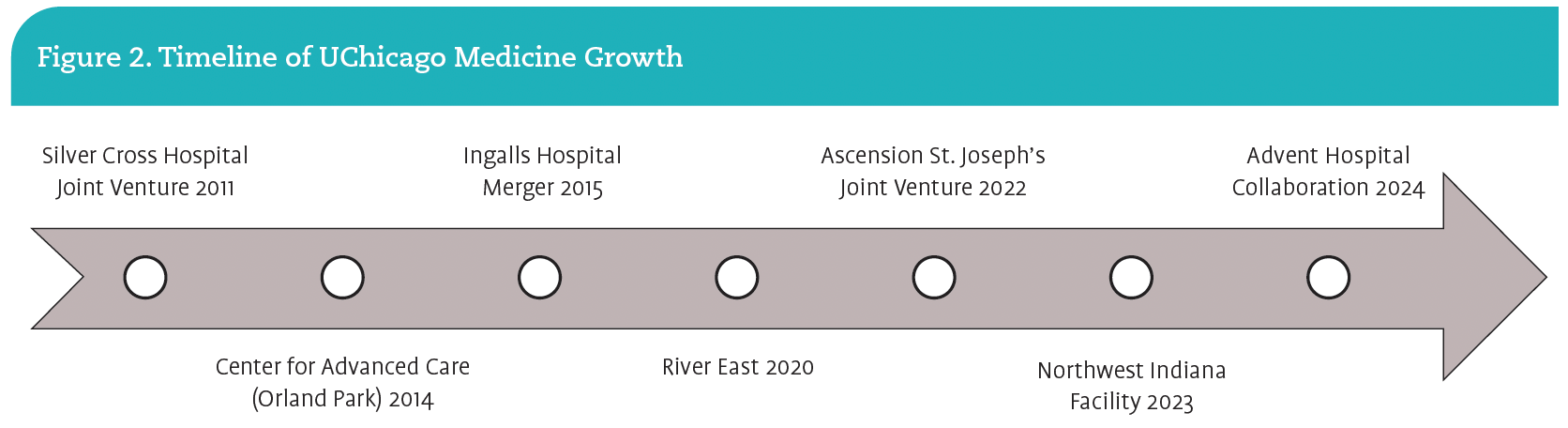
In 2011, UChicago Medicine acquired a private oncology practice in the suburbs, about 35 miles from our main campus in Chicago. That acquisition marked the beginning of our decentralization journey. The process demanded extensive collaboration with a wide range of stakeholders, including principal investigators, treating physicians, and teams from regulatory, legal, pharmacy, finance, nursing, and many others. The success of that first suburban site—and its clinical trial growth—sparked a chain reaction that inspired us to bring research opportunities closer to patients across our region.

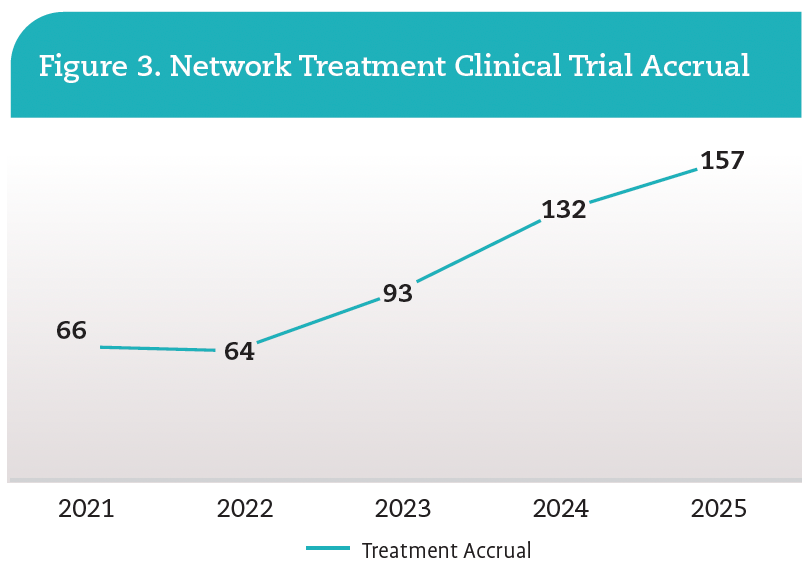
Since that first acquisition, UChicago Medicine has continued to build, acquire, merge, and partner with locations across our communities and service our catchment area (Figure 2). Each location offers unique advantages to UChicago Medicine in terms of clinical trial accrual. For example, starting up clinical trial enrollment at Ingalls Hospital, a local safety net hospital, has increased our recruitment of individuals from minority backgrounds and significantly strengthened our commitment to those communities. Today, our integrated network contributes 20% of the participants enrolled in cancer treatment studies at UChicago Medicine. We have also built a system that allows patients to move seamlessly through our network. In fiscal year 2025, over 3000 procedures were conducted at a network location for clinical trial participants enrolled at our main campus (Figure 3).

Setting the Stage

The importance of clinical trials is indisputable; they remain the only pathway to introducing new therapies and improving existing ones. Yet access remains a significant challenge. In 2024, the team at Fred Hutchinson Cancer Center in Seattle, WA, did a thorough review of clinical trial enrollment for cancer centers that participate in the Commission on Cancer (CoC) accreditation program. Across all sites, they found that clinical trial participation in treatment studies was 7.1%.1 The team was able to further break that down by type of institution, finding that academic medical centers have an accrual rate closer to 22%, while community cancer programs have an accrual rate of 4.1%.1

Many factors contribute to these low participation rates, but at the core is the reality that the health care system places an undue burden on patients to participate in clinical trials. Commonly cited barriers include geographic distance to trial sites, financial constraints, time away from work and family, burdensome research procedures, and limited availability of translated study materials.

The Promise of Decentralization

Decentralized clinical trials came into wider acceptance during the COVID-19 pandemic, bringing care to the patient instead of the patient having to travel for care. In 2024, the US Food and Drug Administration (FDA) published guidance on decentralized clinical trials: “A decentralized clinical trial refers to a clinical trial that includes decentralized elements where trial-related activities occur at locations other than traditional clinical trial sites.”2 At UChicago Medicine, we use the term to account for any clinical trial service offered at a location other than our main site in Hyde Park, Illinois. This can take the form of providing clinical trial participants standard-of-care services closer to home at an integrated UChicago Medicine network site or even at a nonaffiliated site (concordant with the FDA guidance), or offering full trial access—consent, enrollment, and treatment—at one of our integrated network sites.

Decentralized clinical trials benefit both community programs (looking to participate as a local research site) and academic medical centers (looking to partner with community programs) by helping to:

  • Improve community engagement
  • Enhance access to clinical trials
  • Increase enrollment to clinical trials
  • Improve participant (patient) quality of life
  • Increase the diversity of participants enrolled in clinical trials
  • Contribute to institutional revenue
  • Improve retention and protocol compliance
  • Support workforce retention and recruitment efforts
  • Enhance brand awareness
  • Increase market share using clinical trials as a differentiator.

Our Decentralization Model

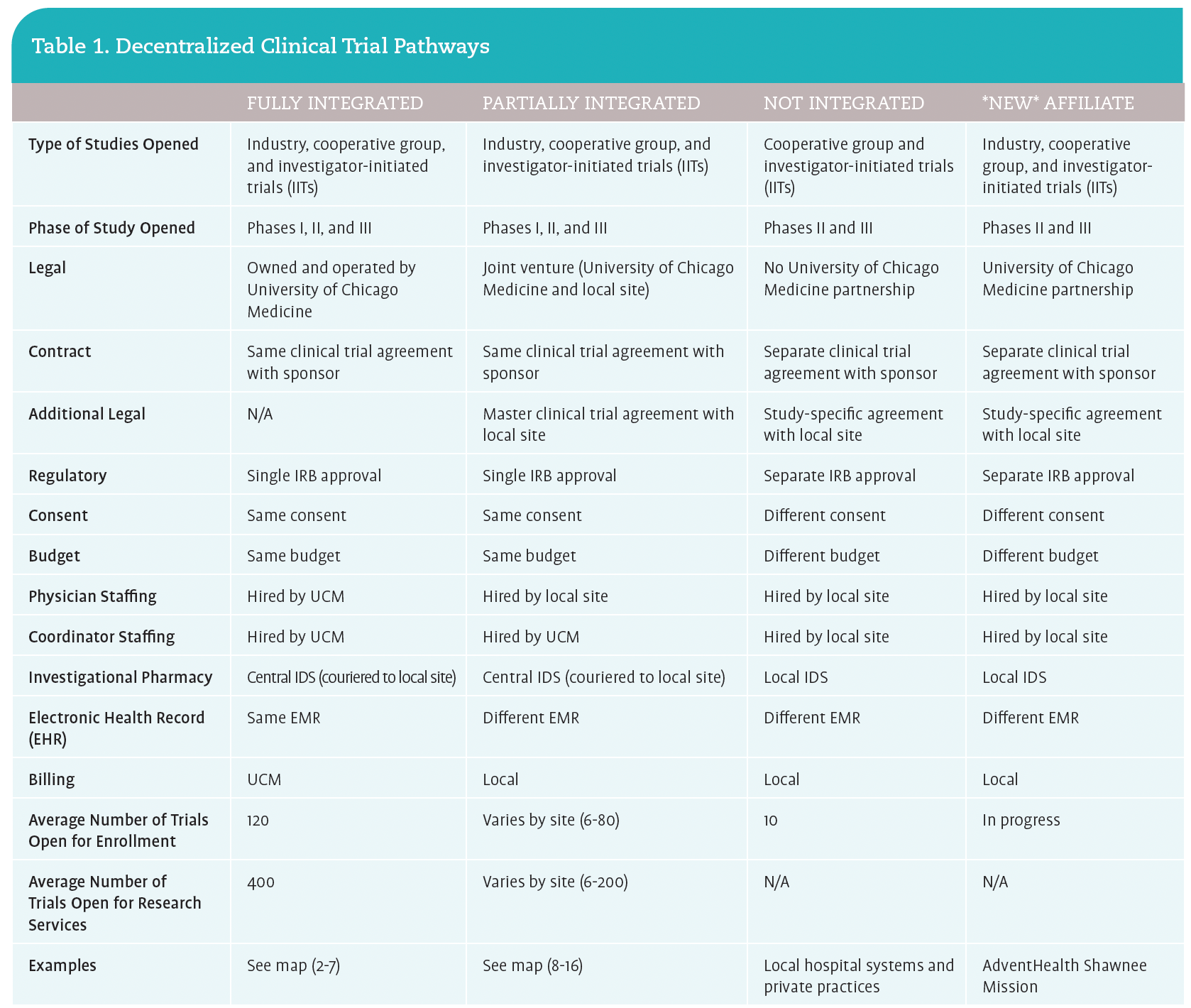
At UChicago Medicine, the University of Chicago Comprehensive Cancer Center manages oncology clinical trial management. We have found that a one-size-fits-all model does not work for our expanding network. Instead, we have chosen to remain flexible, aligning new sites with pathways that best meet both local needs and priorities at the University of Chicago Comprehensive Cancer Center. Table 1 provides an overview of the key differences across these pathways.

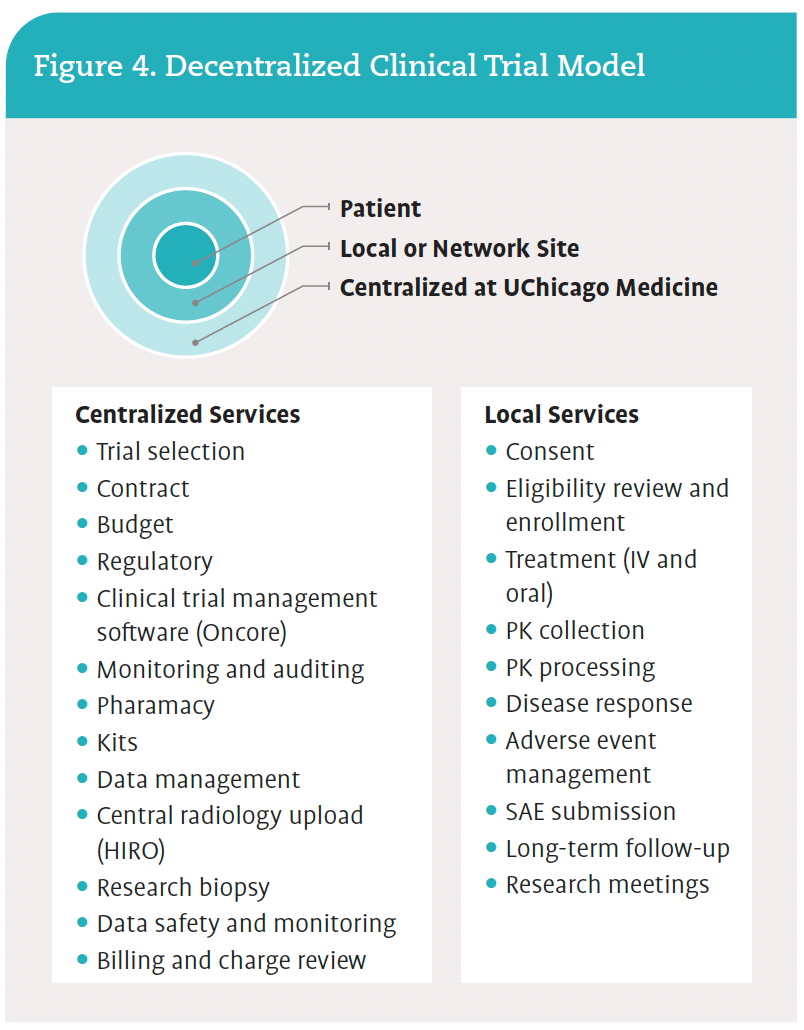
There is no one “right” way to move this work forward. Early in the process, we had to revisit policies and workflows that were designed around a one-site system. We had to invest time (and money) to ensure the local site had the right staff and equipment to do the work safely and efficiently. Our decentralized model (Figure 4) relies heavily on using the teams at our main campus to provide the majority of the behind-the-scenes work—budgeting, contracting, regulatory oversight, monitoring, auditing, pharmacy management, etc. On the other hand, services that “touch” the patient can be delivered at the local site. This type of partnership allows UChicago Medicine to minimize the staff needed at the local site and allows the local site to leverage the expertise of UChicago Medicine’s central teams.

Most academic medical centers take a siloed approach to research; different staff members are responsible for patient-facing activities: patient consenting (nursing), coordination (research coordinators), biospecimen collection (phlebotomy), and research sample processing (research labs). At our local sites, we rely on a senior clinical research coordinator to do all those activities. This model required unique training that cut across multiple departments at our main site; it also required the creation of new job descriptions and pay scales. This training is offered virtually to allow research coordinators to participate from their local site. Current research trainings include patient consent, eligibility, disease response, scheduling, serious adverse event (SAE) documentation, and more.

As patient enrollments increase at network sites, we add additional staff. Historically, we used a flat rate of 30 treatment enrollments as the threshold required to add team members, but more recently, we have moved to an acuity-based system, which accounts for the complexity of our early phase studies. Under our model, a research nurse is the second staff member added. These nurses support clinical needs that increase as patient enrollment increases; these providers triage patients, manage adverse effects and dose modifications, and route medications, among other responsibilities. Some of our network sites have accrued enough patients to clinical trials to justify a third staff member. In these cases, we have added an entry-level clinical research coordinator. These coordinators focus on scheduling, administrative, and biospecimen-related needs.

Physician engagement is another critical aspect of decentralization. Most community programs are not designed to allow for the administrative burden required of physicians to open, maintain, and enroll patients in clinical trials. This is where decentralization brings great benefit to community sites: a central principal investigator (PI) with experience in study start-up and oversight takes on all that responsibility. Under our model, PIs are based at our main campus in Hyde Park. This allows community physicians at our network sites to focus on what they do best: treating patients. Under this model, UChicago Medicine has implemented workflows to streamline disease response and image upload, adverse event monitoring and attribution, and central eligibility checks.

Transporting investigational products required numerous meetings with our investigational drug services department, but eventually, we created a system that allows drugs to be couriered (via MedSpeed) while closely adhering to pharmacy regulations and sponsor requirements. Each time a courier is used, a chain of custody form is filled out, and temperature monitoring is conducted. Alternatives to a courier-based system include:

  • Mailing drugs to patients. This option works well for oral drugs that can be delivered to a patient’s home.
  • Opening studies that use standard-of-care drugs, which is common in cooperative group trials.
  • Opening non-drug studies that still involve a therapeutic end point, for example, surgery, radiation, and some supportive care studies.

Biospecimen collection, storage, and shipment were other critical aspects of the decentralization process. All senior clinical research coordinators are trained in all facets of biospecimen collection. The University of Chicago Comprehensive Cancer Center leverages an internally designed training, but there are national programs (often free of charge) that offer a similar service.

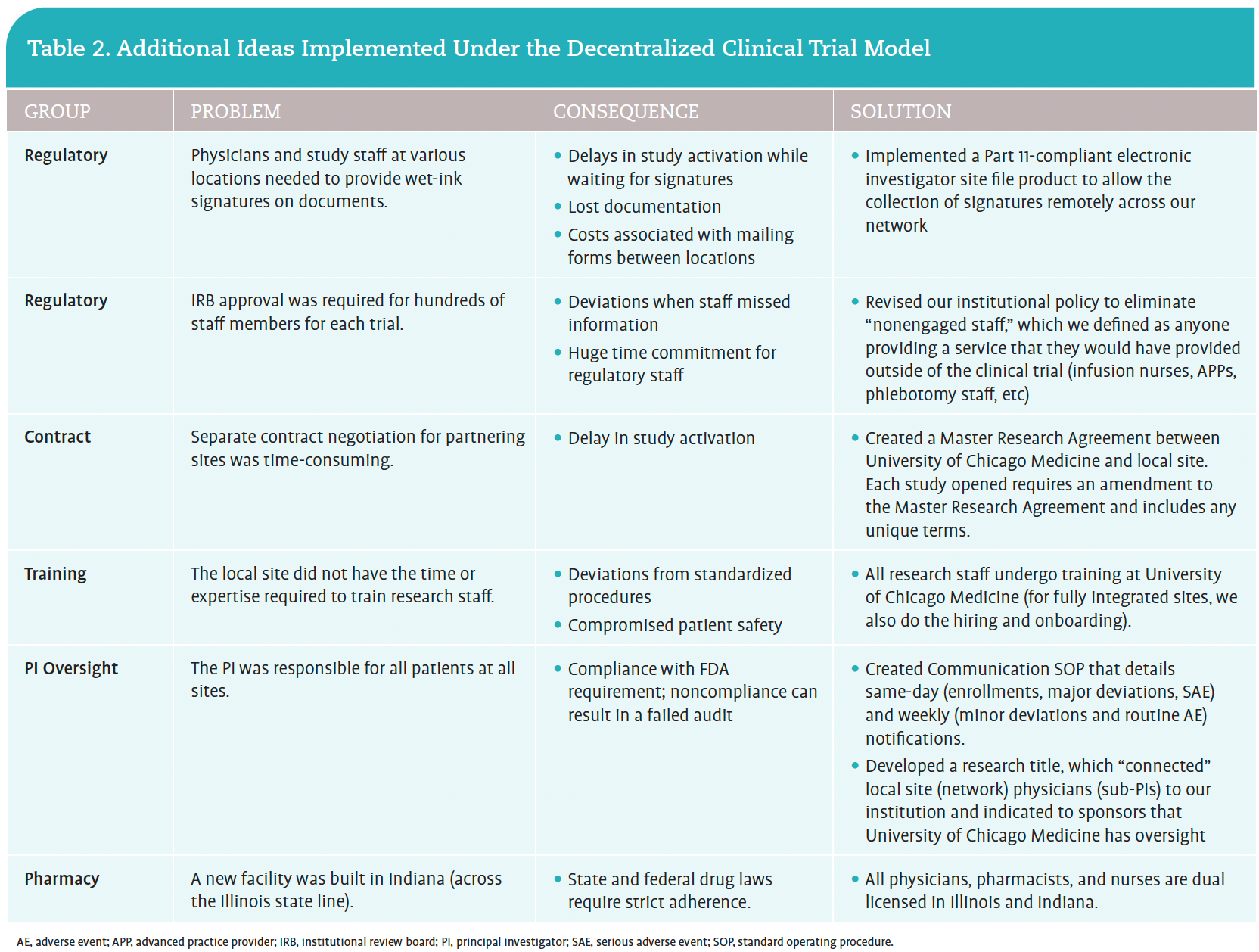
We also had to ensure that each network site had access to a deep freezer. Deep freezers allow for longer-term storage of biobank specimens, more flexibility to ship samples when convenient for staff versus always having to ship same day, and use of dry ice (some sites get a delivery every other week, some weekly, and some twice a week, based on need). Table 2 outlines several of the other ideas implemented under our decentralized clinical trial model.

Next Steps for Community Sites Looking to Offer Decentralized Clinical Trials

  • Determine your goals. Define what you and your site want to get out of offering clinical trials closer to home. This will help you decide the extent of the partnership. If you are looking to meet CoC or National Accreditation Program for Breast Centers (NAPBC) accreditation standards, a limited number of nontherapeutic studies can suffice. If you are looking for differentiation in a crowded market, a more robust partnership with offerings of unique and early-phase trials would meet that need.
  • Develop relationships. For community-based sites looking to offer clinical trials, the best approach is to reach out to your local academic medical center. While proximity is not a dealbreaker—you could reach out to any academic medical center that matches your vision—it can make the process easier. Develop a relationship with their clinical trial office and determine if they have similar pathways to those offered at UChicago Medicine. If not, determine their interest in developing them.
  • Be persistent. Many of UChicago Medicine’s teams were not immediately on board with changing standard operating procedures and restructuring workflows. Some found value in the end result—expanding access and easing the burden for patients. Others needed direction from leadership on the long-term strategy associated with change.
  • Ask questions. There are numerous forums and organizations available to help navigate clinical trials and design workflows. For clinical research professionals, look to SOCRA, the Society of Clinical Research Associates, or ACRP, the Association of Clinical Research Professionals. For cancer programs, ACCC, the Association of Cancer Care Centers, and ACCA, the Association of Cancer Center Administrators, offer useful resources, including annual meetings, membership, and online forums and chats.

Kristen Kipping-Johnson, MPH, is director of Network Research Operations with University of Chicago Medicine in Chicago, Illinois.

References
  1. Unger JM, Shulman LN, Facktor MA, Nelson H, Fleury ME. National estimates of the participation of patients with cancer in clinical research studies based on Commission on Cancer accreditation data. J Clin Oncol. 2024;42(18):2139–2148. doi:10.1200/JCO.23.01030
  2. Center for Drug Evaluation and Research (CDER). Conducting clinical trials with decentralized elements. (FDA-2022-D-2870). Federal Drug Administration. September 2024. Accessed March 5, 2026. https://www.fda.gov/media/167696/download
Articles in this issue

Honoring Progress, Inspiring What Comes Next in Oncology
Designing the Future of Oncology Care—Together
Primary Care Meets Cancer Prevention: Insights From Sanford World Clinic – Ghana
On Target: A Data-Driven Approach to Upgrading Radiotherapy Equipment
Demystifying Decentralization in Therapeutic Clinical Trials
Language as Care: Transforming Patient Experience Through Better Communication
Impact of RDN-Led Nutrition Education: A Multiyear Study
Patient-Derived Organoids Streamline Development and Testing of Drugs for Individualized Cancer Care
Artistic Interventions in Cancer Care: Orlando Health Cancer Institute's Evidence-Based Arts in Medicine Program
Fast Facts Vol. 41, No. 2
Legislative and Regulatory Updates
Due Diligence in Limiting Payer Denials
Restoring Wholeness: The Role of Paramedical Tattooing in Continuous Cancer Care
St. Luke’s Hospital,  Chesterfield, Missouri
St. Luke’s Hospital, Chesterfield, Missouri
Action: Vol. 41, No. 2

Upcoming Events

ACCC 43rd National Oncology Conference
Oncology

ACCC 43rd National Oncology Conference

In Person Conference & ConventionOctober 21, 2026 at 8:00 AM MDT450 Summer St, Boston, MA 02210Omni Boston Hotel at the Seaport, Boston
Register Now!
HSCO 2026 August Dinner Symposium
Oncology

HSCO 2026 August Dinner Symposium

In Person Conference & ConventionAugust 12, 2026 at 5:30 PM HST6600 Kalanianaʻole Highway suite 110, Honolulu, HI 96825, USARoy's Restaurants – Hawaii Kai, Honolulu
Register Now!
LOS 2026 Cancer Congress - National Oncology Updates
Oncology

LOS 2026 Cancer Congress - National Oncology Updates

In Person Conference & ConventionAugust 14, 2026 at 11:00 AM CDT859 Convention Center Blvd, New Orleans, LA, USANew Orleans Marriott Warehouse Art District, New Orleans
Register Now!
LOS Cancer Congress After-Hours: Bowling Social
Oncology

LOS Cancer Congress After-Hours: Bowling Social

In Person Conference & ConventionAugust 14, 2026 at 6:30 PM CDT600 Fulton St, New Orleans, LA 70130, USAFulton Alley, New Orleans
Register Now!
IOS Evansville Meeting
Oncology

IOS Evansville Meeting

In Person Conference & ConventionAugust 18, 2026 at 5:30 PM CDT4011 Gateway Blvd, Newburgh, IN 47630, USADeaconess Gateway Hospital , Newburgh
Register Now!
2026 Carolinas Cancer Conference
Oncology

2026 Carolinas Cancer Conference

In Person Conference & ConventionAugust 22, 2026 at 7:00 AM EDT5757 Palm Blvd, Isle of Palms, SC, USAWild Dunes, Isle of Palms
Register Now!
IOS 2026 Best of ASCO
Oncology

IOS 2026 Best of ASCO

In Person Conference & ConventionAugust 22, 2026 at 6:30 AM CDT300 East 9th Street, Coralville, IA, USAHyatt Regency Coralville Hotel & Conference Center, Coralville
Register Now!
NMSCO 2026 Fall Conference
Oncology

NMSCO 2026 Fall Conference

In Person Conference & ConventionSeptember 12, 2026 at 7:30 AM MDT2101 Louisiana Boulevard NE Albuquerque, NM, 87110Marriott Albuquerque, Albuquerque
Register Now!
Advertisement
Advertisement

Trending Now on
ACCCBuzz Blog

Designing a Safe, Fully Outpatient CAR T-Cell Program in the Community

Designing a Safe, Fully Outpatient CAR T-Cell Program in the Community

Local Staff, Lasting Impact: A New Model for Rural Cancer Prevention

Local Staff, Lasting Impact: A New Model for Rural Cancer Prevention

To better reach its patients living in rural communities throughout Georgia with targeted interventions, 2026 ACCC Innovator Award winner Winship Cancer Institute developed an Embedded Community Staff model, which leverages the experiential knowledge of local community members.

A Pharmacist-Led Strategy to Improve Care With Oncolytic Virus Treatments

A Pharmacist-Led Strategy to Improve Care With Oncolytic Virus Treatments

2026 ACCC Innovator Award Winner UNC Lineberger Comprehensive Cancer Center noticed a common pain point among patients who received oncolytic virus treatment for advanced melanoma: time spent in appointments. To minimize the need for multiple lengthy appointments, the center developed a pharmacist-led strategy that utilized virtual visits and premixing doses prior to in-person visits.

Extending Patient-Centered Cancer Care to Transgender and Nonbinary Individuals

Extending Patient-Centered Cancer Care to Transgender and Nonbinary Individuals

In a recent article from Oncology Issues, authors conducted a systematic literature review and found that two main drivers of care disparities exist for transgender and nonbinary individuals with cancer: rigid binary gender frameworks and gaps in mental health care.

View All ACCCBuzz Blogs

Recently Heard on
CANCER BUZZ Podcast

A Team Approach to ADCs in Bladder Cancer – [Video Podcast] Ep. 62

MDS: Low Risk Isn’t No Risk - [Podcast] Ep. 235

Beyond Body Art: Restoring Wholeness Through Paramedical Tattooing - [Podcast] Ep. 234

Bridging Radiation and Oncology in SCLC Care - [Podcast] Ep. 233

View All Podcasts

Latest from Oncology Issues

June 2026
June 2026
April 2026
February 2026
December 2025
October 2025
View All Oncology Issues

Join the Conversation

ACCC eXchange Digital Banner
Login