

Proactive nutrition care is pivotal to drive quality for the patient experience.
There is increasing understanding of the important role nutrition services can play in optimizing care for patients with cancer both during and after treatment. In 2017 the National Academies of Sciences, Engineering, and Medicine (NASEM) published proceedings of its 2016 workshop Examining Access to Nutrition Care in Outpatient Cancer Centers. Access the proceedings.
Below are ACCC member-driven resources that support and share "how to's" for integration of nutrition services in all cancer care settings.
Food insecurity can significantly impact the health and well-being of people living with cancer. In this webinar, multidisciplinary experts share practical strategies for developing and sustaining oncology-based food pantry programs, fostering community partnerships, and addressing food insecurity as part of comprehensive, patient-centered cancer care.
The 41st National Oncology Conference was an opportunity to educate colleagues and share resources to help attendees enact positive change at their cancer programs. Read the insights gained from the afternoon sessions on Day 2 of the conference.
While 10% of households in the US report food insecurity, it's estimated that that between 17% and 55% of patients diagnosed with cancer are affected. Many cancer institutions and programs have taken it upon themselves to decrease the burden of patient food insecurity by initiating their own food pantries, with setups ranging from compact, utility-closet–based versions that include personal care products to larger-footprint, open-plan spaces designed to approximate a shopping experience.

LYTE is a non-profit organization that aims to meet the needs of a growing and diverse breast cancer survivor community by providing expert health and wellness coaching.
Explore findings from a multi-stakeholder collaboration aimed at exploring clinical meaningfulness in comprehensive care delivery for patients with metastatic breast cancer.

Discover the mission of Unite for HER—a national nonprofit organization dedicated to enriching the health and well-being of those affected by breast and ovarian cancers.
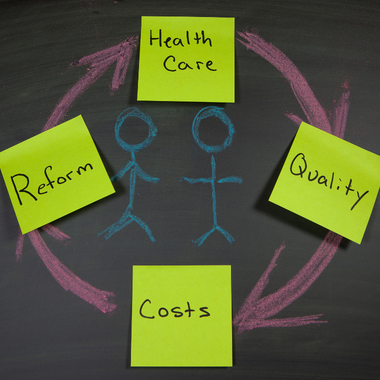
For their final policy summit of 2023, the NCCN invited multidisciplinary stakeholders to Washington D.C. for a discussion focused on patients with cancer receiving comprehensive and equitable care.
In this episode, CANCER BUZZ speaks with Brittney Baer, BSN, RN, patient care coordinator, immune effector cells, at Vanderbilt University Medical Center’s Vanderbilt-Ingram Cancer Center about key strategies and solutions to prioritize patient quality of life by addressing barriers to holistic survivorship care.
Hear how malnutrition affects people with cancer in different ways, even impacting cancer treatment plans.
Hear how malnutrition affects people with cancer in different ways, even impacting cancer treatment plans.
Hear how malnutrition affects people with cancer in different ways, even impacting cancer treatment plans.

A focused prehabilitation (prehab) program couples physical therapy with holistic care that includes nutritional support, stress reduction strategies, and nurse navigator intervention. Integrating prehabilitation can not only improve patient outcomes post-surgery, it can also decrease hospital length of stay.

Access to nutrition services for patients with cancer who are at risk for treatment- and disease-related issues such as malnutrition, dehydration, nausea, and diarrhea is a key component of the care pathway.
Learn about the new adequate nutrition model that integrates systematic malnutrition screening of all oncology patients across their treatment, incorporating a validated malnutrition screening tool as the 7th vital sign.

The Ohio State University's Cancer and Aging Resilience (CARE) Clinic goes beyond reviewing cancer-specific treatment. This new care model pairs patients with a multidisciplinary team to assess patients for balance, cognition, nutrition, symptom management, and many more—all in one visit.
Nutrition plays a critical role in cancer prevention, treatment, and survivorship, and the registered dietitian nutritionist (RDN) is an integral member of the multidisciplinary cancer care team.
