The nation’s demographics are shifting dramatically. The number of Americans age 65 and older is projected to nearly double from 52 million in 2018 to 95 million in 2060, bringing the 65-and-older age group from 16 percent to 23 percent of the total U.S. population.1 By 2030, researchers estimate that 70 percent of cancers will be diagnosed in older adults.2 The population of cancer survivors is increasing accordingly. While 64 percent of cancer survivors in the U.S. are currently age 65 and older, researchers estimate that by 2040, 73 percent of U.S. cancer survivors will fall into that age range.3
Speakers discuss several aspects of caregiver engagement, including tools and strategies cancer team members can use to assess and engage caregivers and legal concerns and implications for teams working with caregivers. The speakers will offer you a range of resources to support your work with caregivers as well as to offer to caregivers themselves.
Thank you to EMD Serono for supporting this through its Embracing Carers™ program.
Learn how your cancer program can implement the 4Ms Framework of Age-Friendly Care. The Action Community is a network of teams from across different health systems who come together to accelerate their own adoption of the 4Ms and to test and adopt age-friendly care.
ACCC will identify barriers and best practices for serving this growing patient population in order to help support the multidisciplinary team in understanding and proactively preparing for the impact of our graying nation on cancer prevalence and co-morbidity burden.
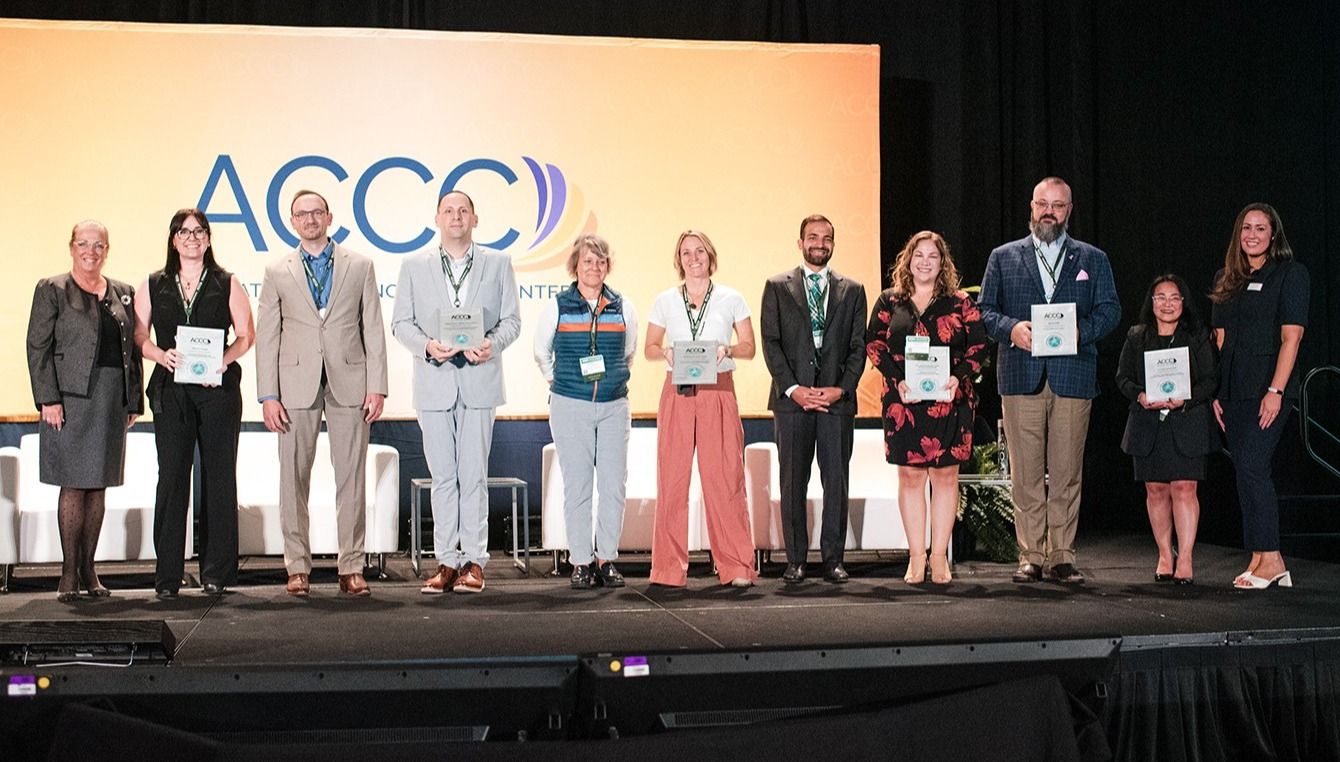
The newest Oncology Issues is here, opening the year with a spotlight on the six 2025 ACCC Innovators: Fox Chase Cancer Center, Lifepoint Health, Penn Medicine Princeton Health, WellSpan Cancer Institute, Highlands Oncology, and Shaw Cancer Center.
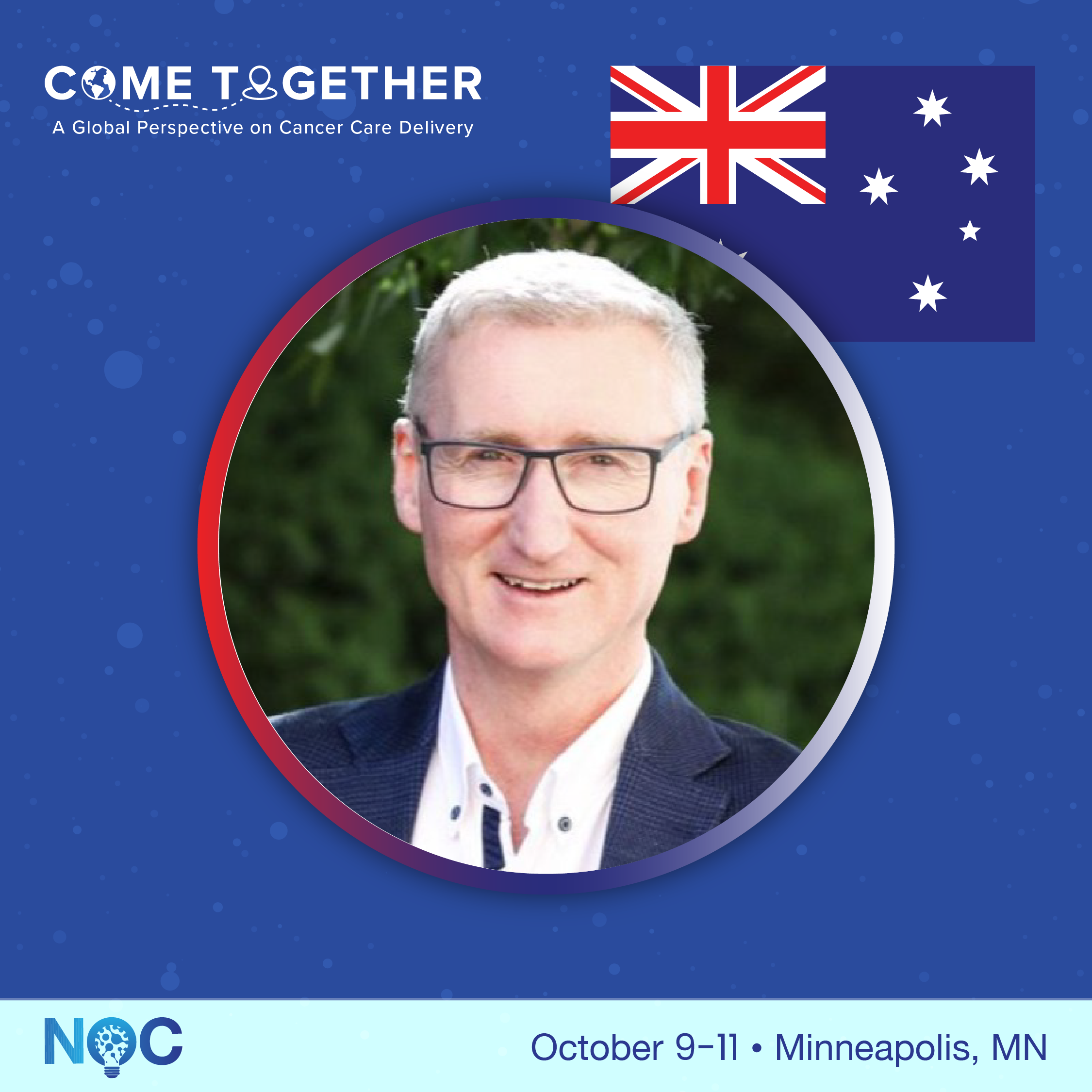
In honor of the NOC's first international panel, ACCCBuzz spoke with Dr. Christopher Steer to gain further insight into his experience collaborating with academic centers and the unique challenges he faces as an oncologist practicing in a rural community.
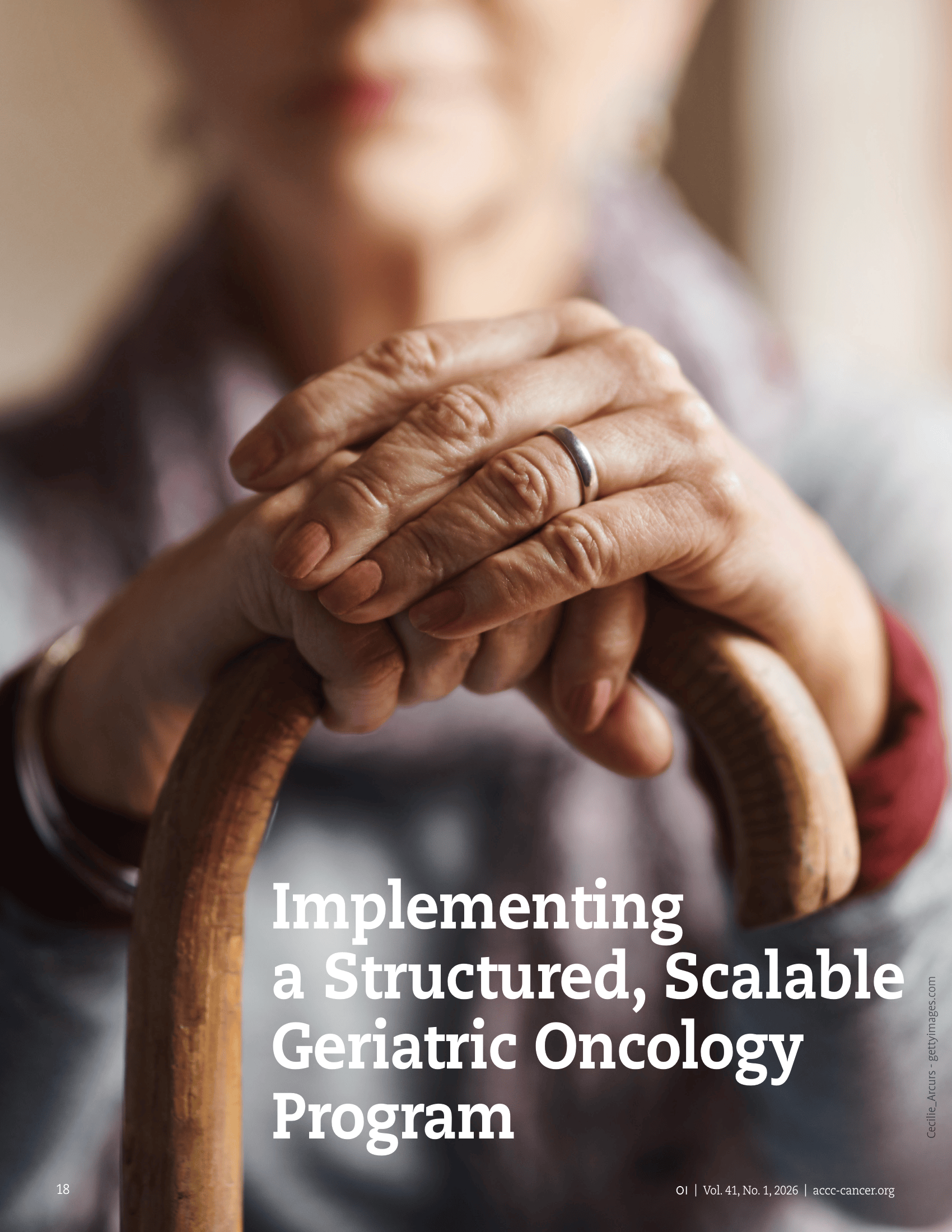
In this episode, CANCER BUZZ speaks with Ramy Sedhom, MD, section chief of medical oncology at Penn Medicine Princeton Health, Princeton Cancer Center about his program’s receipt of a 2025 ACCC Innovator Award. His team’s innovation, Implementing a Structured, Scalable Geriatric Oncology Program, paves the way for other programs to effectively integrate the use of geriatric assessments into routine clinical workflows, thus bridging a critical gap for older adults with cancer.
ACCC released its compact geriatric oncology guide for community cancer centers to help cancer care teams improve treatment decision-making, guide supportive care interventions, and improve patient and caregiver satisfaction. This guide will provide you with the information you need to efficiently conduct comprehensive geriatric assessments in your cancer program or practice.
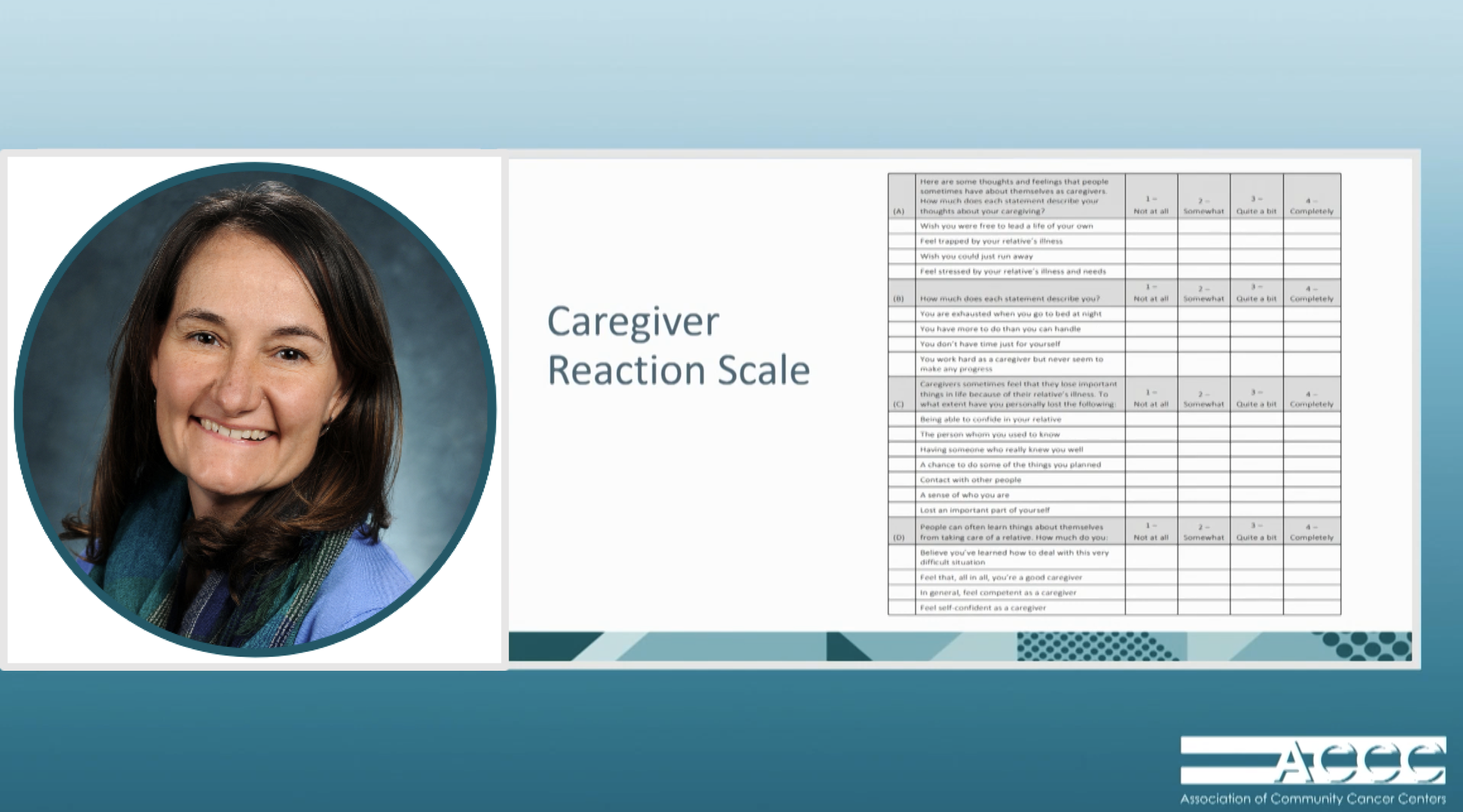
One member of your cancer care team who plays an essential role yet often goes unrecognized is a patient’s caregiver. With the added work caregivers have had in the past year to keep their loved ones safe during the pandemic, the work they do is even more important today. To support cancer care teams looking to address the critical role caregivers play in patient support, ACCC recently launched a free, one-hour on-demand webinar.