ACCC association of cancer care centers
Join/Renew
Login
Join/Renew
Login
Education & Resources
ACCC eXchange LogInSponsored Education from ACCC Corporate PartnersACCC eLearning LogInPresentations & Abstracts
Publications
Oncology IssuesPatient Assistance & Reimbursement GuideTrending Now in Cancer CareBusiness Case Studies for Hiring New Staff
Events
2026 ACCC Leadership SummitAnnual Meeting & Cancer Center Business SummitCapitol Hill DayNational Oncology ConferenceOncology Reimbursement MeetingsOncology State Society Meetings
Policy & Advocacy
ACCC 2026 Policy PrioritiesLetters & StatementsAccess, Payment & Reimbursement ReformWhite Bagging & Brown BaggingAdvocacy ResourcesCancer Moonshot
Membership
Join | RenewWho We AreMembership Types & BenefitsCorporate MembersACCC Member Portal FAQMember Directory
Partners
Oncology State SocietiesPartner OrganizationsCME
News
News ReleasesAdvocacy News ReleasesOncology News
About ACCC
Timeline / 50th Anniversary2025 Impact ReportPresident's ThemeACCC Innovator AwardsACCC FellowsBoard of TrusteesACCC Senior Staff
Breast CancerMetastatic Breast Cancer
Gastrointestinal CancerBiliary Tract CancerColorectal CancerGastric CancerLiver Cancer
Genitourinary CancerBladder CancerProstate CancerRenal Cell Carcinoma
Gynecologic Cancer
Head & Neck Cancer
Hematologic MalignanciesAcute Lymphocytic Leukemia (ALL)Acute Myeloid Leukemia (AML)Chronic Lymphocytic Leukemia (CLL)Mantle Cell Lymphoma (MCL)Multiple Myeloma (MM)Myelodysplastic Syndromes (MDS)
Lung CancerNon-Small Cell Lung Cancer (NSCLC)Small Cell Lung Cancer (SCLC)
Sarcoma
Skin CancerMelanomaNon-Melanoma Skin Cancers (NMSC)
Clinical Practice & TreatmentCancer DiagnosticsCare CoordinationEHR Integration for Biomarker TestingQuality Improvement Collaboration: Integration of Precision Medicine in Community OncologyTreatment
Financial NavigationFAN Boot CampFinancial Advocacy Network (FAN) Resource LibraryPatient Assistance & Reimbursement GuidePrior Authorization
Health Equity & Access3, 2, 1, Go! Practical Solutions for Addressing Cancer Care DisparitiesAppalachian Community Cancer AllianceOncology Advanced PractitionersPersonalizing Care for Patients of All BackgroundsSocial Drivers of Health
Patient-Centered CareAddressing Care Disparities for VeteransAdolescent and Young Adult (AYA)Care Action Plans for People with CancerDermatologic ToxicitiesEmpowering CaregiversGeriatric OncologyHealth LiteracyNutritionOncology PharmacyPatient NavigationPsychosocial Care in OncologyShared Decision-MakingSupportive CareSurvivorship Care
Practice Management & OperationsCancer Program FundamentalsLeadership Sustainment and Engagement VideosOncology Practice Transformation and Integration CenterOncology Team Resiliency
ResearchACCC Community Oncology Research Institute (ACORI)
Technology & InnovationTelehealth & Digital Medicine
ACCCBuzz Blog
CANCER BUZZ Podcast
Oncology Issues
Join/Renew
Login
Breast CancerMetastatic Breast Cancer
Gastrointestinal CancerBiliary Tract CancerColorectal CancerGastric CancerLiver Cancer
Genitourinary CancerBladder CancerProstate CancerRenal Cell Carcinoma
Gynecologic Cancer
Head & Neck Cancer
Hematologic MalignanciesAcute Lymphocytic Leukemia (ALL)Acute Myeloid Leukemia (AML)Chronic Lymphocytic Leukemia (CLL)Mantle Cell Lymphoma (MCL)Multiple Myeloma (MM)Myelodysplastic Syndromes (MDS)
Lung CancerNon-Small Cell Lung Cancer (NSCLC)Small Cell Lung Cancer (SCLC)
Sarcoma
Skin CancerMelanomaNon-Melanoma Skin Cancers (NMSC)
Clinical Practice & TreatmentCancer DiagnosticsCare CoordinationEHR Integration for Biomarker TestingQuality Improvement Collaboration: Integration of Precision Medicine in Community OncologyTreatment
Financial NavigationFAN Boot CampFinancial Advocacy Network (FAN) Resource LibraryPatient Assistance & Reimbursement GuidePrior Authorization
Health Equity & Access3, 2, 1, Go! Practical Solutions for Addressing Cancer Care DisparitiesAppalachian Community Cancer AllianceOncology Advanced PractitionersPersonalizing Care for Patients of All BackgroundsSocial Drivers of Health
Patient-Centered CareAddressing Care Disparities for VeteransAdolescent and Young Adult (AYA)Care Action Plans for People with CancerDermatologic ToxicitiesEmpowering CaregiversGeriatric OncologyHealth LiteracyNutritionOncology PharmacyPatient NavigationPsychosocial Care in OncologyShared Decision-MakingSupportive CareSurvivorship Care
Practice Management & OperationsCancer Program FundamentalsLeadership Sustainment and Engagement VideosOncology Practice Transformation and Integration CenterOncology Team Resiliency
ResearchACCC Community Oncology Research Institute (ACORI)
Technology & InnovationTelehealth & Digital Medicine
ACCCBuzz Blog
CANCER BUZZ Podcast
Oncology Issues
    • Education & Resources
    • Publications
    • Events
    • Policy & Advocacy
    • Membership
    • Partners
    • News
    • About ACCC
ACCC association of cancer care centers
5425 Wisconsin Ave #600, Chevy Chase, MD 20815
Tel: 301.984.9496 Email Us
Contact UsVolunteers
Advertise
Career Center
Terms and Conditions
Privacy Policy
ACCC Rebranding
Copyright © 2026 Association of Cancer Care Centers. All Rights Reserved.
HomeACCCBuzz Blog

Bringing Tumor Treating Fields to Practice: Lessons From Three Cancer Programs

October 14, 2026

Author(s):

Stephen Willis, PhD

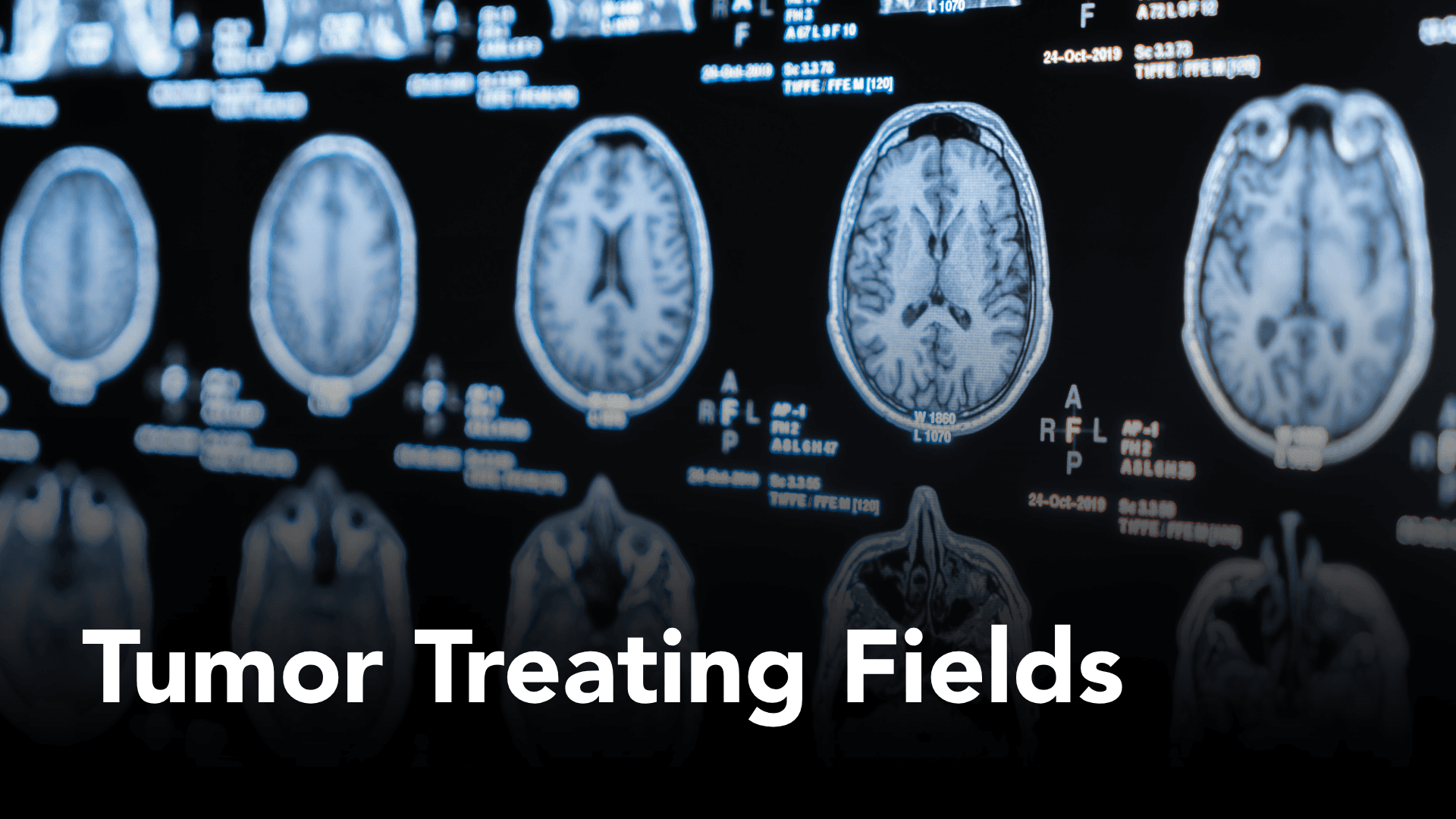
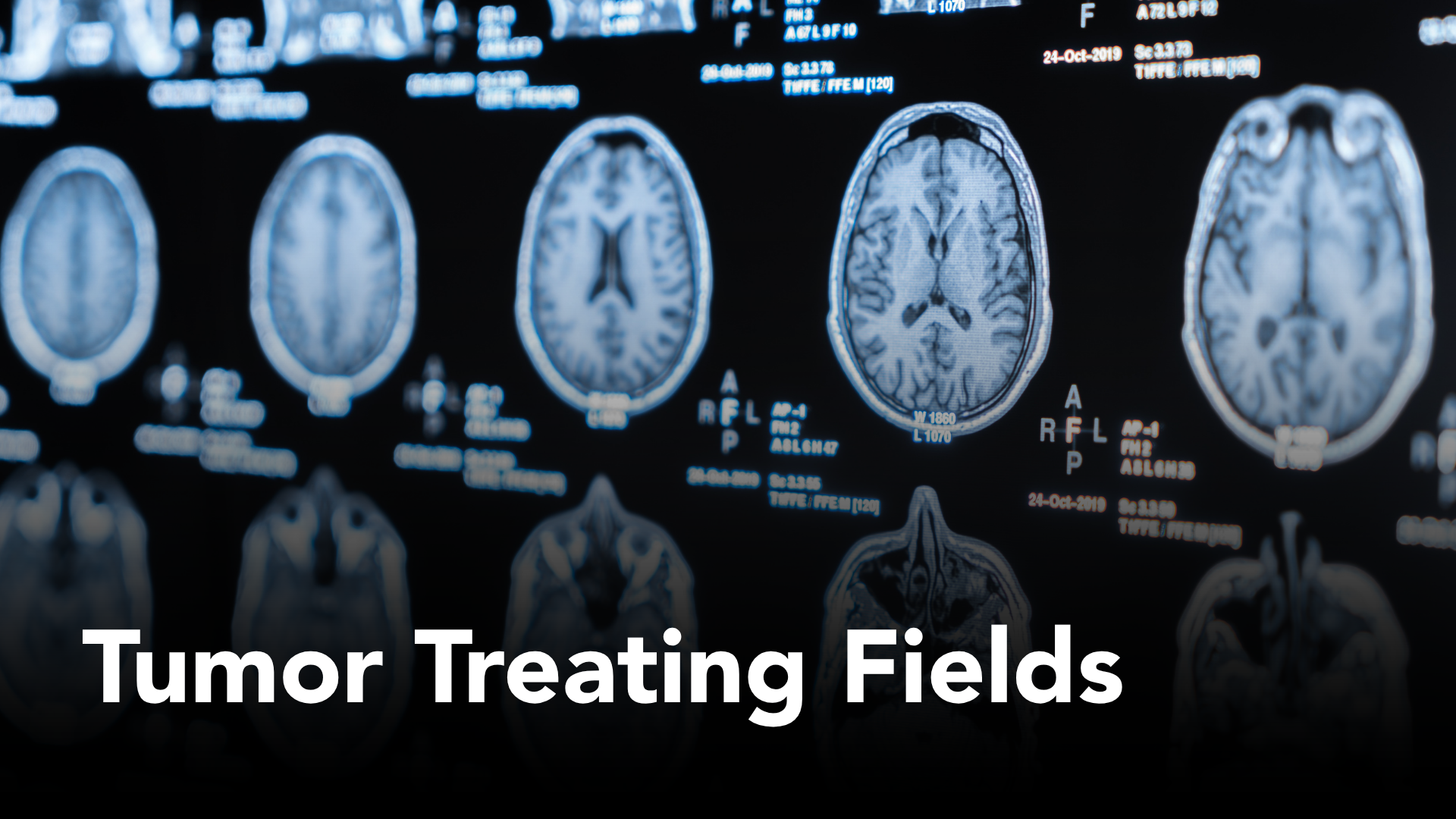
A recent ACCC video series with three cancer programs centered on how Tumor Treating Fields (TTFields) therapy can be integrated into everyday practice without overwhelming clinical or administrative teams or the patients they care for.
Bringing Tumor Treating Fields to Practice: Lessons From Three Cancer Programs

Tumor Treating Fields (TTFields) therapy has moved past its early days as an experimental option in cancer care. With FDA approval for glioblastoma, as well as non-small cell lung cancer and pancreatic cancer, TTFields has grown into a powerful tool for providers. The wearable device delivers alternating electrical fields, noninvasively, to the tumor site, disrupting cancer cell division without significantly affecting healthy tissue. As adoption grows, conversations are shifting from clinical impact to how to actually bring TTFields into everyday practice. How to start a TTFields program, sustain it, and support patients throughout are now the real questions community centers are asking themselves.

These questions were at the center of a recent educational video series between ACCC and the clinical teams at Coastal Cancer Center, Orlando Health Cancer Institute, and Willis-Knighton Cancer Center —three programs with established TTFields experience across glioblastoma and emerging indications. These conversations focused on how programs operationalize TTFields day-to-day, from getting a program off the ground to supporting patients through what was described as a real lifestyle shift.

Building a Strong Program

Across all three conversations, it was clear that starting a program takes more than just a phone call to the manufacturer. It begins with a champion, someone who believes in the therapy and brings it to their institution. But unlike a pill or an infusion, TTFields asks something new from the entire care team, not just the physician writing the order. Programs that have sustained their program over time have made a deliberate effort to train and certify the entire care team. At Coastal Cancer Center, they strove to certify every provider across specialties as new indications became available.

“We've made an effort in our group to, when a new technology becomes available, make sure that every provider in our practice gets certified so that we're all aware of what's available to our patients.” - Emily Touloukian, DO, FASCO, Coastal Cancer Center

That kind of broad buy-in was supported by existing infrastructure. Tumor boards, multidisciplinary meetings, and case reviews became the arenas where TTFields evolved from special case scenarios to part of routine clinical conversations. At Orlando Health Cancer Institute, they also noted that getting a program running meant training staff specifically on how to place device orders and fill out paperwork required by insurers, long before a patient could ever use the device.

Support Goes Beyond a Prescription

All programs were in consensus: the majority of the big questions and concerns don’t come up during the patient’s initial visit. They come up weeks or months into treatment—a skin reaction, a device alarm, or just general issues integrating the device into their daily routine.

Handling patient concerns requires two aspects to work in tandem: internal coordination and a strong relationship with the manufacturer. At Willis-Knighton Cancer Center, that meant setting up a de facto point person for patients utilizing TTFields. This allowed the team to route questions quickly and efficiently and provided an accessible resource for both patients and the care teams. As Jessica Nash, a physician assistant at Willis-Knighton, says of the relationship with the manufacturer: “It’s great. I email them daily with questions. They email me daily with questions.”

These relationships matter when something goes awry. Dr. Emily Touloukian, at Coastal Cancer Center, recounted a story of a patient suffering from a chemotherapy-derived rash, which could have prevented treatment. The care team reached out to the manufacturer, and they helped devise a personalized approach to her care to avoid further irritation. As she put it, the manufacturer “specialized the treatment for the patient… [they were] able to operationalize the treatment for her, which otherwise, we may not have been able to do.”

It’s a Lifestyle Change

For patients, starting TTFields therapy means more than just a new treatment plan; it reflects a very real adjustment in daily life. Programs describe a target wear time of roughly 75% of the day, or about 18 hours. While some downtime is necessary—such as showering or changing arrays—other downtime can come from discomfort with the device. Limiting that downtime is a big part of effective treatment.

Since using the device involves tasks that are difficult for a patient to accomplish alone—shaving the site, placing the arrays, or changing the battery—caregiver involvement isn’t optional. Caregiver education shouldn’t be treated as an afterthought; it should be built into the workflow from the start. As Erin Singh, a nurse practitioner at Orlando Health, puts it, “Education for caregivers is absolutely essential.”

Even though TTFields therapy reflects a very real lifestyle change for the patients, many can adjust to it over time. Dr. Fernando Santos, of Orlando Health, noted that patients “can still go out and play sports and carry on a normal life. They can work with it, they can go to do grocery shopping, and walk around and really live their normal life.”

Common Threads

Across all three programs, clear patterns emerged: TTFields adoption isn’t about a single decision; it's about the structures built around the therapy. It’s about a multidisciplinary team that’s informed and behind the therapy. It’s a deliberate process for getting the program off the ground, not just a concept. It requires communication pathways that stay open long after the first visit, between all parties involved in care, whether it’s the provider, the patient, or the caregiver; each should be given equal weight at the table. As TTFields expands into new indications, these programs offer grounded starting points for community implementation.

These themes, drawn from video series with Coastal Cancer Center, Orlando Health Cancer Institute, and Willis-Knighton Cancer Center, are explored in greater depth in ACCC’s new guide: Tumor Treating Fields: A Guide for Program Implementation. This guide offers cancer programs a practical roadmap for building a TTFields program from the ground up, including communication strategies for providers and patients, and lessons learned from programs that have successfully implemented it.

Related Content

Care Close to Home: How APPs and AHPs Improve Care Across the American Oncology NetworkACCCBuzz Blog

Care Close to Home: How APPs and AHPs Improve Care Across the American Oncology Network

October 15, 2026

Education, Access, Efficiency, and Healing: Reimagining Comprehensive Breast Cancer CareACCCBuzz Blog

Education, Access, Efficiency, and Healing: Reimagining Comprehensive Breast Cancer Care

Jenna Pierson

October 13, 2026

Upcoming Events

ACCC 43rd National Oncology Conference

ACCC 43rd National Oncology Conference

In Person October 21, 2026 at 8:00 AM EDT450 Summer St, Boston, MA 02210, USAOmni Boston Hotel at the Seaport, Boston
Register Now!
ACCC Oncology Reimbursement Meeting | Reno

ACCC Oncology Reimbursement Meeting | Reno

In Person November 4, 2026 at 8:00 AM MST255 North Virginia Street, Reno, NV, USAWhitney Peak Hotel Reno, Tapestry Collection by Hilton,
Register Now!
ACCC Oncology Reimbursement Meeting | Providence

ACCC Oncology Reimbursement Meeting | Providence

In Person November 10, 2026 at 8:00 AM EST5 Avenue of the Arts, Providence, RI, USARenaissance Providence Downtown Hotel,
Register Now!
ACCC Leadership Summit

ACCC Leadership Summit

In Person April 22, 2027 at 8:00 AM EDTInterContinental the Willard Washington D.C. by IHG, 1401 Pennsylvania Ave NW, Washington, DC 20004, USAWillard Intercontinental,
Register Now!
Advertisement
Advertisement

Trending Now on
ACCCBuzz Blog

Care Close to Home: How APPs and AHPs Improve Care Across the American Oncology Network

Care Close to Home: How APPs and AHPs Improve Care Across the American Oncology Network

Recognizing the critical role advanced practice providers and allied health professionals play in the care continuum, the American Oncology Network provides infrastructure, leadership, and professional growth opportunities to empower these members of the cancer care team to practice at the top of their license.

Bringing Tumor Treating Fields to Practice: Lessons From Three Cancer Programs

Bringing Tumor Treating Fields to Practice: Lessons From Three Cancer Programs

A recent ACCC video series with three cancer programs centered on how Tumor Treating Fields (TTFields) therapy can be integrated into everyday practice without overwhelming clinical or administrative teams or the patients they care for.

Beyond the Algorithm: Using AI Across the Breast Cancer Care Continuum
ACCCBuzz Blog

Beyond the Algorithm: Using AI Across the Breast Cancer Care Continuum

October 9, 2026

Addressing the In-Between: AYAs and Multifaceted Cancer TreatmentACCCBuzz Blog

Addressing the In-Between: AYAs and Multifaceted Cancer Treatment

Jenna Pierson

September 30, 2026

From Diagnosis to Survivorship: Understanding AML and CLL From End to EndACCCBuzz Blog

From Diagnosis to Survivorship: Understanding AML and CLL From End to End

Rachel Radwan

September 28, 2026

Gynecologic Cancer Awareness Month: Expanding Access and Improving OutcomesACCCBuzz Blog

Gynecologic Cancer Awareness Month: Expanding Access and Improving Outcomes

Jenna Pierson; Gabrielle Stearns

September 25, 2026

ACCC’s Comments on the 2026 CMS Interim Final RuleACCCBuzz Blog

ACCC’s Comments on the 2026 CMS Interim Final Rule

Rachel Radwan

September 24, 2026

Decentralized Clinical Trials in Community Oncology: Advancing Access Requires More Than TechnologyACCCBuzz Blog

Decentralized Clinical Trials in Community Oncology: Advancing Access Requires More Than Technology

September 10, 2026

Education, Access, Efficiency, and Healing: Reimagining Comprehensive Breast Cancer Care

Education, Access, Efficiency, and Healing: Reimagining Comprehensive Breast Cancer Care

From challenging misconceptions about breast cancer to incorporating paramedical tattooing for survivors after reconstruction, gather valuable takeaways from Oncology Issues in observance of Breast Cancer Awareness Month.

Beyond the Algorithm: Using AI Across the Breast Cancer Care Continuum

Beyond the Algorithm: Using AI Across the Breast Cancer Care Continuum

Artificial intelligence is increasingly being used by cancer care professionals to streamline workflows, optimize screening, and identify the best treatment and survivorship plans for patients with cancer. Learn how the technology's potential is being harnessed in the breast cancer care space.

View All ACCCBuzz Blogs

Recently Heard on
CANCER BUZZ Podcast

Not a Revolution, an Evolution: AI and the Future of Cancer Care – [Video Podcast] Ep. 67

The Financial Reality of Bispecific Antibodies: What It Takes to Build and Sustain a Program - Podcast [Ep. 243]

Bringing CAR T-Cell Therapy to the Community Setting - Mini Podcast [Ep. 242]

Embedding Local Expertise in Rural Cancer Prevention - Podcast [Ep. 241]

View All Podcasts

Latest from Oncology Issues

October 2026
October 2026
August 2026
June 2026
April 2026
February 2026
View All Oncology Issues

Join the Conversation

ACCC eXchange Digital Banner
Login