Social drivers of health such as geographic distance, travel burden, or limited availability at specialized patient centers bar many eligible patients from receiving first-line, potentially curative therapies, including chimeric antigen receptor (CAR) T-cell therapy. Community cancer centers in particular often struggle to offer CAR T, due to the extensive resources required to safely maintain a CAR T program: emergency department access, intensive care unit resources, and inpatient admission availability.
In this episode, CANCER BUZZ speaks with 2026 ACCC Innovator Award winner Andrew Dalovisio, MD, Director of the Myeloma, Lymphoma, and Cellular Therapy Program at Mary Bird Perkins, about how his team successfully launched the first fully outpatient CAR T-cell therapy program for select blood cancers in the Baton Rouge region. For other community cancer centers interested in developing a similar program, Dr. Dalovisio stressed the importance of identifying both a physician and administrative champion to navigate the process in a dyad partnership.
“Less than one in five patients who meet indications [for CAR T-cell therapy] even get a referral. We can talk about how wonderful all these medicines we have are, but if they’re not getting to the patients that need them, [they’re] not serving [their] purpose.” – Andrew Dalovisio, MD
Guest:

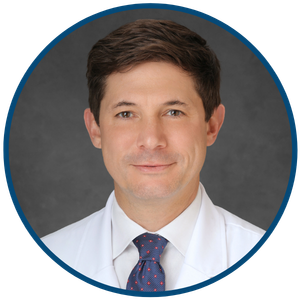
Andrew Dalovisio, MD
Director, Myeloma, Lymphoma, and Cellular Therapy Program
Mary Bird Perkins Cancer Center
Baton Rouge, Louisiana
Resources:
The views and opinions expressed herein are those of the author(s)/faculty member(s) and do not reflect the official policy or position of their employer(s) or the Association of Cancer Care Centers.

The 2026 NCCN Fall Policy Summit explored the current state of cancer screening and prevention services in the US, barriers that still drive disparities in screening uptake, and strategies to shift the paradigm of preventive cancer care.