ACCC association of cancer care centers
Join/Renew
Login
Join/Renew
Login
Education & Resources
ACCC eXchange LogInCorporate Member Sponsored ResourcesPresentations & AbstractsPresident's ThemeACCC Connect eLearning LogIn
Publications
Oncology IssuesPatient Assistance & Reimbursement GuideTrending Now in Cancer Care
Events
2026 ACCC Leadership SummitAnnual Meeting & Cancer Center Business SummitCapitol Hill DayNational Oncology ConferenceOncology Reimbursement MeetingsOncology State Society Meetings
Policy & Advocacy
2024 Policy Wrap-Up and ACCC 2025 Policy PrioritiesLetters & StatementsAccess, Payment & Reimbursement ReformWhite Bagging & Brown BaggingAdvocacy ResourcesCancer Moonshot
Membership
Join | RenewWho We AreMembership Types & BenefitsCorporate MembersACCC Member Portal FAQMember Directory
Partners
Oncology State SocietiesPartner OrganizationsCME
News
News ReleasesAdvocacy News ReleasesOncology News
About ACCC
Timeline / 50th Anniversary2025 Impact ReportACCC Innovator AwardsACCC FellowsACCC Senior Staff
Breast CancerMetastatic Breast Cancer
Gastrointestinal CancerBiliary Tract CancerColorectal CancerGastric CancerLiver Cancer
Genitourinary CancerBladder CancerProstate CancerRenal Cell Carcinoma
Gynecologic CancerOvarian Cancer
Head & Neck Cancer
Hematologic MalignanciesAcute Lymphocytic Leukemia (ALL)Acute Myeloid Leukemia (AML)Chronic Lymphocytic Leukemia (CLL)Mantle Cell Lymphoma (MCL)Multiple Myeloma (MM)Myelodysplastic Syndromes (MDS)
Lung CancerNon-Small Cell Lung Cancer (NSCLC)Small Cell Lung Cancer (SCLC)
Sarcoma
Skin CancerMelanomaNon-Melanoma Skin Cancers (NMSC)
Clinical Practice & TreatmentCancer DiagnosticsCare CoordinationEHR Integration for Biomarker TestingQuality Improvement Collaboration: Integration of Precision Medicine in Community OncologyTreatment
Financial NavigationFAN Boot CampFinancial Advocacy Network (FAN) Resource LibraryPatient Assistance & Reimbursement GuidePrior Authorization
Health Equity & Access3, 2, 1, Go! Practical Solutions for Addressing Cancer Care DisparitiesAppalachian Community Cancer AllianceOncology Advanced PractitionersPersonalizing Care for Patients of All BackgroundsSocial Drivers of Health
Patient-Centered CareAddressing Care Disparities for VeteransAdolescent and Young Adult (AYA)Care Action Plans for People with CancerDermatologic ToxicitiesEmpowering CaregiversGeriatric OncologyHealth LiteracyNutritionOncology PharmacyPatient NavigationPsychosocial Care in OncologyShared Decision-MakingSupportive CareSurvivorship Care
Practice Management & OperationsCancer Program FundamentalsLeadership Sustainment and Engagement VideosOncology Practice Transformation and Integration CenterOncology Team Resiliency
ResearchACCC Community Oncology Research Institute (ACORI)
Technology & InnovationTelehealth & Digital Medicine
ACCCBuzz Blog
CANCER BUZZ Podcast
Oncology Issues
Join/Renew
Login
Breast CancerMetastatic Breast Cancer
Gastrointestinal CancerBiliary Tract CancerColorectal CancerGastric CancerLiver Cancer
Genitourinary CancerBladder CancerProstate CancerRenal Cell Carcinoma
Gynecologic CancerOvarian Cancer
Head & Neck Cancer
Hematologic MalignanciesAcute Lymphocytic Leukemia (ALL)Acute Myeloid Leukemia (AML)Chronic Lymphocytic Leukemia (CLL)Mantle Cell Lymphoma (MCL)Multiple Myeloma (MM)Myelodysplastic Syndromes (MDS)
Lung CancerNon-Small Cell Lung Cancer (NSCLC)Small Cell Lung Cancer (SCLC)
Sarcoma
Skin CancerMelanomaNon-Melanoma Skin Cancers (NMSC)
Clinical Practice & TreatmentCancer DiagnosticsCare CoordinationEHR Integration for Biomarker TestingQuality Improvement Collaboration: Integration of Precision Medicine in Community OncologyTreatment
Financial NavigationFAN Boot CampFinancial Advocacy Network (FAN) Resource LibraryPatient Assistance & Reimbursement GuidePrior Authorization
Health Equity & Access3, 2, 1, Go! Practical Solutions for Addressing Cancer Care DisparitiesAppalachian Community Cancer AllianceOncology Advanced PractitionersPersonalizing Care for Patients of All BackgroundsSocial Drivers of Health
Patient-Centered CareAddressing Care Disparities for VeteransAdolescent and Young Adult (AYA)Care Action Plans for People with CancerDermatologic ToxicitiesEmpowering CaregiversGeriatric OncologyHealth LiteracyNutritionOncology PharmacyPatient NavigationPsychosocial Care in OncologyShared Decision-MakingSupportive CareSurvivorship Care
Practice Management & OperationsCancer Program FundamentalsLeadership Sustainment and Engagement VideosOncology Practice Transformation and Integration CenterOncology Team Resiliency
ResearchACCC Community Oncology Research Institute (ACORI)
Technology & InnovationTelehealth & Digital Medicine
ACCCBuzz Blog
CANCER BUZZ Podcast
Oncology Issues
    • Education & Resources
    • Publications
    • Events
    • Policy & Advocacy
    • Membership
    • Partners
    • News
    • About ACCC
ACCC association of cancer care centers
1801 Research Boulevard, Suite 400, Rockville, MD 20850
Tel: 301.984.9496 Fax: 301.770.1949 Email Us
Contact UsVolunteers
Advertise
Career Center
Terms and Conditions
Privacy Policy
ACCC Rebranding
Copyright © 2026 Association of Cancer Care Centers. All Rights Reserved.
Advertisement
Home / Education And Resources / Cancer Types / Lung / SCLC

COMPREHENSIVE QUALITY CARE FOR PATIENTS WITH SMALL CELL LUNG CANCER

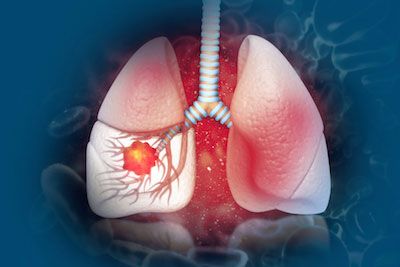
Lung cancer—the leading cause of cancer death in men and women worldwide at 1.80 million—is the second most diagnosed cancer in the United States, accounting for approximately a quarter of all cancer deaths. Divided into 2 primary types, non-small cell lung cancer (NSCLC) and small cell lung cancer (SCLC), NSCLC comprises nearly 84% of lung cancer, while SCLC constitutes about 13% of lung cancers in the U.S. each year. Although SCLC is less common, it is more aggressive and metastasizes rapidly to organs such as the liver, bones, adrenal glands, the lymph nodes, and the brain. Smoking tobacco is the leading cause for lung cancer, accounting for 90% of all SCLC diagnoses. Current treatments include chemotherapy, radiotherapy, immunotherapy, and surgery. With estimated new lung cancer cases of 235,760 and estimated deaths of 131,880 in 2021, it is imperative to find new ways to overcome treatment barriers in patients with lung cancer.

In early 2021, ACCC began facilitating patient- and provider-facing surveys that focus on creating awareness about the SCLC patient experience. These surveys, used to identify and better comprehend the gaps and potential disconnects in the patient/provider relationship in the treatment of SCLC, highlight opportunities to improve patient care. ACCC's Comprehensive Quality Care for Patients with Small Cell Lung Cancer initiative builds upon those survey findings to help dispel misconceptions and myths about SCLC and its treatment, promoting the use of guideline-concordant treatment plans, and identifying and uncovering the gaps, barriers, and challenges to deliver optimal care to patients with SCLC.

This multi-phased initiative's key learning objectives include:

  • Reinforcing the importance of early testing, diagnosis, and treatment for patients with SCLC.
  • Showcasing programs with successful community outreach campaigns to encourage patients to safely seek care during the COVID-19 pandemic.
  • Highlighting new standards of clinical care for patients with SCLC.
  • Promoting integration of new treatment options into providers’ workflow.
  • Demonstrating the importance of multidisciplinary care coordination in treating patients with SCLC.
  • Creating an SCLC Resource Library to promote accurate communication about diagnosis, treatment, and prevention for patients and cancer care team members.
  • Reinforcing and highlighting the importance of comprehensive cancer care services currently lacking for this underserved population.
  • Providing models for implementing comprehensive cancer care services that can be used to better support patients with SCLC by ACCC’s membership.

For more information on this project, please contact the ACCC Provider Education department.

Spotlights

ACCC examined best practices in the treatment of small cell lung cancer. The following cancer programs highlight best practices in specific areas of cancer care.

  • Advent Health Cancer Institute Waterman
  • Medical University of South Carolina
  • Corewell Health
  • Levine Cancer Institute
  • Dr. David M. Waterhouse
  • White Plains Hospital Cancer Program