Recognizing the critical role advanced practice providers and allied health professionals play in the care continuum, the American Oncology Network provides infrastructure, leadership, and professional growth opportunities to empower these members of the cancer care team to practice at the top of their license.
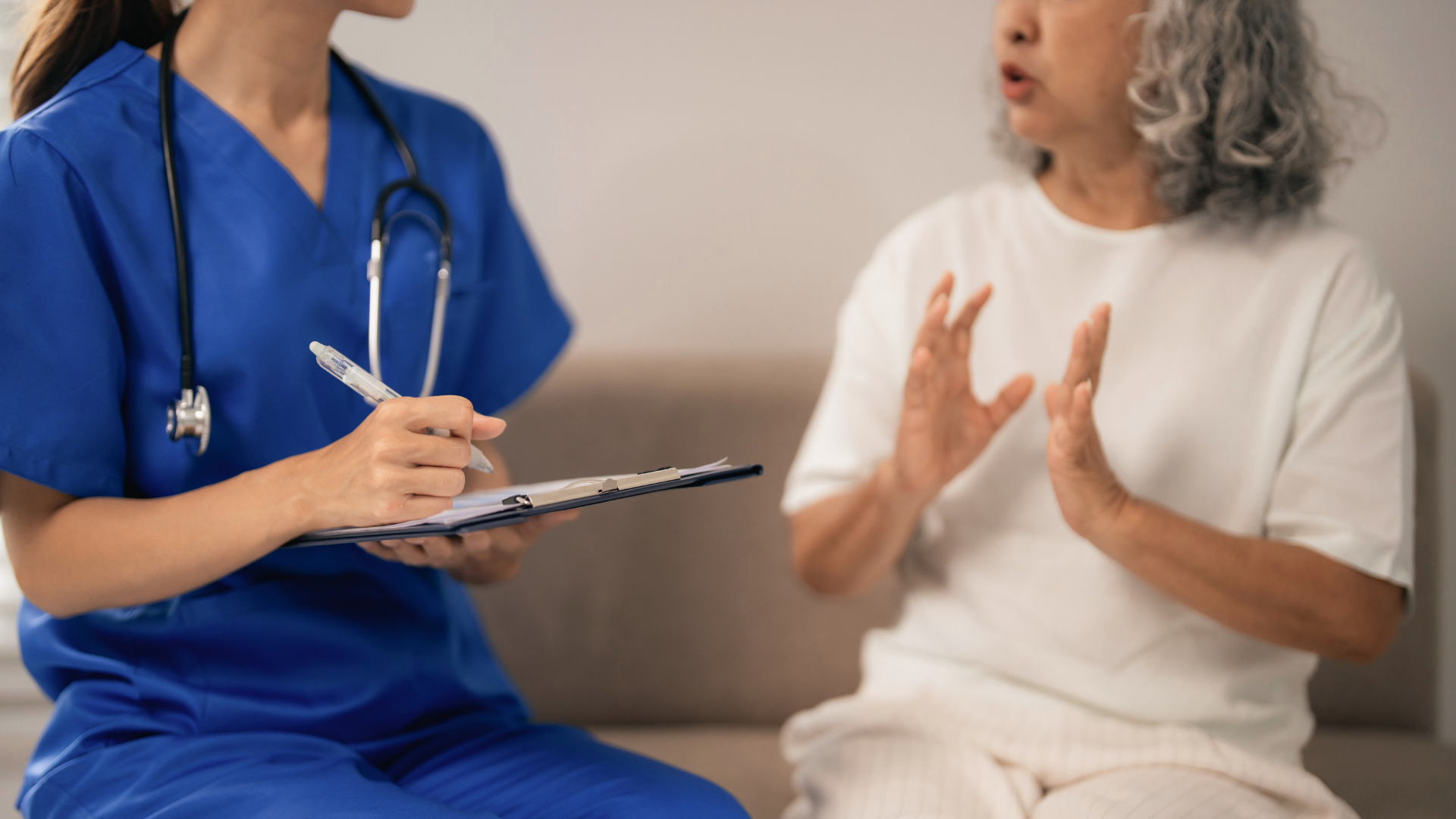
The American Oncology Network (AON) is a group of private community oncology practices that deliver care across 22 states. Physicians work closely with advanced practice providers (APPs) and allied health professionals (AHPs) to keep high-quality care close to home, enabled by support and investment from AON. The network provides infrastructure, leadership, and professional growth opportunities to empower APPs and AHPs to practice at the top of their license.
Impact
A vital part of AON’s work is empowering APPs and AHPs to take on leadership roles, both within the network and at their own institutions. AON’s annual clinical summit now includes APP-led education and in 2026 the number of APPs attending doubled. For AHPs, AON built documentation and technology infrastructure around principal illness navigation so that work is captured and reimbursed.
Katie Alexander, MSN, APRN-CNP, AOCNP, is one of the APPs who has stepped into a bigger role to support her colleagues. She practices at the Zangmeister Cancer Center in Ohio while also building leadership opportunities for AON’s nearly 200APPs through a monthly newsletter. Alexander serves as a resource for others across the network, such as helping another clinic standup a survivorship program.
Anne Marie Rainey, MSN, RN, CHC, CPHQ, FACCC, Director of Quality and Value-Based Care at AON, noted, “APPs and AHPs are some of the most valuable members of our team. They’re flexible and nimble, and a lot of the time they’re the ones making these programs run for our patients.” Rather than send patients elsewhere for services that are scarce or expensive, AON trains APPs to step up and deliver that care.
Across the network, APP-led teams have led the writing of the neutropenic and sepsis protocols and are working to open same-day slots to keep patients out of the emergency room. Further, the data generated from the work of APPs and AHPs supports AON’s commitment to publishing and disseminating the efforts of the network.
APPs and AHPs within AON’s network are championing programs that expand access to care for patients across the country. Mary Elizabeth Natividad, MSW, is the social worker for Hawaii Cancer Center’s three clinics located on two islands. Most of Natividad’s referrals come straight from physicians and nurse practitioners, but patients can also self-refer. A formal screening process assesses who might benefit from social work services. When a patient has a high distress score, they are routed to Natividad, and the medical assistants who administer the screening let patients know at that visit that she will be reaching out to them soon to provide support.
Providers will also pull Natividad into a visit when a patient is having a crisis, such as concerns about food, copays, or trouble at home, that would prevent medical care from moving forward. By meeting with the patient on the spot, Natividad can start addressing issues the same day and ease the patient's stress so the medical visit can proceed. When a provider flags an urgent need, but the patient cannot be reached by phone, the provider will let her know when the patient is in the infusion chair so she can drive to meet the patient face-to-face. For the clinic on the other island, she coordinates care remotely with the traveling team and a local non-profit.
Natividad also mentors master’s-level social work students through year-long placements. The students learn directly from an experienced AHP and expand the program’s capacity to support patients in Hawaii Cancer Center’s unique patient population.
Alexander, Rainey, and Natividad all expressed the importance and value of treating patients where they live and caring for them for the long haul. "We choose to work in community oncology. We are very proud of it, and we know we can give excellent care," said Alexander. Moving forward, AON is examining how to further extend the reach of APPs and AHPs through a centralized hub-and-spoke model. These professionals can expand access to palliative care, genetic counseling, and high-risk programs for practices that cannot staff these services on their own. The APPs and AHPs will help ensure that care stays close to home.
In partnership with


Made possible with support from




From challenging misconceptions about breast cancer to incorporating paramedical tattooing for survivors after reconstruction, gather valuable takeaways from Oncology Issues in observance of Breast Cancer Awareness Month.