
As precision medicine treatments for cancer continue to evolve and expand, ACCC is committed to providing our members with the latest information, resources, and programs to better assist their patients with critical care decisions.
Precision medicine is personalized medicine based on a patient’s genomics, lifestyle, and environment. These targeted therapies can include bispecific antibodies, biosimilar drugs, and immunotherapy. However, there are many factors to consider when determining which type of cancer treatment is the right choice for a patient and their family. For that reason, ACCC has launched a number of initiatives to ensure that our members have the latest resources to allow them to adapt and respond to any new or evolving treatments in cancer care.

In launching its new campaign, Transforming Complex To Clear, ACCC brought together expert panelists to discuss effective practices and offer tips to address current barriers to biomarker testing in the community setting.

Liquid biopsy, a genetic test that can eliminate some of the most serious potential drawbacks of traditional tissue biopsy, is gaining more traction in cancer care. But there remain significant barriers to its widespread use.

To help address the ongoing prevalence of colorectal cancer, ACCC is inviting its members to submit proposals for quality improvement initiatives in treating metastatic forms of this cancer.

Montana is one of the most rural states in the U.S., with nearly half of its population living in rural regions. Accordingly, accessing healthcare services can be difficult for Montana’s citizens, and gaining access to clinical trials is particularly challenging.

Recent advances in immuno-oncology (IO) therapies have led to rapid, effective treatments for subsets of patients with cancers that have proven resistant to conventional treatments.
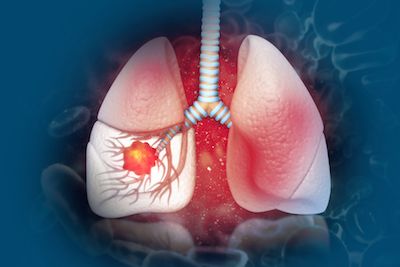
Growing knowledge of NSCLC subtypes and molecular biomarkers for this disease has led to changes in how NSCLC is diagnosed and staged.