Author(s):
Rachel Radwan
For many people who receive a cancer diagnosis and are considering treatment, large academic centers or universities generally come to mind first. And while many patients receive excellent care in these facilities, over 80% of all patients with cancer in the United States are treated at community cancer centers, whether due to convenience, preference, or practical limitations.1 As a result, these community programs have an arduous task: to provide access to high-quality cancer care and first-line treatments for those in their communities, often with fewer staff and resources.
The Holzer Center for Cancer Care in Gallipolis, Ohio, rises to meet this challenge daily and prides itself on bringing the latest technology and treatments to its patient population. To learn more about Holzer’s impact on its community and how its staff makes essential preventive and supportive care accessible, ACCC spoke with Shane Maliszewski, MBA, RHIA, CCS, CMPE, service line director.

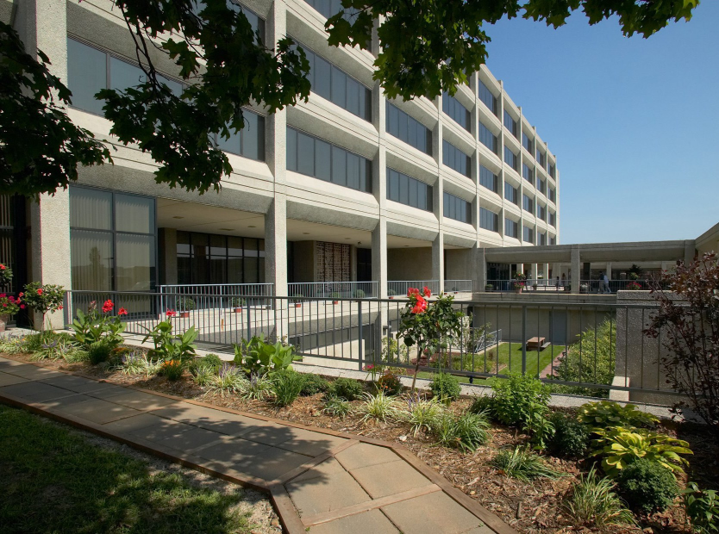
Holzer has offered high-quality cancer care to residents of southern Ohio and West Virginia for over 100 years and has been accredited by the Commission on Cancer since 1937. Its freestanding cancer center is located on Holzer Health System’s main campus in Gallipolis, but its geographic impact is wide, with a catchment area spanning 7 counties and a radius of coverage totaling more than 100 miles.
As is the case for many cancer centers that operate in the rural Appalachia region, a major barrier to care for many in Holzer’s patient population is limited income, which bleeds into additional social drivers of health such as transportation and childcare needs. In addition, Maliszewski acknowledged that low health literacy among some patients leads to low screening rates and more late-stage diagnoses. With both cancer incidence and mortality rates highest in southern Ohio compared to the rest of the state, Holzer is on the front lines of treating the patients most in need of timely, effective care.2
To fulfill this need, Holzer offers low-cost screening for underserved communities in its catchment area, and promotes this service at community gathering points such as the local senior center, health fairs, and annual county fairs. In recent years, recognizing the preferences of its community, Holzer began offering multisite cancer screenings for head and neck, breast, colorectal, lung, and other cancers, rather than single-site screenings, as staff quickly realized many people preferred to be screened for as many cancers in one day as possible. Representatives from general surgery, dermatology, and other specialties take part in these events, allowing for more efficient screening and helping patients become acquainted with local staff.
Another well-attended annual event is Holzer’s survivorship clinic held each September, where hospital staff cook lunch and provide fellowship to patients and families. Pairing screening and supportive care services with beloved community events has been key to Holzer’s strategy to promote health literacy and awareness of the support available to patients and caregivers.
Due to its location in an agricultural area, Holzer has also collaborated with farm bureaus in different counties to present at their meetings. Staff have discussed the most salient cancer risks for farmers, such as the importance of sun protection and avoiding exposure to certain herbicides and pesticides.

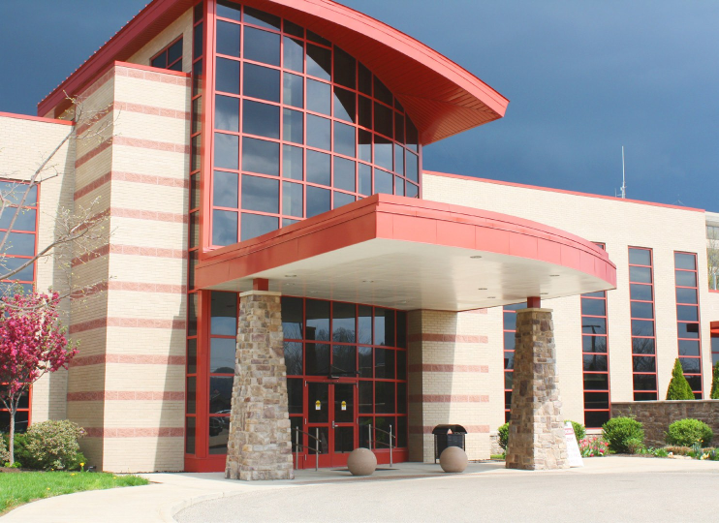
As part of its mission to deliver the best care to its community, Holzer sought out an affiliation with the Cleveland Clinic—a top-ranked hospital in Ohio and nationally—in 2022. This partnership has been key in raising public awareness of the quality care available right in Holzer’s community, increasing the center’s capture rate, and offering more valuable resources close to home. Providers at Holzer are also able to participate in educational programming, have curbside consults with specialists, and present cases at tumor boards.
On the patient side, this affiliation translates into expedited referrals, access to second opinions from a multidisciplinary team of experts, greater access to highly specialized cancer treatments and surgeries, virtual genetic counseling appointments, and streamlined access to clinical trials and research opportunities at Cleveland Clinic. A key outcome of this partnership is the ability to refer patients to Cleveland once for a surgery, then allow them to receive the remainder of their treatment at home. While the 4-hour drive to Cleveland each way can present an inconvenience, receiving the bulk of their treatment nearby at Holzer is a major benefit to total time of treatment.

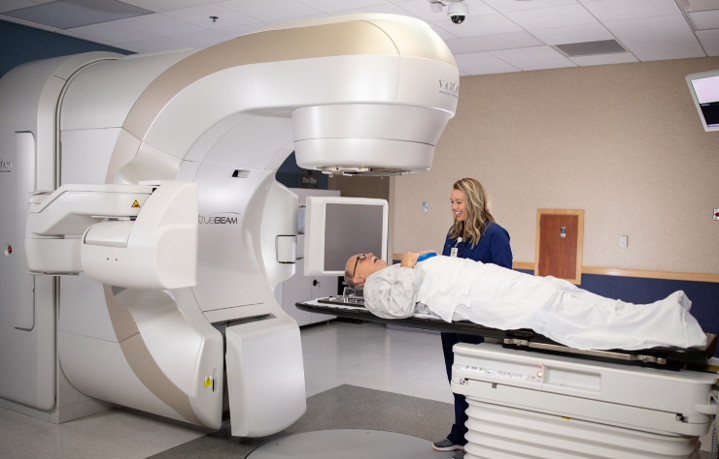
Of note, Holzer prioritizes keeping up-to-date with the latest radiation technology, which is typically available only at larger academic institutions. The center uses the TrueBeam linear accelerator and a new CT simulator. “Whenever there’s an opportunity to upgrade our equipment, we are first in line to evaluate the opportunity for our community,” commented Maliszewski. “We’re always looking at new technology to implement to operate at the same caliber as academic centers.”
This commitment to staying current with radiation technology has proven significantly beneficial in avoiding surgery—and consequently, the long drive to Cleveland—in some cases, affording patients the ease of being fully treated close to home.

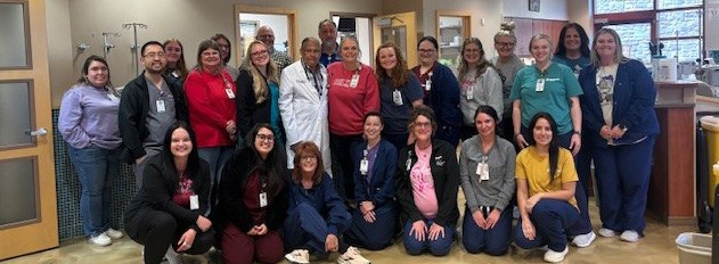
Beyond Holzer’s clinical and operational achievements, its impact on the community imparts an enduring legacy for patients and their families. “We receive patient testimonials regularly about how they love the care they receive here because the staff are so caring,” said Maliszewski. “I think that’s what really sets community centers apart: We want to do the best we can because we know our patients. They’re our friends, our neighbors.”
The value of having trustworthy, effective cancer care close to home is incalculable, and Holzer remains steadfast in its mission to continually seek new ways to make its community healthier and keep patients at the center of everything it does.


Rachel Radwan is associate editor of Oncology Issues and manager of Editorial Content and Strategy for the Association of Cancer Care Centers in Rockville, Maryland.
1. Tucker TC, Charlton ME, Schroeder MC, et al. Improving the quality of cancer care in community hospitals. Ann Surg Oncol. 2021;28(2):632-638. doi:10.1245/s10434-020-08867-y
2. Vinton County Cancer Profile 2025. Ohio Department of Health. Accessed May 18, 2025. https://odh.ohio.gov/…/Vinton+County+Cancer+Profile+2025.pdf




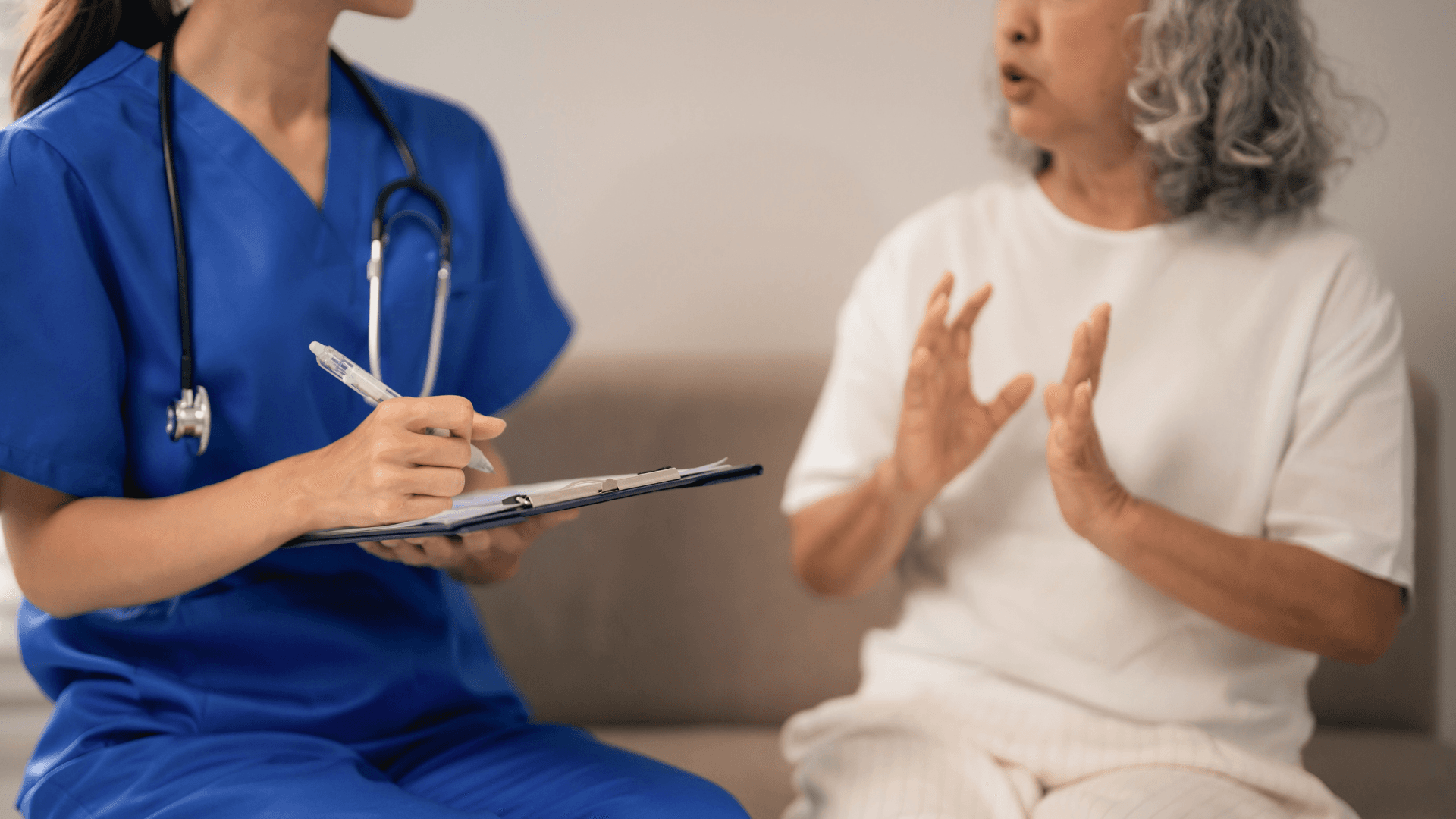
Recognizing the critical role advanced practice providers and allied health professionals play in the care continuum, the American Oncology Network provides infrastructure, leadership, and professional growth opportunities to empower these members of the cancer care team to practice at the top of their license.