From Diagnosis to Survivorship: Understanding AML and CLL From End to End
In recognition of Leukemia and Lymphoma Awareness Month, ACCC compiled a group of resources to help care teams navigate two of the most commonly diagnosed adult leukemias: acute myeloid leukemia and chronic lymphocytic leukemia.
ACCC’s Comments on the 2026 CMS Interim Final Rule
On June 1, 2026, CMS published its interim final rule (IFR), Medicaid Program; Community Engagement Requirement for Certain Individuals in the Federal Register, followed by a public comment period, during which time ACCC submitted a comment letter requesting amendments to the IFR.
Transforming Access to Care Through Pre-Intake Navigation
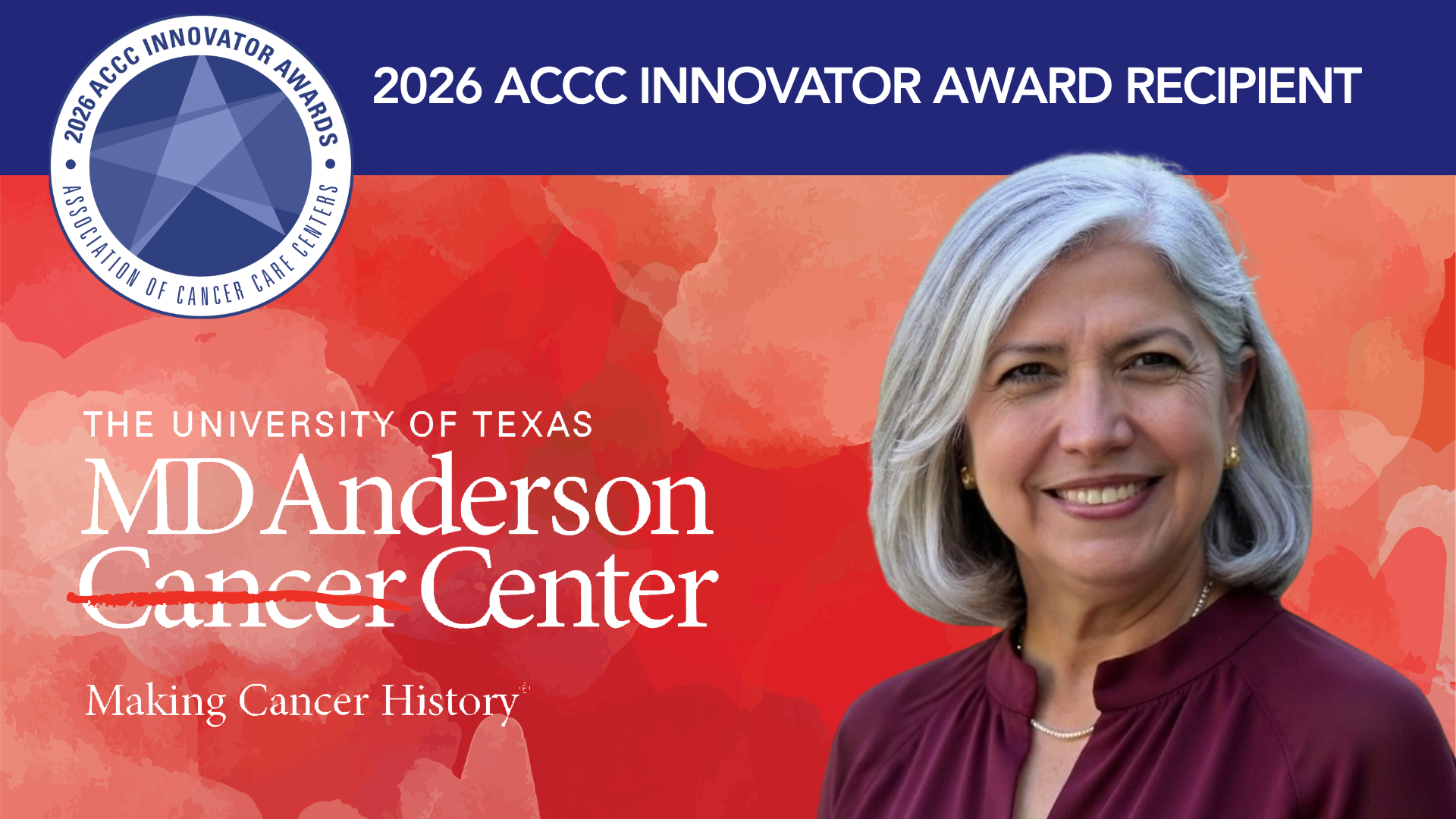
The University of Texas MD Anderson Cancer Center in Houston, Texas, developed a novel Pre-Intake Navigation (PIN) program, which identifies and resolves early financial and insurance barriers, enabling patients to access timely, high-quality cancer care with less anxiety and fewer delays. PIN shifts financial navigation from a late-stage, reactive task to an early, standardized, patient‑centered process embedded in the call center workflow.
An APP-Led Outpatient Bispecific Antibody Clinic
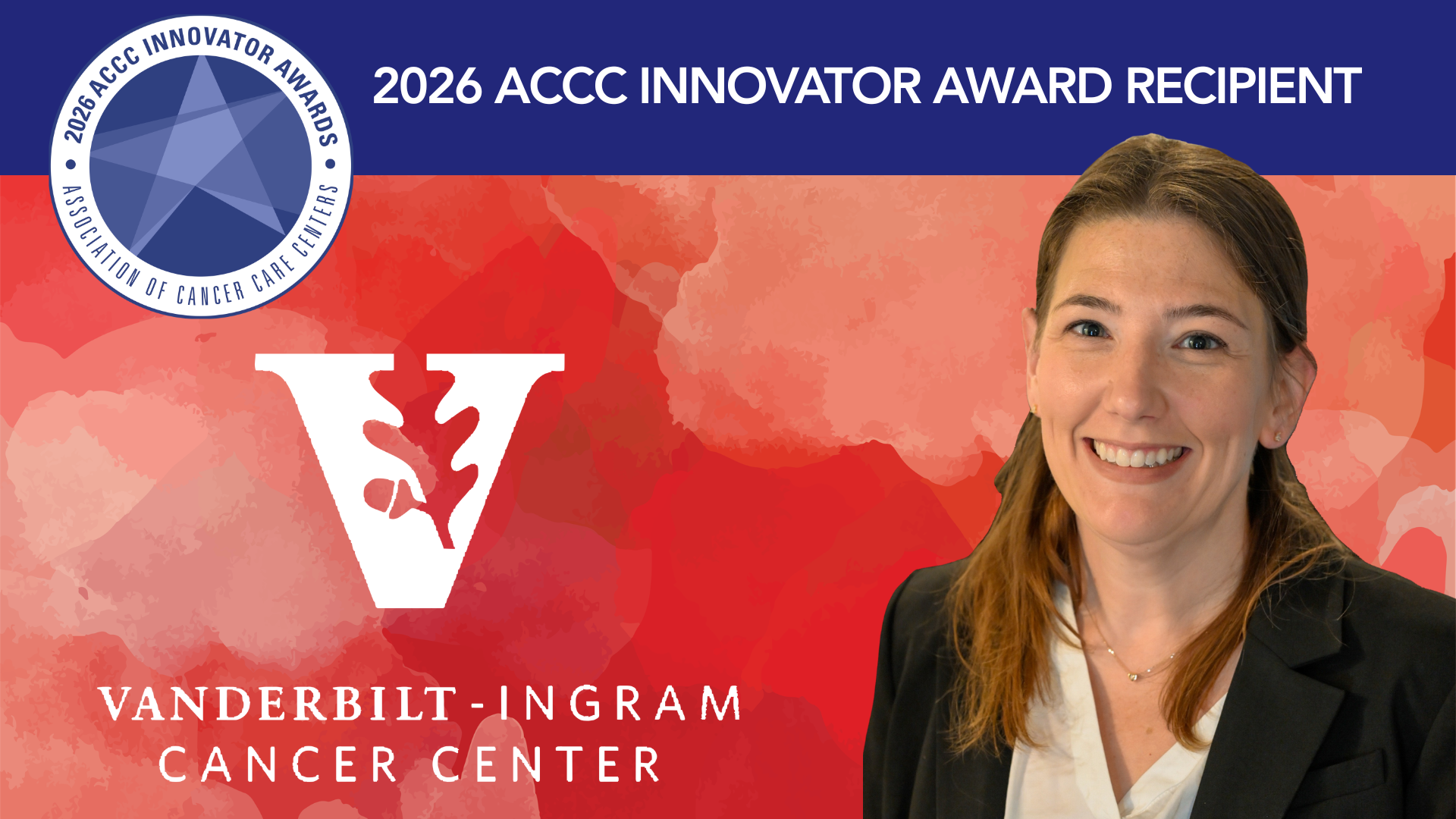
Understanding both the benefits to be had from offering BsAb therapy to its community and the scope of this undertaking, Vanderbilt-Ingram Cancer Center took a novel approach with its APP-led BsAb step-up dosing clinic, which won the program a 2026 ACCC Innovator Award.
Advancing Critical Priorities at the State Level: Louisiana, Iowa, and Washington Awarded for Their Efforts at 2026 ASCO Annual Meeting
At the 2026 ASCO Annual Meeting, the Louisiana Oncology Society received the ASCO Jeffrey C Ward Affiliate Advocacy Award for advancing critical advocacy priorities that have translated into meaningful legislative victories. The Iowa Oncology Society and Washington State Medical Oncology Society were also recognized for their advocacy efforts in 2025 at the meeting, receiving second place awards.
Designing a Safe, Fully Outpatient CAR T-Cell Program in the Community
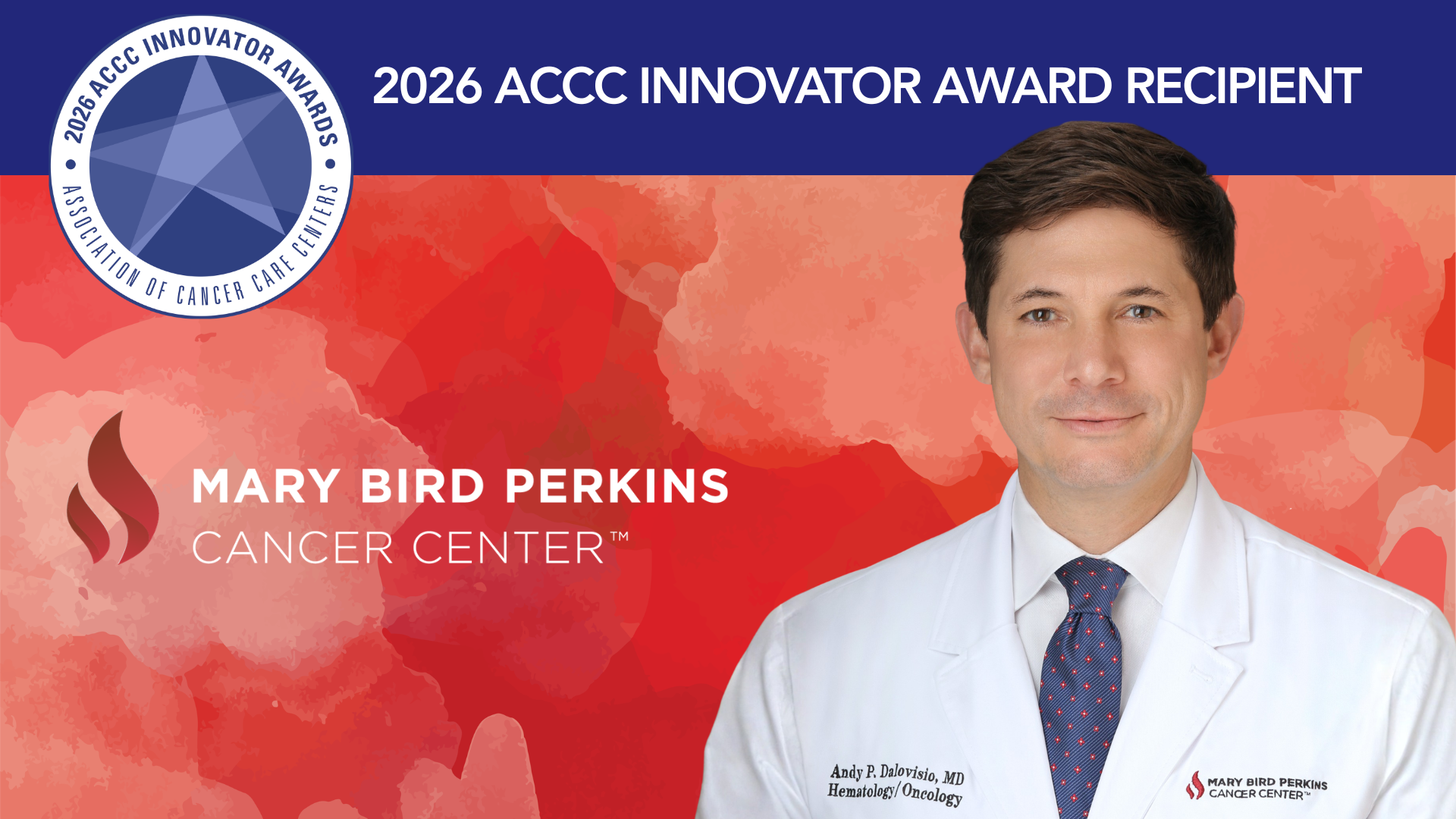
Nationally, approximately 1 in 5 patients who qualify for CAR T-cell therapy never receive it due to geographic distance, travel burden, or limited availability at specialized inpatient centers. Recognizing a critical need in its community, Mary Bird Perkins Cancer Center in Baton Rouge, Louisiana, launched the region’s first fully outpatient CAR T-cell therapy program for select blood cancers, fundamentally redefining how advanced cellular therapies can be delivered safely outside of a hospital setting and earning the program a 2026 ACCC Innovator Award.
Local Staff, Lasting Impact: A New Model for Rural Cancer Prevention
To better reach its patients living in rural communities throughout Georgia with targeted interventions, 2026 ACCC Innovator Award winner Winship Cancer Institute developed an Embedded Community Staff model, which leverages the experiential knowledge of local community members.
A Pharmacist-Led Strategy to Improve Care With Oncolytic Virus Treatments
2026 ACCC Innovator Award Winner UNC Lineberger Comprehensive Cancer Center noticed a common pain point among patients who received oncolytic virus treatment for advanced melanoma: time spent in appointments. To minimize the need for multiple lengthy appointments, the center developed a pharmacist-led strategy that utilized virtual visits and premixing doses prior to in-person visits.
Transforming Oncology Authorization Through Clinical and Revenue Cycle Collaboration
2026 ACCC Innovator Award Winner St. Luke's Cancer Institute noticed a significant administrative burden being placed on providers to review medical necessity validation for complex oncology therapies. To address the resulting rise in peer-to-peer requirements, delays in care, and pre-service denials, the team designed and implemented a new Clinical Documentation Integrity Registered Nurse role.
Holzer Center for Cancer Care, Gallipolis, Ohio
Rachel Radwan
Turning Innovation Into Access: A Conversation With ACCC’s Executive Director
In her recent appearance on Sanofi’s Patient Advocacy Voices podcast, ACCC Executive Director Meagan O’Neill discusses the operational gaps that delay access to cancer care, structural barriers that impact patient outcomes, and ACCC’s mission to supply a “how to” approach in bringing breakthrough science to cancer programs in the form of practical solutions.
Partnering to Deliver Targeted Treatment: Fox Chase Cancer Center and Omniscope
ACCCBuzz spoke with Fox Chase Cancer Center to learn more about its partnership with Omniscope, a leader in advanced molecular profiling technology, in hopes of developing an assay that accurately predicts which patients will respond well to immunotherapy based on the presence of certain T-cell clones.
Developing Clinical Insight, Professional Competencies, and Strategic Awareness: NCCN 2026 Annual Conference
On day 1 of the NCCN 2026 Annual Conference, attendees heard from experts on the unique issues young adults with cancer face during and post-treatment, advances in treating gastrointestinal cancers, evolving therapies in skin cancers, and novel approaches to treating blood cancers.
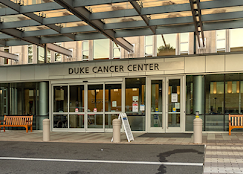
Confronting a Lethal Cancer: Duke Launches Multidisciplinary Pancreatic Cancer Center for Earlier Detection and Better Outcomes
In an effort to improve outcomes and deliver the highest quality of care to patients with pancreatic cancer, Duke Cancer Institute launched a multidisciplinary Pancreatic Cancer Center that prioritizes thorough surveillance of high-risk patients, stays at the forefront of clinical trials, and considers the role of comorbidities.
From Hospital to Home: A Solution for Proactive Symptom Monitoring and Precise Care
Electronic patient-reported outcomes (ePROs) can address limited visibility into patients' health and well-being between visits. Yet, many solutions remain generic in their workflows and mainly help capture adverse events, without helping care teams proactively manage or prevent them from worsening. Cureety offers a new kind of ePRO solution, specialized in oncology and designed to make care better quality, more efficient, and more proactive for all patients.
Rare but Real: Lessons From Providers Treating BPDCN and MCL
Patients with rare diseases and their families often feel isolated and overlooked, with many medical questions left unanswered and few people who can empathize with their condition. Rare Disease Day is observed globally each year to bring awareness for diseases and the people behind them by promoting the challenges these rare medical journeys pose for patients and caregivers.
Turning Action Into Outcomes: Highlights From the ACCC 2025 Impact Report
For 52 years, the ACCC has pursued its mission to provide resources, forums, and opportunities to promote the delivery of high-quality, equitable cancer care. Learn more about the work of ACCC over the past year in the full 2025 Impact Report.
When Prevention Isn’t Enough: Bridging Cervical Cancer Screening Gaps in Appalachia
This January, ACCC invites its membership to take part in promoting cervical cancer awareness by sharing resources and research about the importance of the HPV vaccine and regular screening, to work towards a future free of cervical cancer.
New Collaboration Between American Cancer Society and Brain Tumor Network Connects Patients With Brain Tumors to Free, Specialized Support
To broaden access to the specialized support and navigation that patients with primary brain tumors need, the Brain Tumor Network partnered with the American Cancer Society.
Introducing Oncology Unscripted
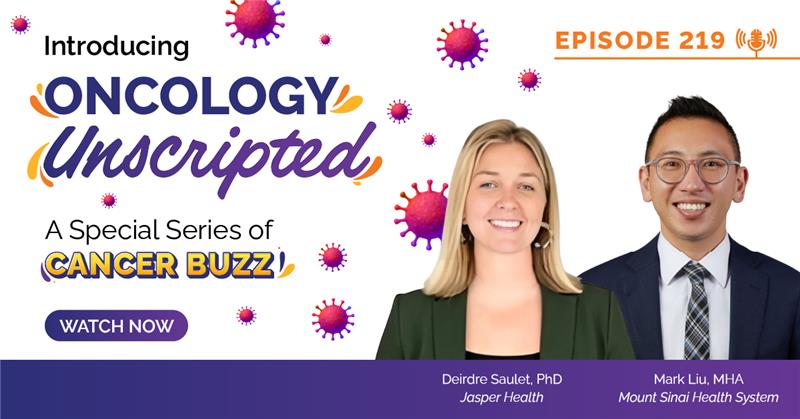
Introducing Oncology Unscripted, ACCC’s new CANCER BUZZ podcast, which offers unfiltered, honest dialogue about the future of cancer care delivery and fresh perspectives on how oncology professionals can think bigger, lead smarter, and act bolder.
Service, Sacrifice, and Survival: Advancing Cancer Care for America’s Heroes
In honor of the great sacrifice of Veterans and first responders and in pursuit of improving awareness, health literacy, and availability of assistance programs, the NCCN hosted a patient advocacy summit on December 9, 2025, in the nation’s capital.
Heart and Healing: Embedding Pharmacists in Cardio-Oncology Clinics
The Unsung Heroes of Cancer Care: Recognizing National Oncology Navigator Day
In honor of National Oncology Navigator Day, ACCC is pleased to share several initiatives from cancer programs across the country who are leveraging navigators in creative and successful ways.
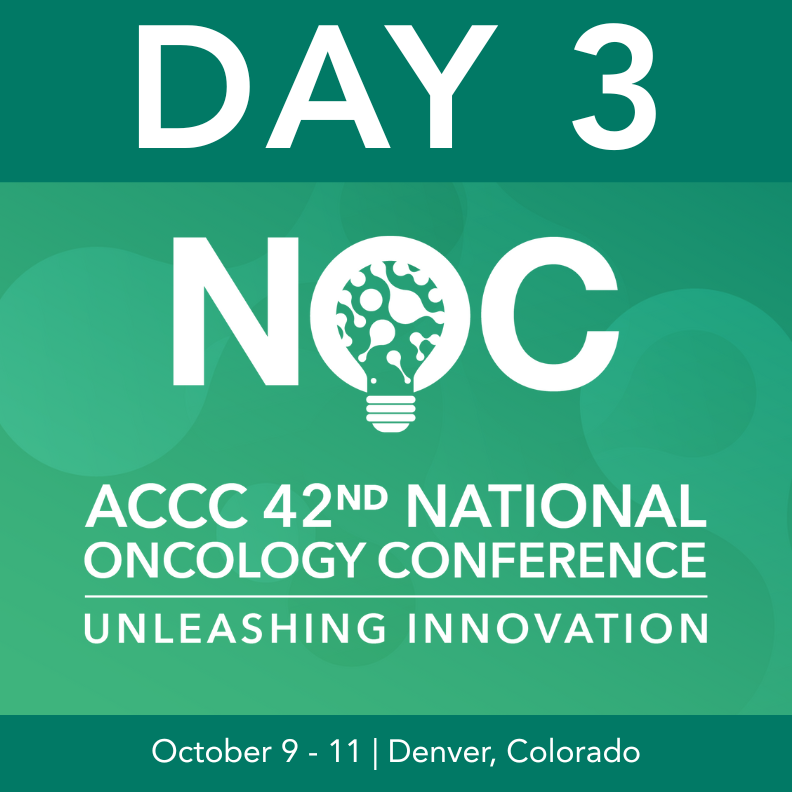
#ACCCNOC: Insights on Dyad Leadership Models, Bridging Primary Care and Oncology, and Solutions in Rural Oncology
The final day of the 42nd National Oncology Conference featured panels that brought together leaders and innovators to discuss clinical and administrative priorities, coordinating with primary care, and challenges in rural and remote communities.