ACCC association of cancer care centers
Join/Renew
Login
Join/Renew
Login
Education & Resources
ACCC eXchange LogInSponsored Education from ACCC Corporate PartnersACCC eLearning LogInPresentations & Abstracts
Publications
Oncology IssuesPatient Assistance & Reimbursement GuideTrending Now in Cancer CareBusiness Case Studies for Hiring New Staff
Events
2026 ACCC Leadership SummitAnnual Meeting & Cancer Center Business SummitCapitol Hill DayNational Oncology ConferenceOncology Reimbursement MeetingsOncology State Society Meetings
Policy & Advocacy
ACCC 2026 Policy PrioritiesLetters & StatementsAccess, Payment & Reimbursement ReformWhite Bagging & Brown BaggingAdvocacy ResourcesCancer Moonshot
Membership
Join | RenewWho We AreMembership Types & BenefitsCorporate MembersACCC Member Portal FAQMember Directory
Partners
Oncology State SocietiesPartner Organizations
News
News ReleasesAdvocacy News ReleasesOncology News
About ACCC
Timeline / 50th Anniversary2025 Impact ReportPresident's ThemeACCC Innovator AwardsACCC FellowsBoard of TrusteesACCC Senior Staff
Breast CancerMetastatic Breast Cancer
Gastrointestinal CancerBiliary Tract CancerColorectal CancerGastric CancerLiver Cancer
Genitourinary CancerBladder CancerProstate CancerRenal Cell Carcinoma
Gynecologic Cancer
Head & Neck Cancer
Hematologic MalignanciesAcute Lymphocytic Leukemia (ALL)Acute Myeloid Leukemia (AML)Chronic Lymphocytic Leukemia (CLL)Mantle Cell Lymphoma (MCL)Multiple Myeloma (MM)Myelodysplastic Syndromes (MDS)
Lung CancerNon-Small Cell Lung Cancer (NSCLC)Small Cell Lung Cancer (SCLC)
Sarcoma
Skin CancerMelanomaNon-Melanoma Skin Cancers (NMSC)
Clinical Practice & TreatmentCancer DiagnosticsCare CoordinationEHR Integration for Biomarker TestingQuality Improvement Collaboration: Integration of Precision Medicine in Community OncologyTreatment
Financial NavigationFAN Boot CampFinancial Advocacy Network (FAN) Resource LibraryPatient Assistance & Reimbursement GuidePrior Authorization
Health Equity & Access3, 2, 1, Go! Practical Solutions for Addressing Cancer Care DisparitiesAppalachian Community Cancer AllianceOncology Advanced PractitionersPersonalizing Care for Patients of All BackgroundsSocial Drivers of Health
Patient-Centered CareAddressing Care Disparities for VeteransAdolescent and Young Adult (AYA)Care Action Plans for People with CancerDermatologic ToxicitiesEmpowering CaregiversGeriatric OncologyHealth LiteracyNutritionOncology PharmacyPatient NavigationPsychosocial Care in OncologyShared Decision-MakingSupportive CareSurvivorship Care
Practice Management & OperationsCancer Program FundamentalsLeadership Sustainment and Engagement VideosOncology Practice Transformation and Integration CenterOncology Team Resiliency
ResearchACCC Community Oncology Research Institute (ACORI)
Technology & InnovationTelehealth & Digital Medicine
ACCCBuzz Blog
CANCER BUZZ Podcast
Oncology Issues
Join/Renew
Login
Breast CancerMetastatic Breast Cancer
Gastrointestinal CancerBiliary Tract CancerColorectal CancerGastric CancerLiver Cancer
Genitourinary CancerBladder CancerProstate CancerRenal Cell Carcinoma
Gynecologic Cancer
Head & Neck Cancer
Hematologic MalignanciesAcute Lymphocytic Leukemia (ALL)Acute Myeloid Leukemia (AML)Chronic Lymphocytic Leukemia (CLL)Mantle Cell Lymphoma (MCL)Multiple Myeloma (MM)Myelodysplastic Syndromes (MDS)
Lung CancerNon-Small Cell Lung Cancer (NSCLC)Small Cell Lung Cancer (SCLC)
Sarcoma
Skin CancerMelanomaNon-Melanoma Skin Cancers (NMSC)
Clinical Practice & TreatmentCancer DiagnosticsCare CoordinationEHR Integration for Biomarker TestingQuality Improvement Collaboration: Integration of Precision Medicine in Community OncologyTreatment
Financial NavigationFAN Boot CampFinancial Advocacy Network (FAN) Resource LibraryPatient Assistance & Reimbursement GuidePrior Authorization
Health Equity & Access3, 2, 1, Go! Practical Solutions for Addressing Cancer Care DisparitiesAppalachian Community Cancer AllianceOncology Advanced PractitionersPersonalizing Care for Patients of All BackgroundsSocial Drivers of Health
Patient-Centered CareAddressing Care Disparities for VeteransAdolescent and Young Adult (AYA)Care Action Plans for People with CancerDermatologic ToxicitiesEmpowering CaregiversGeriatric OncologyHealth LiteracyNutritionOncology PharmacyPatient NavigationPsychosocial Care in OncologyShared Decision-MakingSupportive CareSurvivorship Care
Practice Management & OperationsCancer Program FundamentalsLeadership Sustainment and Engagement VideosOncology Practice Transformation and Integration CenterOncology Team Resiliency
ResearchACCC Community Oncology Research Institute (ACORI)
Technology & InnovationTelehealth & Digital Medicine
ACCCBuzz Blog
CANCER BUZZ Podcast
Oncology Issues
    • Education & Resources
    • Publications
    • Events
    • Policy & Advocacy
    • Membership
    • Partners
    • News
    • About ACCC
ACCC association of cancer care centers
5425 Wisconsin Ave #600, Chevy Chase, MD 20815
Tel: 301.984.9496 Email Us
Contact UsVolunteers
Advertise
Career Center
Terms and Conditions
Privacy Policy
ACCC Rebranding
Copyright © 2026 Association of Cancer Care Centers. All Rights Reserved.
HomeACCCBuzz Blog

Clear Pathways to Care: APPs and AHPs Expanding Access at the Wilmot Cancer Institute’s Breast Care Program

October 28, 2026

By championing and encouraging advanced practice providers and allied health professionals to work at the top of their licenses, Wilmot Cancer Institute offers comprehensive care close to home through its breast care program that vastly improves the patient experience.

Clear Pathways to Care: APPs and AHPs Expanding Access at the Wilmot Cancer Institute’s Breast Care Program

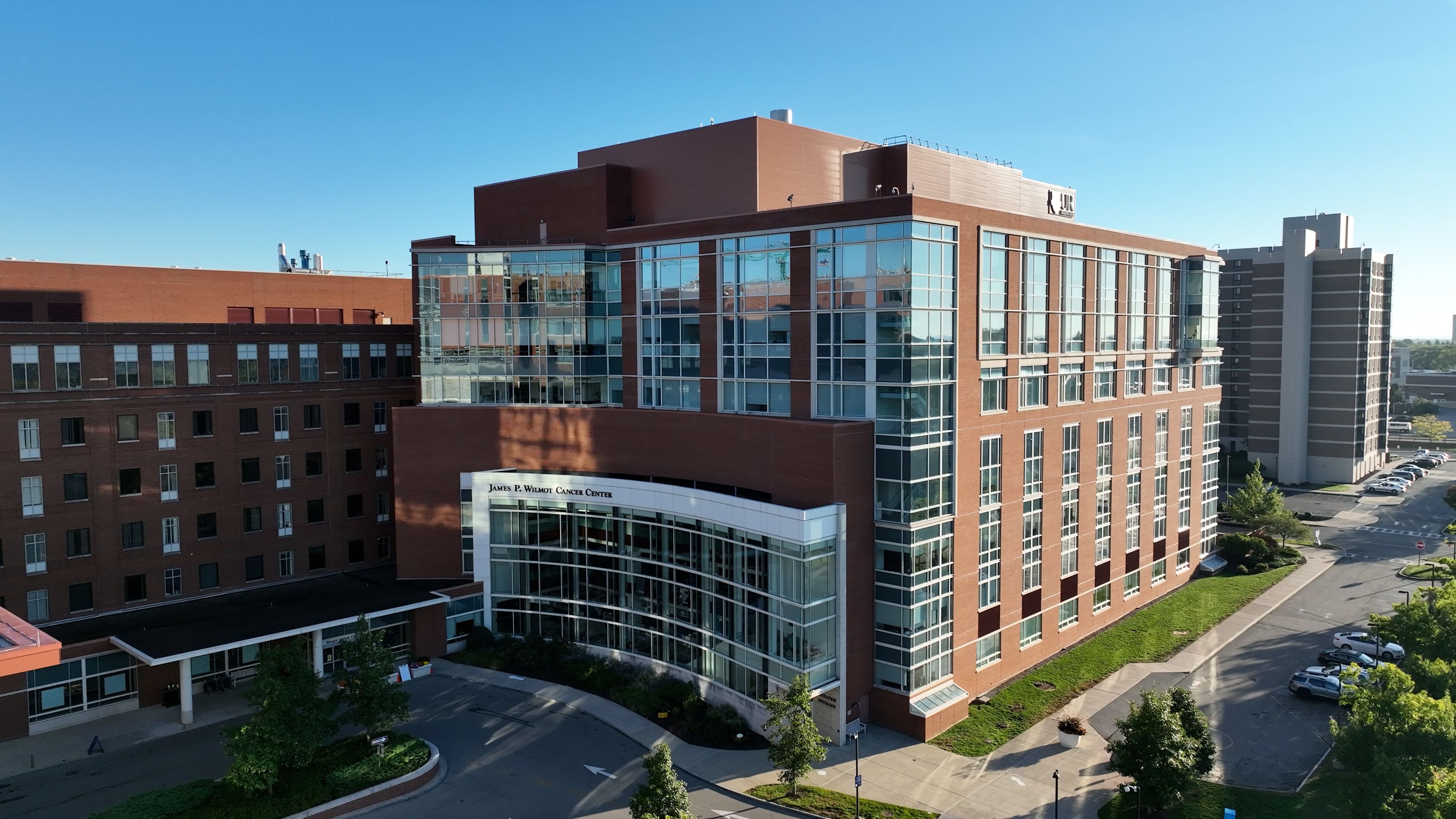
The Pluta Comprehensive Breast Care Program at Wilmot Cancer Institute (WCI) in Rochester, New York, supports advanced practice providers (APPs) and allied health professionals (AHPs) in working at the top of their licenses. APP-run clinics create clear pathways to care and bring services in-house that used to require an outside referral. By championing these professionals, WCI is offering comprehensive care close to home and thus improving the patient experience.

Impact:

  • APP-run clinics open physician schedules for higher-acuity disease.
  • E-consults bring APP specialist input to community providers without requiring patients to travel. 
  • A sexual wellness clinic supports patients across every cancer service line.
  • Social work services are offered from diagnosis through survivorship, meeting the social, emotional, and practical needs of patients during and beyond treatment.

Breast Health Program

Crystal Regis, NP, is Lead APP for the breast surgical group and Clinical Lead of the Breast Health Program, which provides care to patients with benign and undiagnosed disease, patients with known or perceived risk, and patients with noninvasive breast cancer who need surgical follow-up. Many of her patients never see a physician in the breast program, opening those colleagues’ schedules for more complex cases. From first history through diagnosis, imaging, and management, “These are my patients,” Regis says, although she can always pull in a physician colleague for an additional consult, if needed.

Before the APP-run Breast Health Program, these patients had no clear home. They would be referred to the breast surgical group, but the group had limited capacity to care for them. Now, gynecology, primary care, and lactation medicine refer straight to Regis. She also offers e-consults, giving community providers access to her opinion on abnormal imaging results without requiring patients to travel.

WCI’s investment in leadership and professional growth has enabled APPs and AHPs to take on a bigger role. The institution supports and encourages continuing education by providing access to or funding for internal training, professional memberships, outside courses, and certifications. APPs and AHPs also serve on multidisciplinary quality, ethics, and research committees, extending their role beyond the clinic and into how care is shaped in the system.

Care Beyond the Basics

In addition to breast health, APPs and AHPs play an active role in supporting patient well-being. For example, a sexual wellness clinic was established within the breast survivorship group and has since expanded to accept referrals from all cancer service lines. Carli Kotula, PA-C, who co-leads the clinic, says, “Providers are more likely to ask patients about these issues knowing they have someone on the team who can address them.” Kotula further describes what the clinic has meant to patients: “A lot of these patients come in telling us that they felt like they had nowhere to go, and these are often very emotional, really difficult issues for them. It has been really rewarding to be able to expand and provide this much-needed service.”

Audrey Lawrence, LMSW, is one of two social workers in the Breast Health Program. She sees patients from diagnosis through survivorship, supporting their mental health needs. This includes connecting patients to resources, supporting communication with employers, addressing financial distress, and assisting with health insurance navigation. All patients are screened for distress at the first visit and every six months. They are referred to a social worker automatically if they score above a certain threshold. Nurse navigators, APPs, and medical oncologists also refer patients based on preclinic huddles, which Lawrence is part of, or on conversations that providers have with patients during visits. Laura Eckert-Davis, NP, Lead APP for the breast medical oncology group, describes how this works in practice: “I recently had a patient share something during clinic, so I shot Audrey a message, and it’s just that simple.”

At the end of active treatment, patients with breast cancer move to the APP-run survivorship clinic. Alissa Huston, MD, Professor of Medicine and Co-director of the Breast Survivorship Program, frames this move to patients as “graduating.” Patients meet the survivorship team during the handoff from medical oncology, so when they attend their first survivorship appointment, they see a familiar face. Both Dr. Huston and Eckert-Davis stress that this handoff is shaped by clear workflows and that they work as a team, which means patients receive cohesive care.

Improved Access and Experience

All of the providers credit the model’s success to buy-in across the team and backing from leadership. APPs and AHPs feel supported in working to the full scope of their license and patients receive the benefit of well-administered, compassionate care. When Huston has a patient or family member who has concerns, she is able to confidently say, “I’ve got a person for you, I’ve got a place for you.”

Explore additional resources on care coordination at accc-cancer.org/care-coordination.

Acknowledgments

This program is made possible with support from Lilly.

In partnership with the Advanced Practitioner Society for Hematology and Oncology and Association of Oncology Social Work.

Related Content

#ACCCNOC: Care Between Visits, Removing Financial Barriers, and Policy Initiatives ACCCBuzz Blog

#ACCCNOC: Care Between Visits, Removing Financial Barriers, and Policy Initiatives

Gabrielle Stearns

October 26, 2026

#ACCCNOC: Igniting Innovation, Operationalizing CAR T and Bispecifics, and Whole-Person Support ACCCBuzz Blog

#ACCCNOC: Igniting Innovation, Operationalizing CAR T and Bispecifics, and Whole-Person Support

Rachel Radwan

October 23, 2026

Upcoming Events

ACCC Oncology Reimbursement Meeting | Reno

ACCC Oncology Reimbursement Meeting | Reno

In Person November 4, 2026 at 8:00 AM PST255 North Virginia Street, Reno, NV, USAWhitney Peak Hotel Reno, Tapestry Collection by Hilton,
Register Now!
ACCC Oncology Reimbursement Meeting | Providence

ACCC Oncology Reimbursement Meeting | Providence

In Person November 10, 2026 at 8:00 AM EST5 Avenue of the Arts, Providence, RI, USARenaissance Providence Downtown Hotel,
Register Now!
Advertisement
Advertisement

Trending Now on
ACCCBuzz Blog

Clear Pathways to Care: APPs and AHPs Expanding Access at the Wilmot Cancer Institute’s Breast Care Program

Clear Pathways to Care: APPs and AHPs Expanding Access at the Wilmot Cancer Institute’s Breast Care Program

By championing and encouraging advanced practice providers and allied health professionals to work at the top of their licenses, Wilmot Cancer Institute offers comprehensive care close to home through its breast care program that vastly improves the patient experience.

#ACCCNOC: Care Between Visits, Removing Financial Barriers, and Policy Initiatives

#ACCCNOC: Care Between Visits, Removing Financial Barriers, and Policy Initiatives

On the final day of the 43rd National Oncology Conference, a series of interactive panel discussions explored innovative strategies for remote patient monitoring across the globe, improving quality and safety amidst complex treatments, financial challenges in precision medicine and clinical trials, and more.

#ACCCNOC: The Psychosocial Oncology Professionals Symposium, the ACCC Presidential Address, and the 2026 ACCC Innovators ACCCBuzz Blog

#ACCCNOC: The Psychosocial Oncology Professionals Symposium, the ACCC Presidential Address, and the 2026 ACCC Innovators

Jenna Pierson

October 22, 2026

Highlights From Volume 41, Number 5 Oncology IssuesACCCBuzz Blog

Highlights From Volume 41, Number 5 Oncology Issues

Jenna Pierson

October 19, 2026

Barriers, Best Practices, and Policy Solutions: NCCN Cancer Screening and Prevention SummitACCCBuzz Blog

Barriers, Best Practices, and Policy Solutions: NCCN Cancer Screening and Prevention Summit

Rachel Radwan; Jenna Pierson

October 16, 2026

NCCN Policy Summit: Strategies to Shift the Paradigm in Cancer Screening and PreventionACCCBuzz Blog

NCCN Policy Summit: Strategies to Shift the Paradigm in Cancer Screening and Prevention

Rachel Radwan

October 16, 2026

Care Close to Home: How APPs and AHPs Improve Care Across the American Oncology NetworkACCCBuzz Blog

Care Close to Home: How APPs and AHPs Improve Care Across the American Oncology Network

October 15, 2026

Bringing Tumor Treating Fields to Practice: Lessons From Three Cancer ProgramsACCCBuzz Blog

Bringing Tumor Treating Fields to Practice: Lessons From Three Cancer Programs

Stephen Willis, PhD

October 14, 2026

#ACCCNOC: Igniting Innovation, Operationalizing CAR T and Bispecifics, and Whole-Person Support

#ACCCNOC: Igniting Innovation, Operationalizing CAR T and Bispecifics, and Whole-Person Support

Day two of the 43rd National Oncology Conference featured lively panel discussions on operationalizing CAR T-cell therapy and bispecific antibodies, building sustainable supportive care services, expanding access amid rising patient volumes, as well as presentations from the six 2026 ACCC Innovator Award Winners.

#ACCCNOC: The Psychosocial Oncology Professionals Symposium, the ACCC Presidential Address, and the 2026 ACCC Innovators

#ACCCNOC: The Psychosocial Oncology Professionals Symposium, the ACCC Presidential Address, and the 2026 ACCC Innovators

Day one of ACCC’s 43rd National Oncology Conference featured a national look at financial advocacy, the Psychosocial Oncology Professionals Symposium, announcement of the President’s Theme from 2026-2027 ACCC President Douglas Flora, MD, LSSBB, FACCC, and recognition of the 2026 ACCC Innovators.

View All ACCCBuzz Blogs

Recently Heard on
CANCER BUZZ Podcast

Live from NOC: Dr. Doug Flora's Presidential Address

Not a Revolution, an Evolution: AI and the Future of Cancer Care – [Video Podcast] Ep. 67

The Financial Reality of Bispecific Antibodies: What It Takes to Build and Sustain a Program - Podcast [Ep. 243]

Bringing CAR T-Cell Therapy to the Community Setting - Mini Podcast [Ep. 242]

View All Podcasts

Latest from Oncology Issues

October 2026
October 2026
August 2026
June 2026
April 2026
February 2026
View All Oncology Issues

Join the Conversation

ACCC eXchange Digital Banner
Login