ACCC association of cancer care centers
Join/Renew
Login
Join/Renew
Login
Education & Resources
ACCC eXchange LogInCorporate Member Sponsored ResourcesPresentations & AbstractsPresident's ThemeACCC Connect eLearning LogIn
Publications
Oncology IssuesPatient Assistance & Reimbursement GuideTrending Now in Cancer Care
Events
2026 ACCC Leadership SummitAnnual Meeting & Cancer Center Business SummitCapitol Hill DayNational Oncology ConferenceOncology Reimbursement MeetingsOncology State Society Meetings
Policy & Advocacy
2024 Policy Wrap-Up and ACCC 2025 Policy PrioritiesLetters & StatementsAccess, Payment & Reimbursement ReformWhite Bagging & Brown BaggingAdvocacy ResourcesCancer Moonshot
Membership
Join | RenewWho We AreMembership Types & BenefitsCorporate MembersACCC Member Portal FAQMember Directory
Partners
Oncology State SocietiesPartner OrganizationsCME
News
News ReleasesAdvocacy News ReleasesOncology News
About ACCC
Timeline / 50th Anniversary2025 Impact ReportACCC Innovator AwardsACCC FellowsACCC Senior Staff
Breast CancerMetastatic Breast Cancer
Gastrointestinal CancerBiliary Tract CancerColorectal CancerGastric CancerLiver Cancer
Genitourinary CancerBladder CancerProstate CancerRenal Cell Carcinoma
Gynecologic CancerOvarian Cancer
Head & Neck Cancer
Hematologic MalignanciesAcute Lymphocytic Leukemia (ALL)Acute Myeloid Leukemia (AML)Chronic Lymphocytic Leukemia (CLL)Mantle Cell Lymphoma (MCL)Multiple Myeloma (MM)Myelodysplastic Syndromes (MDS)
Lung CancerNon-Small Cell Lung Cancer (NSCLC)Small Cell Lung Cancer (SCLC)
Sarcoma
Skin CancerMelanomaNon-Melanoma Skin Cancers (NMSC)
Clinical Practice & TreatmentCancer DiagnosticsCare CoordinationEHR Integration for Biomarker TestingQuality Improvement Collaboration: Integration of Precision Medicine in Community OncologyTreatment
Financial NavigationFAN Boot CampFinancial Advocacy Network (FAN) Resource LibraryPatient Assistance & Reimbursement GuidePrior Authorization
Health Equity & Access3, 2, 1, Go! Practical Solutions for Addressing Cancer Care DisparitiesAppalachian Community Cancer AllianceOncology Advanced PractitionersPersonalizing Care for Patients of All BackgroundsSocial Drivers of Health
Patient-Centered CareAddressing Care Disparities for VeteransAdolescent and Young Adult (AYA)Care Action Plans for People with CancerDermatologic ToxicitiesEmpowering CaregiversGeriatric OncologyHealth LiteracyNutritionOncology PharmacyPatient NavigationPsychosocial Care in OncologyShared Decision-MakingSupportive CareSurvivorship Care
Practice Management & OperationsCancer Program FundamentalsLeadership Sustainment and Engagement VideosOncology Practice Transformation and Integration CenterOncology Team Resiliency
ResearchACCC Community Oncology Research Institute (ACORI)
Technology & InnovationTelehealth & Digital Medicine
ACCCBuzz Blog
CANCER BUZZ Podcast
Oncology Issues
Join/Renew
Login
Breast CancerMetastatic Breast Cancer
Gastrointestinal CancerBiliary Tract CancerColorectal CancerGastric CancerLiver Cancer
Genitourinary CancerBladder CancerProstate CancerRenal Cell Carcinoma
Gynecologic CancerOvarian Cancer
Head & Neck Cancer
Hematologic MalignanciesAcute Lymphocytic Leukemia (ALL)Acute Myeloid Leukemia (AML)Chronic Lymphocytic Leukemia (CLL)Mantle Cell Lymphoma (MCL)Multiple Myeloma (MM)Myelodysplastic Syndromes (MDS)
Lung CancerNon-Small Cell Lung Cancer (NSCLC)Small Cell Lung Cancer (SCLC)
Sarcoma
Skin CancerMelanomaNon-Melanoma Skin Cancers (NMSC)
Clinical Practice & TreatmentCancer DiagnosticsCare CoordinationEHR Integration for Biomarker TestingQuality Improvement Collaboration: Integration of Precision Medicine in Community OncologyTreatment
Financial NavigationFAN Boot CampFinancial Advocacy Network (FAN) Resource LibraryPatient Assistance & Reimbursement GuidePrior Authorization
Health Equity & Access3, 2, 1, Go! Practical Solutions for Addressing Cancer Care DisparitiesAppalachian Community Cancer AllianceOncology Advanced PractitionersPersonalizing Care for Patients of All BackgroundsSocial Drivers of Health
Patient-Centered CareAddressing Care Disparities for VeteransAdolescent and Young Adult (AYA)Care Action Plans for People with CancerDermatologic ToxicitiesEmpowering CaregiversGeriatric OncologyHealth LiteracyNutritionOncology PharmacyPatient NavigationPsychosocial Care in OncologyShared Decision-MakingSupportive CareSurvivorship Care
Practice Management & OperationsCancer Program FundamentalsLeadership Sustainment and Engagement VideosOncology Practice Transformation and Integration CenterOncology Team Resiliency
ResearchACCC Community Oncology Research Institute (ACORI)
Technology & InnovationTelehealth & Digital Medicine
ACCCBuzz Blog
CANCER BUZZ Podcast
Oncology Issues
    • Education & Resources
    • Publications
    • Events
    • Policy & Advocacy
    • Membership
    • Partners
    • News
    • About ACCC
ACCC association of cancer care centers
1801 Research Boulevard, Suite 400, Rockville, MD 20850
Tel: 301.984.9496 Fax: 301.770.1949 Email Us
Contact UsVolunteers
Advertise
Career Center
Terms and Conditions
Privacy Policy
ACCC Rebranding
Copyright © 2026 Association of Cancer Care Centers. All Rights Reserved.
Advertisement

Blog

Article

January 21, 2026

When Prevention Isn’t Enough: Bridging Cervical Cancer Screening Gaps in Appalachia

Rachel Radwan

This January, ACCC invites its membership to take part in promoting cervical cancer awareness by sharing resources and research about the importance of the HPV vaccine and regular screening, to work towards a future free of cervical cancer.
When Prevention Isn’t Enough: Bridging Cervical Cancer Screening Gaps in Appalachia

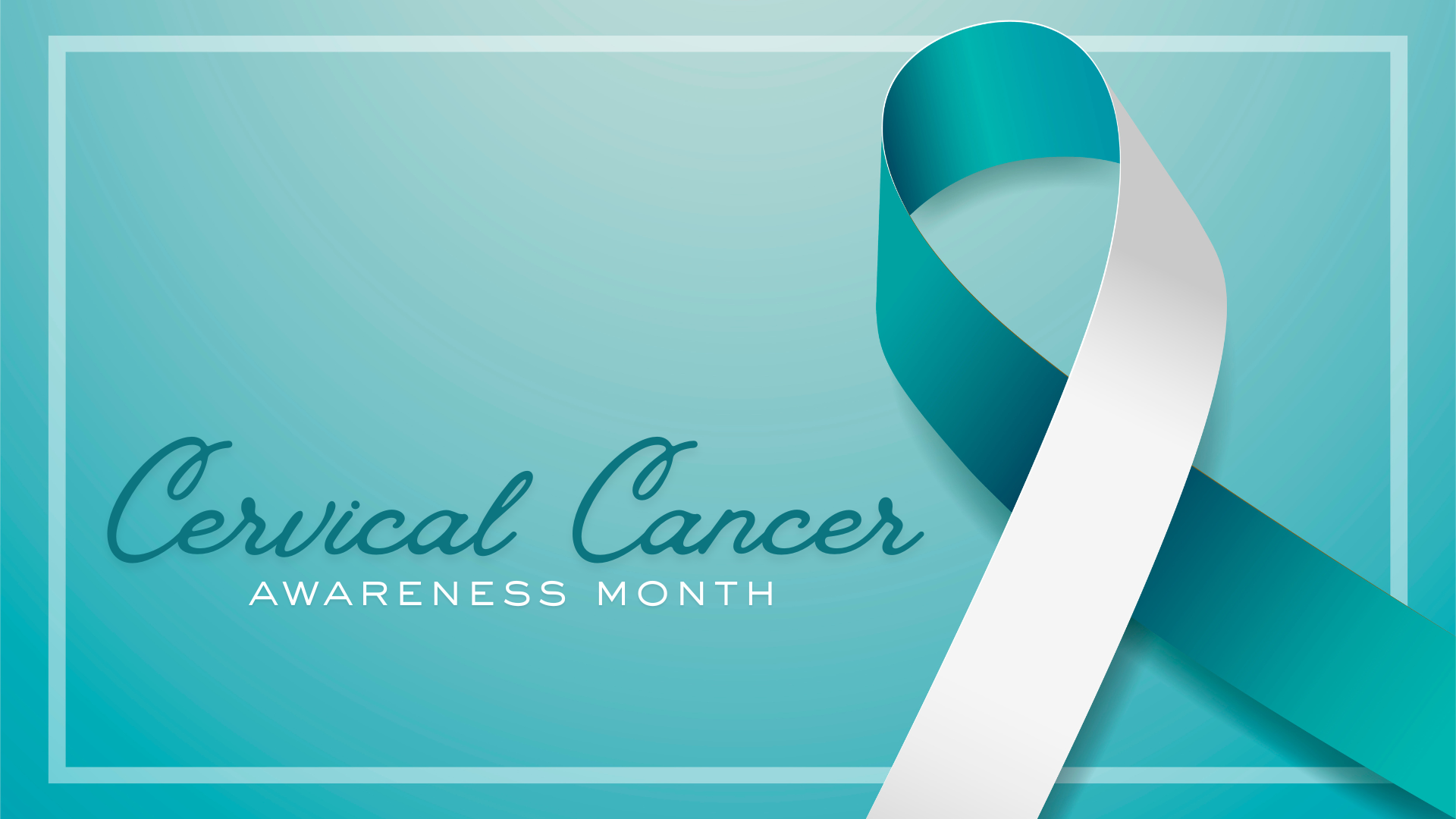
January marks the observance of Cervical Cancer Awareness Month, a time to identify and address disparities in this highly preventable yet persistent disease. Since the release of the human papillomavirus (HPV) vaccine in 2006, research has shown a steady decline in incidence of cervical cancer due to the vaccine’s ability to prevent 9 high-risk strains of HPV. From 2012 to 2019 alone, there has been a 65% reduction in cervical cancer incidence in women under 25, with additional declines in HPV infection prevalence and cervical cancer mortality.

Timely screening is another key factor in declining cervical cancer rates. The HPV test checks cells for infection with high-risk HPV types that can cause cervical cancer, while the Pap smear collects cervical cells so they can be checked for changes caused by HPV. When precancerous cells are found, swift treatment can prevent progression to cervical cancer altogether. Alternatively, if diagnosed at an early stage, cervical cancer treatment is typically more effective. Adherence to screening guidelines is therefore vital to eradicating cervical cancer.

A Disease Marked by Geographic and Economic Disparities

Unfortunately, such advancements in preventive care have not universally benefited all populations. According to the International Agency for Research on Cancer, women living in low-income countries are 3 times as likely to develop cervical cancer as women in high-income countries, and 9 times as likely to die from the disease.

This trend is mirrored in the United States: while the national incidence and death rates from cervical cancer have dropped, both rates have been steadily increasing in rural Appalachia since 2000. In Appalachian Kentucky in particular, incidence and mortality have increased nearly 3% and 4.5% each year from 2009–2019, respectively, with the mortality rate at twice the national rate. This data is particularly alarming when considering that this disparity persists even when comparing Appalachian counties to non-Appalachian counties in Kentucky, underscoring the high vulnerability of residents of the Appalachian region.

Multiple social drivers of health are at play in this region, including poor socioeconomic conditions and geographic barriers, such as significant driving distances to specialized cancer screening and treatment centers. As a result, the Appalachian region has been historically connected with disproportionately worse health outcomes, lower vaccination uptake, and lower screening adherence than the rest of the country.

The Appalachian Community Cancer Alliance

Recognizing the combined weight of these risk factors for Appalachian residents, in 2023 the Association of Cancer Care Centers (ACCC) joined with state oncology societies throughout the region to create the Appalachian Community Cancer Alliance (the “Alliance”). With the goal of providing this population high-quality, multidisciplinary cancer care from prevention through survivorship, the Alliance conducted a landscape study to gain an overview of locoregional activities, barriers to care, and successful interventions. Cervical cancer—along with lung cancer, colorectal cancer, and genetic testing—was identified as a key burden for Appalachian residents.

The Alliance identified the following primary barriers to cervical cancer screening:

  • Preference for female providers coupled with limited availability of such providers
  • Competing priorities, such as caregiving and childcare responsibilities
  • Demeaning or discriminatory attitudes towards women
  • Insufficient accommodations for women’s logistical needs (eg, transportation, scheduling flexibility) to access screening.

Together with the region’s geographic isolation, above-average poverty rates, low household income, and below-average educational attainment, these factors interact to create the perfect storm: hesitancy or inability to participate in screening.

Evidence-Based Interventions

Fortunately, there are several interventions that effectively facilitate cervical cancer screening. The Alliance found that the option to self-sample for HPV; assistance from patient navigators and community health workers; community outreach; material supports; and interventions at the clinic, community, and policy level all contribute to higher screening rates.

Furthermore, several factors seem to facilitate cervical cancer screening, such as prior screening participation, referral by a health care professional, experience of positive symptoms, prior HPV diagnosis, perception of convenience, and having family or friends who have had cancer experiences. The goal, however, is not to rely on the presence of these factors, but to remove barriers by earning community members’ trust and meeting patients where they are.

A Call to Action, This January and Beyond

Patient education and community outreach that raise awareness of cervical cancer have never been more necessary, particularly for individuals living in rural Appalachia. Advancements in vaccines and screening have proven effective in lowering incidence and mortality rates, but to attain true health equity, these preventive measures must be accessible to all patient populations.

This January, ACCC invites its membership to take part in promoting cervical cancer awareness by sharing resources and research about the importance of the HPV vaccine and regular screening, to work towards a future free of cervical cancer.