ACCC association of cancer care centers
Join/Renew
Login
Join/Renew
Login
Education & Resources
ACCC eXchange LogInCorporate Member Sponsored ResourcesPresentations & AbstractsPresident's ThemeACCC Connect eLearning LogIn
Publications
Oncology IssuesPatient Assistance & Reimbursement GuideTrending Now in Cancer Care
Events
2026 ACCC Leadership SummitAnnual Meeting & Cancer Center Business SummitCapitol Hill DayNational Oncology ConferenceOncology Reimbursement MeetingsOncology State Society Meetings
Policy & Advocacy
2024 Policy Wrap-Up and ACCC 2025 Policy PrioritiesLetters & StatementsAccess, Payment & Reimbursement ReformWhite Bagging & Brown BaggingAdvocacy ResourcesCancer Moonshot
Membership
Join | RenewWho We AreMembership Types & BenefitsCorporate MembersACCC Member Portal FAQMember Directory
Partners
Oncology State SocietiesPartner OrganizationsCME
News
News ReleasesAdvocacy News ReleasesOncology News
About ACCC
Timeline / 50th Anniversary2025 Impact ReportACCC Innovator AwardsACCC FellowsACCC Senior Staff
Breast CancerMetastatic Breast Cancer
Gastrointestinal CancerBiliary Tract CancerColorectal CancerGastric CancerLiver Cancer
Genitourinary CancerBladder CancerProstate CancerRenal Cell Carcinoma
Gynecologic CancerOvarian Cancer
Head & Neck Cancer
Hematologic MalignanciesAcute Lymphocytic Leukemia (ALL)Acute Myeloid Leukemia (AML)Chronic Lymphocytic Leukemia (CLL)Mantle Cell Lymphoma (MCL)Multiple Myeloma (MM)Myelodysplastic Syndromes (MDS)
Lung CancerNon-Small Cell Lung Cancer (NSCLC)Small Cell Lung Cancer (SCLC)
Sarcoma
Skin CancerMelanomaNon-Melanoma Skin Cancers (NMSC)
Clinical Practice & TreatmentCancer DiagnosticsCare CoordinationEHR Integration for Biomarker TestingQuality Improvement Collaboration: Integration of Precision Medicine in Community OncologyTreatment
Financial NavigationFAN Boot CampFinancial Advocacy Network (FAN) Resource LibraryPatient Assistance & Reimbursement GuidePrior Authorization
Health Equity & Access3, 2, 1, Go! Practical Solutions for Addressing Cancer Care DisparitiesAppalachian Community Cancer AllianceOncology Advanced PractitionersPersonalizing Care for Patients of All BackgroundsSocial Drivers of Health
Patient-Centered CareAddressing Care Disparities for VeteransAdolescent and Young Adult (AYA)Care Action Plans for People with CancerDermatologic ToxicitiesEmpowering CaregiversGeriatric OncologyHealth LiteracyNutritionOncology PharmacyPatient NavigationPsychosocial Care in OncologyShared Decision-MakingSupportive CareSurvivorship Care
Practice Management & OperationsCancer Program FundamentalsLeadership Sustainment and Engagement VideosOncology Practice Transformation and Integration CenterOncology Team Resiliency
ResearchACCC Community Oncology Research Institute (ACORI)
Technology & InnovationTelehealth & Digital Medicine
ACCCBuzz Blog
CANCER BUZZ Podcast
Oncology Issues
Join/Renew
Login
Breast CancerMetastatic Breast Cancer
Gastrointestinal CancerBiliary Tract CancerColorectal CancerGastric CancerLiver Cancer
Genitourinary CancerBladder CancerProstate CancerRenal Cell Carcinoma
Gynecologic CancerOvarian Cancer
Head & Neck Cancer
Hematologic MalignanciesAcute Lymphocytic Leukemia (ALL)Acute Myeloid Leukemia (AML)Chronic Lymphocytic Leukemia (CLL)Mantle Cell Lymphoma (MCL)Multiple Myeloma (MM)Myelodysplastic Syndromes (MDS)
Lung CancerNon-Small Cell Lung Cancer (NSCLC)Small Cell Lung Cancer (SCLC)
Sarcoma
Skin CancerMelanomaNon-Melanoma Skin Cancers (NMSC)
Clinical Practice & TreatmentCancer DiagnosticsCare CoordinationEHR Integration for Biomarker TestingQuality Improvement Collaboration: Integration of Precision Medicine in Community OncologyTreatment
Financial NavigationFAN Boot CampFinancial Advocacy Network (FAN) Resource LibraryPatient Assistance & Reimbursement GuidePrior Authorization
Health Equity & Access3, 2, 1, Go! Practical Solutions for Addressing Cancer Care DisparitiesAppalachian Community Cancer AllianceOncology Advanced PractitionersPersonalizing Care for Patients of All BackgroundsSocial Drivers of Health
Patient-Centered CareAddressing Care Disparities for VeteransAdolescent and Young Adult (AYA)Care Action Plans for People with CancerDermatologic ToxicitiesEmpowering CaregiversGeriatric OncologyHealth LiteracyNutritionOncology PharmacyPatient NavigationPsychosocial Care in OncologyShared Decision-MakingSupportive CareSurvivorship Care
Practice Management & OperationsCancer Program FundamentalsLeadership Sustainment and Engagement VideosOncology Practice Transformation and Integration CenterOncology Team Resiliency
ResearchACCC Community Oncology Research Institute (ACORI)
Technology & InnovationTelehealth & Digital Medicine
ACCCBuzz Blog
CANCER BUZZ Podcast
Oncology Issues
    • Education & Resources
    • Publications
    • Events
    • Policy & Advocacy
    • Membership
    • Partners
    • News
    • About ACCC
ACCC association of cancer care centers
1801 Research Boulevard, Suite 400, Rockville, MD 20850
Tel: 301.984.9496 Fax: 301.770.1949 Email Us
Contact UsVolunteers
Advertise
Career Center
Terms and Conditions
Privacy Policy
ACCC Rebranding
Copyright © 2026 Association of Cancer Care Centers. All Rights Reserved.
Advertisement

Blog

Article

December 9, 2025

The Unsung Heroes of Cancer Care: Recognizing National Oncology Navigator Day

Rachel Radwan

In honor of National Oncology Navigator Day, ACCC is pleased to share several initiatives from cancer programs across the country who are leveraging navigators in creative and successful ways.
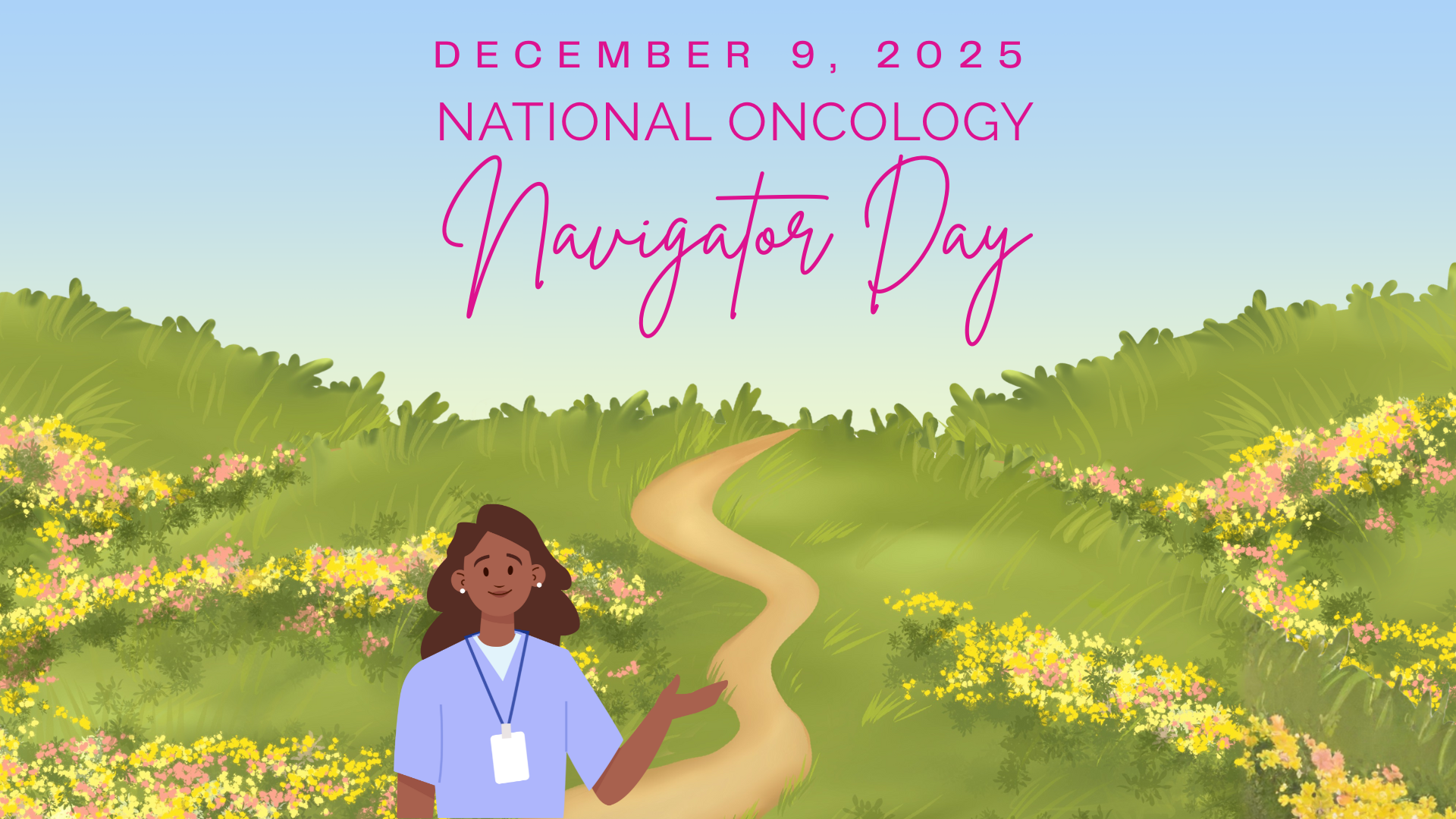
The Unsung Heroes of Cancer Care: Recognizing National Oncology Navigator Day

No matter how efficient a health system is, navigating the cancer care continuum from diagnosis to survivorship can be a confusing and stressful process for patients. From financial challenges such as insurance questions and prior authorization to psychosocial needs and caregiver support, there are many areas of care to be addressed aside from the treatment itself.

Oncology navigators step in to fill this gap, and they do so with incredible knowledge, compassion, and empathy, understanding that the fragmented nature of the US health care system is challenging in the best of times, much less when a patient is weighed down by the stress of a cancer diagnosis. In honor of National Oncology Navigator Day, ACCC is pleased to share several initiatives from cancer programs across the country who are leveraging navigators in creative and successful ways.

Navigators Rooted in the Community

With the support of the American Cancer Society, the first patient navigation program was established in 1990 at the Harlem Hospital Center by Harold P. Freeman, who firmly believed that “No person with cancer should spend more time fighting their way through the cancer system than fighting the disease.”

Since then, the navigator role has taken on new variations to best suit cancer programs and their communities. A prime example of this shift is George Washington (GW) Cancer Center’s move to employ a patient navigator rather than a traditional nurse navigator with a clinical background. By incorporating a nonclinical team member embedded within the community, the navigator can more easily build trust and rapport with patients with whom they already have much in common.

GW Cancer Center understands the resistance and distrust that historically marginalized populations have against the medical community. For patients, being able to talk to someone from their community and ask questions about support services, appointment scheduling, and clinical trials goes a long way to building confidence and self-advocacy skills.

Population Health Navigators to Support Underserved Patients

Atrium Health Wake Forest Baptist’s comprehensive cancer center has implemented its own variation of the navigator role in the form of population health navigators. These team members are dedicated to supporting a specific underserved patient population—whether it be Black, Hispanic, or rural patients—rather than a specific cancer type.

Part of the value these navigators bring is their shared lived experiences with patients. As nonclinical professionals, such as legal specialists and patient advocates, their real-world skills allow them to connect with patients in a meaningful way. By understanding the nuances of a patient’s culture and identity, population health navigators are well-suited to provide culturally and linguistically competent services that truly meet patients and caregivers where they are.

One area in which Atrium Health Wake Forest Baptist has seen significant improvement is diverse clinical trial enrollment. Undeserved patient populations are frequently underrepresented in clinical research, both denying these patients access to cutting-edge treatment methods and yielding trial results that may not be applicable to all patients.

Prior to the integration of population health navigators, 12% of rural patients, 18% of Black patients, and 14% of Hispanic patients participated in clinical trials. When these patients had the support of a navigator, those numbers increased to 36%, 32%, and 31%, respectively. Read the full feature in Oncology Issues to learn how Atrium Health Wake Forest Baptist developed this novel approach to navigation and how it has evolved over time.

Precision Medicine Stewards as Central Liaisons

Advances in precision medicine continue to identify specific genes and proteins that are key elements in determining optimal treatment plans for individual patients. Unfortunately, not all patients have equal access to genetic and biomarker testing, causing racial and socioeconomic disparities in testing rates to grow.

The role of the precision medicine steward has since emerged as a means of meeting the demands of guideline-concordant biomarker testing. These stewards act as navigators who are dedicated exclusively to biomarker test ordering, biopsy samples, coordination of logistics for tissue transport, and delivery of test results. Acting as a liaison between oncologists, patients, nursing teams, pathology teams, and external reference laboratories, the precision medicine steward facilitates multidisciplinary coordination so that every patient has the same access to potentially life-saving cancer diagnostics.

To make the case for precision medicine stewards, ACCC partnered with the Academy of Oncology Nurse and Patient Navigators and the American Society for Clinical Pathology to showcase oncology programs that have successfully implemented these stewards into their centers. For an inside look into these programs’ focus groups—which examine the mechanics, advantages, and feasibility of integrating the role—read this executive summary.

Whether acting as patient navigators in the traditional clinical sense, working as a fixture in the community, or ensuring efficient care coordination for precision medicine, oncology navigators are key members of the multidisciplinary care team. Not only do they provide vital information and logistical support for patients, but they frequently serve as a compassionate ear who can ease some of the burden of cancer treatment.

Resources

  • Managing Adverse Effects of CDK4/6 Inhibitors With a Patient-Centered, Team-Based Approach
  • Population Health Navigators: An Innovative Approach for Supporting Underserved Patients
  • Precision Medicine Stewardship
  • An Innovative Approach to Navigating Patients Through Cancer Diagnostics