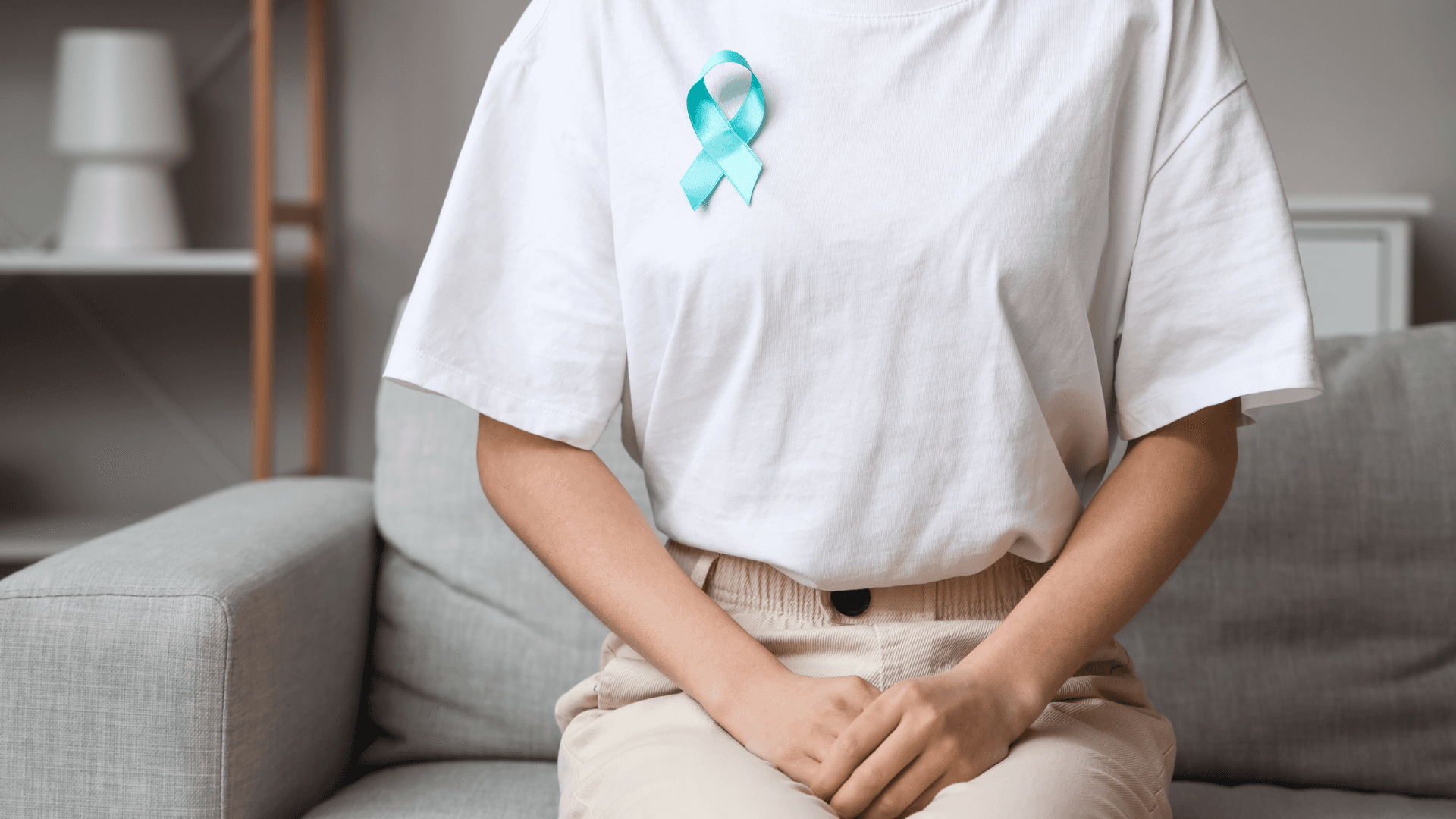
When a young father with metastatic colon cancer enrolled in an early-phase clinical trial, his primary concern was not only response rates or toxicity profiles. It was whether he could still see his children get on the school bus each morning.
The investigational therapy required close monitoring, and the assumption—long held in oncology—was that early-phase trials belong at academic centers. Travel would be constant, and time away from home unavoidable. Yet he was willing to do whatever it took to gain any precious time he could. What he didn't know was that at the University of Chicago Medicine, that assumption had already begun to shift. Decentralization had become a deliberate strategy that engaged every clinic and opened every possible trial to sites across their network.
As Kristen Kipping-Johnson, MPH, director of Network Research Operations at the University of Chicago Medicine, explained, "I don't believe in saying something can't be done. Prove to me it can't be done." That mindset—more than any single operational tactic—has defined the institution's evolution into a decentralized clinical trials network, now supporting hybrid phase 1 oncology studies across community sites.
From “Why Not?” to Phase 1
Decentralization did not begin with phase 1. Ten years ago, the network opened 3 cooperative group studies at community locations. Skepticism was high, both internally and externally, about whether complex oncology trials could safely operate outside the main academic campus. "People thought community sites can't do phase 1 research," Kipping-Johnson recalled. "There was a belief that the expertise, the safety infrastructure, the regulatory oversight—it all had to stay centralized."
Rather than asking which trials could open in the community, the team reframed the question. "We don't ask what can open in the network," she said. "We ask: What can't?" This shift became foundational.
Over time, the network layered in centralized regulatory oversight, unified contracting, shared data management, and integrated electronic health record visibility. Pharmacy operations were standardized. Clinical research coordinators were hired centrally rather than siloed at individual sites. Training expanded beyond physicians to include nurses, research staff, emergency departments, and caregivers. Phase 1 decentralization was not a leap. It was the result of a decade of building an infrastructure, one layer at a time.
The Hybrid Model in Practice
One of the network's most ambitious undertakings involved a bispecific antibody trial with known cytokine release syndrome (CRS) risk. Cycle 1 was administered during an inpatient stay at the academic center, while cycle 2 moved to the main campus on an outpatient basis. Only after safety was established did subsequent cycles transition to community sites closer to patients' homes.
"It wasn’t decentralize everything," Kipping-Johnson explained. "It was decentralize thoughtfully."
Operationalizing that approach required meticulous coordination:
"We had to prepare not just the clinic, but the ecosystem around the patient," she said. "The emergency room, the infusion nurses, the caregivers. Everyone had to understand what to look for."
The effort was substantial. But for patients like the young father who wanted to remain present in daily family life, the impact was profound. "Sometimes people might say, ‘You did a lot of work for 1 patient for 6 months,’" she reflected. "And I would just say, ‘Gladly.’"
The Financial Reality: Investment Before Return
Decentralization is often framed as a solution to access barriers. Discussed less frequently are the financial trade-offs required to build it. "You don’t hire coordinators and see immediate ROI [return on investment]," Kipping-Johnson said. "It takes time."
The network operated with a long view—often requiring a 3-year runway before sites would see an ROI. Industry-sponsored trials provided some margin; cooperative group studies often did not. "There’s a difference between doing the right thing and proving the return on investment," she acknowledged. "And sometimes you have to believe in the mission before the numbers catch up."
Leadership buy-in was essential. Without institutional commitment to access and equity, early investment could stall under short-term financial scrutiny. "You have to align on goals," she said. "If the goal is purely financial from day 1, this is hard."
Culture Change and Capability
Perhaps the most persistent barrier was not regulatory or logistical—it was cultural. "There was a perception that community physicians couldn’t manage early-phase toxicity," Kipping-Johnson said. "But our community doctors are exceptional clinicians. They just needed the infrastructure and support."
Training became multidirectional. Academic investigators learned to trust care that was distributed across sites. Community teams gained comfort with complex protocol requirements. Tumor boards incorporated research discussions more intentionally. Coordinators embedded within disease teams helped identify appropriate candidates earlier. Over time, volume grew—from 3 initial studies to more than 100 trials across the network, including phase 1. "It’s not about lowering standards," she emphasized. "It’s about extending them."
Lessons for Other Institutions
For institutions considering similar models, Kipping-Johnson's advice is pragmatic:
"Every layer you add should strengthen the one before it," she said. But the payoff, she argues, is more than operational expansion. "It changes how you think about your responsibility as an academic center."
Beyond Owned Networks
Looking ahead, the model may extend even further. The team is exploring referral-based decentralization models that support patients who are treated outside the immediate network, particularly for screening and nontherapeutic studies, and for patients requiring highly specialized interventions, such as transplant. "Rising tide raises all boats," Kipping-Johnson said. "This doesn’t have to be competitive." Embedding research coordinators in tumor boards, expanding support services, and identifying trial-eligible patients earlier in their care trajectory are all part of the next phase.
A Comma, Not a Period
At its core, the University of Chicago Medicine's experience challenges the deeply rooted oncology assumption that early-phase trials must remain centralized to remain safe. Instead, their model suggests that decentralization—when built deliberately, over time—can preserve safety while expanding reach. It requires infrastructure, financial patience, and a change in mindset. And, perhaps most importantly, it requires a willingness to question traditional limitations. “We’re not finished,” Kipping-Johnson said. “We’re a comma, not a period.”
For the young father who could continue to watch his children climb onto the school bus before treatment, that comma represented something tangible: time at home without sacrificing access to innovation. For oncology leaders watching the evolution of decentralized trials, the University of Chicago Medicine's successful pilot program offers a new perspective: Instead of asking whether complex trials belong in the community, ask what it would take to bring them there.
Explore additional resources at accc-cancer.org/ACORI.
Acknowledgements
Nadine J. Barrett, PhD, MA, MS, FACCC¹˒²; Shaalan Beg, MD, MBA, FASCO³; Al B. Benson III, MD, FACP, FASCO⁴; Lora Black, RN, MPH, CCRP⁵; Christa Braun-Inglis, DNP, APRN-Rx, FNP-BC, AOCNP⁶; Carrie Friedman RN, BSN, OCN⁷; Una Hopkins, DNP, MSN, RN, FNP-BC, NE-BC, FACCC⁸; Michele Lacy, RN, BSN, OCN⁹; Marc Matrana, MD, Sc, FACP¹⁰; Jane Myles, MSc¹¹; Amy Peterson, PhD, GPC¹²; Wyatt Pickner¹³; Lawrence Wagman, MD¹⁴; Rania Emara¹⁵
¹Wake Forest University School of Medicine, ²Advocate Health; ³ConcertAI; ⁴Robert H. Lurie Comprehensive Cancer Center of Northwestern University Hospital; ⁵Sanford Health; ⁶University of Hawaii Cancer Center; ⁷Virginia Cancer Specialists; ⁸Montefiore Health System; ⁹Metro Minnesota Community Oncology Research Consortium; ¹⁰Ochsner Cancer Institute; ¹¹Decentralized Trials & Research Alliance; ¹²Munson Healthcare; ¹³American Indian Cancer Foundation; ¹⁴City of Hope; ¹⁵Association of Cancer Care Centers

The Association of Cancer Care Centers (ACCC) provides education and advocacy for the cancer care community. For more information, visit accc-cancer.org.
© 2026. Association of Cancer Care Centers. All rights reserved. No part of this publication may be reproduced or transmitted in any form or by any means without written permission.





In recognition of Leukemia and Lymphoma Awareness Month, ACCC compiled a group of resources to help care teams navigate two of the most commonly diagnosed adult leukemias: acute myeloid leukemia and chronic lymphocytic leukemia.










![The Coordinator’s Perspective – Driving Research Growth From the Ground Up – [Video Podcast] Ep 55](https://cdn.sanity.io/images/gvduir9b/production/83fbc5d451f70ee2266dee4ec0c4fabb62db403a-60x60.png)