Author(s):
I have always known that I wanted to pursue science and medicine, in part because my father was an internal medicine physician in Guatemala before my parents immigrated to Brooklyn, New York. Though he never pushed me into this field, science and medicine always made sense to me, and I knew early on that I had to go to medical school, because it was what I was most passionate about.
In medical school, I was drawn to surgery because it is like solving a puzzle: you get to figure out why a patient is experiencing pain, and then you get to work with your hands to help them feel better. Specifically, I love breast surgery and working with women to resolve what is easily one of the most curable cancers. As screening has improved, early detection has made for a very good prognosis for many patients—compounded even further by the many advances in radiation, drug discovery, and surgical techniques. But above all, I love treating and caring for other women during a stressful and anxious period in their lives.
Throughout my journey in medicine to become a surgeon, I was fortunate to have a strong conviction in my path forward that couldn't be swayed by the voices and opinions of those around me. Without that confidence in what I knew I was meant to do, this already long and arduous journey would have undoubtedly been much more difficult. When I think back on my childhood and how few women of color I saw in medicine in general—let alone academic medicine and surgical leadership—I worry that other young girls may have discarded their dreams because they didn't think those dreams were possible for someone who looked like them.
When I expressed my interest in medicine throughout my childhood and in high school, other people frequently questioned me, asking if I was sure that was what I wanted to do. If you are not grounded in your beliefs, other people can easily sway your opinion and change your mind about what you are capable of, especially if there is no one who looks like you in the field you want to pursue. We must encourage children and young adults to change that circumstance and become the new norm, whether it's as a physician, a lawyer, an artist, or any other career.
Though there are more women physicians today than a few decades ago, I rarely encountered female surgeons during my residency. However, I was lucky to have the support of male mentors who encouraged me in my career and helped me get where I wanted to be. For women of color who find themselves in a similar position as I was, I would remind them that you do not need a specific title to be a leader. Being a leader is inspiring other people around you and lifting them up. I didn't necessarily aim to become a mentor, but your role in life changes as you get older. You can mentor students, residents, or other colleagues. You can teach what you know and make meaningful change wherever you are, whatever your title. You never know who is looking up to you, and your actions can touch other people's lives, whether you realize it or not.
The journey to practice medicine is a long one, and many of the young people I've mentored have said to me, "I would want to go into that field, but it's too long and difficult, and I don't think I can manage it." What I tell them is that the years of schooling, training, and residency—though hard—do come to an end, and you will eventually be able to do what you've trained for all that time. I tell them not to avoid a career path because they are afraid of doing hard things, because everybody can do hard things. Authors do not write a perfect book immediately; it takes many drafts, edits, and rewrites to create a finished work they are proud of. Any career will come with the requisite years of training and practice. You just have to be grounded in your beliefs, hopes, and goals for your future.
No matter how far you advance in your career, however, there will always be moments of self-doubt and imposter syndrome. A little bit of doubt is healthy: It makes you a better person to care deeply about your work and your mistakes. It's a part of being human. But it's also important to take a step back in these moments to reflect not only on your mistakes, but on what you've done right, how far you've come, and how hard you've worked to be where you are now. Talking to other people who have been in your shoes before is also key. Often, we can be our own harshest critics, so it is necessary to bounce ideas, emotions, and experiences off those around us to help us come back to reality.
All these experiences inspired me to write a children's book, Tiny Scrubs, Big Dreams. At its core, this story is meant to show young girls and boys that they can truly be whatever they want to be in life. I wrote this story specifically for children because they are uniquely self-confident and uninhibited in their imagination when they are young. It is crucial to feed into these dreams and show kids that the possibilities are endless before they grow up and the world starts to hamper their ideas of what they can be.
My hope is that by reinforcing this natural self-confidence in children, we will see a more diverse health care workforce as a result. Right now, a lot of people avoid seeking health care because they don't have physicians who understand them, speak their language, or look like them. The road to earning patients' trust is long and incredibly worthwhile, and it starts with how we teach children what they are capable of. Diversity breeds new and better ideas, discussion, science, and health care, and I wanted the book to reinforce this concept from the first page.
Above all, I hope that my book sparks conversations early on between kids, parents, and educators about possibilities. I want children and young adults to know that while your path may not be visible to you right now, you can be whatever you want to be. You are more capable than whatever you're shown or whatever you're told. And you can be the future in limitless ways.
Jennifer D. Son, MD, FACS, is a board-certified general surgeon and a fellowship-trained breast surgeon. She is the Director of the Breast Center at MedStar Montgomery, an Assistant Professor of surgery at Georgetown University Medical Center, and the author of Tiny Scrubs, Big Dreams.






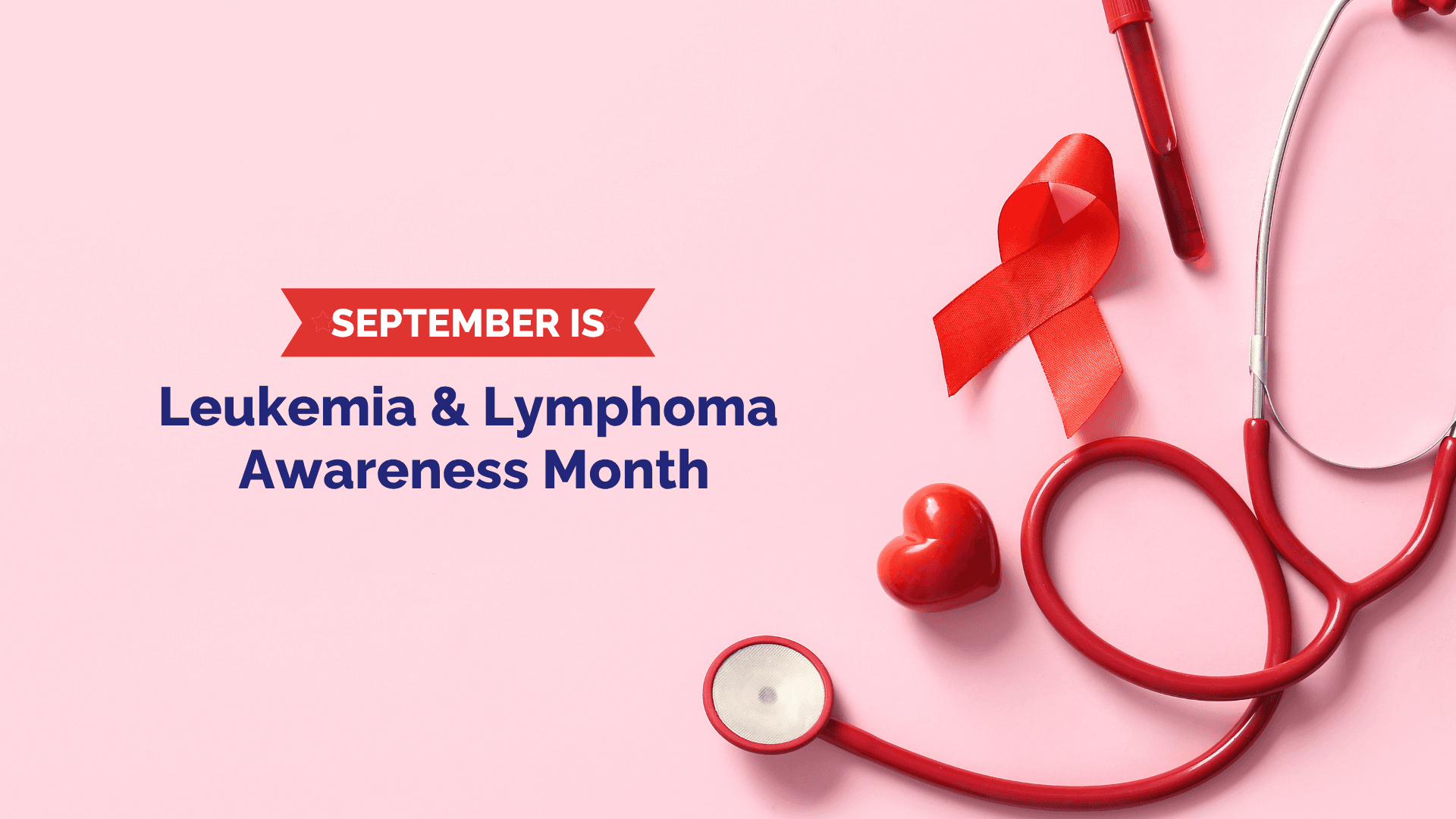
In recognition of Leukemia and Lymphoma Awareness Month, ACCC compiled a group of resources to help care teams navigate two of the most commonly diagnosed adult leukemias: acute myeloid leukemia and chronic lymphocytic leukemia.