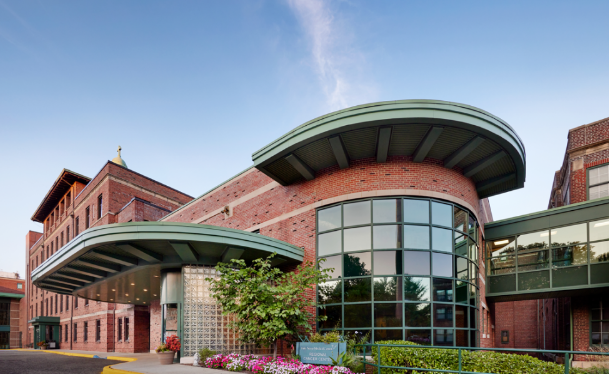
The Patricia Lynch Cancer Center at Holy Name Medical Center stands as a leading force in compassionate, patient-centered oncology care in New Jersey. Named in honor of Sister Patricia Lynch—a former hospital administrator whose legacy of service and providing access to the most advanced treatments still inspires the hospital’s mission— the center is at the heart of Holy Name’s century-long commitment to excellence. As the only independent Catholic health system in the state, Holy Name has spent 100 years delivering high-quality, patient-focused medical care. As it celebrates this important milestone, the hospital continues to evolve while upholding its founding principles. The Patricia Lynch Cancer Center offers a comprehensive range of services, including a dedicated breast center, infusion center, and surgical oncology suite. This multidisciplinary approach reflects Holy Name’s commitment to cutting-edge care and a deeply personal patient experience. Led by Jonathan H. Lee, MD, medical director of Holy Name Cancer Care, the institution’s philosophy revolves around treating cancer as a journey rather than as an isolated event. “Our patients are not just cases; they are individuals with unique experiences and needs,” he explained. “We aim to provide care that is both intimate and advanced, ensuring that each patient receives the highest level of personalized treatment.”
The Advantage of a Single-Hospital System
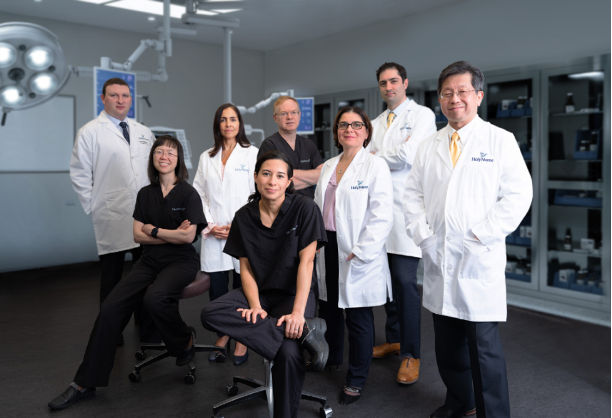
The Patricia Lynch Cancer Center provides comprehensive cancer care, distinguished by the depth and coordination of its site-specific specialties—all within a single hospital setting. This multidisciplinary approach ensures that every patient benefits from a variety of expertise. Coordinated care is anchored by disease-specific tumor boards, which serve as a central platform for collaboration. These tumor boards bring together a comprehensive care team, including surgeons, oncologists, pathologists, radiologists, nutritionists, genetic counselors, and palliative care specialists to collectively review and guide patient treatment plans. This inclusive model includes mid-level providers and medical students, ensuring that all care team members are well-informed and actively engaged in patient-centered care.
Because Holy Name operates as a single-hospital system, it allows for seamless collaboration among the team at the Patricia Lynch Cancer Center. Specialists, such as radiation oncologists, are just 1 floor below medical oncologists, and surgeons can easily meet with imaging and pathology specialists nearby. Dr. Lee emphasized that this structure allows for greater efficiency in patient care: “We have the advantage of proximity. Our specialists can easily communicate and work together without the logistical barriers that larger systems often face.” The single-hospital structure contrasts with the experience at many large, multihospital systems, where patients often cite logistical challenges—such as navigating multiple buildings, managing parking, and traveling long distances between appointments—that add significant stress to their cancer journey. This ease of collaboration within Holy Name translates to better patient outcomes and a more seamless, integrated treatment experience.
Supporting the Whole Patient by Addressing Psychosocial Needs
Recognizing that cancer treatment extends beyond medical interventions, Holy Name provides extensive support services through its oncology social work program to address the emotional and psychological needs of patients. At the Patricia Lynch Cancer Center, a multidisciplinary approach ensures that every patient has access to essential resources. Routine psychosocial distress screenings are conducted and dedicated oncology social workers help identify and address health-related social needs.
Social workers also assists with processing orders for durable medical equipment, support patients facing challenges like housing or food insecurity, and help navigate complex systems, such as disability benefits and insurance. This role is integral for removing barriers to care and providing financial assistance to help ensure equitable outcomes across the cancer care continuum.
To further combat cancer care disparities, Holy Name is part of the Cancer Support Community, a nonprofit network focused on advancing health equity and improve cancer outcomes for underserved populations. Through partnerships with community organizations, Holy Name aims to create meaningful, community-based solutions that reduce cancer disparities and improve health outcomes for disproportionately affected patients.



Fostering Innovation Through Education and Research
Patricia Lynch Cancer Center’s dedication to delivering the best comprehensive cancer care is supported by fostering strong connections with national cancer organizations and local outreach programs. “Our investment in people is just as important as our investment in technology,” Dr. Lee explained. “We bring in top specialists from some of the most prestigious institutions around the country and ensure that they are deeply integrated into our patient-centered mission.” Holy Name also houses the Institute for Clinical Research, which works to match patients with clinical trials they qualify for and ensure they are provided with the latest treatment options.
As part of its commitment to providing state-of-the-art medical care, Holy Name continuously invests in cutting-edge technology. The center utilizes AI-assisted breast imaging and high-sensitivity PET/MRI scanners, ensuring early and accurate cancer detection.
In addition to newly established residency programs, Holy Name’s dedication to education and training is reflected in the long-standing Sister Claire Tynan School of Nursing and the Russell Berrie Institute for Simulation Learning. The Russell Berrie Institute provides simulations of complex and challenging medical scenarios to promote quality care, reduce errors, foster collaboration, and enhance the safety and efficacy of health care. Together, these institutions reflect the center’s commitment to cultivating clinical excellence and preparing the next generation to lead with skill, empathy, and innovation in cancer care.

Reframing Treatment Through Patient-Centered Care
Dr. Lee emphasized that innovation at the Patricia Lynch Cancer Center and Holy Name Medical Center extends beyond technology; it is about redefining the philosophy of patient care. “It is the philosophy of viewing each patient as a unique person with distinct needs, recognizing those needs, and delivering a well-balanced, personalized approach to care throughout their cancer journey. I believe we’ve achieved that effectively, and I am quite proud of that,” he shared.
The center a comprehensive array of services that empower patients throughout their cancer journey. A patient resource library, located in the second-floor waiting area, features educational materials from the American Cancer Society and other resources curated by Holy Name. Oncology nurse navigators guide patients and their families through the health care system, offering personalized support, education, and timely access to care. Certified genetic counseling is also available to assess hereditary cancer risk, with testing available when appropriate.
The multidisciplinary care team constantly aims to improve the entire patient experience, from screening to survivorship. “When people think of innovation, they think about machines and technology,” Dr. Lee said. “While substantial investments have been made in those areas, I’d say our biggest innovations are patient-focused ideas.”
As Holy Name Medical Center embarks on its second century of service, its commitment to exceptional, patient-centered oncology care remains unwavering. With a solid foundation in mission-driven medicine, a dedicated team of specialists, and a forward-thinking approach to innovation, the Patricia Lynch Cancer Center continues to set the standard for compassionate, comprehensive cancer care.
Dr. Lee concluded by sharing Holy Name’s new slogan: “It takes science and heart to heal. [At Holy Name,] both are present in equal measure, delivering care that is clinically sound, spiritually grounded, and compassionately delivered, every single day.” This guiding philosophy—grounded in faith, compassion, and human connection— shapes every aspect of the patient experience, ensuring that care is not only comprehensive but also deeply personal.





Recognizing the critical role advanced practice providers and allied health professionals play in the care continuum, the American Oncology Network provides infrastructure, leadership, and professional growth opportunities to empower these members of the cancer care team to practice at the top of their license.