With both pressing challenges like the oncology workforce shortage and exciting opportunities like the continued practical implementation of artificial intelligence (AI) on the horizon, health care leaders today exist at a pivotal moment in the field of oncology. To prepare to meet barriers to care with innovative solutions and continue to work toward health equity, it is crucial for up-and-coming oncology leaders to proactively seek professional development opportunities early and often in their careers. Engaging in mentorship, obtaining leadership training, and learning how to delegate authority to one’s team are all core competencies from which leaders in health care—and their teams— can benefit.
To gain further insight into their experience as leaders and the challenges and opportunities they see facing cancer care today, Meagan O’Neill, executive director of the Association of Cancer Care Centers (ACCC) interviewed Nadine J. Barrett, PhD, MA, MS, FACCC, senior associate dean for Community Engagement and Equity in Research Access, Wake Forest University School of Medicine and Atrium Health and Robin Zon, MD, FACP, FASCO, director of breast oncology, Cincinnati Cancer Advisors, and physician emeritus, Michiana Hematology Oncology, at the ACCC 51st Annual Meeting and Cancer Center Business Summit (AMCCBS) in March.
O’NEIL: How do you effectively balance your various leadership roles across clinical practice, research, and administration?
DR. BARRETT: One of the most important things for me, given that I manage 4 teams across the state of North Carolina, is hiring the right people—particularly those who have greater expertise than my own—and trusting them to lead in those spaces. When I am interviewing candidates for a position, I strive to be very intentional about recognizing what each person has that my team and I are missing, not just in terms of their tactical skills, but also emotional intelligence and the ability to interact and engage meaningfully with others. This is important for creating the kind of climate and culture that we want and expect, where everyone is thriving, everyone feels that diverse expertise is valued, and everyone makes room at the table for different voices and perspectives.
DR. ZON: You have to realistically understand what the roles and responsibilities of your position are—what you can and can’t do. That helps inform me as a leader in how I delegate to my team members, while also giving them the authority to get the job done. Delegation, trust, and having that element of expertise in your team are critically important. To balance roles, you also need to be flexible. Things will happen, and they do happen; you need to be able to pivot very quickly.

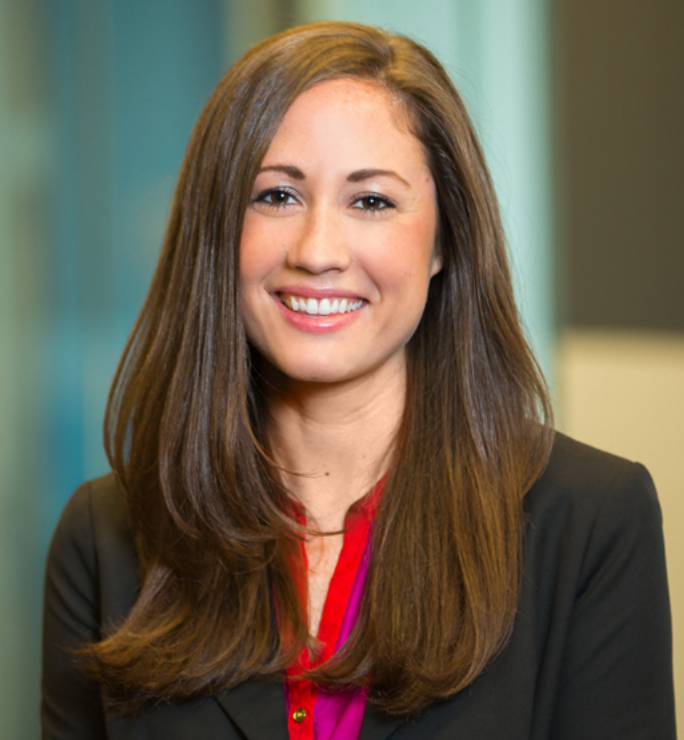
Meagan O’Neill, MS, executive director of the Association of Cancer Care Centers (ACCC)
O’NEILL: What strategic skills have been most crucial in your journey to executive leadership, and how did you develop them?
DR. ZON: When you’re in a leadership position, it’s important to seek leadership training throughout your career and recognize that it is ongoing. I started leadership training over 4 decades ago, and there weren’t a lot of opportunities for women back then—women weren’t prevalent in the professional world, especially in the sciences. As you evolve and you’re shaped by your experiences, you look back on what your skills are and how you can elevate them further by learning from the people around you.
High on my list of skills is business training. I firmly believe there’s importance in understanding business when you’re practicing medicine. Prior to medical school, some very smart leaders told me that if I wanted to become a doctor, then I needed to learn about business now, because one day, business will drive all health care decisions. I took their advice and took business classes to develop that side of my experience, which has helped lend itself to my success as a leader.
Along with that business acumen comes developing strong partnerships, and not just with people you know and who think like you. It’s equally important to partner with people who are not like you. Having them as a reference or as part of your team will provide you with a perspective you may not get otherwise.
DR. BARRETT: I’ve often been a culprit of having a big vision that comes from considering grandiose ideas all day long. That’s why it’s important to have a team that is comfortable with saying, “Yes, that sounds fantastic. Let’s just take this piece right now, and then come back and regroup.” To me, that means creating a space within the team where we can be open about sharing our different perspectives around decision-making and having the right people at the table. It all goes back to trusting the team to know what is truly attainable.
The ability to build partnerships and collaborations is important as well. Nothing is done alone—within and outside of the organization. Identifying partnerships that will be mutually beneficial, realigning our strategic priorities, and then working together in the same direction is crucial. Another component of leadership is being very clear at a high level about the vision and the impact of your work. The why is always critical. At Atrium Health, we start every single meeting with a call to purpose, whether it’s virtual or in person, to remind us why we do what we do.
Leadership is a journey, not a destination. The reality is that we’re all learning; we learn in the working environment. And if we don’t cultivate that environment, then we’re not going to thrive as a team, and we’re not going to have the impact that we want to have, or enact the kind of change we want for our patients.
O’NEILL: How important has mentorship been in your career, and can you share a specific experience where having a mentor made a critical difference for you?
DR. BARRETT: In my team, we mentor each other in different spaces because of the diversity of our experiences. From the beginning of my career, starting with my undergraduate degree, I have had some amazing mentors. I had one faculty member at my community college who reached out and said, “We’ve been listening to you in class. You keep speaking up. The things that you’re saying are really on point. I want you to meet with the Chair of the Department over on another campus.” At that point, I had no idea about what the possibilities were, because I’m the first person in my family to get a bachelor’s degree and then move on to a master’s and a doctorate. That woman is still a mentor to me to this day, and I thank her for having a vision for someone who didn’t even know she was being seen at the time.
DR. ZON: I was the first one in my family to go to college and beyond. When you think about the era in which I was raised, women didn’t go into the sciences. When I graduated from high school, I was one of the few students from my school who went to college. If you look at the media we were exposed to in the 1960s and early 1970s, professional women were unmarried, and if women were married, they didn’t work. We were surrounded by women who stayed at home and had children. A very specific experience that really shaped me and allowed me to get permission, in a sense, to move forward in my career came from a supervisor in my co-op. A female engineer was very unusual in 1980, and she was the only one in the division. She said to me, “Don’t ever let anybody tell you that you can’t be a professional woman, and a mother, and a wife and be good at all of them.” Then she shared what I could expect as I moved on throughout my journey, the challenges I might face, and how to encounter them. Her experience and guidance encouraged me to consider all the options, including being a professional woman, a wife, and a mother.

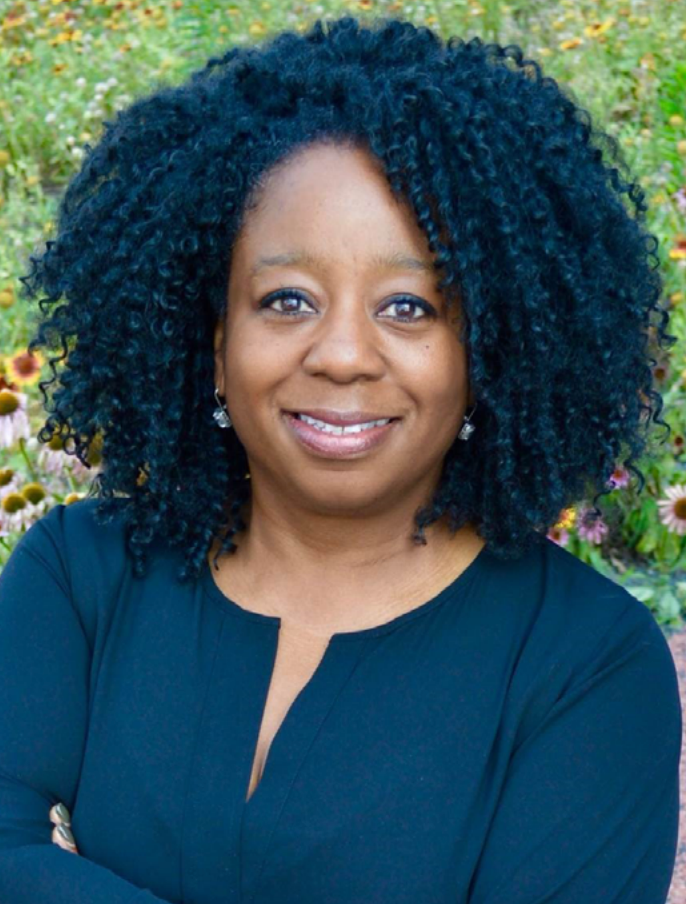
Nadine J. Barrett, PhD, MA, MS, FACCC, senior associate dean for Community Engagement and Equity in Research, Wake Forest University School of Medicine and Atrium Health
O’NEILL: How are you approaching mentorship now from the mentor’s perspective, and what advice would you give to those looking to become mentors themselves?
DR. ZON: I think about the 3 A’s: affable, able, and available. If you’re considering becoming a mentor, you need to be committed. Sometimes mentorship can be incidental. I always tell people: Remember, somebody’s always watching you. And depending on what you’re doing, people can be inspired by that. You may not even know it’s happening, so it’s a level of mentorship that you don’t necessarily sign up for. But we’re mentors all the time. Then there’s a more intimate type of mentorship, which is one-on-one. It’s really important as a mentor to understand that the needs will vary depending on who you’re talking to, so you need to understand their story and their perspective. Don’t assume anything when you enter into a mentorship because each person has a different background. For you to be effective in your role, acknowledge that, appreciate that, honor that, and then you can find out what their actual needs are and whether you can help them.
DR. BARRETT: As a mentor, I look at the whole person. As I support them in their career and their next steps, I also recognize that they have a whole life outside of the workplace. Acknowledging that is crucial. It’s also important to note that before I am ever your mentor, I am your colleague. When you refer to someone as being your mentor in front of other team members, sometimes that can cause an unspoken power imbalance. If we don’t call that out as mentors, then we create people who feel like they’re under us as opposed to with us, and that is not the case. I’m just a little bit more advanced in the journey that you’re on. I have some expertise that you may not have yet, but you have some expertise from your lived experience that I may not have. So let’s make this a mentoring space where I support you and sponsor you, but you are my colleague first. I think that’s critical for their professional growth and leadership as well.
O’NEILL: As you have navigated leadership roles, what strategies have helped you balance professional growth with personal responsibilities?
DR. ZON: Professional growth and personal growth have seasons. They are not static. As a young mother, I had certain personal and professional responsibilities. But as my children have grown into adults with their own families, my personal responsibilities have shifted. You always need to have give-and-take and to understand what your priority is in that season. That season can change by the day or by the decade. It’s about being able to say yes or no and not feel guilty about it, and to recognize that the answer to that question will change depending on where you are in your season. That’s part of the journey.
DR. BARRETT: For me, it’s about accepting that you can’t really balance work and life. They both happen. It’s about knowing when to stop and to make the priority, the priority. For 6 years, I was a caregiver for my mother and grandmother. I moved them into my home because they were both ill, and took care of them until they both passed away. That whole time, I was going through my own challenges at work, until I decided one day that I wasn’t going to balance work and life anymore. I took the opportunity to step away from work and took intermittent leave for the last 8 months of my family members’ lives and spent my complete time with them, because you can never get that time back. My family is always my priority, so I will do whatever I need to do to make it work with my career. The work is always there, and my professional life always seems to fall into place. Even after saying no and making those personal decisions, I’m still here. Nothing has changed. Life will continue, so we need to give ourselves permission to prioritize our personal lives and make the decisions we feel are right.
O’NEILL: Your ASCO president’s theme, “Driving Knowledge to Action. Building a Better Future,” emphasizes turning research into tangible improvements. What does this theme mean to you?
DR. ZON: I’ve been in community medicine for a long time. As a community oncologist, you see a bit of everything, and you care for patients with all different types of diseases. When I graduated from my fellowship, there were only a handful of drugs at the time, and treatment planning was simple. As time has gone on, science has pushed us into a new era of therapies and opportunities to cure cancer. I realized that I’m not applying all the knowledge and technology that’s out there, and that’s what we have to do to conquer cancer and build a better future. To fuel that, we need to empower technology and empower advocacy. It’s important to advocate legislatively on the Hill, but also for your patient in the room. Embracing community is another engine to fuel this goal. That means exchanging innovation, experiences, ideas—not recreating the wheel—and using that information to build a better future.

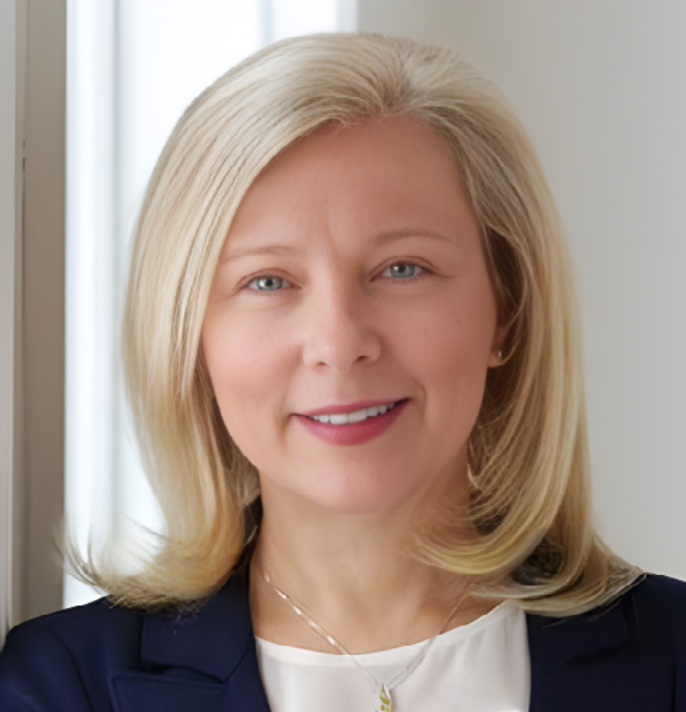
Robin Zon, MD, FACP, FASCO, director of breast oncology, Cincinnati Cancer Advisors, and physician emeritus, Michiana Hematology Oncology
OI: Your ACCC president’s theme, “Reimagining Community Engagement and Equity in Cancer,” focuses on expanding ACCC’s reach around communities, leveraging community expertise, and building trustworthiness to advance equity in cancer care, outcomes, and research. Why was championing this theme particularly important to you?
DR. BARRETT: When I think about communities, I think about the people who have expertise and incredible insights into our systems— more than we do sometimes on the inside. For organizations, feedback received from an internal assessment will be different than external feedback received from stakeholders, including patients and community members. It’s a different lens, a different perspective. When I think about community engagement, I think about who’s missing. How do we engage people? Who should have a seat at the table? This theme is about thinking much more broadly about our communities. Over the last 12 months, ACCC past president Olalekan Ajayi spearheaded an international panel at the ACCC 41st National Oncology Conference, which broadened our community to a global space that allowed for co-learning. ACCC held a webinar not long after about palliative care in the context of oncology, and we had more than 600 people participate, allowing us to reach a new network and community of people with that important topic.
When we discuss engagement in the diverse communities we serve, I think about the term trustworthiness. People always ask in this space, How do we build trust in the community? Journal articles that discuss health disparities always highlight trust as one of the issues. But do we need to build trust in the community? Or do we, as institutions, have an obligation to become more trustworthy? This mindset forces us to look at ourselves, as opposed to viewing the community as in need of fixing.
I started a program at Duke called Project Interest, which was my dream of engaging community members about quality improvement measures in our institution to shift policies and practices and enact true systemic change. The project was based on gathering feedback from the community and outpatients, so we created a survey asking what trustworthiness looks like for them. In less than 3 weeks, we had 6642 responses to the survey, and over 3000 respondents provided stories about their experiences in the health system and in research. Now our vice president, chief strategy officer, and others are co-leading different teams that work toward quality improvement. That, to me, is how you create systemic change—by working from the outside in rather than the inside out. When you engage diverse communities and their expertise in meaningful ways, that helps you become trustworthy.
O’NEILL: What do you see as the biggest policy changes needed to continue improving cancer care delivery in the US?
DR. BARRETT: Future policy opportunities need to consider research. Take the standard of care: That can only come about through research. There’s a reason why we are seeing our patients with cancer living longer—it’s because of research and clinical trials. People are able to spend more time with their family, see their children graduate from high school, and get married. When I think about policy impacting research and potentially reducing budgets that will buckle the knees of research, this will ultimately have a negative impact on care and mortality from cancer. A direct assault on research is a direct assault on our patients, our communities, and our mission. Our mission is to help people live as well and as long as possible. That’s the definition of health equity. When we limit the research that allows us to create change, that allows people to live longer, that can be life-enhancing or life-saving—that, for me, is a huge problem.
DR. ZON: I think telemedicine is the key to success in many ways, as is having policies that continue to support it and ensure that the guardrails around it are appropriate and determined by people who understand what is needed. If we’re going to effect change, it’s also important to have pilots in place to prove to legislators why that policy is important.
O’NEILL: How should oncology leaders be thinking about AI integration in cancer care—both the opportunities and the guardrails needed?
DR. ZON: There’s certainly opportunity to advance precision oncology, personalized medicine, clinical research, and early detection through AI while reducing provider burden and helping the whole health care system become more effective and efficient. Like any technology, AI needs guardrails to protect our patients, ensure access to highquality care, and to do no harm. In May of 2024, ASCO published the 6 guiding principles for the responsible use of AI. It includes transparency, access, and the importance of enhancing—not impeding—patient safety and quality of care. Guardrails for AI should also address not increasing existing health disparities. That’s been a huge area of concern, because the data being fed to AI algorithms has health disparities embedded within it. We have to safeguard against that.
Maintaining patient privacy is also a concern, as well as important questions about medical liability. This will entail liability for the system itself and the clinician who’s using or not using AI. There are also concerns being raised about reporting when AI is hallucinating. But at the end of the day, I’m excited about AI. It’s tangible, and it’s going to have positive outcomes for our patients, providers, and health care systems. This technology is an opportunity for us to elevate that value so it can be applied universally to everybody in a highquality manner, but also to do it in a much more efficient and effective way than we normally could.
DR. BARRETT: As we move AI into this space of aiding in decisionmaking, we have to consider what kind of workforce we need to develop for the future of AI. We need to have these conversations to make sure that our teams are prepared with resources, tools, and training to ensure AI is implemented safely. We also need to be clear that some of the algorithms on which AI is based are riddled with biases, because the data come with major disparities in equity. We need to be mindful that we’re not pulling data rooted in biased care and treatment that has happened over the past 50 to 60 years. We need to keep health equity at the forefront of this work.
O’NEILL: What do you see as the biggest challenges facing cancer care in the next decade, and how can organizations like ACCC and ASCO lead the way in overcoming them?
DR. ZON: One of the most important issues is the oncology workforce shortage. We have data showing that when a certain number of oncologists over the age of 50 retire, there won’t be enough new oncologists to replace them. The good news is that we have over 18 million survivors, but those survivors are also living longer and getting multiple cancers. The need is increasing while the workforce able to manage that need is shrinking. So how can ACCC and ASCO address that jointly? Certainly, we’ll need to collaborate with others and incorporate nurse practitioners, physician assistants, and pharmacists into team management, as many programs already are. The way forward is to work together, build the team, understand what the needs are, and delegate with authority.
Along with the workforce shortage issue is the well-being of the workforce. Evidence shows that burnout is higher among younger providers than it was less than a decade ago. When staff are burned out, they aren’t happy, and they don’t do as well. In response, we need to shape and inform policies that overcome that, such as telemedicine. Furthermore, the workforce shortage is affecting all specialties. At the community level, patients can’t get a specialty consult for 3 to 6 months most of the time.
DR. BARRETT: ACCC takes the latest evidence based research and polices and translates them into resources and services to support our membership as they provide exceptional care for patients with cancer. As we face these ongoing challenges noted by Dr. Zon, know that ACCC is ready to pivot to ensure that our entire membership has in their hands what they need to implement that work in a thoughtful and meaningful way.
We also can’t ignore that our biggest challenge is long-lasting health disparities that continue to persist. In some cases, we’re seeing gaps get wider, which had previously remained the same over the past 20 years. As we look at these opportunities for access to quality care, like survivorship and genetic testing, we must also recognize the differences in outcomes based on demographics and socioeconomic characteristics. How can we be more intentional in providing high quality care? By centering and engaging the people whose quality of life and cancer outcomes we are tying to improve.
O’NEILL: What is the one call to action you would give to every leader?
DR. ZON: The cancer care team is diverse, from physicians to administrators to nurse practitioners. Because of that diversity, we each have different goals that we’re asked to achieve, and those goals don’t always align with one another. Although we share a mission—to conquer cancer—we may not share goals. Perhaps we need to take a step back and better align our goals so that whatever lane we’re working in, we can enhance and elevate care at every level. That means compromise and reprioritization will be necessary.
DR. BARRETT: As my colleague Dr. Robert Winn often says, curing cancer is a team sport. It takes all of us—not just within our organizations but across organizations—to bring the kind of change that is needed. The more we can be advocates for our organizations and our patients, the more we can align with one another and leverage the impact we have across states to truly influence policies that can improve cancer care. While we think about aligning across organizations, that doesn’t mean we can’t make change in our own space as well. National trends start with individual interactions, and those interactions are our responsibility. My call to action is for all of us to consider how we can ensure that our organizations’ values and actions are aligned with addressing health disparities, while ensuring that everyone gets access to the best quality cancer care possible.





Recognizing the critical role advanced practice providers and allied health professionals play in the care continuum, the American Oncology Network provides infrastructure, leadership, and professional growth opportunities to empower these members of the cancer care team to practice at the top of their license.