Cancer claims 9.6 million lives each year worldwide, more than HIV/AIDS, malaria, and tuberculosis combined. By 2030, experts predict that deaths from cancer across the globe will rise to 13 million a year. But only if we do not act now.
Each year on February 4, the world unites to raise awareness about cancer prevalence and prevention under a global initiative spearheaded by the Union for International Cancer Control (UICC). World Cancer Day originated in 2000 at the World Summit Against Cancer for the New Millennium in Paris, France. Its charter charges the organization to promote research, enact cancer prevention measures, improve patient services, raise awareness, and mobilize the global community to make progress toward the eradication of cancer.
On the 20th anniversary of the founding of WorldCancerDay, patients, activists, and oncology stakeholders from around the world are coming together to promote dialogue about how to enhance cancer detection and treatment. The Association of Cancer Care Centers (ACCC) joins with other cancer organizations in support of UICC’s global fight against cancer.
This year’s campaign theme, “I Am and I Will,” is an empowering call for the personal commitment and action that individuals can take now to reduce the prevalence of cancer worldwide. The power of individual agency should not be dismissed. According to the World Health Organization, at least one-third of common cancers are preventable by having a healthy diet, maintaining a healthy weight, and being physically active. In fact, up to 3.7 million lives could be saved each year by implementing resource-appropriate strategies for prevention, early detection, and treatment.
One notable success story of the power of human agency to decrease the prevalence of cancer is the fight against tobacco use in the U.S. After the U.S. cancer death rate peaked in 1991 at 215 per 100,000 people, it declined quickly and dramatically to 159 per 100,000 people by 2015, a 26 percent drop. Experts attribute this mostly to a sharp reduction in the smoking rate due to increased awareness about the link between smoking and cancer.
ACCC works to empower members of the multidisciplinary cancer care team by educating them about the latest advances in the detection, diagnosis, and treatment of lung cancer and about practical approaches for integrating these advances into practice. One ongoing ACCC education program aims to help cancer programs identify barriers to care and areas for process improvement in the treatment of non-small cell lung cancer. An essential element of this is offering on-demand tobacco cessation services, as tobacco use continues to be the single biggest risk factor for acquiring cancer.
World Cancer Day is powerful reminder, however, that the burden of cancer is global and complex, and efforts toward its eradication should be adapted to the needs of different countries. The message of World Cancer Day is not only about what each of us can do individually, but also about what we can achieve when we work together across borders and learn from one another’s successes. Below are some action steps adapted from World Cancer Day’s call to action. ACCC has embraced them as opportunities for change:
Cancer knows no borders. In 2018, one out of six people worldwide died from cancer. It is the second-leading cause of death and represents a global annual economic impact of $1.16 trillion. Events like World Cancer Day remind us of how we each can work to achieve a world in which cancer is far less prevalent and its treatment is obtainable for everyone.


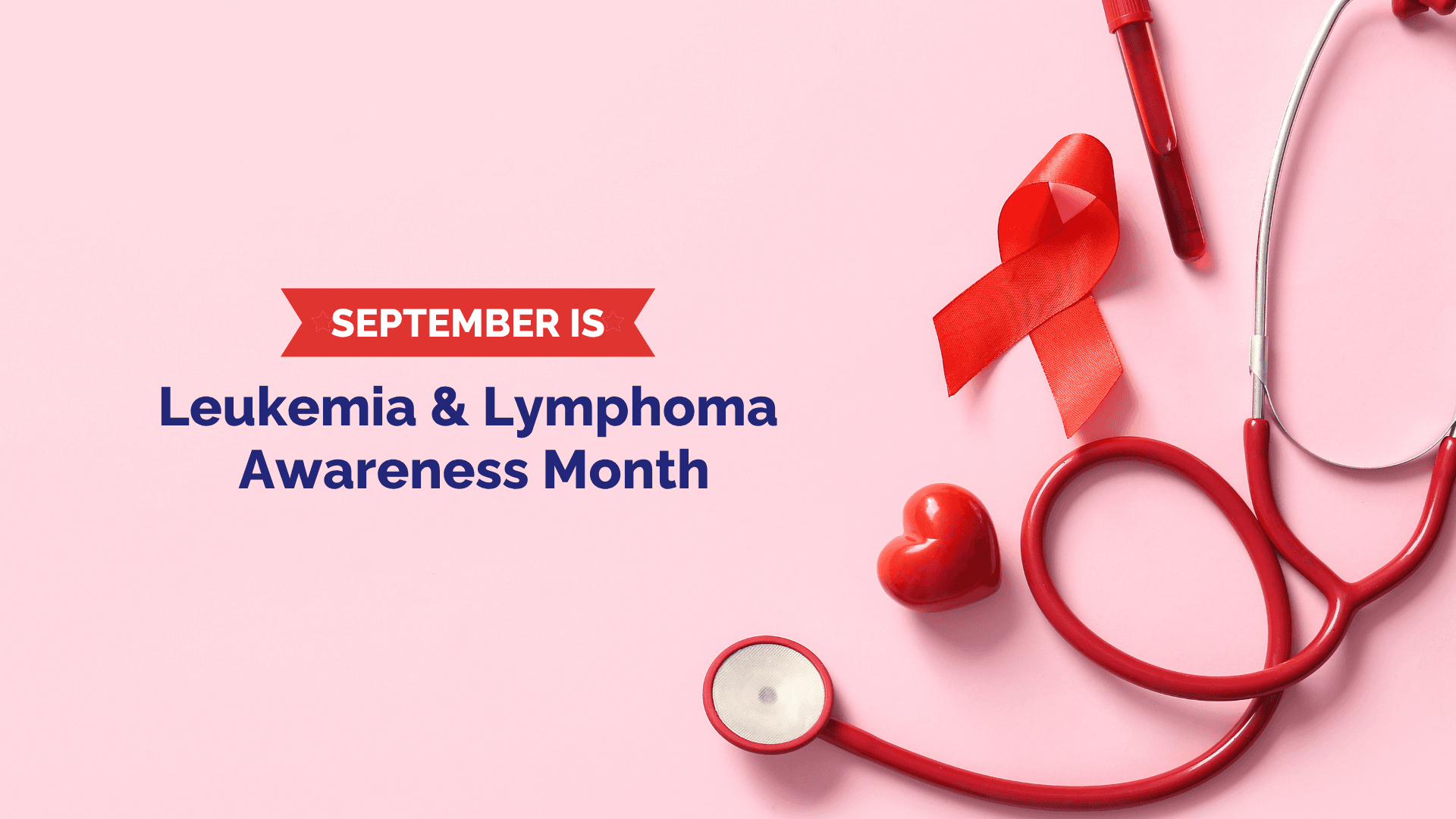
In recognition of Leukemia and Lymphoma Awareness Month, ACCC compiled a group of resources to help care teams navigate two of the most commonly diagnosed adult leukemias: acute myeloid leukemia and chronic lymphocytic leukemia.