ACCC association of cancer care centers
Join/Renew
Login
Join/Renew
Login
Education & Resources
ACCC eXchange LogInSponsored Education from ACCC Corporate PartnersACCC eLearning LogInPresentations & Abstracts
Publications
Oncology IssuesPatient Assistance & Reimbursement GuideTrending Now in Cancer CareBusiness Case Studies for Hiring New Staff
Events
2026 ACCC Leadership SummitAnnual Meeting & Cancer Center Business SummitCapitol Hill DayNational Oncology ConferenceOncology Reimbursement MeetingsOncology State Society Meetings
Policy & Advocacy
ACCC 2026 Policy PrioritiesLetters & StatementsAccess, Payment & Reimbursement ReformWhite Bagging & Brown BaggingAdvocacy ResourcesCancer Moonshot
Membership
Join | RenewWho We AreMembership Types & BenefitsCorporate MembersACCC Member Portal FAQMember Directory
Partners
Oncology State SocietiesPartner OrganizationsCME
News
News ReleasesAdvocacy News ReleasesOncology News
About ACCC
Timeline / 50th Anniversary2025 Impact ReportPresident's ThemeACCC Innovator AwardsACCC FellowsBoard of TrusteesACCC Senior Staff
Breast CancerMetastatic Breast Cancer
Gastrointestinal CancerBiliary Tract CancerColorectal CancerGastric CancerLiver Cancer
Genitourinary CancerBladder CancerProstate CancerRenal Cell Carcinoma
Gynecologic Cancer
Head & Neck Cancer
Hematologic MalignanciesAcute Lymphocytic Leukemia (ALL)Acute Myeloid Leukemia (AML)Chronic Lymphocytic Leukemia (CLL)Mantle Cell Lymphoma (MCL)Multiple Myeloma (MM)Myelodysplastic Syndromes (MDS)
Lung CancerNon-Small Cell Lung Cancer (NSCLC)Small Cell Lung Cancer (SCLC)
Sarcoma
Skin CancerMelanomaNon-Melanoma Skin Cancers (NMSC)
Clinical Practice & TreatmentCancer DiagnosticsCare CoordinationEHR Integration for Biomarker TestingQuality Improvement Collaboration: Integration of Precision Medicine in Community OncologyTreatment
Financial NavigationFAN Boot CampFinancial Advocacy Network (FAN) Resource LibraryPatient Assistance & Reimbursement GuidePrior Authorization
Health Equity & Access3, 2, 1, Go! Practical Solutions for Addressing Cancer Care DisparitiesAppalachian Community Cancer AllianceOncology Advanced PractitionersPersonalizing Care for Patients of All BackgroundsSocial Drivers of Health
Patient-Centered CareAddressing Care Disparities for VeteransAdolescent and Young Adult (AYA)Care Action Plans for People with CancerDermatologic ToxicitiesEmpowering CaregiversGeriatric OncologyHealth LiteracyNutritionOncology PharmacyPatient NavigationPsychosocial Care in OncologyShared Decision-MakingSupportive CareSurvivorship Care
Practice Management & OperationsCancer Program FundamentalsLeadership Sustainment and Engagement VideosOncology Practice Transformation and Integration CenterOncology Team Resiliency
ResearchACCC Community Oncology Research Institute (ACORI)
Technology & InnovationTelehealth & Digital Medicine
ACCCBuzz Blog
CANCER BUZZ Podcast
Oncology Issues
Join/Renew
Login
Breast CancerMetastatic Breast Cancer
Gastrointestinal CancerBiliary Tract CancerColorectal CancerGastric CancerLiver Cancer
Genitourinary CancerBladder CancerProstate CancerRenal Cell Carcinoma
Gynecologic Cancer
Head & Neck Cancer
Hematologic MalignanciesAcute Lymphocytic Leukemia (ALL)Acute Myeloid Leukemia (AML)Chronic Lymphocytic Leukemia (CLL)Mantle Cell Lymphoma (MCL)Multiple Myeloma (MM)Myelodysplastic Syndromes (MDS)
Lung CancerNon-Small Cell Lung Cancer (NSCLC)Small Cell Lung Cancer (SCLC)
Sarcoma
Skin CancerMelanomaNon-Melanoma Skin Cancers (NMSC)
Clinical Practice & TreatmentCancer DiagnosticsCare CoordinationEHR Integration for Biomarker TestingQuality Improvement Collaboration: Integration of Precision Medicine in Community OncologyTreatment
Financial NavigationFAN Boot CampFinancial Advocacy Network (FAN) Resource LibraryPatient Assistance & Reimbursement GuidePrior Authorization
Health Equity & Access3, 2, 1, Go! Practical Solutions for Addressing Cancer Care DisparitiesAppalachian Community Cancer AllianceOncology Advanced PractitionersPersonalizing Care for Patients of All BackgroundsSocial Drivers of Health
Patient-Centered CareAddressing Care Disparities for VeteransAdolescent and Young Adult (AYA)Care Action Plans for People with CancerDermatologic ToxicitiesEmpowering CaregiversGeriatric OncologyHealth LiteracyNutritionOncology PharmacyPatient NavigationPsychosocial Care in OncologyShared Decision-MakingSupportive CareSurvivorship Care
Practice Management & OperationsCancer Program FundamentalsLeadership Sustainment and Engagement VideosOncology Practice Transformation and Integration CenterOncology Team Resiliency
ResearchACCC Community Oncology Research Institute (ACORI)
Technology & InnovationTelehealth & Digital Medicine
ACCCBuzz Blog
CANCER BUZZ Podcast
Oncology Issues
    • Education & Resources
    • Publications
    • Events
    • Policy & Advocacy
    • Membership
    • Partners
    • News
    • About ACCC
ACCC association of cancer care centers
5425 Wisconsin Ave #600, Chevy Chase, MD 20815
Tel: 301.984.9496 Email Us
Contact UsVolunteers
Advertise
Career Center
Terms and Conditions
Privacy Policy
ACCC Rebranding
Copyright © 2026 Association of Cancer Care Centers. All Rights Reserved.
HomeACCCBuzz Blog

Fostering Excellence in Care and Outcomes for Patients with Stage III and IV NSCLC

November 13, 2020

Growing knowledge of NSCLC subtypes and molecular biomarkers for this disease has led to changes in how NSCLC is diagnosed and staged.
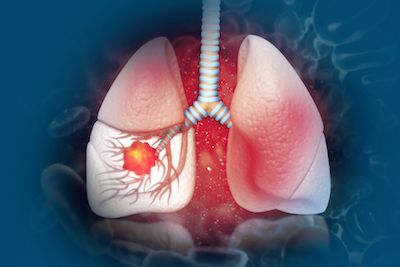
Fostering Excellence in Care and Outcomes for Patients with Stage III and IV NSCLC

Lung cancer remains the leading cause of cancer death in the United States with non-small cell lung cancer (NSCLC) accounting for the vast majority (80-85 percent) of newly diagnosed cases. Growing knowledge of NSCLC subtypes and molecular biomarkers for this disease has led to changes in how NSCLC is diagnosed and staged. This has resulted in more complexity in treatment planning and decision-making, particularly for patients diagnosed with locally advanced stage III and metastatic stage IV disease. Although more treatment options are now available to these patients, fragmentation in the U.S. healthcare system can often impede consistent access to optimal care for all patients diagnosed with locally advanced or metastatic lung cancer.

ACCC's research on effective practices in NSCLC treatment has been accepted at numerous conferences this fall. In recognition of Lung Cancer Awareness Month, here’s a look at the posters and abstracts we've recently contributed to the oncology community.

Variable Definitions of "Unresectable" Stage III NSCLC Among Lung Cancer Specialists
Poster presented at the IASCLC 2020 North America Conference on Lung Cancer October 16

Stage III NSCLC is a heterogeneous disease that often elicits differing opinions regarding what is “unresectable” depending on the specialist and treatment setting. Using survey data, we sought to characterize opinions regarding the resectability of stage III NSCLC.

Most thoractic surgeons, medical oncologists, and pulmonologists do not consider CT or PET/CT evidence alone, or low-volume mediastinal disease to be unresectable, although a majority do consider mediastinal nodal metastases confirmed by biopsy, bulky nodal disease, or contralateral disease as unresectable. Some differences exist based on specialty and practice setting. Efforts by national organizations to standardize practice approaches and definitions of unresectability in stage III NSCLC may optimize care in this setting.

Improving Care for Patients With Stage III/IV NSCLC: Learnings for Multidisciplinary Teams at ASCO Quality Care Symposium
Abstract presented at the 2020 ASCO Quality Care Symposium October 9

Improving Care for Patients With Stage III/IV NSCLC: Learnings for Multidisciplinary Teams from the ACCC National Quality Survey
Poster presented at the IASCLC 2020 North America Conference on Lung Cancer October 16

We designed a quality metric for ideal NSCLC care that guided the development of a national survey to improve understanding of the diagnosis and management of patients with stage III/IV NSCLC across different U.S.-based practice settings. The research lays the groundwork for designing and executing process improvement plans to address the barriers identified by the survey.

The survey provides an overview of the barriers to quality care for patients with stage III/IV NSCLC, including a lack of consistent use of multidisciplinary teams, optimized diagnosis using biomarker testing, and timely, complete staging of patients in U.S. cancer programs. Multiple opportunities exist to improve the quality and delivery of care for patients with stage III/IV NSCLC by enhancing screening, diagnosis, treatment, and care coordination for better outcomes in this patient population.

Defining High-Quality NSCLC Care at US Cancer Centers
Abstract presented at the 2020 ASCO Quality Care Symposium October 9

Rapidly evolving staging systems, diagnostic procedures, and treatment options have added complexity to existing treatment algorithms for NSCLC, and fragmentation within the U.S. healthcare system impedes consistent access to equitable care. Although multiple aspects of NSCLC management are addressed by existing guidelines, several critical features, including patient education on all aspects of NSCLC (e.g., diagnosis, staging, and treatment) and access to a multidisciplinary team care navigator for information on the financial aspects of treatment, remain unaddressed. Consequently, guidance spanning the complete care pathway is lacking.

ACCC’s initiative resulted in the development of 32 quality recommendations organized into four key care areas of the patient journey: diagnosis and biomarker testing, staging and treatment planning, care coordination and patient education, and survivorship.

Improving Non-Small Cell Lung Cancer Care Delivery: Findings for Oncology Nurses and Patient Navigators From a National Quality Survey
Abstract presented at the 2020 AONN+ Annual Conference November 6

Oncology nursing and patient navigation are vital components of optimal cancer care planning, coordination, and delivery within multidisciplinary teams (MDTs). Although widely implemented in clinical practice since its inception,the design and delivery of patient navigation services in cancer care is often heterogeneous. The role and function of patient navigation within cancer care MDTs, including evidence-based interventions that can positively impact patient outcomes, need further clarification.

In 2019, ACCC and its partners implemented a multiphase initiative for advanced (stage III/IV) NSCLC. They found that programs with navigators for patients with NSCLC better promoted and coordinated shared decision-making (SDM) practices. However, there is a significant shortage of navigators across cancer programs to assist patients with NSCLC: 22% of respondents reported no nurse or lay navigator in their program

Improving Care for Patients With Stage III/IV NSCLC: Learnings for Thoracic Surgeons and Radiation Oncologists From a National Quality Survey
Presentation at the ASTRO 2020 Annual Meeting October 27

Multidisciplinary teams (MDTs) could help optimize quality of care by enhancing patient involvement in decision-making, timely care delivery, accurate staging, and appropriate treatment planning. Evolving treatment modalities for stage III and IV NSCLC warrant multidisciplinary collaborations. Thoracic surgeons (TSs), radiation oncologists (ROs), and medical oncologists (MOs) as part of MDTs could play major roles in defining unresectability, diagnosis and treatment planning, and the management of patients with inoperable stage III and stage IV NSCLC.

ACCC conducted a national survey of multidisciplinary specialists, including TSs, ROs, and MOs, to obtain insights into the care of patients with advanced NSCLC across 160 U.S. community cancer programs. Mean engagement scores in shared decision-making for TSs, ROs, and MOs ranged from 3.29 to 4.73 out of 5, demonstrating occasional or frequent engagement in shared decision-making by these key specialties, suggesting opportunities for improvement.

Improving the Staging and Diagnosis of Patients With Stage III/IV Non-Small Cell Lung Cancer: Findings for Pathology and Pulmonary Medicine From a National Quality Survey
Presentation at the CAP 2020 Virtual Meeting October 10

Systematic staging and guideline-consistent biomarker testing are critical to the evaluation, treatment, and prognosis of stage III/IV NSCLC. Pathologists and pulmonologists were among the key respondents to a national quality survey that identified barriers to ideal NSCLC care delivery that could inform process improvements. The survey revealed that a significantly higher proportion of pathologists—compared to other specialists—were unfamiliar with the science behind liquid biopsy testing and tumor mutational burden.

To further the cause of improving NSCLC care, ACCC has created a suite of tools and resources:

  • National NSCLC Quality Care Initiative
  • Process Improvement Initiative for NSCLC Care Delivery
  • NSCLC Resource Library
  • Fostering Excellence in Care and Outcomes in Patients with Stage III and IV NSCLC

Related Content

Beyond the Algorithm: Using AI Across the Breast Cancer Care Continuum ACCCBuzz Blog

Beyond the Algorithm: Using AI Across the Breast Cancer Care Continuum

October 9, 2026

Addressing the In-Between: AYAs and Multifaceted Cancer TreatmentACCCBuzz Blog

Addressing the In-Between: AYAs and Multifaceted Cancer Treatment

Jenna Pierson

September 30, 2026

From Diagnosis to Survivorship: Understanding AML and CLL From End to End

Upcoming Events

ACCC 43rd National Oncology Conference

ACCC 43rd National Oncology Conference

In Person October 21, 2026 at 8:00 AM EDT450 Summer St, Boston, MA 02210, USAOmni Boston Hotel at the Seaport, Boston
Register Now!
ACCC Oncology Reimbursement Meeting | Reno

ACCC Oncology Reimbursement Meeting | Reno

In Person November 4, 2026 at 8:00 AM EST255 North Virginia Street, Reno, NV, USAWhitney Peak Hotel Reno, Tapestry Collection by Hilton,
Register Now!
ACCC Oncology Reimbursement Meeting | Providence

ACCC Oncology Reimbursement Meeting | Providence

In Person November 10, 2026 at 8:00 AM EST5 Avenue of the Arts, Providence, RI, USARenaissance Providence Downtown Hotel,
Register Now!
ACCC Leadership Summit

ACCC Leadership Summit

In Person April 22, 2027 at 8:00 AM EDTInterContinental the Willard Washington D.C. by IHG, 1401 Pennsylvania Ave NW, Washington, DC 20004, USAWillard Intercontinental,
Register Now!
Advertisement
Advertisement

Trending Now on
ACCCBuzz Blog

Beyond the Algorithm: Using AI Across the Breast Cancer Care Continuum

Beyond the Algorithm: Using AI Across the Breast Cancer Care Continuum

Artificial intelligence is increasingly being used by cancer care professionals to streamline workflows, optimize screening, and identify the best treatment and survivorship plans for patients with cancer. Learn how the technology's potential is being harnessed in the breast cancer care space.

Addressing the In-Between: AYAs and Multifaceted Cancer Treatment

Addressing the In-Between: AYAs and Multifaceted Cancer Treatment

From mental health concerns to fertility preservation, adolescents and young adults with cancer require a specialized approach to treatment and survivorship care. In honor of Childhood Cancer Awareness Month, ACCC highlights a pivotal program from the University of North Carolina Lineberger Comprehensive Cancer Center and resources that meet the critical needs of these patients.

ACCCBuzz Blog

From Diagnosis to Survivorship: Understanding AML and CLL From End to End

Rachel Radwan

September 28, 2026

Gynecologic Cancer Awareness Month: Expanding Access and Improving OutcomesACCCBuzz Blog

Gynecologic Cancer Awareness Month: Expanding Access and Improving Outcomes

Jenna Pierson; Gabrielle Stearns

September 25, 2026

ACCC’s Comments on the 2026 CMS Interim Final RuleACCCBuzz Blog

ACCC’s Comments on the 2026 CMS Interim Final Rule

Rachel Radwan

September 24, 2026

Decentralized Clinical Trials in Community Oncology: Advancing Access Requires More Than TechnologyACCCBuzz Blog

Decentralized Clinical Trials in Community Oncology: Advancing Access Requires More Than Technology

September 10, 2026

Highlights From Volume 41, Number 4 Oncology IssuesACCCBuzz Blog

Highlights From Volume 41, Number 4 Oncology Issues

Gabrielle Stearns

August 20, 2026

Transforming Access to Care Through Pre-Intake NavigationACCCBuzz Blog

Transforming Access to Care Through Pre-Intake Navigation

Rachel Radwan

August 6, 2026

From Diagnosis to Survivorship: Understanding AML and CLL From End to End

From Diagnosis to Survivorship: Understanding AML and CLL From End to End

In recognition of Leukemia and Lymphoma Awareness Month, ACCC compiled a group of resources to help care teams navigate two of the most commonly diagnosed adult leukemias: acute myeloid leukemia and chronic lymphocytic leukemia.

Gynecologic Cancer Awareness Month: Expanding Access and Improving Outcomes

Gynecologic Cancer Awareness Month: Expanding Access and Improving Outcomes

An at-home option for cervical cancer screening breaks down barriers to care and offers the same level of precision as screening in the clinic.

View All ACCCBuzz Blogs

Recently Heard on
CANCER BUZZ Podcast

Bringing CAR T-Cell Therapy to the Community Setting - Mini Podcast [Ep. 242]

Embedding Local Expertise in Rural Cancer Prevention - Podcast [Ep. 241]

From Reactive to Proactive: Improving Access to Cancer Care Through Pre-Intake Navigation - [Podcast] Ep. 240

Real-World Oncology Decentralized Trials - [Video Podcast] Ep. 66

View All Podcasts

Latest from Oncology Issues

August 2026
August 2026
June 2026
April 2026
February 2026
December 2025
View All Oncology Issues

Join the Conversation

ACCC eXchange Digital Banner
Login