ACCC association of cancer care centers
Join/Renew
Login
Join/Renew
Login
Education & Resources
ACCC eXchange LogInCorporate Member Sponsored ResourcesPresentations & AbstractsACCC Connect eLearning LogIn
Publications
Oncology IssuesPatient Assistance & Reimbursement GuideTrending Now in Cancer CareBusiness Case Studies for Hiring New Staff
Events
2026 ACCC Leadership SummitAnnual Meeting & Cancer Center Business SummitCapitol Hill DayNational Oncology ConferenceOncology Reimbursement MeetingsOncology State Society Meetings
Policy & Advocacy
ACCC 2026 Policy PrioritiesLetters & StatementsAccess, Payment & Reimbursement ReformWhite Bagging & Brown BaggingAdvocacy ResourcesCancer Moonshot
Membership
Join | RenewWho We AreMembership Types & BenefitsCorporate MembersACCC Member Portal FAQMember Directory
Partners
Oncology State SocietiesPartner OrganizationsCME
News
News ReleasesAdvocacy News ReleasesOncology News
About ACCC
Timeline / 50th Anniversary2025 Impact ReportPresident's ThemeACCC Innovator AwardsACCC FellowsBoard of TrusteesACCC Senior Staff
Breast CancerMetastatic Breast Cancer
Gastrointestinal CancerBiliary Tract CancerColorectal CancerGastric CancerLiver Cancer
Genitourinary CancerBladder CancerProstate CancerRenal Cell Carcinoma
Gynecologic CancerOvarian Cancer
Head & Neck Cancer
Hematologic MalignanciesAcute Lymphocytic Leukemia (ALL)Acute Myeloid Leukemia (AML)Chronic Lymphocytic Leukemia (CLL)Mantle Cell Lymphoma (MCL)Multiple Myeloma (MM)Myelodysplastic Syndromes (MDS)
Lung CancerNon-Small Cell Lung Cancer (NSCLC)Small Cell Lung Cancer (SCLC)
Sarcoma
Skin CancerMelanomaNon-Melanoma Skin Cancers (NMSC)
Clinical Practice & TreatmentCancer DiagnosticsCare CoordinationEHR Integration for Biomarker TestingQuality Improvement Collaboration: Integration of Precision Medicine in Community OncologyTreatment
Financial NavigationFAN Boot CampFinancial Advocacy Network (FAN) Resource LibraryPatient Assistance & Reimbursement GuidePrior Authorization
Health Equity & Access3, 2, 1, Go! Practical Solutions for Addressing Cancer Care DisparitiesAppalachian Community Cancer AllianceOncology Advanced PractitionersPersonalizing Care for Patients of All BackgroundsSocial Drivers of Health
Patient-Centered CareAddressing Care Disparities for VeteransAdolescent and Young Adult (AYA)Care Action Plans for People with CancerDermatologic ToxicitiesEmpowering CaregiversGeriatric OncologyHealth LiteracyNutritionOncology PharmacyPatient NavigationPsychosocial Care in OncologyShared Decision-MakingSupportive CareSurvivorship Care
Practice Management & OperationsCancer Program FundamentalsLeadership Sustainment and Engagement VideosOncology Practice Transformation and Integration CenterOncology Team Resiliency
ResearchACCC Community Oncology Research Institute (ACORI)
Technology & InnovationTelehealth & Digital Medicine
ACCCBuzz Blog
CANCER BUZZ Podcast
Oncology Issues
Join/Renew
Login
Breast CancerMetastatic Breast Cancer
Gastrointestinal CancerBiliary Tract CancerColorectal CancerGastric CancerLiver Cancer
Genitourinary CancerBladder CancerProstate CancerRenal Cell Carcinoma
Gynecologic CancerOvarian Cancer
Head & Neck Cancer
Hematologic MalignanciesAcute Lymphocytic Leukemia (ALL)Acute Myeloid Leukemia (AML)Chronic Lymphocytic Leukemia (CLL)Mantle Cell Lymphoma (MCL)Multiple Myeloma (MM)Myelodysplastic Syndromes (MDS)
Lung CancerNon-Small Cell Lung Cancer (NSCLC)Small Cell Lung Cancer (SCLC)
Sarcoma
Skin CancerMelanomaNon-Melanoma Skin Cancers (NMSC)
Clinical Practice & TreatmentCancer DiagnosticsCare CoordinationEHR Integration for Biomarker TestingQuality Improvement Collaboration: Integration of Precision Medicine in Community OncologyTreatment
Financial NavigationFAN Boot CampFinancial Advocacy Network (FAN) Resource LibraryPatient Assistance & Reimbursement GuidePrior Authorization
Health Equity & Access3, 2, 1, Go! Practical Solutions for Addressing Cancer Care DisparitiesAppalachian Community Cancer AllianceOncology Advanced PractitionersPersonalizing Care for Patients of All BackgroundsSocial Drivers of Health
Patient-Centered CareAddressing Care Disparities for VeteransAdolescent and Young Adult (AYA)Care Action Plans for People with CancerDermatologic ToxicitiesEmpowering CaregiversGeriatric OncologyHealth LiteracyNutritionOncology PharmacyPatient NavigationPsychosocial Care in OncologyShared Decision-MakingSupportive CareSurvivorship Care
Practice Management & OperationsCancer Program FundamentalsLeadership Sustainment and Engagement VideosOncology Practice Transformation and Integration CenterOncology Team Resiliency
ResearchACCC Community Oncology Research Institute (ACORI)
Technology & InnovationTelehealth & Digital Medicine
ACCCBuzz Blog
CANCER BUZZ Podcast
Oncology Issues
    • Education & Resources
    • Publications
    • Events
    • Policy & Advocacy
    • Membership
    • Partners
    • News
    • About ACCC
ACCC association of cancer care centers
1801 Research Boulevard, Suite 400, Rockville, MD 20850
Tel: 301.984.9496 Email Us
Contact UsVolunteers
Advertise
Career Center
Terms and Conditions
Privacy Policy
ACCC Rebranding
Copyright © 2026 Association of Cancer Care Centers. All Rights Reserved.
HomeACCCBuzz Blog

June Is Cancer Immunotherapy Month

June 25, 2020

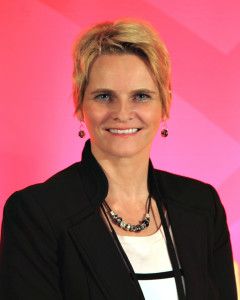
In recognition of Cancer Immunotherapy Month, ACCCBuzz talked to Sigrun Hallmeyer, MD, the chair of the ACCC Immuno-Oncology Institute’s Executive Committee.
June Is Cancer Immunotherapy Month

Eight years ago, the Cancer Research Institute designated June as Cancer Immunotherapy Month, an annual effort to increase awareness of cancer immunotherapy clinical trials and the need for more funding for immunotherapy (IO) research.

During the past decade, IO research has made tremendous strides in bringing new, life-saving treatments to patients with cancer. The FDA has approved immunotherapies to treat more than 20 types of cancer, as well as cancers with specific genetic mutations. There are now IO options for front-line therapy, in which immunotherapies are the first course of treatment rather than potentially toxic chemotherapy or radiation treatments. Immunotherapies have also been shown to work synergistically with other treatments, giving patients additional options.

In recognition of Cancer Immunotherapy Month, ACCCBuzz talked to Sigrun Hallmeyer, MD, the chair of the ACCC Immuno-Oncology Institute’s Executive Committee. Dr. Hallmeyer is the director of the Cancer Institute and medical director of the Cancer Survivorship Program at Advocate Lutheran General Hospital in Park Ridge, Ill.

Dr. Hallmeyer is also the co-director of the PRC Russell Institute for Research and Innovation. She specializes in the treatment of breast cancer and melanoma and has an avid interest in immuno-oncology. Dr. Hallmeyer has served on American Society of Clinical Oncology expert panels for the management of immunotherapy-related toxicities and for sexual dysfunction in cancer survivors.

ACCCBuzz: What is the most promising IO research today?

Dr. Hallmeyer: We are expanding the efficacy of what we’ve already accomplished in the treatment of diseases that have historically responded to IO. Specifically, treatments for kidney cancer and melanoma are constantly evolving, and we are optimizing the drugs already approved by the FDA in terms of scheduling changes.

For example, many of these drugs are now given every four weeks or every six weeks, when it used to be every two weeks or every three weeks, significantly increasing patient convenience. We are also becoming much better at identifying the side effects of IO treatment early, so patients are able to continue therapy because their toxicities are managed early and aggressively before they become so severe that patients need to stop treatment. And then there are so many new treatment combinations, of old agents with new agents, and brand-new agents with new agents—new combination therapies that are being employed to treat diseases that historically have not responded to IO.

ACCCBuzz: What is the role of IO in survivorship?

Dr. Hallmeyer: It’s huge. IO and survivorship have become practically synonymous. IO is delivering on the promise of helping cancer patients living longer. Some of these patients may not necessarily be cured, but they can now live with their malignancies.

Where people have historically been preparing for their deaths, now they're preparing for a prolonged survival, living with their disease while in continual treatment. With IO, getting treatment for long periods has become bearable. That is because there are very few cumulative toxicities that occur with IO treatment—unlike getting chemotherapy, where many patients have to stop treatment not because their cancer didn't respond, but because they could not live with the cumulative toxicities the chemo causes.

None of that applies to immunotherapy. When a patient responds to IO, they can be exposed to these treatments for months and even years, so survivorship has completely changed for many patients with metastatic disease. Ultimately, patients will die from their illness, but how they die—and, more important, how they live—has completely changed with the advent of immunotherapies.

ACCCBuzz: Has there been progress in educating healthcare professionals about how to respond to IO adverse events?

Dr. Hallmeyer: I think that's probably where we've made the biggest improvement. There is so much education and so many publications in terms of the importance of early intervention and early recognition of immune-related side effects. That has really impacted patients’ candidacy for continued immunotherapy, and it is ultimately the key to being successful with IO. Many different professional societies have come up with guidelines, and I think physicians really take advantage of them. And not just physicians, but nurse practitioners and nurses too—the whole care team.

This has made a huge impact on our ability to manage immunotherapy patients and educate them about when to call the oncologist and when to come to the emergency room. If they do go to the ER, they know to tell doctors that they are not on chemotherapy; they are immunotherapy recipients and may have an immune-related side effect. I think the learning curve across the board has been significant, not just for providers, but also for patients in understanding the potential toxicities that they may experience and the importance of treating them effectively the first time. Teaching that has really made a big difference.

ACCCBuzz: What is the overall status of physician adoption of IO therapies?

Dr. Hallmeyer: When we started all this back in 2011, when physicians spoke to other doctors about IO and how to respond to side effects, the common response was, “Oh, I will never deal with that. This is like bone marrow transplantation; if I see a patient who qualifies for this treatment, I’ll just refer them to someone with more expertise. This is not something I'm going to get into.” That was the theme when IO was introduced a decade ago. If you still have that kind of response today, you will refer yourself out of business. IO has become the mainstay of therapy for much of what we do in both immunology and medical oncology, so today’s physicians must gain that experience. Even if you haven’t necessarily absorbed that type of knowledge in a conference or haven’t read the research, you’ve been exposed to it so much now, you are expected to have learned it on your own.

I think the huge learning curve that IO presented has significantly flattened out just by virtue of the explosive availability of IO therapies in the community, and the sheer necessity for physicians to learn to work with this particular class of drug. In many cases, it has become the standard of care, and if you want to practice oncology today, you have to understand it.

*****

Since its founding in 2015, the ACCC Immuno-Oncology Institute has worked to guide multidisciplinary cancer care teams in their adoption of IO in community cancer centers. Through clinical education, advocacy, research, and practice management solutions, the IO Institute seeks to bring new therapies to the treatment of traditionally recalcitrant cancers.

Recent IO Institute publications include Survivorship Care Plans for Patients Receiving Immunotherapy, a resource for cancer programs and practices that describes processes for developing survivorship care plans (SCPs), effective practices in SCP design, and considerations for SCP delivery in community cancer centers.

Immuno-Oncology in 2020: What We’ve Learned and What Lies Ahead addresses how to meet the needs of the evolving multidisciplinary cancer care team and the needs of other interdisciplinary providers involved in caring for patients treated with IO. Other IO Institute resources include education programs, podcasts, white papers, journal articles, blog posts, and other tools.


Related Content

Innovation, Policy, and Partnership: Key Takeaways From the Inaugural ACCC Leadership SummitACCCBuzz Blog

Innovation, Policy, and Partnership: Key Takeaways From the Inaugural ACCC Leadership Summit

Gabrielle Stearns

April 20, 2026

Bispecific Antibodies Are Moving Forward; So Are the Implementation QuestionsACCCBuzz Blog

Bispecific Antibodies Are Moving Forward; So Are the Implementation Questions

Rifeta Kajdić Hodžić

April 17, 2026

Highlights From Volume 41, Number 2 Oncology IssuesACCCBuzz Blog

Highlights From Volume 41, Number 2 Oncology Issues

Gabrielle Stearns

April 15, 2026

Developing Clinical Insight, Professional Competencies, and Strategic Awareness: NCCN 2026 Annual ConferenceACCCBuzz Blog

Developing Clinical Insight, Professional Competencies, and Strategic Awareness: NCCN 2026 Annual Conference

Rachel Radwan; Gabrielle Stearns

April 8, 2026

Representing Veterans in Clinical Trials Through Public-Private Partnerships: A Q&A With NAVREFACCCBuzz Blog

Representing Veterans in Clinical Trials Through Public-Private Partnerships: A Q&A With NAVREF

Gabrielle Stearns

March 26, 2026

Confronting a Lethal Cancer: Duke Launches Multidisciplinary Pancreatic Cancer Center for Earlier Detection and Better OutcomesACCCBuzz Blog

Confronting a Lethal Cancer: Duke Launches Multidisciplinary Pancreatic Cancer Center for Earlier Detection and Better Outcomes

Rachel Radwan

March 25, 2026

From Hospital to Home: A Solution for Proactive Symptom Monitoring and Precise Care ACCCBuzz Blog

From Hospital to Home: A Solution for Proactive Symptom Monitoring and Precise Care

Rachel Radwan

March 23, 2026

A Candid Conversation About the Power of Early Palliative CareACCCBuzz Blog

A Candid Conversation About the Power of Early Palliative Care

Monique J. Marino

March 19, 2026

Upcoming Events

ACCC Oncology Reimbursement Meeting | Charleston
Oncology

ACCC Oncology Reimbursement Meeting | Charleston

In Person Meeting & NetworkingMay 6, 2026 at 8:00 AM EDT560 King Street, Charleston, SC, USAHyatt Place + Hyatt House Charleston - Historic District, Charleston
Register Now!
ACCC Oncology Reimbursement Meeting | St. Louis
Oncology

ACCC Oncology Reimbursement Meeting | St. Louis

In Person Meeting & NetworkingMay 13, 2026 at 8:00 AM CDT1335 South Lindbergh Boulevard, St. Louis, MO, USAHilton St. Louis Frontenac, St. Louis
Register Now!
ACCC 43rd National Oncology Conference
Oncology

ACCC 43rd National Oncology Conference

In Person Conference & ConventionOctober 21, 2026 at 8:00 AM MDT450 Summer St, Boston, MA 02210Omni Boston Hotel at the Seaport, Boston
Register Now!
IOS 2026 Fellows Dinner Meeting
Oncology

IOS 2026 Fellows Dinner Meeting

In Person Conference & ConventionApril 22, 2026 at 6:00 PM CDT210 S Dubuque St, Iowa City, IA 52240, USAGraduate by Hilton Iowa City, Iowa City
Register Now!
Precision in Practice: Translating MRD Into Oncology Care
Oncology

Precision in Practice: Translating MRD Into Oncology Care

In Person Conference & ConventionApril 28, 2026 at 5:30 PM EDT1020 South Calhoun Street, Fort Wayne, IN, USAHilton Fort Wayne at the Grand Wayne Center, Fort Wayne
Register Now!
MOS 2026 Spring Conference
Oncology

MOS 2026 Spring Conference

In Person Conference & ConventionApril 28, 2026 at 5:15 PM CDT1111 East Broadway, Columbia, MO, USAThe Broadway Columbia (A DoubleTree by Hilton), Columbia
Register Now!
RIOS 2026 Spring Symposium
Oncology

RIOS 2026 Spring Symposium

In Person Conference & ConventionMay 9, 2026 at 11:00 AM EDT4 Richmond Square, Providence, RI 02906, USAWaterman Grille, Providence
Register Now!
 HSCO 2026 May Dinner Symposium
Oncology

HSCO 2026 May Dinner Symposium

In Person Conference & ConventionMay 13, 2026 at 5:30 PM HST6600 Kalanianaʻole Highway suite 110, Honolulu, HI, USARoy's Restaurants – Hawaii Kai, Honolulu
Register Now!
WSOS 2026 Laramie Meeting
Oncology

WSOS 2026 Laramie Meeting

In Person Conference & ConventionMay 20, 2026 at 5:30 PM MDT222 South 22nd Street, Laramie, WY, USAUniversity of Wyoming – Rochelle Gateway Center, Laramie
Register Now!
WAHO 2026 Welcome Reception
Oncology

WAHO 2026 Welcome Reception

In Person Conference & ConventionMay 30, 2026 at 5:30 PM CDT1060 W Addison St, Chicago, IL, USAWrigley Field , Chicago
Register Now!
Advertisement
Advertisement

Trending Now on
ACCCBuzz Blog

Innovation, Policy, and Partnership: Key Takeaways From the Inaugural ACCC Leadership Summit

Innovation, Policy, and Partnership: Key Takeaways From the Inaugural ACCC Leadership Summit

On Friday, April 17, ACCC welcomed oncology leaders from around the country to Washington, DC for the inaugural ACCC Leadership Summit, a forum designed for executive-level decision-makers to engage in strategic dialogue, peer-to-peer exchange, and actionable insights at the highest level of oncology leadership.

Bispecific Antibodies Are Moving Forward; So Are the Implementation Questions

Bispecific Antibodies Are Moving Forward; So Are the Implementation Questions

During the HOPA 2026 annual conference, ACCC brought together a small group of oncology pharmacists for a practical, candid conversation about challenges with the implementation of bispecific antibodies that was deeply grounded in real-world experience and what it takes to operationalize care.

Highlights From Volume 41, Number 2 Oncology Issues

Highlights From Volume 41, Number 2 Oncology Issues

From Ghana to Orlando, experts across the multidisciplinary care team share how they are expanding access to clinical trials and supportive care services and improving quality of life for their patients as a result in this Oncology Issues. Read on for a preview of this issue’s articles and dive deeper to learn from colleagues across the country and the globe.

Developing Clinical Insight, Professional Competencies, and Strategic Awareness: NCCN 2026 Annual Conference

Developing Clinical Insight, Professional Competencies, and Strategic Awareness: NCCN 2026 Annual Conference

On day 1 of the NCCN 2026 Annual Conference, attendees heard from experts on the unique issues young adults with cancer face during and post-treatment, advances in treating gastrointestinal cancers, evolving therapies in skin cancers, and novel approaches to treating blood cancers.

View All ACCCBuzz Blogs

Recently Heard on
CANCER BUZZ Podcast

Innovation in Action: Breaking Down the 2025 ACCC Impact Report – [Mini Podcast] Ep. 228

Transforming Palliative Care in Oncology – [Video Podcast] Ep. 227

Streamlining Access to TIL Cell Therapy for Melanoma – [Podcast] Ep. 226

Policy in Practice: Change Hits the Clinic – [Podcast] Ep. 225

View All Podcasts

Latest from Oncology Issues

April 2026
April 2026
February 2026
December 2025
October 2025
August 2025
View All Oncology Issues

Join the Conversation

ACCC eXchange Digital Banner
Login