Author(s):
During the HOPA 2026 annual conference, ACCC brought together a small group of oncology pharmacists for a practical, candid conversation about challenges with the implementation of bispecific antibodies that was deeply grounded in real-world experience and what it takes to operationalize care.
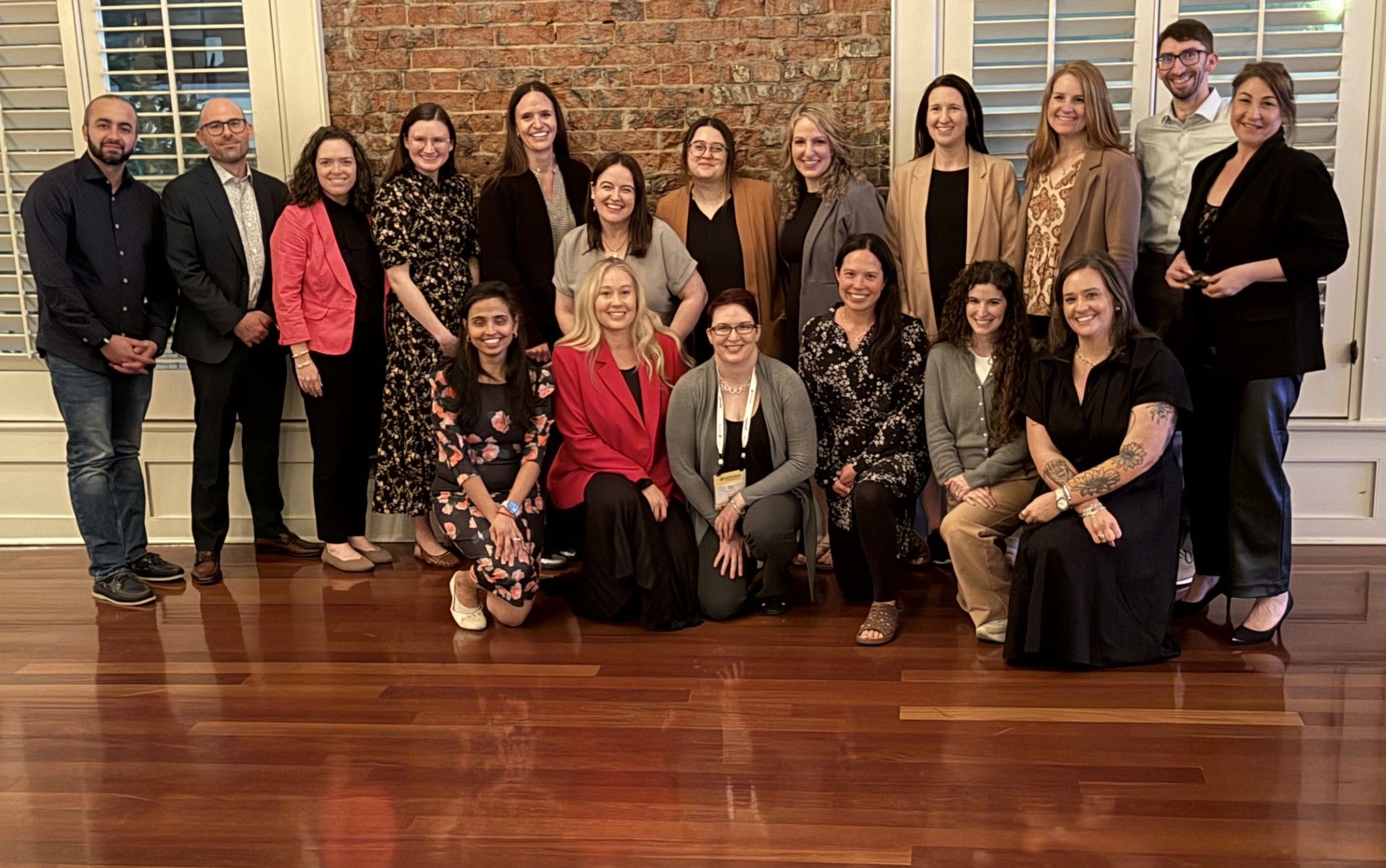
During the Hematology/Oncology Pharmacist Association (HOPA) 2026 annual conference, the Association of Cancer Care Centers (ACCC) brought together a small group of oncology pharmacists for a conversation about bispecific antibodies (BsAbs) and the most salient challenges cancer programs and practices are experiencing with their implementation.
The conversation was practical, candid, and deeply grounded in real-world experience and what it takes to operationalize care. Participants represented a range of practice settings and levels of maturity with BsAb delivery, from programs that are still building internal readiness to those already operationalizing outpatient models and supporting affiliated sites.
What emerged was an honest discussion about what this work looks like right now, what has gotten easier, what still feels messy, and where more support is still needed. Participants engaged in shared problem-solving and received validation by knowing that many programs are grappling with the same questions, even if they are in very different operational contexts. It quickly became apparent that strategic conversations about BsAbs have shifted: For most programs, it is no longer a question of whether this work is coming, but how to approach it in a way that works for their setting. That may sound like a small change in philosophy, but it is actually a big shift. There was a sense around the table that these therapies are no longer something only a few highly specialized centers need to prepare for. The treatment landscape is moving quickly, and as more agents emerge, more indications expand, and more patients become candidates for these therapies, programs are increasingly being pushed to consider their role.
That does not mean every site needs to approach BsAbs in the same way. In fact, one of the most useful parts of the discussion was how clearly participants articulated that readiness can look very different depending on the program. For some organizations, the right starting point may be referring patients out. For others, it may mean partnering with a larger center for step-up dosing and then transitioning patients back for maintenance or ongoing care closer to home. And for others, especially those with the right infrastructure already in place, it may mean moving toward more outpatient-based delivery over time.
One oncology pharmacist commented, “The question is no longer, ‘Do you want to start?’ or even ‘Can you start?’ It’s more about where you’re going to start. Not every program needs to begin in the same place, but every program needs to start thinking about what model makes the most sense for their setting.”
This reframing is key to success, not just with BsAbs, but with any emerging therapy or treatment protocol. Not every program has to start in the same place, but all must thoughtfully consider where they can fit in BsAb implementation.
Another point that came through very clearly in the discussion is that implementing BsAbs is not just about understanding the drug itself, as many of the challenges with implementation live outside the package insert. The group discussed caregiver requirements, travel burden, observation logistics, and what it means when a patient lives hours away from the treatment site.
In addition, cancer programs are realizing how difficult it can be to operationalize when the patient population is geographically spread out or when affiliated sites are at different levels of readiness. Then there are challenges with access to home monitoring equipment, nursing comfort and training, and how even small workflow issues can become big barriers when attempting to start up a new program—an often-underestimated operational component.
From the outside, the challenges with BsAb implementation can seem mostly clinical. But what the pharmacists at the table kept describing were the very real things that determine whether a patient can actually receive treatment in the first place. Considerations such as staffing, monitoring capacity, site-of-care decisions, reimbursement, and the coordination required across teams and settings all underpin the successful implementation of BsAbs long before clinical aspects of this work come into play.
Another theme that emerged is how different the delivery of BsAbs can look from one site to another. Some programs have already built mature workflows and are several steps ahead in terms of operational experience. Others are much earlier in the process and are trying to determine what is realistic given their staffing, inpatient capacity, community footprint, or institutional appetite for change. And even among more experienced programs, there was still a lot of discussion about how they must shift to accommodate the evolving nature of BsAbs. What does the safest and most realistic outpatient approach look like? How much can be standardized? Where does flexibility need to remain? What should be centralized versus pushed out to affiliated sites? How should teams think about sequencing and future agents that may bring different operational demands?
There was no sense that there is one “right” answer yet, and maybe there should not be. What felt more useful was the shared recognition that programs are learning in real time, and that there is value in hearing how others are approaching the same questions. That kind of peer exchange matters, especially in a field where staff are often building workflows while the landscape itself is still changing.
One of the most important takeaways from the evening was how instrumental oncology pharmacists are in this space—not just from a medication or toxicity management standpoint, but across workflow design, education, policy, logistics, and problem-solving. As participants discussed their experiences, it became clear that pharmacists are often the ones helping connect the clinical vision to what is actually possible in practice. They help teams think through what needs to happen before a patient arrives, what needs to be standardized internally, which gaps in education still exist, and which operational blind spots could become problems later. They are often the ones asking the practical questions early enough to make implementation safer and smoother.
This sentiment came through in a very real way during the dinner, not as a talking point, but as a pattern. Again and again, pharmacists described how they were helping hold together parts of the process that do not always sit neatly in 1 lane. It became clear that conversations about BsAbs are most useful when they are pharmacist-led or pharmacist-heavy. The discussion naturally moves beyond theory into the actionable steps necessary for successful implementation.
If there is 1 thing that felt consistent across the conversation, it is that cancer programs and practices need practical, usable resources—not just background information, not just a high-level overview of what BsAbs are, but tools that help teams prepare for implementation thoughtfully and in the most feasible way for their institution. Whatever form that support takes, the need is the same: help that bridges the gap between knowing what is coming and actually being ready for it.
That need for practical support also reinforces the importance of implementation-focused resources. Through its Operationalizing Bispecific Antibodies in Cancer Programs initiative, ACCC has developed tools to help programs think through delivery models, common operational questions, and reimbursement considerations, with the goal of making this work more actionable for teams at different stages of readiness.
Keeping that goal in mind is part of what made the discussion at HOPA 2026 so productive. It was not just a conversation about barriers; it was also about what would genuinely help members of the multidisciplinary care team as they work to overcome them. Sometimes that is the most useful kind of feedback: not just what feels hard, but what would make it easier.
As BsAbs continue to evolve, and as sequencing questions, earlier-line use, and newer immune-engaging therapies move forward, these implementation questions will only become more important. Providers are not just trying to solve today’s access and delivery challenges. They are trying to build systems that can hold as this space keeps changing, from managing step-up dosing to monitoring toxicities.
As these therapies evolve, ACCC will continue to collaborate with oncology pharmacists and multidisciplinary teams to identify where support is still needed and to help develop practical resources that reflect the challenges programs are actively working through in practice. The discussion was also a reminder that some of the most useful conversations in oncology are not always the formal ones. Sometimes they happen around a dinner table, when people are willing to be honest about what they are seeing, what they are trying, and what they still have not figured out yet.
BsAbs are moving quickly, but the real work of implementation is still happening in real time. That means programs will continue to need practical solutions, shared learning, and honest conversations about what is working and what is not. If this dinner reinforced anything, it is that oncology pharmacists are not just part of that work—they are leading it.



From challenging misconceptions about breast cancer to incorporating paramedical tattooing for survivors after reconstruction, gather valuable takeaways from Oncology Issues in observance of Breast Cancer Awareness Month.