ACCC association of cancer care centers
Join/Renew
Login
Join/Renew
Login
Education & Resources
ACCC eXchange LogInCorporate Member Sponsored ResourcesPresentations & AbstractsPresident's ThemeACCC Connect eLearning LogIn
Publications
Oncology IssuesPatient Assistance & Reimbursement GuideTrending Now in Cancer Care
Events
2026 ACCC Leadership SummitAnnual Meeting & Cancer Center Business SummitCapitol Hill DayNational Oncology ConferenceOncology Reimbursement MeetingsOncology State Society Meetings
Policy & Advocacy
2024 Policy Wrap-Up and ACCC 2025 Policy PrioritiesLetters & StatementsAccess, Payment & Reimbursement ReformWhite Bagging & Brown BaggingAdvocacy ResourcesCancer Moonshot
Membership
Join | RenewWho We AreMembership Types & BenefitsCorporate MembersACCC Member Portal FAQMember Directory
Partners
Oncology State SocietiesPartner OrganizationsCME
News
News ReleasesAdvocacy News ReleasesOncology News
About ACCC
Timeline / 50th Anniversary2025 Impact ReportACCC Innovator AwardsACCC FellowsACCC Senior Staff
Breast CancerMetastatic Breast Cancer
Gastrointestinal CancerBiliary Tract CancerColorectal CancerGastric CancerLiver Cancer
Genitourinary CancerBladder CancerProstate CancerRenal Cell Carcinoma
Gynecologic CancerOvarian Cancer
Head & Neck Cancer
Hematologic MalignanciesAcute Lymphocytic Leukemia (ALL)Acute Myeloid Leukemia (AML)Chronic Lymphocytic Leukemia (CLL)Mantle Cell Lymphoma (MCL)Multiple Myeloma (MM)Myelodysplastic Syndromes (MDS)
Lung CancerNon-Small Cell Lung Cancer (NSCLC)Small Cell Lung Cancer (SCLC)
Sarcoma
Skin CancerMelanomaNon-Melanoma Skin Cancers (NMSC)
Clinical Practice & TreatmentCancer DiagnosticsCare CoordinationEHR Integration for Biomarker TestingQuality Improvement Collaboration: Integration of Precision Medicine in Community OncologyTreatment
Financial NavigationFAN Boot CampFinancial Advocacy Network (FAN) Resource LibraryPatient Assistance & Reimbursement GuidePrior Authorization
Health Equity & Access3, 2, 1, Go! Practical Solutions for Addressing Cancer Care DisparitiesAppalachian Community Cancer AllianceOncology Advanced PractitionersPersonalizing Care for Patients of All BackgroundsSocial Drivers of Health
Patient-Centered CareAddressing Care Disparities for VeteransAdolescent and Young Adult (AYA)Care Action Plans for People with CancerDermatologic ToxicitiesEmpowering CaregiversGeriatric OncologyHealth LiteracyNutritionOncology PharmacyPatient NavigationPsychosocial Care in OncologyShared Decision-MakingSupportive CareSurvivorship Care
Practice Management & OperationsCancer Program FundamentalsLeadership Sustainment and Engagement VideosOncology Practice Transformation and Integration CenterOncology Team Resiliency
ResearchACCC Community Oncology Research Institute (ACORI)
Technology & InnovationTelehealth & Digital Medicine
ACCCBuzz Blog
CANCER BUZZ Podcast
Oncology Issues
Join/Renew
Login
Breast CancerMetastatic Breast Cancer
Gastrointestinal CancerBiliary Tract CancerColorectal CancerGastric CancerLiver Cancer
Genitourinary CancerBladder CancerProstate CancerRenal Cell Carcinoma
Gynecologic CancerOvarian Cancer
Head & Neck Cancer
Hematologic MalignanciesAcute Lymphocytic Leukemia (ALL)Acute Myeloid Leukemia (AML)Chronic Lymphocytic Leukemia (CLL)Mantle Cell Lymphoma (MCL)Multiple Myeloma (MM)Myelodysplastic Syndromes (MDS)
Lung CancerNon-Small Cell Lung Cancer (NSCLC)Small Cell Lung Cancer (SCLC)
Sarcoma
Skin CancerMelanomaNon-Melanoma Skin Cancers (NMSC)
Clinical Practice & TreatmentCancer DiagnosticsCare CoordinationEHR Integration for Biomarker TestingQuality Improvement Collaboration: Integration of Precision Medicine in Community OncologyTreatment
Financial NavigationFAN Boot CampFinancial Advocacy Network (FAN) Resource LibraryPatient Assistance & Reimbursement GuidePrior Authorization
Health Equity & Access3, 2, 1, Go! Practical Solutions for Addressing Cancer Care DisparitiesAppalachian Community Cancer AllianceOncology Advanced PractitionersPersonalizing Care for Patients of All BackgroundsSocial Drivers of Health
Patient-Centered CareAddressing Care Disparities for VeteransAdolescent and Young Adult (AYA)Care Action Plans for People with CancerDermatologic ToxicitiesEmpowering CaregiversGeriatric OncologyHealth LiteracyNutritionOncology PharmacyPatient NavigationPsychosocial Care in OncologyShared Decision-MakingSupportive CareSurvivorship Care
Practice Management & OperationsCancer Program FundamentalsLeadership Sustainment and Engagement VideosOncology Practice Transformation and Integration CenterOncology Team Resiliency
ResearchACCC Community Oncology Research Institute (ACORI)
Technology & InnovationTelehealth & Digital Medicine
ACCCBuzz Blog
CANCER BUZZ Podcast
Oncology Issues
    • Education & Resources
    • Publications
    • Events
    • Policy & Advocacy
    • Membership
    • Partners
    • News
    • About ACCC
ACCC association of cancer care centers
1801 Research Boulevard, Suite 400, Rockville, MD 20850
Tel: 301.984.9496 Fax: 301.770.1949 Email Us
Contact UsVolunteers
Advertise
Career Center
Terms and Conditions
Privacy Policy
ACCC Rebranding
Copyright © 2026 Association of Cancer Care Centers. All Rights Reserved.
Advertisement

Blog

Article

May 22, 2025

Honoring Oncology Nurse Navigators

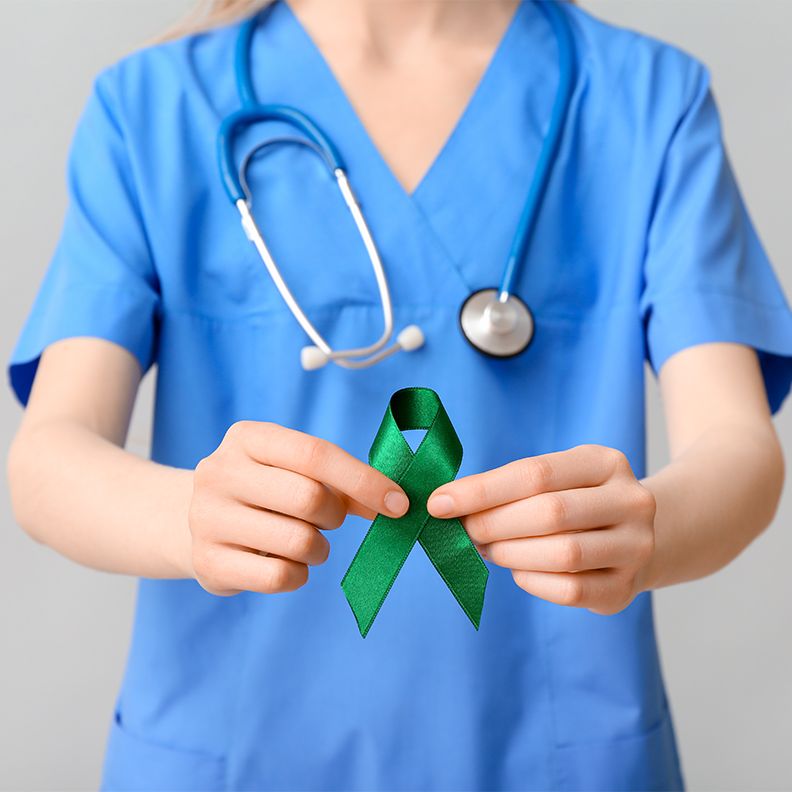
In celebration of National Oncology Nursing Month, ACCC recognizes the profound difference these nurses make every day. Their expertise and advocacy ensure that patients receive excellent care and compassionate guidance every step of the way.
Honoring Oncology Nurse Navigators

In celebration of National Oncology Nursing Month, the Association of Cancer Care Centers (ACCC) is honoring the vital role of oncology nurse navigators (ONNs). These compassionate clinicians and advocates guide patients through every step of their cancer journey. From the moment of diagnosis through treatment, survivorship, or end-of-life care, ONNs are at the heart of care coordination. Their work reduces barriers, improves outcomes, and ensures that no patient faces cancer alone.

The Origins of Nurse Navigation

The concept of patient navigation was born out of a commitment to address disparities in cancer care. In 1990, Harold Freeman, MD, a surgical oncologist at Harlem Hospital in New York City, launched the nation’s first patient navigation program. This effort was in response to findings from the American Cancer Society’s National Hearings on Cancer in the Poor, which exposed deep inequities in timely cancer diagnosis and treatment due to financial, logistical, and communication barriers.

Dr. Freeman’s program recruited navigators from within the community to help patients overcome these obstacles. Navigators provided 1-on-1 guidance to ensure timely diagnosis, helped with insurance and transportation challenges, and offered emotional support. The impact was astounding: 5-year survival rates for breast cancer patients at Harlem Hospital rose from 39% to 70%, with more diagnoses occurring at earlier stages.


President DeGioia, Harold Freeman and Dr. Healton stand together, Picture

Harold Freeman, MD, (center), after receiving the Cura Personalis Award from Georgetown University Medical Center.

The Emergence of Oncology Nurse Navigators

As patient navigation gained traction, the model expanded to include registered nurses with specialized oncology training, giving rise to the role of the oncology nurse navigator in the mid-1990s. These professionals brought clinical expertise to navigation, bridging gaps in care with both medical and emotional support. They coordinated care across specialties, facilitated timely access to services, and served as a central point of contact for patients and families. ONNs also played a key role in translating complex medical information into terms patients could understand, helping them make informed decisions and manage their treatment journeys with confidence. By improving communication, reducing delays, and providing personalized support, ONNs began to significantly influence both patient satisfaction and clinical outcomes.

From Innovation to Standard of Care

The 2000s marked a turning point in the formalization of the ONN role:

  • 2009: The Academy of Oncology Nurse & Patient Navigators (AONN) was founded—the largest organization focused on advancing navigation in oncology.
  • 2012-2013: Accreditation bodies, including the Commission on Cancer (2012) and National Accreditation Program for Breast Centers (2013), began requiring patient navigation as part of quality cancer care.
  • 2013: The Oncology Nursing Society (ONS) released the Oncology Nurse Navigator Competencies, setting national standards for the skills and knowledge required.

An Evolving Role

Over the last decade, the ONN role has continued to evolve. Certification programs, such as those launched by AONN in 2016, established standardized knowledge and best practices, while national organizations emphasized the importance of ongoing education and credentialing. Additionally, with the implementation of the Centers for Medicare and Medicaid Innovation’s Oncology Care Model in 2016, patient navigation became a required element in value-based cancer care delivery. Today, ONNs are widely recognized as critical members of the care team, supporting patients throughout the entire cancer continuum—from prevention and early detection to active treatment, survivorship, and end-of-life care.

A Day in the Life of an Oncology Nurse Navigator

The daily responsibilities of an oncology nurse navigator are dynamic, reflecting the highly individualized and evolving needs of patients with cancer. A typical day may include meeting with new patients to explain their diagnoses and treatment plans, helping them process their emotions, and ensuring they understand next steps. ONNs spend time coordinating across multidisciplinary teams to schedule appointments, align care plans, and ensure timely follow-up. They are constantly identifying potential barriers to care, such as transportation issues, financial toxicity, or lack of support systems, and they connect patients with resources to address these challenges.

Equally important is the emotional and psychosocial support they provide. ONNs often serve as a listening ear and trusted guide, helping patients manage fear, uncertainty, and distress. They may refer patients to support groups, counseling, or survivorship programs. Throughout all of this, documentation remains a critical aspect of the role. ONNs keep detailed records of care coordination efforts, patient concerns, and outcome tracking, which can inform quality improvement efforts and future program development.

The nature of their work varies widely depending on the type and stage of cancer, the institutional setting, and the patient population. Despite this variability, ONNs are united by shared qualities: clinical expertise, compassion, adaptability, and a fierce dedication to their patients’ well-being.

ONNs represent the best of what nursing brings to cancer care—clinical skill, empathy, and a commitment to equity and patient-centered care. Whether they are explaining test results, easing a patient’s fears before surgery, or helping a family coordinate hospice care, ONNs are a steady, trusted presence during one of life’s most vulnerable times.

This Oncology Nursing Month, ACCC recognizes the profound difference these nurses make every day. Their expertise and advocacy ensure that patients receive excellent care and compassionate guidance every step of the way.