ACCC association of cancer care centers
Join/Renew
Login
Join/Renew
Login
Education & Resources
ACCC eXchange LogInCorporate Member Sponsored ResourcesPresentations & AbstractsPresident's ThemeACCC Connect eLearning LogIn
Publications
Oncology IssuesPatient Assistance & Reimbursement GuideTrending Now in Cancer Care
Events
2026 ACCC Leadership SummitAnnual Meeting & Cancer Center Business SummitCapitol Hill DayNational Oncology ConferenceOncology Reimbursement MeetingsOncology State Society Meetings
Policy & Advocacy
2024 Policy Wrap-Up and ACCC 2025 Policy PrioritiesLetters & StatementsAccess, Payment & Reimbursement ReformWhite Bagging & Brown BaggingAdvocacy ResourcesCancer Moonshot
Membership
Join | RenewWho We AreMembership Types & BenefitsCorporate MembersACCC Member Portal FAQMember Directory
Partners
Oncology State SocietiesPartner OrganizationsCME
News
News ReleasesAdvocacy News ReleasesOncology News
About ACCC
Timeline / 50th Anniversary2025 Impact ReportACCC Innovator AwardsACCC FellowsACCC Senior Staff
Breast CancerMetastatic Breast Cancer
Gastrointestinal CancerBiliary Tract CancerColorectal CancerGastric CancerLiver Cancer
Genitourinary CancerBladder CancerProstate CancerRenal Cell Carcinoma
Gynecologic CancerOvarian Cancer
Head & Neck Cancer
Hematologic MalignanciesAcute Lymphocytic Leukemia (ALL)Acute Myeloid Leukemia (AML)Chronic Lymphocytic Leukemia (CLL)Mantle Cell Lymphoma (MCL)Multiple Myeloma (MM)Myelodysplastic Syndromes (MDS)
Lung CancerNon-Small Cell Lung Cancer (NSCLC)Small Cell Lung Cancer (SCLC)
Sarcoma
Skin CancerMelanomaNon-Melanoma Skin Cancers (NMSC)
Clinical Practice & TreatmentCancer DiagnosticsCare CoordinationEHR Integration for Biomarker TestingQuality Improvement Collaboration: Integration of Precision Medicine in Community OncologyTreatment
Financial NavigationFAN Boot CampFinancial Advocacy Network (FAN) Resource LibraryPatient Assistance & Reimbursement GuidePrior Authorization
Health Equity & Access3, 2, 1, Go! Practical Solutions for Addressing Cancer Care DisparitiesAppalachian Community Cancer AllianceOncology Advanced PractitionersPersonalizing Care for Patients of All BackgroundsSocial Drivers of Health
Patient-Centered CareAddressing Care Disparities for VeteransAdolescent and Young Adult (AYA)Care Action Plans for People with CancerDermatologic ToxicitiesEmpowering CaregiversGeriatric OncologyHealth LiteracyNutritionOncology PharmacyPatient NavigationPsychosocial Care in OncologyShared Decision-MakingSupportive CareSurvivorship Care
Practice Management & OperationsCancer Program FundamentalsLeadership Sustainment and Engagement VideosOncology Practice Transformation and Integration CenterOncology Team Resiliency
ResearchACCC Community Oncology Research Institute (ACORI)
Technology & InnovationTelehealth & Digital Medicine
ACCCBuzz Blog
CANCER BUZZ Podcast
Oncology Issues
Join/Renew
Login
Breast CancerMetastatic Breast Cancer
Gastrointestinal CancerBiliary Tract CancerColorectal CancerGastric CancerLiver Cancer
Genitourinary CancerBladder CancerProstate CancerRenal Cell Carcinoma
Gynecologic CancerOvarian Cancer
Head & Neck Cancer
Hematologic MalignanciesAcute Lymphocytic Leukemia (ALL)Acute Myeloid Leukemia (AML)Chronic Lymphocytic Leukemia (CLL)Mantle Cell Lymphoma (MCL)Multiple Myeloma (MM)Myelodysplastic Syndromes (MDS)
Lung CancerNon-Small Cell Lung Cancer (NSCLC)Small Cell Lung Cancer (SCLC)
Sarcoma
Skin CancerMelanomaNon-Melanoma Skin Cancers (NMSC)
Clinical Practice & TreatmentCancer DiagnosticsCare CoordinationEHR Integration for Biomarker TestingQuality Improvement Collaboration: Integration of Precision Medicine in Community OncologyTreatment
Financial NavigationFAN Boot CampFinancial Advocacy Network (FAN) Resource LibraryPatient Assistance & Reimbursement GuidePrior Authorization
Health Equity & Access3, 2, 1, Go! Practical Solutions for Addressing Cancer Care DisparitiesAppalachian Community Cancer AllianceOncology Advanced PractitionersPersonalizing Care for Patients of All BackgroundsSocial Drivers of Health
Patient-Centered CareAddressing Care Disparities for VeteransAdolescent and Young Adult (AYA)Care Action Plans for People with CancerDermatologic ToxicitiesEmpowering CaregiversGeriatric OncologyHealth LiteracyNutritionOncology PharmacyPatient NavigationPsychosocial Care in OncologyShared Decision-MakingSupportive CareSurvivorship Care
Practice Management & OperationsCancer Program FundamentalsLeadership Sustainment and Engagement VideosOncology Practice Transformation and Integration CenterOncology Team Resiliency
ResearchACCC Community Oncology Research Institute (ACORI)
Technology & InnovationTelehealth & Digital Medicine
ACCCBuzz Blog
CANCER BUZZ Podcast
Oncology Issues
    • Education & Resources
    • Publications
    • Events
    • Policy & Advocacy
    • Membership
    • Partners
    • News
    • About ACCC
ACCC association of cancer care centers
1801 Research Boulevard, Suite 400, Rockville, MD 20850
Tel: 301.984.9496 Fax: 301.770.1949 Email Us
Contact UsVolunteers
Advertise
Career Center
Terms and Conditions
Privacy Policy
ACCC Rebranding
Copyright © 2026 Association of Cancer Care Centers. All Rights Reserved.
Advertisement

Blog

Article

October 12, 2022

Finding Joy and Hope During My Metastatic Breast Cancer Journey

By Judy Ochs

In recognition of the13th annual Metastatic Breast Cancer Awareness Day, read one patient's inspiring journey, a story punctuated by incredible bravery and indomitable hope.

Finding Joy and Hope During My Metastatic Breast Cancer Journey

“It’s hard to face your own mortality.” -Retreat participant

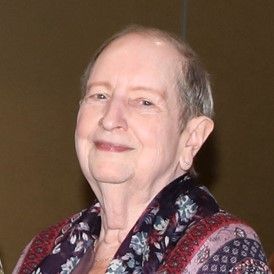
When I was asked to write for ACCC to acknowledge National Breast Cancer Awareness Month and Metastatic Breast Cancer Awareness Day (tomorrow, October 13), I wanted to do so with a message of hope and joy. In 2009, October 13th was established as Metastatic Breast Cancer Awareness Day through unanimous U.S. House of Representatives and Senate resolutions.

body content image

My Story

I was diagnosed with Stage II breast cancer in 1991 at the age of 46. I was terrified, especially of the unknown, but I was determined to beat it, and I did. Eighteen years later, the cancer returned. I was diagnosed with metastatic breast cancer in September 2009. I again made the personal choice to educate myself. This has allowed me to make informed choices in my treatment, become an advocate for others, participate in research projects, and serve as a volunteer resource.

Living with metastatic breast cancer for 13 years has taught me that there is more to this than just surviving. It is also important to maintain a balance in your mind, body, and spirit. It has made me a better me. Hear me out. I learned early on that laughter builds T-cells which helps fight cancer. Laughter gave me a pathway to discover joy. I am humbled by the way joy can touch our lives and am thankful that joy continues to help me define my purpose.

Breast cancer is the fifth leading cause of death among women worldwide, and metastatic breast cancer is responsible for the majority of deaths from breast cancer. Five-year survival rates show that women are 29 percent likely to survive and men are 22 percent likely to survive the disease. It is important that I note that breast cancer at any stage is treatable. As treatments improve, patients living with metastatic breast cancer are living longer, with a better quality of life.

The Power of Hope

But you know what is also really important, hope.

This brings me to my mentor and cherished friend, Lillie Shockney, RN, BS, MAS, ONN-CG, university distinguished service professor of breast cancer and former administrative director at Johns Hopkins Breast Center in Baltimore, MD. I met Lillie at a social gathering in 1991. We were both being treated for early-stage breast cancer. We became fast friends. I made her laugh, she made me laugh, and we were able to get through a very emotional time together. Lillie has been there throughout my now 31-year journey.

For over a decade, retreats have been held for patients with Stage 0 through 3 breast cancer. These retreats help attendees face their emotional stressors with the disease. Soon enough, patients living with metastatic breast cancer began asking for their own retreats. These retreats are now held for patients with metastatic breast cancer, their spouses, and their female caregivers. Through these three-day and two-night retreats, participants have found they are not alone on their cancer journey. There are others just like them who are facing their own mortality.

“The most impactful piece of the event is when the men get together and share how they cope. We find that they find they are not alone. And, among the women, the same, someone who understands what they are going through.”

-Lillie Shockney

These retreats are one of Lillie’s greatest achievements.

For me, I end this noting that I am without question an empath. As an empath, I have empathy for both the stressors and the joys of life. The retreats that are held for patients with metastatic breast cancer have empowered me to share my own cancer-related stressors with others and provide encouragement to never let anyone take away their hope. Google defines hope as the “want for something to happen or be the case.” While my definition of hope has changed many times throughout my cancer journey, I still have plenty of hope and the ability to share it with others.

I invite and encourage you to find joy and hope in your journey.

Namaste.

More Information

On September 30,

President Biden released a proclamation

, identifying October 2022 as National Breast Cancer Awareness Month. This proclamation was done so in recognition of the many patients and survivors of breast cancer and to honor all those that we have lost from the disease. More resources for patients living with metastatic breast cancer include:

  • Breast Cancer - Metastatic: Living with Metastatic Breast Cancer
  • Planning a Metastatic Breast Cancer Retreat
  • The Only Metastatic Cancer Survivor Retreat of its Kind

For more information, visit the ACCC Metastatic Breast Cancer Project webpage.

Judy Ochs is a survivor of metastatic breast cancer and volunteer with patient advocacy projects.