ACCC association of cancer care centers
Join/Renew
Login
Join/Renew
Login
Education & Resources
ACCC eXchange LogInCorporate Member Sponsored ResourcesPresentations & AbstractsPresident's ThemeACCC Connect eLearning LogIn
Publications
Oncology IssuesPatient Assistance & Reimbursement GuideTrending Now in Cancer Care
Events
2026 ACCC Leadership SummitAnnual Meeting & Cancer Center Business SummitCapitol Hill DayNational Oncology ConferenceOncology Reimbursement MeetingsOncology State Society Meetings
Policy & Advocacy
2024 Policy Wrap-Up and ACCC 2025 Policy PrioritiesLetters & StatementsAccess, Payment & Reimbursement ReformWhite Bagging & Brown BaggingAdvocacy ResourcesCancer Moonshot
Membership
Join | RenewWho We AreMembership Types & BenefitsCorporate MembersACCC Member Portal FAQMember Directory
Partners
Oncology State SocietiesPartner OrganizationsCME
News
News ReleasesAdvocacy News ReleasesOncology News
About ACCC
Timeline / 50th Anniversary2025 Impact ReportACCC Innovator AwardsACCC FellowsACCC Senior Staff
Breast CancerMetastatic Breast Cancer
Gastrointestinal CancerBiliary Tract CancerColorectal CancerGastric CancerLiver Cancer
Genitourinary CancerBladder CancerProstate CancerRenal Cell Carcinoma
Gynecologic CancerOvarian Cancer
Head & Neck Cancer
Hematologic MalignanciesAcute Lymphocytic Leukemia (ALL)Acute Myeloid Leukemia (AML)Chronic Lymphocytic Leukemia (CLL)Mantle Cell Lymphoma (MCL)Multiple Myeloma (MM)Myelodysplastic Syndromes (MDS)
Lung CancerNon-Small Cell Lung Cancer (NSCLC)Small Cell Lung Cancer (SCLC)
Sarcoma
Skin CancerMelanomaNon-Melanoma Skin Cancers (NMSC)
Clinical Practice & TreatmentCancer DiagnosticsCare CoordinationEHR Integration for Biomarker TestingQuality Improvement Collaboration: Integration of Precision Medicine in Community OncologyTreatment
Financial NavigationFAN Boot CampFinancial Advocacy Network (FAN) Resource LibraryPatient Assistance & Reimbursement GuidePrior Authorization
Health Equity & Access3, 2, 1, Go! Practical Solutions for Addressing Cancer Care DisparitiesAppalachian Community Cancer AllianceOncology Advanced PractitionersPersonalizing Care for Patients of All BackgroundsSocial Drivers of Health
Patient-Centered CareAddressing Care Disparities for VeteransAdolescent and Young Adult (AYA)Care Action Plans for People with CancerDermatologic ToxicitiesEmpowering CaregiversGeriatric OncologyHealth LiteracyNutritionOncology PharmacyPatient NavigationPsychosocial Care in OncologyShared Decision-MakingSupportive CareSurvivorship Care
Practice Management & OperationsCancer Program FundamentalsLeadership Sustainment and Engagement VideosOncology Practice Transformation and Integration CenterOncology Team Resiliency
ResearchACCC Community Oncology Research Institute (ACORI)
Technology & InnovationTelehealth & Digital Medicine
ACCCBuzz Blog
CANCER BUZZ Podcast
Oncology Issues
Join/Renew
Login
Breast CancerMetastatic Breast Cancer
Gastrointestinal CancerBiliary Tract CancerColorectal CancerGastric CancerLiver Cancer
Genitourinary CancerBladder CancerProstate CancerRenal Cell Carcinoma
Gynecologic CancerOvarian Cancer
Head & Neck Cancer
Hematologic MalignanciesAcute Lymphocytic Leukemia (ALL)Acute Myeloid Leukemia (AML)Chronic Lymphocytic Leukemia (CLL)Mantle Cell Lymphoma (MCL)Multiple Myeloma (MM)Myelodysplastic Syndromes (MDS)
Lung CancerNon-Small Cell Lung Cancer (NSCLC)Small Cell Lung Cancer (SCLC)
Sarcoma
Skin CancerMelanomaNon-Melanoma Skin Cancers (NMSC)
Clinical Practice & TreatmentCancer DiagnosticsCare CoordinationEHR Integration for Biomarker TestingQuality Improvement Collaboration: Integration of Precision Medicine in Community OncologyTreatment
Financial NavigationFAN Boot CampFinancial Advocacy Network (FAN) Resource LibraryPatient Assistance & Reimbursement GuidePrior Authorization
Health Equity & Access3, 2, 1, Go! Practical Solutions for Addressing Cancer Care DisparitiesAppalachian Community Cancer AllianceOncology Advanced PractitionersPersonalizing Care for Patients of All BackgroundsSocial Drivers of Health
Patient-Centered CareAddressing Care Disparities for VeteransAdolescent and Young Adult (AYA)Care Action Plans for People with CancerDermatologic ToxicitiesEmpowering CaregiversGeriatric OncologyHealth LiteracyNutritionOncology PharmacyPatient NavigationPsychosocial Care in OncologyShared Decision-MakingSupportive CareSurvivorship Care
Practice Management & OperationsCancer Program FundamentalsLeadership Sustainment and Engagement VideosOncology Practice Transformation and Integration CenterOncology Team Resiliency
ResearchACCC Community Oncology Research Institute (ACORI)
Technology & InnovationTelehealth & Digital Medicine
ACCCBuzz Blog
CANCER BUZZ Podcast
Oncology Issues
    • Education & Resources
    • Publications
    • Events
    • Policy & Advocacy
    • Membership
    • Partners
    • News
    • About ACCC
ACCC association of cancer care centers
1801 Research Boulevard, Suite 400, Rockville, MD 20850
Tel: 301.984.9496 Fax: 301.770.1949 Email Us
Contact UsVolunteers
Advertise
Career Center
Terms and Conditions
Privacy Policy
ACCC Rebranding
Copyright © 2026 Association of Cancer Care Centers. All Rights Reserved.
Advertisement

Publication

Article

Article

August 18, 2025
Oncology Issues
August 2025
Volume 40
Issue 4

Exploring Psychedelic-Assisted Therapy in Oncology

Author(s):

Molly Kisiel, MSN, FNP-BC

Exploring Psychedelic-Assisted Therapy in Oncology
Download Issue PDFDownload PDF
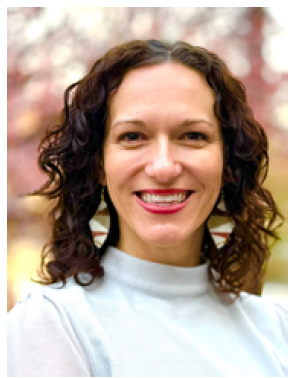
Jennifer Bires, MSW, LCSW, OSW-C, FACCC, 
executive director, Life with Cancer and Patient Experience at 
Inova Health System, Fairfax, Virginia.

Jennifer Bires, MSW, LCSW, OSW-C, FACCC,
executive director, Life with Cancer and Patient Experience at
Inova Health System, Fairfax, Virginia.
As more people with cancer are living longer, the long-term psychological burdens of cancer are increasingly recognized as essential aspects of care. Depression, anxiety, fear of recurrence, and deep existential distress are common among patients with cancer, especially those with advanced or terminal disease. Yet traditional interventions, including antidepressants and talk therapy, often fall short in addressing the full scope of this suffering. In recent years, psychedelic-assisted therapy has gained attention as a potential tool to bridge this gap. Emerging research suggests that psychedelics such as psilocybin and MDMA may offer significant, lasting relief for patients struggling with cancer-related psychological distress.1 Far from a radical idea, psychedelic-assisted therapy is now being seriously considered in academic and clinical settings for its unique ability to target the emotional, spiritual, and existential challenges of serious illness.

To better understand how this evolving field could transform supportive oncology care, and what it will take to bring psychedelic-assisted therapy from promising research to real-world practice, Oncology Issues spoke with Jennifer Bires, MSW, LCSW, OSW-C, FACCC, executive director, Life with Cancer and Patient Experience at Inova Health System in Fairfax, Virginia, to gain her insights and experience at the forefront of this important work.

What Is Psychedelic-Assisted Therapy?

Psychedelic-assisted therapy involves the use of psychedelic compounds, such as psilocybin, MDMA, LSD, or ketamine, that are administered within a structured therapeutic framework. Patients are supported through preparation sessions, monitored dosing experiences, and post-experience integration by trained clinicians. This process is designed not only to manage immediate symptoms but also to help patients process difficult emotions, find meaning, and foster a sense of connection. Unlike conventional antidepressants, which often require weeks to take effect and ongoing use, studies show that even a single psychedelic-assisted therapy session can result in profound improvements lasting 6 months or more.2 Currently, outside of a few states like Oregon and Colorado, which have created legal access to select psychedelic drugs, these drugs—with the exception of ketamine—are only available to patients with cancer through enrollment in a clinical trial.

The Evidence

In a recent narrative review, Bires examined the growing body of evidence supporting psychedelic-assisted therapy for patients with cancer and other serious illnesses.3 Her analysis focused on 5 randomized controlled trials conducted between 2011 and 2020, exploring psilocybin, LSD, and MDMA-assisted therapies. The results were consistently promising:

  • Statistically significant reductions in anxiety, depression, and existential distress across multiple studies.4
  • Many participants described their psychedelic-assisted therapy sessions as among the most meaningful experiences of their lives.
  • Symptom relief often persisted for 6 months or longer after a single session.
  • No serious adverse events were reported, though transient side effects such as elevated blood pressure, nausea, and increased heart rate were noted.

However, Bires also highlighted several limitations: small sample sizes, limited diversity among participants, and variations in study protocols. The trials predominantly involved white, well-resourced participants, underscoring a need for more inclusive research moving forward.3

How Psychedelic-Assisted Therapy May Help in Oncology

Psychedelic-assisted therapy addresses the emotional toll of cancer by targeting deep psychological, social, and spiritual distress. Its benefits extend beyond symptom management to encompass more holistic healing by:

  • Alleviating depression, anxiety, and existential distress. Patients report significant relief from existential anxiety, fear of death, loss of meaning, and feelings of isolation—symptoms often resistant to conventional treatments. Clinical trials show rapid and sustained improvements in mood disorders following psychedelic- assisted therapy, offering a promising alternative to long-term antidepressant use.5
  • Enhancing connection, introspection, and acceptance. Psychedelic experiences foster a profound sense of connection—to others, nature, and oneself. This enhanced connectedness helps patients feel less isolated and more supported, while also promoting deep reflection and emotional acceptance. Such introspection can support a growth-oriented mindset and greater resilience in the face of suffering.6
  • Improving quality of life and coping skills. Even when full remission from depression is not achieved, many patients describe a transformative shift in how they relate to their illness. Psychedelic-assisted therapy can help individuals become more compassionate toward themselves, improve coping skills, and re-engage with life more fully.7
  • Supporting families and caregivers. The emotional burden of cancer often extends to family members and caregivers, who are at higher risk for psychological distress. Some programs are now exploring psychedelic-assisted therapy for patient-caregiver pairs, aiming to improve adjustment, reduce stress, and foster mutual support. Bires is interested in developing clinical trials focused on caregivers, recognizing that supporting families can have a ripple effect on patient well-being.3

Despite its promise, integrating psychedelic-assisted therapy into oncology and palliative care presents challenges. The therapy is time- and resource-intensive, with dosing sessions often lasting 6 to 8 hours.3 Clinical infrastructure, patient selection, and therapist training are critical considerations.

Bires emphasizes that psychedelic-assisted therapy is not a “one-size-fits-all” solution but rather an additional tool to address the complex emotional and existential distress associated with cancer. Just as art therapy, mindfulness practices, and conventional medications play unique roles in psychosocial care, psychedelic-assisted therapy offers another avenue for patients to manage the psychological and existential impacts of a cancer diagnosis. “Psychiatric medications weren’t developed with cancer patients in mind,” Bires explains. “They can take a long time to work and often don’t get at the root cause of anxiety or depression. We need new tools.” One of psychedelic-assisted therapy’s most compelling implications is its ability to address the deep existential distress that often accompanies a cancer diagnosis—the questions of meaning, mortality, and legacy that conventional treatments frequently overlook. Patients facing incurable disease often struggle with anxiety about the unknown, fear of death, and a profound sense of impermanence. This therapy helps individuals confront these fears in a supportive, therapeutic setting, fostering acceptance and meaning-making that can improve quality of life even in the face of terminal illness. Bires “hopes this conversation encourages people to think differently about how we support patients at the end of life. It can help provide people greater peace, meaning, and connection.”

Centering Health Equity and Access

A critical concern for Bires is ensuring that psychedelic-assisted therapy does not become an exclusive option available only to the privileged. The current landscape of psychedelic research has been criticized for its lack of diversity.3 Bires advocates for developing culturally competent care models, equitable reimbursement structures, and community education initiatives to broaden access. “Examine your own biases. Educate yourself, so you can talk about these therapies with patients who are interested. Read the research, follow the clinical trials, and start imagining what integration might look like in your setting,” she advises.

Preparing for the Future: Practical Steps for Oncology Teams

With phase 3 trials for psilocybin already completed and FDA approval potentially on the horizon, oncology teams should begin preparing now.2 Steps include:

  • Staying informed on clinical trials through platforms like ClinicalTrials.gov.
  • Engaging in professional education and training programs on psychedelic-assisted therapy.
  • Building interdisciplinary teams equipped to evaluate and implement psychedelic-assisted therapy protocols.
  • Fostering open, stigma-free conversations with patients about emerging therapies.

Organizations like the Multidisciplinary Association for Psychedelic Studies (MAPS), and the Integrative Psychiatry Institute offer educational resources and certification programs.

Innovation Beyond the Patient: Supporting Caregivers and Families

Psychedelic-assisted therapy’s potential should not be limited just to patients. Bires is particularly interested in expanding the reach of this therapy to include caregivers, a population often overlooked in psychosocial oncology research. Recognizing that caregivers carry significant emotional burdens, she is exploring a clinical trial focused on caregivers of patients with stage IV cancer. The goal is to improve both the caregiver’s wellbeing and the quality of support they can provide to the patient. This broader application of psychedelic-assisted therapy has the potential to enhance the entire care ecosystem surrounding the patient. “This isn’t about making grief disappear, it’s about making it less distressing,” Bires clarified. “People who undergo psychedelic-assisted therapy often describe a sense of continued connection with their loved ones after death—a different understanding of mortality that reduces fear and supports healing.”

A Call to Action

For Bires, the future of psychedelic-assisted therapy in oncology requires clinicians to maintain open-mindedness, educate themselves, and evaluate readiness. She urges the oncology community to engage with this evolving field not as a fringe movement, but as a legitimate medical approach with the potential to alleviate suffering in ways previously inaccessible. Clinicians interested in becoming early adopters can start by reviewing current literature on psychedelic-assisted therapy in cancer care, following clinical trials at ClinicalTrials.gov, or reaching out to research teams in their region. Formal training programs are also available through organizations offering certification in psychedelic-assisted psychotherapy. While each state’s legal status differs, engagement in research and preparation is legal and urgently needed.

Ultimately, Bires sees psychedelic-assisted therapy as part of a broader toolkit to support cancer patients’ emotional and spiritual wellbeing. “We pathologize mental health so often, but these are normal reactions to terrible circumstances,” she says. “For the right patients, psychedelic-assisted therapy can be one of the most meaningful tools we have.”

As health care continues to evolve toward more holistic, patient-centered models, psychedelic-assisted therapy may soon find its place as a standard, evidence-based component of supportive cancer care.

Molly Kisiel, MSN, FNP-BC, is clinical director of Editorial Content and Strategy at the Association of Cancer Care Centers in Rockville, Maryland.

References
  1. Reiche S, Hermle L, Gutwinski S, Jungaberle H, Gasser P, Majić T. Serotonergic hallucinogens in the treatment of anxiety and depression in patients suffering from a life-threatening disease: A systematic review. Prog Neuropsychopharmacol Biol Psychiatry. 2018;81:1–10. doi:10.1016/j. pnpbp.2017.09.012
  2. Davis AK, Barrett FS, May DG, et al. Effects of psilocybin-assisted therapy on major depressive disorder: a randomized clinical trial. JAMA Psychiatry. 2021;78(5):481-489. doi:10.1001/jamapsychiatry.2020.3285
  3. Bires J. Existing evidence for the use of psychedelics in patients with cancer and other serious illness: a narrative review. J Psychosoc Oncol. 2025;26:1-15. doi:10.1080/07347332.2025.2482917
  4. Griffiths RR, Johnson MW, Carducci MA, et al. Psilocybin produces substantial and sustained decreases in depression and anxiety in patients with life-threatening cancer: a randomized double-blind trial. J Psychopharmacol. 2016;30(12):1181-1197. doi:10.1177/0269881116675513
  5. Ross S, Bossis A, Guss J, et al. Rapid and sustained symptom reduction following psilocybin treatment for anxiety and depression in patients with life-threatening cancer: a randomized controlled trial. J Psychopharmacol. 2016;30(12):1165-1180. doi:10.1177/0269881116675512
  6. Watts R, Day C, Krzanowski J, Nutt D, Carhart-Harris R. Patients’ accounts of increased ‘connectedness’ and ‘acceptance’ after psilocybin for treatment-resistant depression. J Humanist Psychol. 2017;57(5):520-564. doi:10.1177/0022167817709585
  7. Malone TC, Mennenga SE, Guss J, et al. Individual experiences in four cancer patients following psilocybin-assisted psychotherapy. Front Pharma-col. 2018;3:9:256. doi:10.3389/fphar.2018.00256
Articles in this issue

Anchored in Purpose: Navigating Oncology’s Shifting Landscape
Empowering Oncology Professionals with Holistic Support to Cultivate Compassion and Resilience
Margins in Crisis: Evaluating and Improving Your Cancer Program’s Financial Performance
Care Code® and Holistic Interventions: Addressing Compassion Fatigue and Improving Resiliency Among Staff
2025 Trending Now in Cancer Care: Part 2
Exploring Psychedelic-Assisted Therapy in Oncology
Breast Cancer Knowledge Gaps and Misconceptions Among Non-Medical Female University Students in Southwestern Nigeria
Lymphedema After Breast Cancer: Addressing Barriers and Building Strategies to Improve Long-Term Self-Management
Advancing Skin Cancer Care With a Specialized Melanoma Clinic
Integrating EHRs With Reference Labs for Biomarker Testing
Fast Facts: Vol 40, No. 4
CMS Drug Price Negotiation
The Physician Is Out: How to Bill Appropriately
Seven Steps to Achieve a Culture of Happiness at Work
Columbia Memorial Hospital-OHSU Knight Cancer Collaborative