In the historic and scenic city of Astoria, Oregon, the Columbia Memorial Hospital Oregon Health & Science University (CMH-OHSU) Knight Cancer Collaborative stands as a beacon of hope and healing for patients with cancer across Oregon’s 36 counties. First established in 2010, the Cancer Collaborative in Astoria has grown from administering infusions in surgical suites to a comprehensive, state-of-the-art cancer care facility built in 2017.
Led by Valerie Englehart, RN, OCN, DNP, Cancer Collaborative director, and supported by Pehr Hartvigson, MD, medical director of Radiation Oncology; Sarunas Sliesoraitis, DO, PharmD, medical oncologist; and Hailey Ranta, Cancer Collaborative social worker, this team is committed to delivering high-quality, compassionate care that treats the person, not just the disease. Despite its rural setting, the center boasts prestigious accreditations including the American College of Surgeons’ Commission on Cancer accreditation and the American College of Radiology’s accreditation for radiation oncology—a testament to its excellence and resilience.
Comprehensive, Localized Cancer Care
Communities along the Oregon coast, rich in history and natural beauty, face significant barriers to care, such as a lack of transportation options, housing shortages, food insecurity, and mental health needs. “We are tiny but mighty,” said Englehart. “We refuse to let cancer care become impersonal. We put the person first.”
To address these challenges, the cancer center offers comprehensive care—medical, radiation, and surgical oncology—with most services conveniently provided under 1 roof. This one-stop model minimizes travel and stress for patients, many of whom previously had to drive several hours to Portland for care. The cancer center estimates it has saved patients more than 80,000 miles of travel and 1600 hours of drive time annually, improving safety and mitigating the financial and logistical burdens of travel. “Being located here in the heart of our community makes a real difference in patients’ safety and comfort,” affirmed Dr. Hartvigson.
Adding to this patient-centered approach is the infusion suite with 10 chairs overlooking the Columbia River, staffed by a dedicated team of nurses and pharmacists. The facility also includes lab services, CT, PET CT (via mobile coach), and CT simulation, ensuring patients receive high-quality care closer to home.
Committed to making leading treatments and research accessible to its large catchment area, the Knight Cancer Institute at OHSU in Portland currently offers over 400 clinical trials. A world leader in groundbreaking cancer research, the cancer center is engaged in regional, national, and international research partnerships. As a result, its patients and patients of the Cancer Collaborative in Astoria have local access to some of the latest advances in research and clinical trials, and both institutions strive to continue to increase access and enrollment. The Knight Cancer Institute also works closely with the Oregon Clinical and Translational Research Institute Community Research Hub and the Oregon Rural Practice-Based Research Network with the goal of advancing community engaged research.
True to its mission of treating the whole person, supportive care is central to the Cancer Collaborative’s work. The cancer center offers the following:
“We don’t ask if you’re our patient—we ask if you’re a cancer patient or a survivor,” Englehart emphasized. “Support shouldn’t end when treatment does.”
The Arm-in-Arm Fund, supported by the local Armington family, provides additional support beyond traditional caregiving by helping patients cover gas, utilities, transportation, and other expenses to ensure that financial toxicity does not impede their ability to stay on track with treatment.

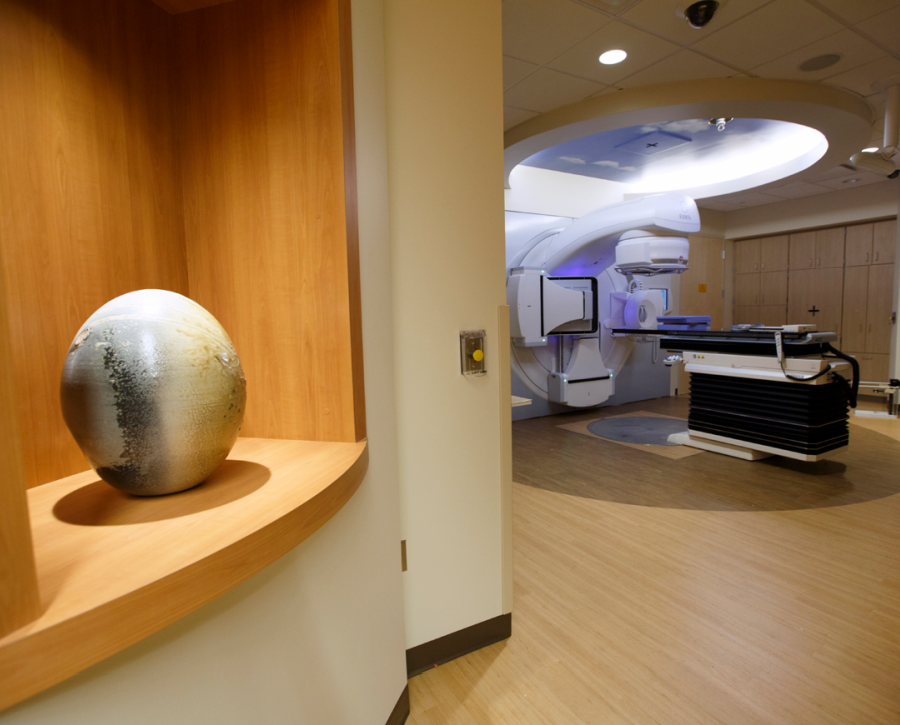
The cancer center’s design and atmosphere reflect the artistic spirit of the region. Local artists contributed to the decor, and patients receive handcrafted mugs from local potters upon completing treatment. “You don’t just ring the bell here; you leave with something beautiful that reminds you of your strength,” Englehart said. A new initiative will feature rotating artwork from local high school students, helping patients feel connected to their community. “We’re proud to provide high-quality, professional care while maintaining our deep community roots,” Ranta said. “That’s something you don’t always find in larger cancer centers.
Community needs and team creativity drive innovation at the CMH-OHSU Knight Cancer Collaborative. With a flat organizational structure, ideas can come from anyone—whether they are a physician, front desk staff, or a social worker.
“Innovation for us means listening to our community,” Englehart added. “We don’t make excuses—we find a way to make it happen.”
Current and upcoming initiatives include the following:
What sets these initiatives apart is their deep grounding in the community’s unique needs. By tailoring their program to specific local challenges, from occupational hazards to health disparities, CMH and OHSU are not only improving patient outcomes but also fostering trust and engagement in the community.
The team at the Cancer Collaborative is proud of how far they have come in the past 15 years and looks to the future with hope and enthusiasm. Since the COVID-19 pandemic, the center is focused on rebuilding with renewed energy and purpose while maintaining its person-centered, community-forward mindset. “We may not return to what we were before, but we’re creating something new, something better suited to what our community needs now,” Englehart stated.
The CMH-OHSU Knight Cancer Collaborative is more than a treatment center: it’s a model of what compassionate, community-rooted, and innovative rural cancer care can look like. By blending high-quality clinical services with holistic support and a deep respect for the people they serve, the team has created a space where healing is not only possible but personal. As the Cancer Collaborative continues to grow and adapt, its commitment to equity, dignity, and community-driven innovation sets a powerful example for rural cancer health care systems nationwide.

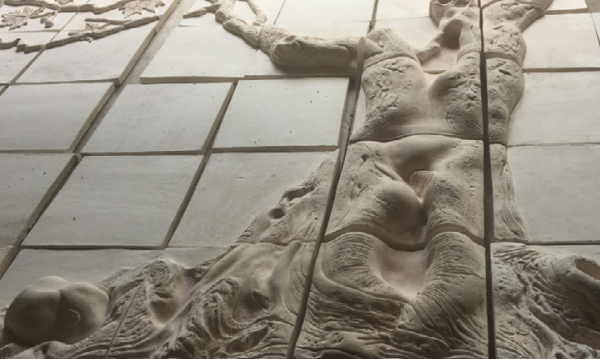
Leadership from Columbia Memorial Hospital, including Chris Laman, now vice president of strategy, and Randy McClelland, retired project director for the BuildCMH Expansion Project, worked alongside local artist, Richard Rowland, as he created the ceramic mural of a Planetree for the exterior of the CMH-OHSU Knight Cancer Collaborative.
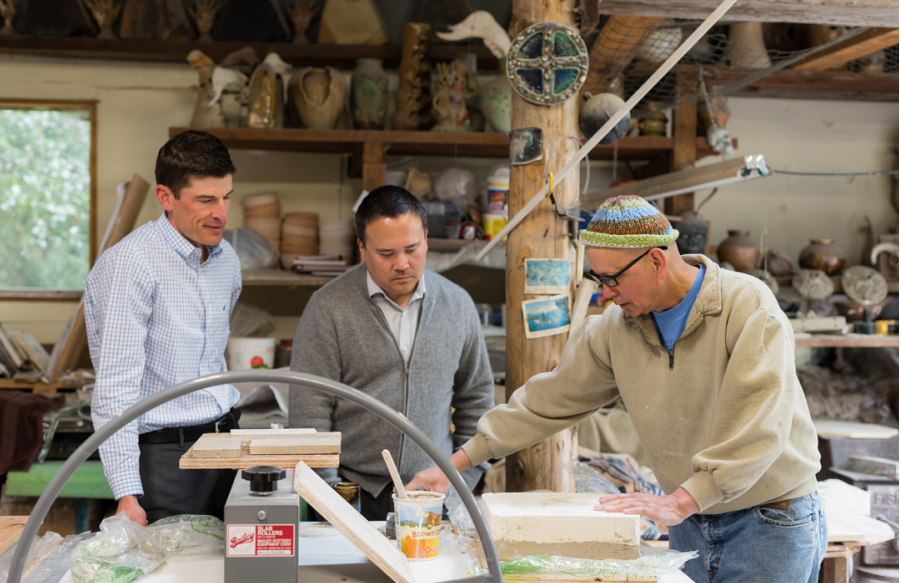

The unfinished molds of the ceramic mural by Richard Rowland sit awaiting firing before their completion. The mural was added to the outside of the CMH-OHSU Knight Cancer Collaborative building before its opening in 2017.





Recognizing the critical role advanced practice providers and allied health professionals play in the care continuum, the American Oncology Network provides infrastructure, leadership, and professional growth opportunities to empower these members of the cancer care team to practice at the top of their license.