ACCCBuzz spoke with Erika Siegrist at Luminis Health Research Institute to learn more about how technology has helped expand patient access to cancer clinical trials.

When cancer research and clinical trial participation rates are discussed, the following statistic is often shared: less than 5 percent of adults with cancer enroll in clinical trials. While barriers to accessing clinical trials has been frequently discussed and researched over the last decade, Joseph M. Unger has found that the rate of participation in clinical trials has yet to improve over time. Yet expanding access to clinical trials is instrumental in achieving equitable, high-quality cancer care delivery.
Today, technology has a role to play in supporting community-based cancer programs and practices in offering clinical trials to their patients. Software programs like Inato are now available to connect community-based research programs with clinical trial sponsors, while guiding and supporting them when offering these to patients in the community. One such program, Luminis Health Anne Arundel Medical Center, DeCesaris Cancer Institute in Annapolis, Md, uses Inato to expand its oncology research program. The Luminis Health Research Institute began working with Inato in 2021 and has since implemented this partnership across the entire health system. Staff across many teams, not just oncology, use Inato to bring clinical trial opportunities to all their patients in the community setting.

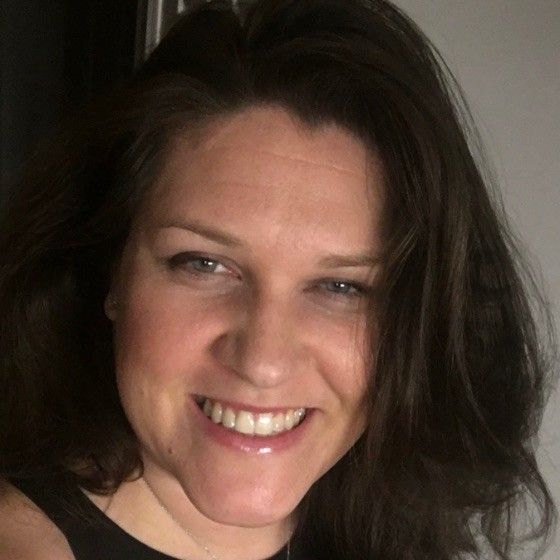
ACCCBuzz spoke with Erika Siegrist, MS, RN, director, Research Administration at Luminis Health Research Institute, to learn more about this technology and how it has helped expand patient access to cancer clinical trials.
ACCCBuzz: Can you share a little bit about yourself and your background?
Siegrist: I started as an oncology nurse, and I've been in clinical research now for about 20 years. I currently oversee the day-to-day operations for a large health system outside of Annapolis, Maryland. We primarily focus on oncology trials, but we also have a large portfolio of studies for other non-oncology patients as well.
ACCCBuzz: Coming from an oncology nursing background, what inspired you to transition your career into the clinical research space?
Siegrist: I think we're learning so much all the time with new technologies and the sequencing of tumors. I really like being able to help offer treatment options to patients no matter where they're getting their treatment. My first job was at the NIH [National Institutes of Health] at the clinical center after I got my nursing degree. I saw a lot of amazing things through the patients that were treated on research protocols there. We are seeing what we can do better and making options available for patients.
ACCCBuzz: Can you talk about the oncology research program at your cancer program prior to your partnership with Inato?
Siegrist: We've had a long-standing history of doing oncology trials at this hospital and with the oncology practices that are associated with our health system. We started many years ago with NCI [National Cancer Institute] cooperative group studies, and then transitioned to opening industry-sponsored trials for oncology patients; we've got a good mix of both. We always have cooperative group studies open, but we also do Phase 2 and phase 3 oncology trials and have some other partnerships to do investigator-initiated studies.
In oncology, even just getting one patient on a trial is so important. For a lot of the studies that we're opening, the companies are only asking that we put on 2 to 3 patients. If it's a certain type of trial, it might be a little bit higher, but even just getting that one patient on the trial is really helpful.
Being able to meet our recruitment targets and having the trials open at our site when the study activates, as opposed to coming on later in the site-selection process or when we're added as a research site, is beneficial for patients, our site, and the trial. Just putting one patient more on a clinical trial can be a 50 percent increase in what we would expect from a trial.
ACCCBuzz: So you introduced Inato into your cancer research program in 2021. Can you share with us how Inato works and how it has helped expand your research offerings to patients?
Siegrist: Inato is a platform where we can view clinical trial opportunities that are presented in an easy-to-digest, visually appealing format that allows us (as a site) to help make decisions on what trials we open up and what we add to our portfolio. I really like the platform because we can get onto trials early in the site-selection process. Or if not, Inato is telling you that. A lot of times in the past, we had to dig and find out why we're being approached as a site and exactly when a study is targeted to open. Are we just being asked to do the study just to provide some information, like in some feasibility information for a company? Or are we being added on just to put that one or two patients on the trial to help them close their enrollment out?
Inato makes these metrics very clear. It'll have the study procedures and patient population clearly outlined, including the exclusion criteria. It's so helpful to have that information and to talk with the physicians about the studies, so they can make an informed decision on the studies that we will open. It's incredibly hard to gather that information just from an email or protocol synopsis, so Inato really allows us to make a more informed decision on trial selection.
You're also able to filter the types of trials that you want. And you can give additional people access to the system to be able to receive leads. Some sites might not like that, but we find it very helpful when we have different leads within different areas, who can be sent new studies. They can then decide to share a study with their positions and to respond if they're interested or not.
ACCCBuzz: Is there anything in particular that a clinical research platform like Inato and others really help with understanding trial-related information and increasing access to these treatment options?
Siegrist: I definitely think it helps increase access—it's a more equitable way to allow community sites access to the trial opportunities they might not receive and are in competition with academic medical centers for. That is one advantage. The second is that it allows you to look at and try and develop a portfolio of studies. We get studies from all over the place, and they go to different people. Studies don’t just go to the position dedicated to this role; they go to our administrators, physicians, and coordinators, making the clinical trial portfolio less difficult to manage.
Having a central portal like Inato to review and compare studies, is incredibly helpful. Not just a single study, but a portfolio of studies is really important, especially in oncology.
ACCCBuzz: May is National Cancer Research Month. In your opinion, why is it important to recognize this month as such and promote cancer research in the community setting?
Siegrist: There's all sorts of statistics about oncology research showing that the majority of patients are being seen in the community and that we should be doing more research in the community. It's important to educate people about community cancer programs and to let them know that they do have access to studies in these cancer programs and practices. It's also important to educate patients to advocate for themself, so they know they should be considered for clinical trials. There is nothing that will push things along further than a patient asking their physician if there are clinical trials available to them at their community site. The community site can still participate, as well as advocate and help patients get on a clinical trial either at an academic medical center or other facility.
I do think it's really important just to recognize this need and get education out there. That's how patients will get access to the latest technologies and most personalized treatments for them.

In recognition of Leukemia and Lymphoma Awareness Month, ACCC compiled a group of resources to help care teams navigate two of the most commonly diagnosed adult leukemias: acute myeloid leukemia and chronic lymphocytic leukemia.