Lung cancer is the leading cause of cancer death and the second-most common cancer detected in both men and women in the U.S. Lung cancer accounts for nearly 25% of all cancer deaths in this country. According to estimates by the American Cancer Society, 235,760 patients will be diagnosed with lung cancer, and 131,880 patients will die of the disease in 2021.
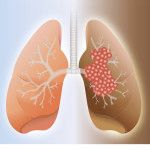
Lung Cancer Awareness Month, observed each November, is a reminder to educate the public about the potential signs, symptoms, and risk factors of lung cancer. It also presents an opportunity to promote the importance of lung screening, since the symptoms of lung cancer often first appear at advanced stages.
Lung cancer is the leading cause of cancer death and the second-most common cancer detected in both men and women in the U.S. Lung cancer accounts for nearly 25% of all cancer deaths in this country. According to estimates by the American Cancer Society, 235,760 patients will be diagnosed with lung cancer, and 131,880 patients will die of the disease in 2021.
Cigarette smoking, linked to approximately 80% to 90% of lung cancer deaths, is the most common cause of lung cancer. Pipes and cigars also increase the risk for lung cancer, as does having a family history of the disease, receiving radiation therapy to the chest area, and being exposed to secondhand smoke, asbestos, nickel, chromium, and soot.
There are two types of lung cancer: non-small cell lung cancer (NSCLC) and small cell lung cancer (SCLC). Non-small cell lung cancer, a slowly progressing cancer with few to no symptoms well into advanced stages, accounts for 80% to 85% of patient diagnoses. Small cell lung cancer, a rapidly growing and spreading disease, accounts for 10% to 15% of lung cancer diagnoses.
Most patients with lung cancer do not present with any symptoms until the disease is at an advanced stage. Signs and symptoms of lung cancer may include a recent, chronic cough that will not improve; shortness of breath; coughing up blood; chest pain; hoarseness; and wheezing. Warning signs that cancer cells have potentially spread to other body parts may include inexplicable bone (e.g., hips or back) pain; changes to the nervous system (e.g., chronic headaches, numbness in the arms/legs, balance problems, dizziness, or seizures); jaundice; and swollen lymph nodes.
ACCC Work in Lung Cancer
ACCC is committed to cultivating innovative tools and education to help providers integrate precision medicine into their programs and practices. With several projects addressing small-cell and non-small cell lung cancers, ACCC continues to cultivate new resources for cancer practices and programs that focus on multidisciplinary approaches to caring for patients, including:
Learn more about ACCC's lung cancer-related projects and tools:





An at-home option for cervical cancer screening breaks down barriers to care and offers the same level of precision as screening in the clinic.