As immunotherapy for cancer continues to evolve—so has the Association of Cancer Care Centers—adapting to meet the changing needs of the oncology community.
The ACCC Immuno-Oncology Institute is the only initiative dedicated to educating multidisciplinary teams to go beyond a clinical understanding of IO and tackle real-world implementation issues. With the care of patients on immunotherapies now extending beyond the cancer team, the ACCC Immuno-Oncology Institute is at the forefront of developing critical education to empower healthcare professionals across care delivery settings.
Under the guidance of the IO Institute Executive Committee, multispecialty Working Groups were established to focus on Big Data, Telemedicine, Care Coordination and Communication, and Training and Education. IO Working Groups members share their expertise, knowledge, and forward-looking perspectives to provide a framework for developing proactive strategies for effective delivery of these new and emerging therapies.
For more information on this project, please contact the ACCC Provider Education department.
This educational recording reviews the basics of bispecific antibodies, their clinical applications, and FDA-approved treatments. It also provides practical strategies for managing adverse events, patient education and the financial and operational factors essential for successful integration into clinical practice.
This guide offers an 8-step framework for implementing remote patient monitoring (RPM) programs, empowering providers to detect and manage irAEs for timely interventions, enhancing patient outcomes and quality of life.
Learn from experts Derek B. Allison, MD, and Justine C. Pickarski, MS, LGC, about how they developed Markey Cancer Center’s statewide molecular tumor board as well as lessons learned and key takeaways.

Explore the role of cardio-oncology in understanding and managing potential cardiovascular complications of immune checkpoint inhibitors.
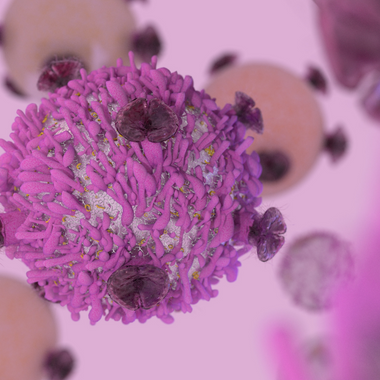
ACCCBuzz recognizes June as Cancer Immunotherapy Month.
ACCC recently announced a collaboration with the Digital Medicine Society on a project to develop a risk prediction tool for cytokine release syndrome.
As immune checkpoint inhibitors have become the standard of care for eligible patients with NSCLC, frequent monitoring of irAEs as well as provider and patient education on the signs and symptoms of pneumonitis can ensure improved clinical outcomes for patients.

Managing immunotherapy related adverse events (irAEs) requires a team-based effort, with pharmacists playing an integral role in their identification and management within both outpatient and inpatient multidisciplinary teams.
June is Cancer Immunotherapy Month, and ACCC is highlighting the important work that it and its partners are doing to increase patient access to these novel therapies.