
Many organizations have published formal recommendations, or workup guidelines, for managing irAEs, including ASCO, ESMO, NCCN, and SITC.The following can be used as a directory for the current irAE workup guidelines.
Oncodermatology is a rapidly developing field that is attracting significant interest and generating new literature in the context of cancer treatment strategies.
The non-specific adverse events of immune-based therapies, which often mimic autoimmune disorders rather than traditional cytotoxic effects, pose a significant challenge to emergency medicine providers.

While ADCs have emerged as a promising development for patients with NSCLC, they present unique challenges in clinical practice, such as optimal patient selection, treatment sequencing, and toxicity management. ADCs can also elicit significant adverse events, particularly when combined with immunotherapy, raising concerns about overlapping toxicities and the need for close monitoring for treatment-related complications.
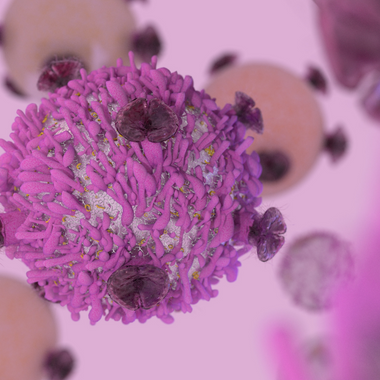
As immune checkpoint inhibitors have become the standard of care for eligible patients with NSCLC, frequent monitoring of irAEs as well as provider and patient education on the signs and symptoms of pneumonitis can ensure improved clinical outcomes for patients.
June is Cancer Immunotherapy Month, and ACCC is highlighting the important work that it and its partners are doing to increase patient access to these novel therapies.

The first post in ACCC's Subspeciality Immuno-Oncology Insights series—the APP perspective and real-world strategies for tackling current challenges in the delivery of immunotherapies for cancer.
Explore strategies to improve communication, build trust, and improve relationships between clinicians and administrators, ensuring the creation of safe and supportive environments for both team members and patients.
After realizing that a growing number of patients with cancer experienced significant delays and denials in home care and hospice services, Shaw Cancer Center built an oncology-specific home- and community-based palliative care program from the ground up.
Explore the current landscape, unique challenges, emerging trends, and strategic considerations for women’s oncology, and understand the importance of coordinated, multidisciplinary care models.
This article explores the exciting potential for pharmacists in the cardio-oncology setting, where their knowledge of oncolytic therapies, drug interactions, and toxicity management proves integral to patient care.