ACCCBuzz recognizes June as Cancer Immunotherapy Month.
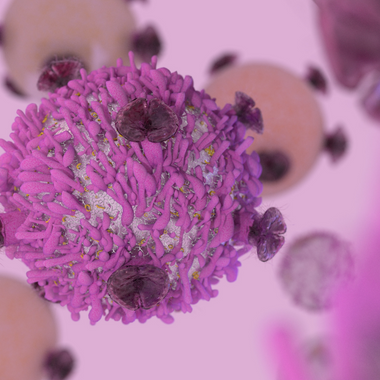
The power of memory can infuse unexpected spaces. A T-cell’s ability to recognize cancer cells, for example, underpins cellular immunotherapy and bolsters its efficacy. The deployment of memory as a therapeutic assist represents just a sliver of the wide array of mechanisms by which immunotherapy works and makes June, which marks Cancer Immunotherapy Month, a doubly fitting time to highlight the work the Association of Cancer Care Centers (ACCC) is undertaking to support the practice of immuno-oncology. It’s also an opportune moment to reflect on some of the challenges that persist in access to this potentially lifesaving therapy.
Bispecific antibodies, an emerging class of immunotherapy agents, have shown immense potential as treatments for hematologic cancers and more recently, solid tumors. ACCC spotlights these advancements and shares operational insights in its latest program on the delivery of bispecific antibodies in solid tumors. To support cancer centers as they navigate the inclusion of bispecific antibodies into their organizations, 2 CANCER BUZZ podcasts were released to provide actionable strategies:
However, incorporating these therapies can be challenging for community cancer centers due to multiple clinical and operational factors. Transitioning patients from inpatient to outpatient settings, managing adverse events, supporting patients who live in rural areas, countering financial toxicity, and a lack of in-house expertise, can all present as barriers to fully leveraging treatment through bispecific antibodies. To help overcome some of these roadblocks, ACCC launched Project Echo®: Evolving Role of Bispecific Antibodies as Cancer Therapy, which enables community oncology clinicians to participate in a series of 5 tele-mentoring sessions on the optimal use of bispecific antibodies. Attendees receive guidance on clinical cases and can pose questions to a virtual team of expert faculty.
Chimeric antigen receptor (CAR) T-cell therapy is another potentially curative immunotherapy that has seen rapid advancement in clinical trials and practice settings. ACCC—with its program partners Cancer Support Community, the Association of American Cancer Institutes, and the Advanced Practitioner Society for Hematology and Oncology—highlight the importance of early patient identification and maintaining care continuity throughout treatment with its latest initiative to enable more patients to potentially access this lifesaving therapy.
A wealth of insights flowing from the ACCC Working Summit: Advancing CAR T-Cell Therapy Care Continuity and Collaborative Patient Education can be gleaned from this publication and this podcast (CANCER BUZZ Ep 150) featuring highlights from the summit. To optimize care coordination through the complexity of CAR T-cell therapy, ACCC members can also access a comprehensive Resource Library of curated materials to support multidisciplinary care teams as they seek to improve timely patient identification, strengthen referral relationships between cancer programs and authorized treatment centers, and mitigate barriers to access for eligible patients.
Furthermore, in a 4-part article series, ACCC shares strategies to identify patients and optimize care coordination, overcome the logistical and financial hurdles associated with CAR T-cell therapy, and spotlight cancer programs and practices that have implemented CAR T-cell therapy successfully in outpatient settings, and details the effective strategies they leveraged.
To optimize collaborative care delivery, ACCC’s Immuno-Oncology Institute has created a medical wallet card cancer care programs and practices can provide patients receiving immunotherapy. Due to the breadth of potential immune-related adverse events (irAEs), the card lists symptoms that should prompt a call to the patient’s oncology provider. This simple tool supports clear communication between oncologists and emergency department providers who may treat the patient in the event of complications that require immediate medical attention.
However, the card’s benefits are for patients with access to immunotherapy treatment. Judith Harding, a patient diagnosed with multiple myeloma, very nearly didn’t. In a video shared as part of the ACCC CAR T-Cell Therapy Summit, Harding’s story spotlights the ongoing challenges of accessing CAR T-cell therapy. She describes her simultaneous relief and concern at being approved for treatment, upon realizing the caregiving responsibilities her treatment would require. “It’s assumed that everyone has a dedicated caregiver,” Harding says. “So, what happens if you don’t have a caregiver? No caregiver, no CAR T.” With no foreseeable way to surmount that hurdle, she emailed her oncologist and asked to be taken off the list of immunotherapy recipients.
Ultimately, Harding’s care team did not remove her name from the list of CAR T-cell therapy recipients. In the 11th hour, she contracted a home health aide agency after cobbling together thousands of dollars from her credit card, family, savings, and a long-term care policy to pay for a dedicated caregiver at $350 per day for the duration of her treatment. “I did it all on my own,” she says. “There was no assistance from the hospital, or the doctor’s office, a social worker, or anyone.”
Stories like Harding’s highlight the continued need for patient education, navigation services, and improved care coordination. To improve the patient experience, ACCC’s Immuno-Oncology Institute is dedicated to cultivating clinical understanding of cancer immunotherapy and helping multidisciplinary teams tackle real-world implementation issues. Its Immuno-Oncology Insight and Subspecialty Insight series offers clinical perspectives and operational strategies authored by multidisciplinary members of the Institute, such as its latest article on Addressing Cardiovascular Complications in Cancer Immunotherapy. For more information about the ACCC Immuno-Oncology Institute and its work related to cancer immunotherapy, please visit the ACCC website.