ACCC association of cancer care centers
Join/Renew
Login
Join/Renew
Login
Education & Resources
ACCC eXchange LogInSponsored Education from ACCC Corporate PartnersACCC eLearning LogInPresentations & Abstracts
Publications
Oncology IssuesPatient Assistance & Reimbursement GuideTrending Now in Cancer CareBusiness Case Studies for Hiring New Staff
Events
2026 ACCC Leadership SummitAnnual Meeting & Cancer Center Business SummitCapitol Hill DayNational Oncology ConferenceOncology Reimbursement MeetingsOncology State Society Meetings
Policy & Advocacy
ACCC 2026 Policy PrioritiesLetters & StatementsAccess, Payment & Reimbursement ReformWhite Bagging & Brown BaggingAdvocacy ResourcesCancer Moonshot
Membership
Join | RenewWho We AreMembership Types & BenefitsCorporate MembersACCC Member Portal FAQMember Directory
Partners
Oncology State SocietiesPartner OrganizationsCME
News
News ReleasesAdvocacy News ReleasesOncology News
About ACCC
Timeline / 50th Anniversary2025 Impact ReportPresident's ThemeACCC Innovator AwardsACCC FellowsBoard of TrusteesACCC Senior Staff
Breast CancerMetastatic Breast Cancer
Gastrointestinal CancerBiliary Tract CancerColorectal CancerGastric CancerLiver Cancer
Genitourinary CancerBladder CancerProstate CancerRenal Cell Carcinoma
Gynecologic Cancer
Head & Neck Cancer
Hematologic MalignanciesAcute Lymphocytic Leukemia (ALL)Acute Myeloid Leukemia (AML)Chronic Lymphocytic Leukemia (CLL)Mantle Cell Lymphoma (MCL)Multiple Myeloma (MM)Myelodysplastic Syndromes (MDS)
Lung CancerNon-Small Cell Lung Cancer (NSCLC)Small Cell Lung Cancer (SCLC)
Sarcoma
Skin CancerMelanomaNon-Melanoma Skin Cancers (NMSC)
Clinical Practice & TreatmentCancer DiagnosticsCare CoordinationEHR Integration for Biomarker TestingQuality Improvement Collaboration: Integration of Precision Medicine in Community OncologyTreatment
Financial NavigationFAN Boot CampFinancial Advocacy Network (FAN) Resource LibraryPatient Assistance & Reimbursement GuidePrior Authorization
Health Equity & Access3, 2, 1, Go! Practical Solutions for Addressing Cancer Care DisparitiesAppalachian Community Cancer AllianceOncology Advanced PractitionersPersonalizing Care for Patients of All BackgroundsSocial Drivers of Health
Patient-Centered CareAddressing Care Disparities for VeteransAdolescent and Young Adult (AYA)Care Action Plans for People with CancerDermatologic ToxicitiesEmpowering CaregiversGeriatric OncologyHealth LiteracyNutritionOncology PharmacyPatient NavigationPsychosocial Care in OncologyShared Decision-MakingSupportive CareSurvivorship Care
Practice Management & OperationsCancer Program FundamentalsLeadership Sustainment and Engagement VideosOncology Practice Transformation and Integration CenterOncology Team Resiliency
ResearchACCC Community Oncology Research Institute (ACORI)
Technology & InnovationTelehealth & Digital Medicine
ACCCBuzz Blog
CANCER BUZZ Podcast
Oncology Issues
Join/Renew
Login
Breast CancerMetastatic Breast Cancer
Gastrointestinal CancerBiliary Tract CancerColorectal CancerGastric CancerLiver Cancer
Genitourinary CancerBladder CancerProstate CancerRenal Cell Carcinoma
Gynecologic Cancer
Head & Neck Cancer
Hematologic MalignanciesAcute Lymphocytic Leukemia (ALL)Acute Myeloid Leukemia (AML)Chronic Lymphocytic Leukemia (CLL)Mantle Cell Lymphoma (MCL)Multiple Myeloma (MM)Myelodysplastic Syndromes (MDS)
Lung CancerNon-Small Cell Lung Cancer (NSCLC)Small Cell Lung Cancer (SCLC)
Sarcoma
Skin CancerMelanomaNon-Melanoma Skin Cancers (NMSC)
Clinical Practice & TreatmentCancer DiagnosticsCare CoordinationEHR Integration for Biomarker TestingQuality Improvement Collaboration: Integration of Precision Medicine in Community OncologyTreatment
Financial NavigationFAN Boot CampFinancial Advocacy Network (FAN) Resource LibraryPatient Assistance & Reimbursement GuidePrior Authorization
Health Equity & Access3, 2, 1, Go! Practical Solutions for Addressing Cancer Care DisparitiesAppalachian Community Cancer AllianceOncology Advanced PractitionersPersonalizing Care for Patients of All BackgroundsSocial Drivers of Health
Patient-Centered CareAddressing Care Disparities for VeteransAdolescent and Young Adult (AYA)Care Action Plans for People with CancerDermatologic ToxicitiesEmpowering CaregiversGeriatric OncologyHealth LiteracyNutritionOncology PharmacyPatient NavigationPsychosocial Care in OncologyShared Decision-MakingSupportive CareSurvivorship Care
Practice Management & OperationsCancer Program FundamentalsLeadership Sustainment and Engagement VideosOncology Practice Transformation and Integration CenterOncology Team Resiliency
ResearchACCC Community Oncology Research Institute (ACORI)
Technology & InnovationTelehealth & Digital Medicine
ACCCBuzz Blog
CANCER BUZZ Podcast
Oncology Issues
    • Education & Resources
    • Publications
    • Events
    • Policy & Advocacy
    • Membership
    • Partners
    • News
    • About ACCC
ACCC association of cancer care centers
5425 Wisconsin Ave #600, Chevy Chase, MD 20815
Tel: 301.984.9496 Email Us
Contact UsVolunteers
Advertise
Career Center
Terms and Conditions
Privacy Policy
ACCC Rebranding
Copyright © 2026 Association of Cancer Care Centers. All Rights Reserved.
HomeACCCBuzz Blog

An Oncologist’s Prescription for Managing Fear

April 30, 2020

An Oncologist’s Prescription for Managing Fear

By Douglas B. Flora, MD

When physicians present at medical conferences, we usually start with a slide disclosing any potential conflicts of interest to our audience. I probably need to disclose two things here. First, I’m an infuriating and inexhaustible optimist. Second, I’m a cancer doctor but also a recent cancer patient myself, and I understand intimately how it feels when your world unexpectedly spins out of control.

With the arrival of COVID-19 on our shores, and our lives suddenly looking as if they were cut from the pages of a Michael Crichton novel, we are all facing new fears and uncertainties previously unimagined. It’s only natural we now find ourselves seeking guidance on how best to survive in this new world. My prescription: Ask cancer patients.

These patients were going about their normal lives when a cruel and terrifying reality intruded. Sound familiar? They are trained in uncertainty. They have been forced by their diseases to adapt, survive, and thrive amidst their own personal chaos. These patients’ experiences can offer valuable lessons and simple, but powerful tools we can use to adapt to the current COVID-19 pandemic.

Cancer patients must adapt to nearly impossible situations each day with grace, courage, and indissoluble hope. Real, applied hope is a powerful thing to behold. These patients embrace it. Can we tackle the coronavirus with a similar approach? I watch this hope help my patients overcome otherwise insurmountable hurdles every day. These lessons have informed my perspective as I offer this prescription to help you through the next few very difficult months: Hope on.

For those of you on the front lines working in healthcare, hope will be the fuel we burn every morning when we head to the hospital. We’ve learned this from the resolve we’ve seen in our own patients over years fighting in the trenches. You can put this to work too. Keep your own hope alive, no matter how dark it gets. This too shall pass.

However, hope alone may not be enough. We must face some grim realities. Many lives are going to be lost before another (new) normal returns. I’m reminded of a dear patient and survivor. This young mom was diagnosed with breast cancer while caring for her husband as he was dying of cancer himself. I asked her how she coped so well under such incredible stress and sadness. Her response has stuck with me for over ten years, and I’ve shared this simple phrase with hundreds of patients since: “When there is no wind, we row.”

Right now, our nation has no wind to power our sails. Despite the fear of the unknown, we each need to row in order to support the normal rhythms of life. We must do our own part to preserve this critical physical distancing and move the boat a little each day as a nation. Already we see what this collective individual work and self-discipline has accomplished at the pandemic’s epicenter, as life is resuming today in Wuhan, China. If we do the hard, necessary things they did in China to isolate, test, mitigate, and separate, our own discipline will be similarly rewarded. My patients get this, and, despite all of their fear and uncertainty, I still see them rowing their own boats each day. In the coming months, the wind will return and fill the sails again … but until then, we row.

Cancer patients also learn to excel in stress management. In times of uncertainty, they strive to control only those things which they can control. Cancer patients understand that every moment matters, so they waste none. Another longtime patient and dear friend is living her best life despite an incurable stage IV melanoma. She is thriving. She works full time. She travels. She still punishes her Peloton almost daily! She reminds me that control is always within our grasp.

You can do this too. Exercise. Read a great book. Pause your scrolling online to call an old friend. You must stop to consider what you can control, then, to quote this wise patient, “double down on it.” This approach to stress management is just as applicable to pandemics as it is to cancer. You cannot control thousands of spring breakers reveling on Florida beaches. Let it go. However, you can safely socially distance your family, you can religiously wash your hands, and you can help those unable to help themselves. Let go of the things you cannot control, and double down on the things you can.

Cancer patients teach us about the importance of community. They find strength in numbers and groups, whether by wearing pink ribbons, running in Races for the Cure, or attending support group meetings. A community is greater than the sum of its parts. We are more powerful together than on our own. No matter if you are in Wuhan, Bergamo, or my hometown of Cincinnati, we all share the hope for better days ahead.

This infuriatingly optimistic cancer doctor sees glimmers of it already: the survival of the human spirit and real community. You can see it in the spontaneous celebrations of healthcare workers ringing from balconies in Madrid, or beleaguered nurses in hazmat suits dancing with signs on TikTok. Right now, even though it may feel like it is pulling us apart, our world is actually being pushed together by this virus, whether we realize it or not. To borrow from one of my new heroes, WHO Director-General Tedros Adhanom, “This amazing spirit of human solidarity must become even more infectious than the virus itself.”

During this hard pause while our lives are at their strangest — while there is no wind — we must row. All of us. But it’s not enough to just row; we must row together. Like cancer patients, we need all the hope, resolve, and community we can muster.

If the prescription above doesn’t work for you? This cancer doctor recommends you double the dose.

Douglas B. Flora, MD, is theExecutive Medical Director of Oncology Services at St. Elizabeth Healthcare in Edgewood, Kentucky. This article first appeared on KevinMD.com on April 12, 2020.

For resources on COVID-19 as it applies to the oncology community, visit ACCC’s continually updated Coronavirus Response page. ACCC members can also access ACCCExchange, a forum that allows them to communicate in real time with their colleagues about how the COVID-19 virus is affecting their communities and their patients.


Related Content

Addressing the In-Between: AYAs and Multifaceted Cancer TreatmentACCCBuzz Blog

Addressing the In-Between: AYAs and Multifaceted Cancer Treatment

Jenna Pierson

September 30, 2026

From Diagnosis to Survivorship: Understanding AML and CLL From End to EndACCCBuzz Blog

From Diagnosis to Survivorship: Understanding AML and CLL From End to End

Rachel Radwan

September 28, 2026

Upcoming Events

ACCC 43rd National Oncology Conference

ACCC 43rd National Oncology Conference

In Person October 21, 2026 at 8:00 AM EDT450 Summer St, Boston, MA 02210, USAOmni Boston Hotel at the Seaport, Boston
Register Now!
ACCC Oncology Reimbursement Meeting | Reno

ACCC Oncology Reimbursement Meeting | Reno

In Person November 4, 2026 at 8:00 AM EST255 North Virginia Street, Reno, NV, USAWhitney Peak Hotel Reno, Tapestry Collection by Hilton,
Register Now!
ACCC Oncology Reimbursement Meeting | Providence

ACCC Oncology Reimbursement Meeting | Providence

In Person November 10, 2026 at 8:00 AM EST5 Avenue of the Arts, Providence, RI, USARenaissance Providence Downtown Hotel,
Register Now!
ACCC Leadership Summit

ACCC Leadership Summit

In Person April 22, 2027 at 8:00 AM EDTInterContinental the Willard Washington D.C. by IHG, 1401 Pennsylvania Ave NW, Washington, DC 20004, USAWillard Intercontinental,
Register Now!
Advertisement
Advertisement

Trending Now on
ACCCBuzz Blog

Addressing the In-Between: AYAs and Multifaceted Cancer Treatment

Addressing the In-Between: AYAs and Multifaceted Cancer Treatment

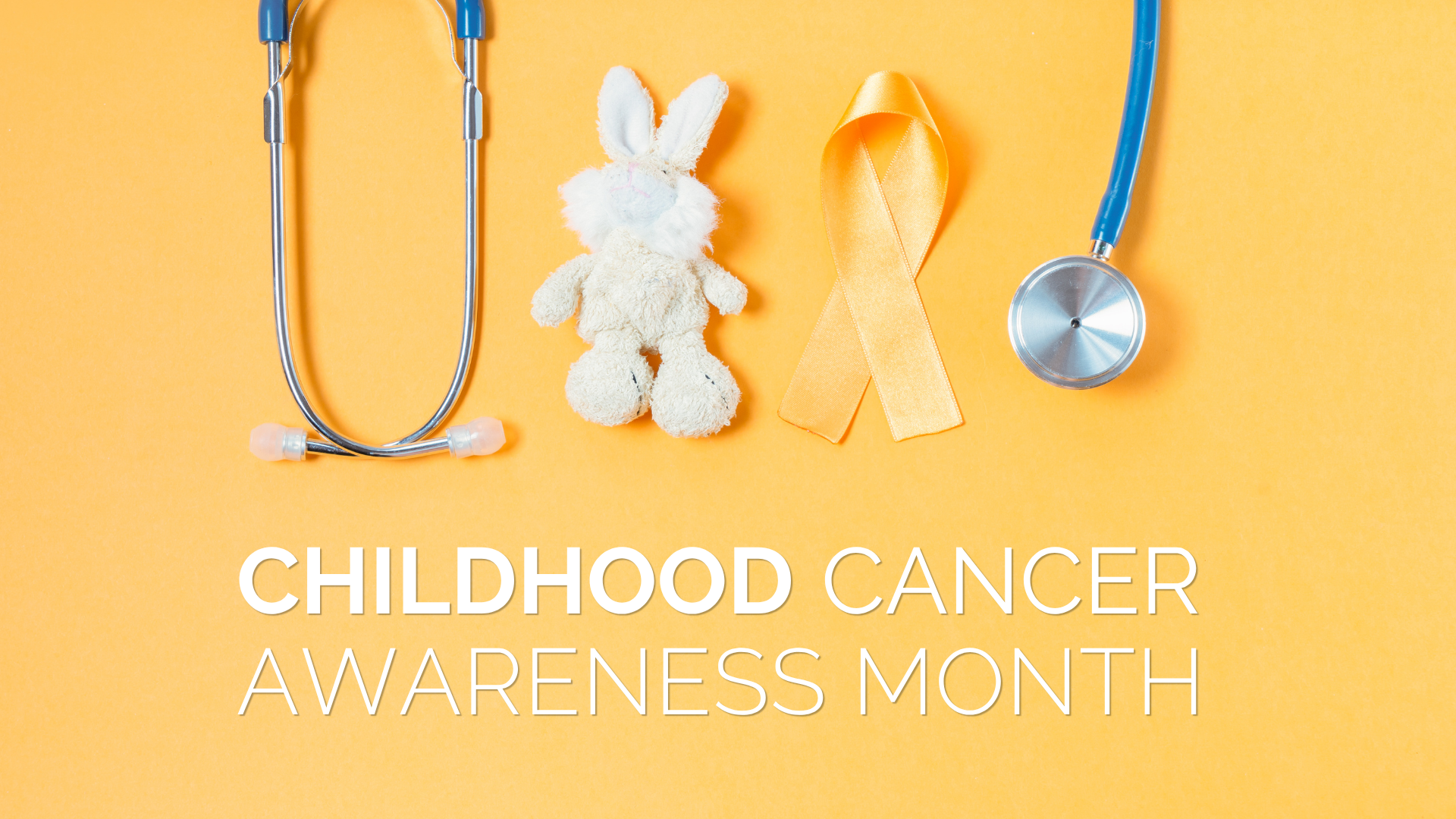
From mental health concerns to fertility preservation, adolescents and young adults with cancer require a specialized approach to treatment and survivorship care. In honor of Childhood Cancer Awareness Month, ACCC highlights a pivotal program from the University of North Carolina Lineberger Comprehensive Cancer Center and resources that meet the critical needs of these patients.

From Diagnosis to Survivorship: Understanding AML and CLL From End to End

From Diagnosis to Survivorship: Understanding AML and CLL From End to End

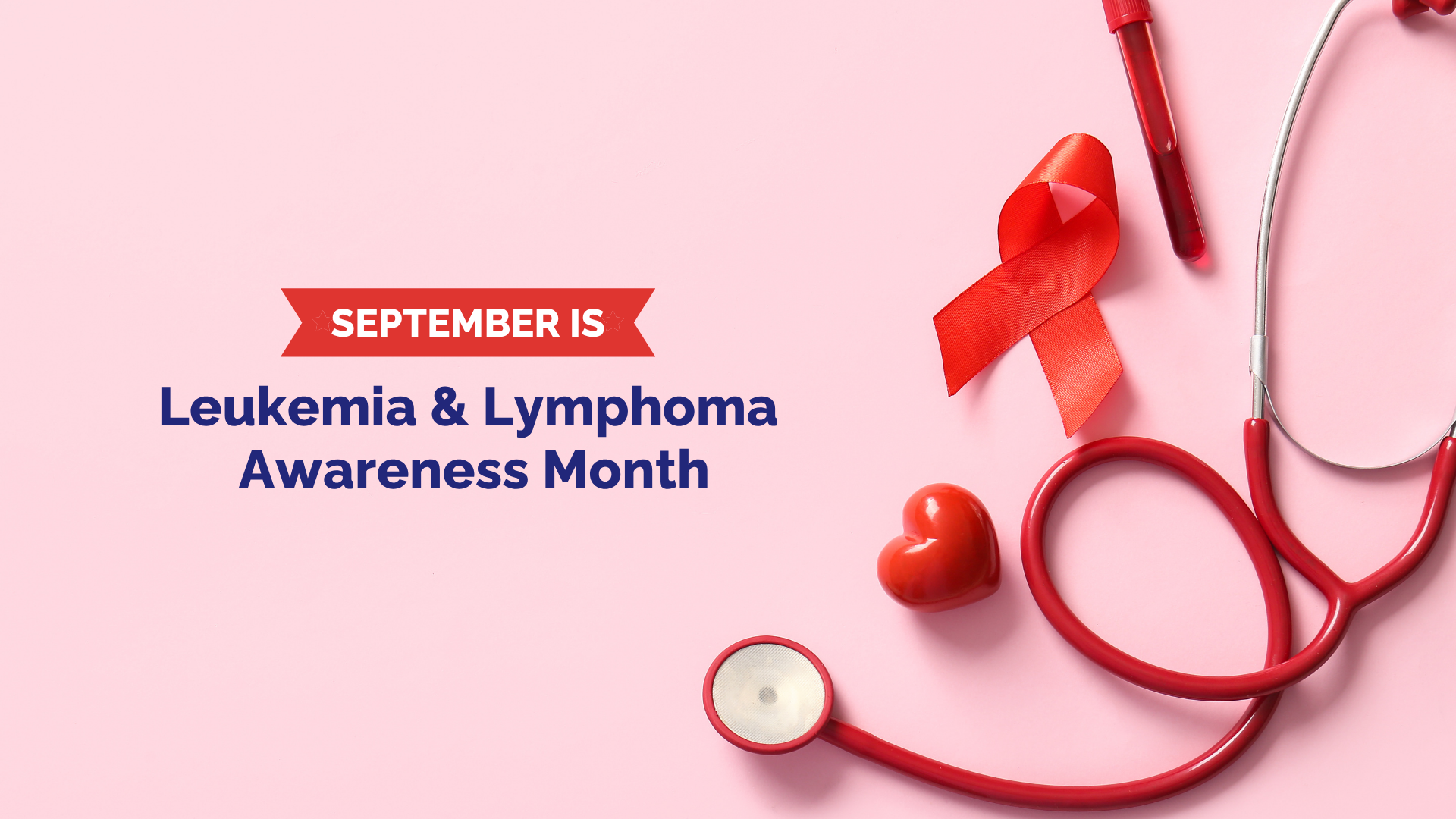
In recognition of Leukemia and Lymphoma Awareness Month, ACCC compiled a group of resources to help care teams navigate two of the most commonly diagnosed adult leukemias: acute myeloid leukemia and chronic lymphocytic leukemia.

Gynecologic Cancer Awareness Month: Expanding Access and Improving Outcomes
ACCCBuzz Blog

Gynecologic Cancer Awareness Month: Expanding Access and Improving Outcomes

Jenna Pierson; Gabrielle Stearns

September 25, 2026

ACCC’s Comments on the 2026 CMS Interim Final RuleACCCBuzz Blog

ACCC’s Comments on the 2026 CMS Interim Final Rule

Rachel Radwan

September 24, 2026

Decentralized Clinical Trials in Community Oncology: Advancing Access Requires More Than TechnologyACCCBuzz Blog

Decentralized Clinical Trials in Community Oncology: Advancing Access Requires More Than Technology

September 10, 2026

Highlights From Volume 41, Number 4 Oncology IssuesACCCBuzz Blog

Highlights From Volume 41, Number 4 Oncology Issues

Gabrielle Stearns

August 20, 2026

Transforming Access to Care Through Pre-Intake NavigationACCCBuzz Blog

Transforming Access to Care Through Pre-Intake Navigation

Rachel Radwan

August 6, 2026

An APP-Led Outpatient Bispecific Antibody ClinicACCCBuzz Blog

An APP-Led Outpatient Bispecific Antibody Clinic

Rachel Radwan

August 4, 2026

Gynecologic Cancer Awareness Month: Expanding Access and Improving Outcomes

Gynecologic Cancer Awareness Month: Expanding Access and Improving Outcomes

An at-home option for cervical cancer screening breaks down barriers to care and offers the same level of precision as screening in the clinic.

ACCC’s Comments on the 2026 CMS Interim Final Rule

ACCC’s Comments on the 2026 CMS Interim Final Rule

On June 1, 2026, CMS published its interim final rule (IFR), Medicaid Program; Community Engagement Requirement for Certain Individuals in the Federal Register, followed by a public comment period, during which time ACCC submitted a comment letter requesting amendments to the IFR.

View All ACCCBuzz Blogs

Recently Heard on
CANCER BUZZ Podcast

Bringing CAR T-Cell Therapy to the Community Setting - Mini Podcast [Ep. 242]

Embedding Local Expertise in Rural Cancer Prevention - Podcast [Ep. 241]

From Reactive to Proactive: Improving Access to Cancer Care Through Pre-Intake Navigation - [Podcast] Ep. 240

Real-World Oncology Decentralized Trials - [Video Podcast] Ep. 66

View All Podcasts

Latest from Oncology Issues

August 2026
August 2026
June 2026
April 2026
February 2026
December 2025
View All Oncology Issues

Join the Conversation

ACCC eXchange Digital Banner
Login