ACCC association of cancer care centers
Join/Renew
Login
Join/Renew
Login
Education & Resources
ACCC eXchange LogInCorporate Member Sponsored ResourcesACCC eLearning LogInPresentations & Abstracts
Publications
Oncology IssuesPatient Assistance & Reimbursement GuideTrending Now in Cancer CareBusiness Case Studies for Hiring New Staff
Events
2026 ACCC Leadership SummitAnnual Meeting & Cancer Center Business SummitCapitol Hill DayNational Oncology ConferenceOncology Reimbursement MeetingsOncology State Society Meetings
Policy & Advocacy
ACCC 2026 Policy PrioritiesLetters & StatementsAccess, Payment & Reimbursement ReformWhite Bagging & Brown BaggingAdvocacy ResourcesCancer Moonshot
Membership
Join | RenewWho We AreMembership Types & BenefitsCorporate MembersACCC Member Portal FAQMember Directory
Partners
Oncology State SocietiesPartner OrganizationsCME
News
News ReleasesAdvocacy News ReleasesOncology News
About ACCC
Timeline / 50th Anniversary2025 Impact ReportPresident's ThemeACCC Innovator AwardsACCC FellowsBoard of TrusteesACCC Senior Staff
Breast CancerMetastatic Breast Cancer
Gastrointestinal CancerBiliary Tract CancerColorectal CancerGastric CancerLiver Cancer
Genitourinary CancerBladder CancerProstate CancerRenal Cell Carcinoma
Gynecologic CancerOvarian Cancer
Head & Neck Cancer
Hematologic MalignanciesAcute Lymphocytic Leukemia (ALL)Acute Myeloid Leukemia (AML)Chronic Lymphocytic Leukemia (CLL)Mantle Cell Lymphoma (MCL)Multiple Myeloma (MM)Myelodysplastic Syndromes (MDS)
Lung CancerNon-Small Cell Lung Cancer (NSCLC)Small Cell Lung Cancer (SCLC)
Sarcoma
Skin CancerMelanomaNon-Melanoma Skin Cancers (NMSC)
Clinical Practice & TreatmentCancer DiagnosticsCare CoordinationEHR Integration for Biomarker TestingQuality Improvement Collaboration: Integration of Precision Medicine in Community OncologyTreatment
Financial NavigationFAN Boot CampFinancial Advocacy Network (FAN) Resource LibraryPatient Assistance & Reimbursement GuidePrior Authorization
Health Equity & Access3, 2, 1, Go! Practical Solutions for Addressing Cancer Care DisparitiesAppalachian Community Cancer AllianceOncology Advanced PractitionersPersonalizing Care for Patients of All BackgroundsSocial Drivers of Health
Patient-Centered CareAddressing Care Disparities for VeteransAdolescent and Young Adult (AYA)Care Action Plans for People with CancerDermatologic ToxicitiesEmpowering CaregiversGeriatric OncologyHealth LiteracyNutritionOncology PharmacyPatient NavigationPsychosocial Care in OncologyShared Decision-MakingSupportive CareSurvivorship Care
Practice Management & OperationsCancer Program FundamentalsLeadership Sustainment and Engagement VideosOncology Practice Transformation and Integration CenterOncology Team Resiliency
ResearchACCC Community Oncology Research Institute (ACORI)
Technology & InnovationTelehealth & Digital Medicine
ACCCBuzz Blog
CANCER BUZZ Podcast
Oncology Issues
Join/Renew
Login
Breast CancerMetastatic Breast Cancer
Gastrointestinal CancerBiliary Tract CancerColorectal CancerGastric CancerLiver Cancer
Genitourinary CancerBladder CancerProstate CancerRenal Cell Carcinoma
Gynecologic CancerOvarian Cancer
Head & Neck Cancer
Hematologic MalignanciesAcute Lymphocytic Leukemia (ALL)Acute Myeloid Leukemia (AML)Chronic Lymphocytic Leukemia (CLL)Mantle Cell Lymphoma (MCL)Multiple Myeloma (MM)Myelodysplastic Syndromes (MDS)
Lung CancerNon-Small Cell Lung Cancer (NSCLC)Small Cell Lung Cancer (SCLC)
Sarcoma
Skin CancerMelanomaNon-Melanoma Skin Cancers (NMSC)
Clinical Practice & TreatmentCancer DiagnosticsCare CoordinationEHR Integration for Biomarker TestingQuality Improvement Collaboration: Integration of Precision Medicine in Community OncologyTreatment
Financial NavigationFAN Boot CampFinancial Advocacy Network (FAN) Resource LibraryPatient Assistance & Reimbursement GuidePrior Authorization
Health Equity & Access3, 2, 1, Go! Practical Solutions for Addressing Cancer Care DisparitiesAppalachian Community Cancer AllianceOncology Advanced PractitionersPersonalizing Care for Patients of All BackgroundsSocial Drivers of Health
Patient-Centered CareAddressing Care Disparities for VeteransAdolescent and Young Adult (AYA)Care Action Plans for People with CancerDermatologic ToxicitiesEmpowering CaregiversGeriatric OncologyHealth LiteracyNutritionOncology PharmacyPatient NavigationPsychosocial Care in OncologyShared Decision-MakingSupportive CareSurvivorship Care
Practice Management & OperationsCancer Program FundamentalsLeadership Sustainment and Engagement VideosOncology Practice Transformation and Integration CenterOncology Team Resiliency
ResearchACCC Community Oncology Research Institute (ACORI)
Technology & InnovationTelehealth & Digital Medicine
ACCCBuzz Blog
CANCER BUZZ Podcast
Oncology Issues
    • Education & Resources
    • Publications
    • Events
    • Policy & Advocacy
    • Membership
    • Partners
    • News
    • About ACCC
ACCC association of cancer care centers
5425 Wisconsin Ave #600, Chevy Chase, MD 20815
Tel: 301.984.9496 Email Us
Contact UsVolunteers
Advertise
Career Center
Terms and Conditions
Privacy Policy
ACCC Rebranding
Copyright © 2026 Association of Cancer Care Centers. All Rights Reserved.
HomeACCCBuzz Blog

The Art of Managing ALL

February 5, 2019
Sandra Kurtin, PhD, ANP-C, AOCN

The Art of Managing ALL

As part of a multidisciplinary team education project on acute lymphocytic leukemia (ALL), ACCC recently released an environmental scan that provides an overview of the current landscape for ALL diagnosis and treatment, along with potential opportunities to improve care for this patient population. In this post—the first in a three-part series—guest blogger Sandra Kurtin, PhD, ANP-C, AOCN, offers perspective on the complex challenges that ALL presents for patients, caregivers, and providers.

The diagnosis of acute lymphocytic leukemia (also known as acute lymphoblastic leukemia) is life changing and typically abrupt—a shock to patients and their families. Most patients newly diagnosed with ALL move quickly from feeling normal and participating in typical daily activities to becoming acutely ill, requiring multiple tests and procedures, often hospitalization, and immediate treatment. Put another way, the diagnosis plucks patients from their everyday lives and casts them into the complex, foreign, alternate reality of living with acute lymphoblastic leukemia.

This is not a simple journey for either patients or providers. Living with and treating ALL takes team support. It requires the patient along with a crew of caregivers (family, friends, neighbors, and others) and an interdisciplinary team of healthcare providers—collectively the “ALL Team.” Both from the patient and the provider perspectives, navigating this journey requires adaptation from day to day according to the changing needs of the patient and the complexity of the treatment regimen. The treatment of ALL includes some of the most complex regimens in oncology, integrating multiple drugs, routes of administration, and alternating sequences over a long period of time. ALL treatment may require intravenous, oral, subcutaneous, intramuscular, and intrathecal therapies, and at times, hospitalization. Gender plays a role, too. For men maintenance therapy may last for three years; while for women, this treatment may continue for least two years. For those patients with high-risk features, this journey may require an allogeneic stem cell transplant and the complexities this entails.

Beyond integrating the science, managing the nuanced journey for patients with ALL exemplifies the art of medicine. Optimal care requires knowing the drugs; understanding the complexity of the treatment regimens; and anticipating, mitigating and promptly managing toxicities—all with a focused awareness of the cadence and tempo of the disease for each patient. No two patients are the same.

As an artist begins with a new canvas, so we begin in practicing the art of medicine in ALL. Our canvas is the patient. Our art begins with the first steps of gathering information: Where is the patient in the disease trajectory? What is their risk profile? What realistically might their journey entail?

With the basic picture emerging, the patient and cancer care team face a critical first step in the art of managing ALL—determining the ultimate goals of treatment. For this discussion to focus the picture, questions must be answered immediately. These include:

  • Does the patient have high-risk disease? If yes, a bone marrow biopsy is required.
  • Will they need a transplant? If yes, are they eligible for a transplant?
  • Do they have co-morbidities? If yes, are they well controlled?
  • Can they endure the induction therapy needed to rapidly suppress the malignant clone?
  • Do they have insurance coverage? If so, what is covered?
  • Do they have a caregiver and/or support network?
  • Does the patient have to travel far to come to the treatment center?
  • Is the patient working? How might treatment affect their ability to continue working? If they become unable to work, will they lose health insurance coverage?
  • What are the patient’s goals for care?

While working through these questions quickly is overwhelming for patients and their caregivers, the time for decision-making is often short. Many times, patients with ALL will require immediate interventions, such as line placement; for some, placement of an Ommaya reservoir; and multiple other diagnostic tests. Descriptions of test results and treatment options are complex. Thus, effective and consistent communication between healthcare providers and the patient and their support network is essential to the art of managing ALL.

Once treatment decisions have been made, the focus for the “ALL Team” is on mitigating toxicity, optimizing treatment outcomes, and preserving quality of life. Cytopenias become a regular part of the journey. For some individuals these are serious enough to require hospitalization for neutropenic fevers, and for most, transfusions are needed during the most intensive treatment phases. If remission is achieved and the patient does not require transplant, maintenance therapy—as mentioned above—can extend for two or three years. Cumulative toxicities such as neuropathy or cardiotoxicity pose a risk to quality of life, and the risk of relapse is always looming. Finessing dosing of individual drugs, and modifying sequences when necessary, is like refining a complex and unique piece of art. Incorporating an interdisciplinary approach to management is key to mitigating adverse events and improving treatment outcomes.

Patients with ALL and their families spend a substantial amount of time with their care teams at healthcare facilities. The art of managing ALL lies in creating an “ALL Team” (social workers, nutrition, financial counselors, pharmacists, nurses, advanced practitioners, and multiple physician specialists) that with a primary team and the patient and caregivers work together to navigate this long, uncertain journey, ultimately creating the best opportunity for optimal outcomes, including quality of life.

Sandra Kurtin, PhD, ANP-C, AOCN, is Assistant Professor of Clinical Medicine, Adjunct Clinical Assistant Professor of Nursing at The University of Arizona; Division Chief, Advanced Practice Providers and Clinical Integration, at The University of Arizona Cancer Center. She serves on the Advisory Committee for ACCC’s Multidisciplinary Acute Lymphocytic Leukemia Care education project and has been involved in the care of patients with ALL for over 30 years.


Related Content

Highlights From Volume 41, Number 4 Oncology IssuesACCCBuzz Blog

Highlights From Volume 41, Number 4 Oncology Issues

Gabrielle Stearns

August 20, 2026

Transforming Access to Care Through Pre-Intake NavigationACCCBuzz Blog

Transforming Access to Care Through Pre-Intake Navigation

Rachel Radwan

August 6, 2026

An APP-Led Outpatient Bispecific Antibody Clinic

Upcoming Events

ACCC 43rd National Oncology Conference

ACCC 43rd National Oncology Conference

In Person October 21, 2026 at 8:00 AM EDT450 Summer St, Boston, MA 02210, USAOmni Boston Hotel at the Seaport, Boston
Register Now!
ACCC Oncology Reimbursement Meeting | Reno

ACCC Oncology Reimbursement Meeting | Reno

In Person November 4, 2026 at 8:00 AM EST255 North Virginia Street, Reno, NV, USAWhitney Peak Hotel Reno, Tapestry Collection by Hilton,
Register Now!
ACCC Oncology Reimbursement Meeting | Providence

ACCC Oncology Reimbursement Meeting | Providence

In Person November 10, 2026 at 8:00 AM EST5 Avenue of the Arts, Providence, RI, USARenaissance Providence Downtown Hotel,
Register Now!
2026 Carolinas Cancer Conference
Oncology

2026 Carolinas Cancer Conference

In Person Conference & ConventionAugust 22, 2026 at 7:00 AM EDT5757 Palm Blvd, Isle of Palms, SC, USAWild Dunes, Isle of Palms
Register Now!
NMSCO 2026 Fall Conference
Oncology

NMSCO 2026 Fall Conference

In Person Conference & ConventionSeptember 12, 2026 at 7:30 AM MDT2101 Louisiana Boulevard NE Albuquerque, NM, 87110Marriott Albuquerque, Albuquerque
Register Now!
TxSCO 2026 Annual Conference
Oncology

TxSCO 2026 Annual Conference

In Person Conference & ConventionSeptember 18, 2026 at 6:00 PM CDT501 Gaylord Trail, Grapevine, TX, USAGaylord Texan Resort & Convention Center, Grapevine
Register Now!
KYSCO 2026 Fall Oncology Review
Oncology

KYSCO 2026 Fall Oncology Review

In Person Conference & ConventionSeptember 19, 2026 at 7:00 AM EDT500 S 4th St, Louisville, KY, USAThe Seelbach Hilton Louisville, Louisville
Register Now!
ESHOS Horizons 2026
Oncology

ESHOS Horizons 2026

In Person Conference & ConventionSeptember 19, 2026 at 7:30 AM EDT1 Liberty Street, New York, NY, USAConvene at One Liberty Plaza, New York
Register Now!
MSOS 2026 Bozeman Meeting
Oncology

MSOS 2026 Bozeman Meeting

In Person Meeting & NetworkingSeptember 22, 2026 at 5:30 PM EDT5 W Mendenhall St suite 102, Bozeman, MT 59715, USA Urban Kitchen, Bozeman
Register Now!
MSCO 2026 Fall Conference
Oncology

MSCO 2026 Fall Conference

In Person Conference & ConventionSeptember 22, 2026 at 5:00 PM CDT1500 Park Pl Blvd, Minneapolis, MN, USADoubleTree by Hilton Hotel Minneapolis - Park Place, Minneapolis
Register Now!
Advertisement
Advertisement

Trending Now on
ACCCBuzz Blog

Highlights From Volume 41, Number 4 Oncology Issues

Highlights From Volume 41, Number 4 Oncology Issues

From precision medicine to psychosocial care to navigation for a diverse population, the latest issue Oncology Issues brings insights into not just institutional and administrative barriers to treatment, but areas of care that directly impact the lived experience of those navigating the cancer care continuum.

Transforming Access to Care Through Pre-Intake Navigation

Transforming Access to Care Through Pre-Intake Navigation

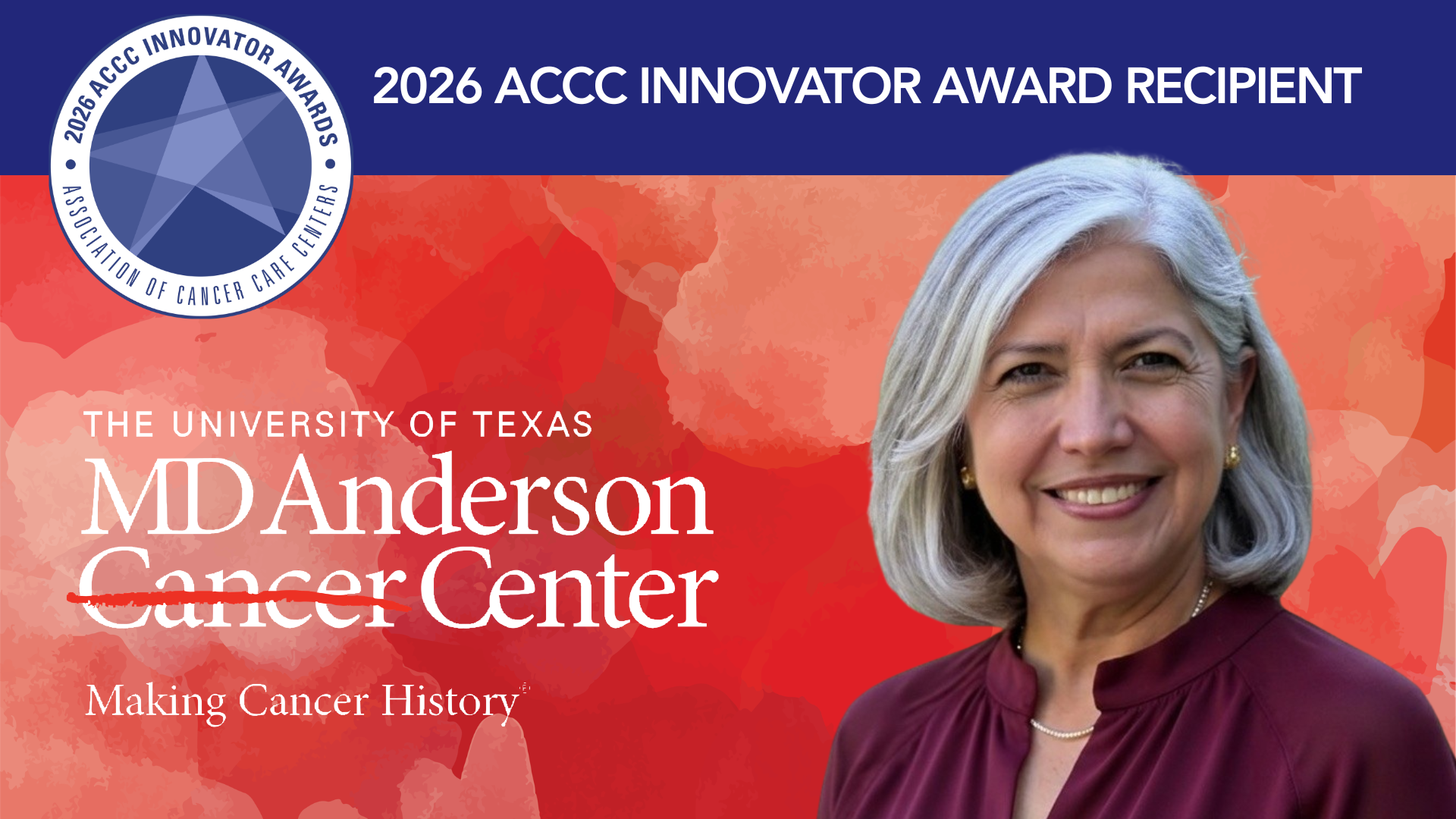
The University of Texas MD Anderson Cancer Center in Houston, Texas, developed a novel Pre-Intake Navigation (PIN) program, which identifies and resolves early financial and insurance barriers, enabling patients to access timely, high-quality cancer care with less anxiety and fewer delays. PIN shifts financial navigation from a late-stage, reactive task to an early, standardized, patient‑centered process embedded in the call center workflow.

ACCCBuzz Blog

An APP-Led Outpatient Bispecific Antibody Clinic

Rachel Radwan

August 4, 2026

Advancing Critical Priorities at the State Level: Louisiana, Iowa, and Washington Awarded for Their Efforts at 2026 ASCO Annual MeetingACCCBuzz Blog

Advancing Critical Priorities at the State Level: Louisiana, Iowa, and Washington Awarded for Their Efforts at 2026 ASCO Annual Meeting

Rachel Radwan

July 29, 2026

Designing a Safe, Fully Outpatient CAR T-Cell Program in the CommunityACCCBuzz Blog

Designing a Safe, Fully Outpatient CAR T-Cell Program in the Community

Rachel Radwan

July 27, 2026

Local Staff, Lasting Impact: A New Model for Rural Cancer PreventionACCCBuzz Blog

Local Staff, Lasting Impact: A New Model for Rural Cancer Prevention

Rachel Radwan

July 16, 2026

A Pharmacist-Led Strategy to Improve Care With Oncolytic Virus TreatmentsACCCBuzz Blog

A Pharmacist-Led Strategy to Improve Care With Oncolytic Virus Treatments

Rachel Radwan

July 14, 2026

Extending Patient-Centered Cancer Care to Transgender and Nonbinary IndividualsACCCBuzz Blog

Extending Patient-Centered Cancer Care to Transgender and Nonbinary Individuals

Gabrielle Stearns

June 30, 2026

An APP-Led Outpatient Bispecific Antibody Clinic

An APP-Led Outpatient Bispecific Antibody Clinic

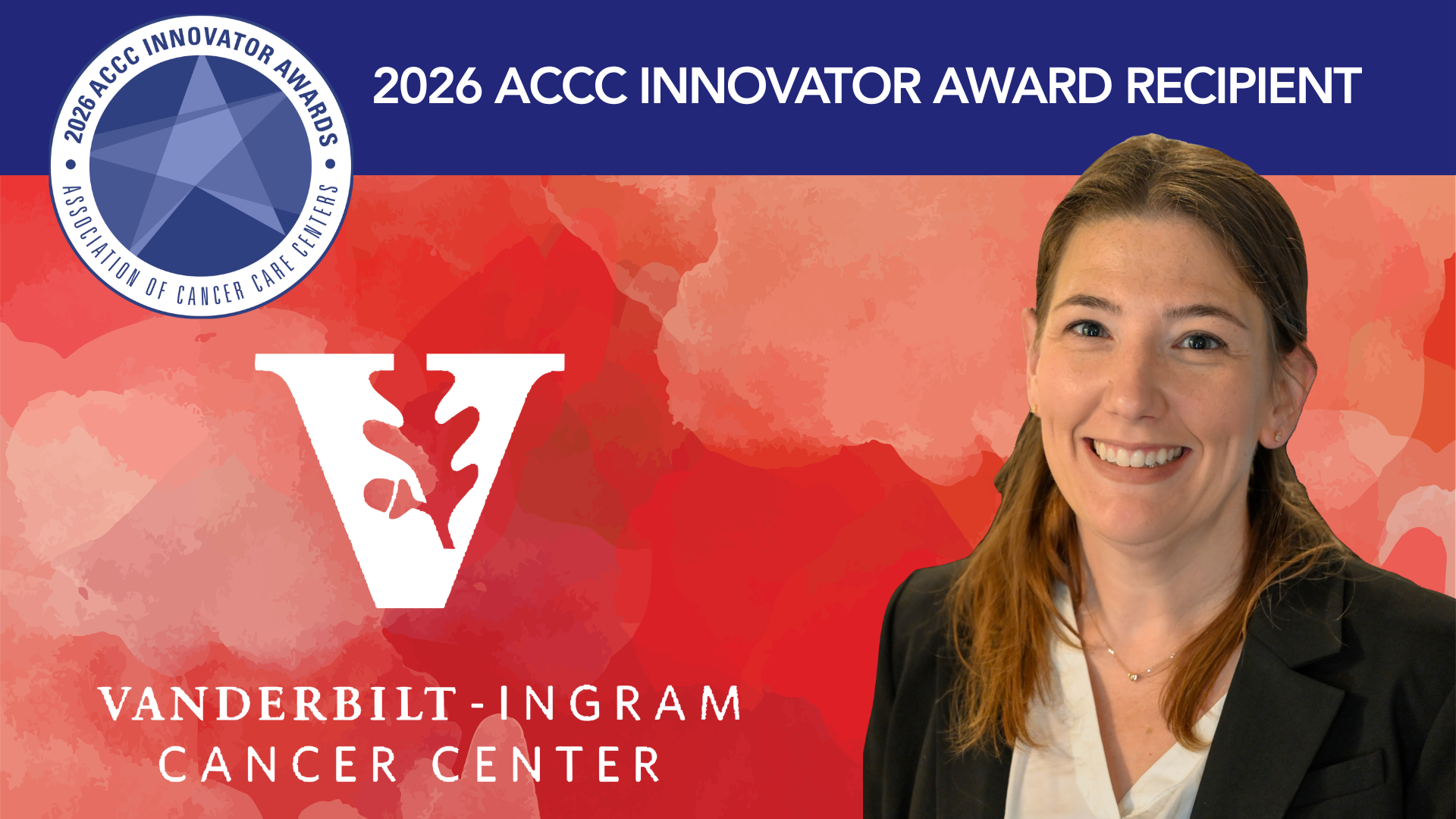
Understanding both the benefits to be had from offering BsAb therapy to its community and the scope of this undertaking, Vanderbilt-Ingram Cancer Center took a novel approach with its APP-led BsAb step-up dosing clinic, which won the program a 2026 ACCC Innovator Award.

Advancing Critical Priorities at the State Level: Louisiana, Iowa, and Washington Awarded for Their Efforts at 2026 ASCO Annual Meeting

Advancing Critical Priorities at the State Level: Louisiana, Iowa, and Washington Awarded for Their Efforts at 2026 ASCO Annual Meeting

At the 2026 ASCO Annual Meeting, the Louisiana Oncology Society received the ASCO Jeffrey C Ward Affiliate Advocacy Award for advancing critical advocacy priorities that have translated into meaningful legislative victories. The Iowa Oncology Society and Washington State Medical Oncology Society were also recognized for their advocacy efforts in 2025 at the meeting, receiving second place awards.

View All ACCCBuzz Blogs

Recently Heard on
CANCER BUZZ Podcast

Closing the Gap in Medical Necessity Review With a Clinical Documentation Integrity Registered Nurse - [Mini Podcast] Ep. 239

Utilizing APPs to Deliver Bispecific Antibodies in the Outpatient Setting - [Mini Podcast] Ep. 238

Between the Orders and the Infusion: The Patient Experience of Bispecific Antibodies - [Podcast] Ep. 237

Centering Compassion in Cancer Care – [Video Podcast] Ep. 64

View All Podcasts

Latest from Oncology Issues

August 2026
August 2026
June 2026
April 2026
February 2026
December 2025
View All Oncology Issues

Join the Conversation

ACCC eXchange Digital Banner
Login