Developing models of care that support older patients with cancer is critical to effectively managing their treatment, improving their outcomes, and promoting their overall quality of care. The second webinar in an online series celebrating American Pharmacists Month, “Older Adults with Cancer: Effective Practices,” examines the role of oncology pharmacists in treating geriatric patients.
The Problem with Polypharmacy
According to a 2010 study from the National Center for Health Statistics, more than one-third of Americans age 60 and older in the U.S. take five or more medications at any given time, a phenomenon known as “polypharmacy.” Another study, a pharmacist-led medication assessment of ambulatory older adults with cancer, found that 43 percent of patients take more than 10 medications,including prescription, non-prescription, and herbal supplements. This presents a number of challenges for members of multidisciplinary teams caring for and prescribing medications for older adults with cancer.
Research demonstrates that some of the multiple medications that geriatric patients take are unnecessary, have no clear indication, or are inappropriate for a given patient’s needs (i.e., the risk posed by the drug is greater than its potential benefit, or the drug can cause significant adverse reactions, drug-drug interactions, or drug-disease interactions). This can escalate risks for older patients, increasing the probability of cognitive impairment, depression, hospitalization, medication non-adherence, and even death.
Ginah Nightingale, PharmD, BCOP, associate professor of Pharmacy Practice at Jefferson College of Pharmacy at Thomas Jefferson University, moderated the webinar on older adults with cancer. Dr. Nightingale provides medication management services, medication adherence counseling, and medication education at the inpatient medical oncology unit at Thomas Jefferson University Hospital and the Ambulatory Senior Adult Oncology Center at Thomas Jefferson University Center.
At Jefferson Cancer Hospital, Dr. Nightingale’s team asks patients to bring into the office all of the prescription and over-the-counter medicines they are currently taking, preferably at their first visit. This is not a novel procedure, notes Dr. Nightingale, but she says it has proven effective: “It is a very eye-opening experience when patients physically bring in their medications, because you’re really able to identify the condition of the bottles and the context in which the patients are following the instructions on the labels of their prescription bottles.”
Dr. Nightingale says her job is to ensure each medication has an appropriate indication. “I call this medication condition matching,” she explains, “because it’s the easiest way to identify if there are any unnecessary medications that the patients are using.”
This medication reconciliation enables Dr. Nightingale to confirm the dose and the duration of prescriptions, detect any potential interactions, and identify whether there are any duplications. “I’m able to make decisions regarding patients’ medications as they relate to their comorbidities, their functional status, and what their prognosis is,” she explains. “Then, I can make final decisions with patients about their prescriptions, taking into account their social and economic factors.”
Dr. Nightingale says there are multiple tools that have proven helpful for detecting and reviewing polypharmacy, including the Beers criteria, the medication appropriateness index, STOPP, and others
Medication Adherence Tools
Dr. Nightingale emphasized to webinar participants that medication non-adherence is a serious issue for older patients with cancer. She suggests that care team members use the Morisky Medication Adherence Scale (MMAS), a practical tool that can help members of the multidisciplinary cancer care team assess medication adherence.
“In the literature, there have been a lot more studies looking specifically at medication adherence when it comes to oral chemotherapy,” says Dr. Nightingale. Although the tool has not yet been validated for oral anticancer drugs, it has been validated for other diseases, and more studies have been looking specifically at medication adherence when it comes to oral chemotherapy. The MMAS asks patients four simple questions:
“Some of the challenges when it comes to medication adherence are figuring out whether patients who adhere to their oral chemotherapy may not be adhering to some of the other medications that they’re taking for their other disease states,” says Dr. Nightingale. “The Morisky Tool is a good starting point to be able to identify any barriers that may be preventing patients from being adherent.”
Other tools for promoting adherence include medication packaging like pill boxes or blister packs, automated pill dispensers, communication messaging platforms, web-based platforms, and apps like MyMedschedule Plus.
Polypharmacy and De-Prescribing
De-prescribing is the systematic process of identifying and discontinuing drugs that pose potential harm that outweighs potential benefits within the context of an individual patient’s care goals, functional status, values, and preferences. Key considerations in de-prescribing include remaining life expectancy, time to receive the full benefit of a given drug, patient goals of care, and the aim of the treatment itself. Effective de-prescribing interventions have demonstrated a positive impact on patient-reported outcomes. One tool recommended by Dr. Nightingale is Deprescribing.org, a Canadian website that provides valuable de-prescribing tools and algorithms.
Dr. Nightingale stresses the importance of documenting medication reviews in individual patient records whenever possible. “That should really be considered a minimum in my opinion,” she says. “I learned in my early research that patients are taking a lot more medications than what is documented in the electronic health record, and omission of that information is pretty significant when it comes to the effectiveness of medications, the risk of drug interactions, and some of the adverse drug reactions that patients may be experiencing.”
The recorded webinar can be viewed upon registering for ACCC’s American Pharmacists Month webinar series. Other recorded webinars include Billing for Chemotherapy Patient Management, Closing the Oncology Research Gap, and Pharmacy Metrics for Off-Label Treatment.
Additional ACCC resources for treating older patients with cancer include:
This webinar series is being offered through the ACCC Oncology Pharmacy Education Network (OPEN), established in 2004 to bring together education, resources, and peer-to-peer networking to help pharmacy professionals navigate the accelerating course of change in oncology—clinically, operationally, fiscally, and programmatically. ACCC thanks Merck & Co. for their financial support of the Oncology Pharmacy Education Network.
Resources
Gu Q, Dillon CF, Burt VL. Prescription drug use continues to increase: U.S. prescription drug data for 2007-2008. NCHS Data Brief. 2010;(42):1-8.
Nightingale G, Hajjar E, Swartz K, Andrel-Sendecki J, Chapman A. Evaluation of a pharmacist-led medication assessment used to identify prevalence of and associations with polypharmacy and potentially inappropriate medication use among ambulatory senior adults with cancer. J Clin Oncol. 2015;33(13):1453-9.
The views and opinions expressed herein are those of the author(s)/faculty member(s) and do not reflect the official policy or position of their employer(s) or the Association of Cancer Care Centers.
September 10, 2026

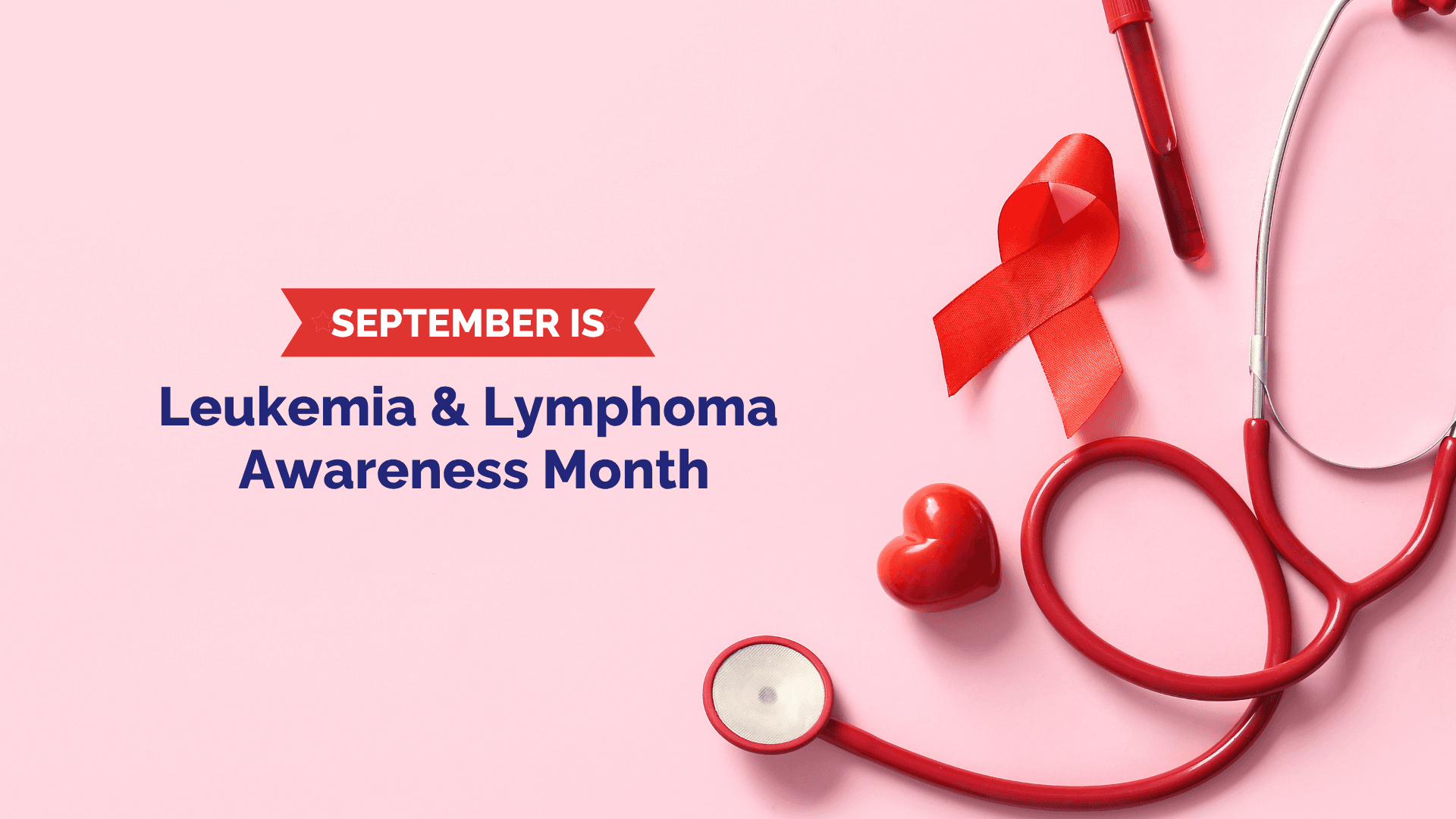
In recognition of Leukemia and Lymphoma Awareness Month, ACCC compiled a group of resources to help care teams navigate two of the most commonly diagnosed adult leukemias: acute myeloid leukemia and chronic lymphocytic leukemia.