ACCC recognizes May as Oncology Nursing Month.
The first time I truly grasped the far-reaching impact a cancer diagnosis can have on a patient, their family, and community, was in middle school. My best friend’s mom was diagnosed with breast cancer. This experience planted the seed of a deep desire to assist individuals and their families during one of the most challenging periods of their lives and it set me on the path to becoming an oncology nurse.
One of the most frequently asked questions posed to oncology nurses is, “How do you do it?” Most people outside oncology assume the field is solely engulfed by tragedy and heartbreak, but it offers incredible, spirit-lifting moments. Helping patients through the hardest time of their lives is one of the highest honors, and it is one we do not take lightly. The rewards of oncology nursing are invaluable—like seeing a patient come back to visit months or years after treatment is completed, finding out that one of your pediatric oncology patients is now a pediatric oncology nurse herself, or learning a patient who did not have the opportunity for fertility preservation now has a miracle baby. Even in the face of loss, guiding families and loved ones through deep grief is a profound privilege.
Nurses, including those in oncology, are lifelong learners. Learning is ongoing because new treatments are always emerging, requiring nurses to stay abreast of new management approaches for both inpatient and outpatient care. Even before treatments receive approval, the entire cancer care team feels the excitement of a breakthrough. I remember working on the pediatric oncology unit when Emily Whitehead became the first pediatric patient to receive CAR T-cell therapy. The hope that someday our patients may have access to this treatment was palpable throughout the unit.

Any person who has gone through cancer treatment can attest that the nurses are the constant— the ones who provide the tips and tricks to minimize side effects, guide patients to resources, help navigate difficult conversations, and become the biggest cheerleaders upon treatment completion. Establishing a trusting relationship with patients and their families, and then guiding them through the entire treatment process into survivorship, is an incredibly meaningful reward.
“I empower them [patients], through education, teaching, guidance, and advocacy, so they can participate in their treatment care decisions. This gives them some measure of control to cope and process through the diagnosis effectively.” — Ruth Sullivan
Compassion fatigue and heavy workloads take a toll on nurses’ emotional well-being and as cancer diagnoses rise with our aging population, the demand for oncology nurses will continue to increase, exacerbating the strain. Many oncology nurses are drawn to the field due to the depth of relationships that are built with patients and families, yet this also carries an emotional burden that can wear down even the most resilient nurses. The increased workload also may subtract from the nurse’s time to build that foundation with the patient, which not only leads to decreased job satisfaction, but can ultimately affect the patient’s experience.
“Empathy is critical to being effective in this role, as each patient is unique with their own personal/psychosocial coping mechanisms they bring to the table.” — Ruth Sullivan
As the cancer treatment landscape continues to evolve, oncology nurses must prioritize ongoing education. With limited time during shifts to review updates, many nurses are then compelled to dedicate time to complete education outside of their normal working hours. This added workload also contributes to job dissatisfaction as it takes away from their much-needed down time, essential for decompressing from the demands of the job.
During the months that followed the onset of the COVID-19 pandemic, nurses faced the challenge of managing patients who had deferred care due to COVID-19 concerns. This was particularly true for oncology nurses who encountered patients diagnosed at later stages of disease, bearing a heavier emotional and physical burden. Additionally, many nurses opted for travel nursing assignments, or left health care altogether due to the trauma sustained during the peak of COVID-19, resulting in hospital-based nurses contending with increased patient volumes. This led to increased levels of burnout.
To combat burnout, nurses need support. The camaraderie among oncology teams is unparalleled. We share a unique bond that helps us cope. Regular debriefs, team outings, and outlets outside work are vital. Nurses—especially in oncology—need to spend time with things they love, finding connections outside of the oncology world as well, whether through faith, hobbies, or connecting with family and friends.
Health care administrations can help by looking at real data and continuing to re-evaluate not only the number of patients assigned to each nurse, but also the physical and mental load of each assignment. Mental health days should be encouraged in addition to ongoing wellness events— even virtual yoga or meditation sessions. If the organization offers employee assistance programs, consider offering increased counseling sessions, particularly on an as needed basis when there may be particularly difficult times for nurses on certain units.
In my experience, recognition from administration and providers does not cost anything or take a significant amount of time but can provide a needed mental boost to the nurse who may have just had a stressful shift. Providers who emphasize the importance of nurses as part of the cancer care team are crucial for ensuring oncology nurses receive the respect they deserve.
Coffee, gifts, or sweet treats also don’t hurt!
As we honor Oncology Nurses Month, take time to celebrate the incredible individuals who choose this challenging yet meaningful career. To my fellow oncology nurses: your dedication, resilience, and compassion are inspiring. Thank you for being the heart of cancer care.

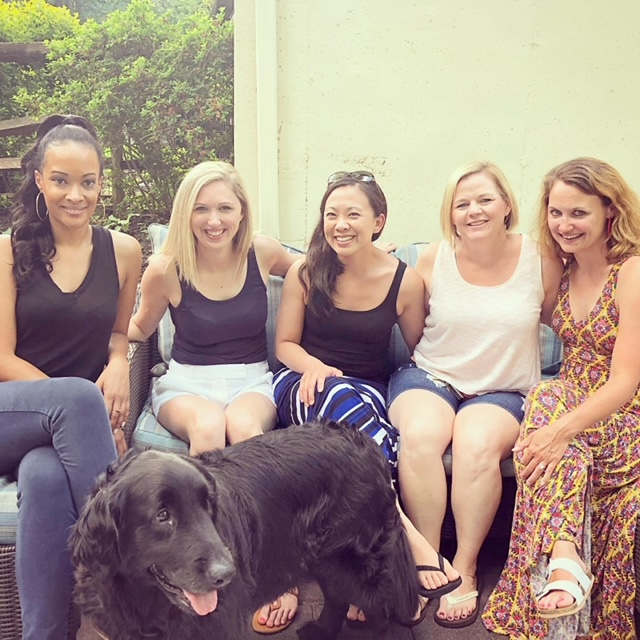
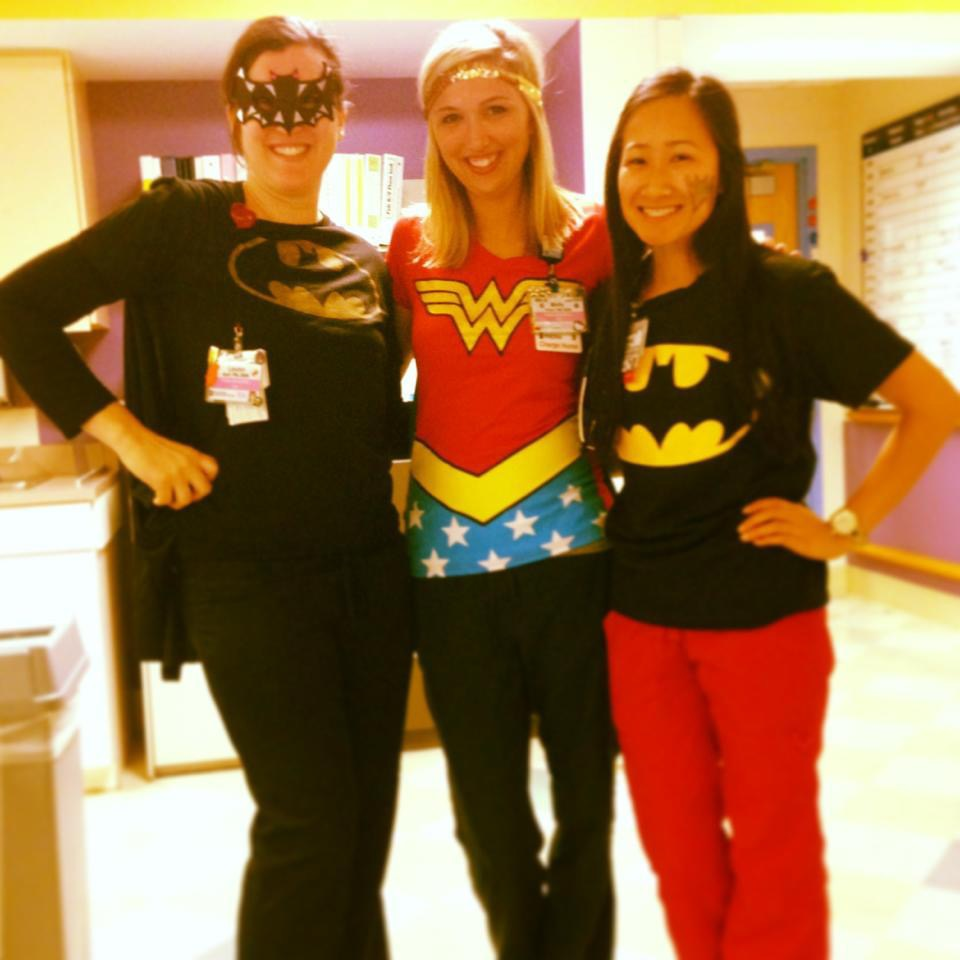
Pediatric Oncology nurses (off shift, years later!): Erica Littlepage, Molly Kisiel, Becca Kuo, Susie Raeder, and Laura McArdle
A special thank you to Ruth Sullivan, RN, BSN, OCN, CBCN, breast nurse navigator at Inova Health Systems in Fairfax, Virginia, for her contributions to this post.
Molly Kisiel, MSN, FNP-BC is director, Clinical Content, Editorial Content and Strategy, Association of Cancer Care Centers, Rockville, Maryland.



An at-home option for cervical cancer screening breaks down barriers to care and offers the same level of precision as screening in the clinic.