In a recent summit addressing the role of advanced practitioners (APs) in eliminating health disparities, participants felt strongly that APs have an important part to play in ensuring patient access to quality cancer care.
Rigorous discussion occurred during the Spring 2021 ACCC-Harborside Virtual Summit to Define the Role of Oncology Advanced Practitioners in Equitable Cancer Care Delivery. The summit addressed three themes over three days: Care Coordination & Communication, Clinical Trials, and Acknowledging & Mitigating Implicit Bias. Overwhelmingly, summit participants felt strongly that advanced practitioners* (APs) have an important part to play in ensuring patient access to quality cancer care (including clinical trials) by addressing implicit bias and leading efforts to reduce disparities in cancer care. (Learn more and read the summit’s call to action steps here.)
Advanced Practitioner Roles in Oncology
In many oncology care settings, APs have roles in leadership, policy and procedure development, and direct patient care.1,2 Additionally, we know that interdisciplinary care models in oncology lead to improvements in the patient care experience regarding safety, affordability, and outcomes.1-3 A natural step in addressing health disparities in cancer care is to enlist all members of the care team, especially those with the comprehensive patient focus of advanced practitioners.
Quality Measurement in Oncology
The shift toward value-based payment occurring with the Medicare Access and CHIP Reauthorization Act of 2015 (MACRA), and the subsequent MACRA Quality Payment Program (QPP) has brought to life a greater focus on quality measurement and reporting in oncology.4 Whether a practice is enrolled in the Center for Medicare and Medicaid Innovation’s Oncology Care Model (OCM) or participates in the Merit-Based Incentive Payment System (MIPS), quality measurement and improvement activities have become prioritized in payment and in defining high-quality cancer care.
From checklists to fishbones to pareto charts, quality improvement principles are widely applied within the healthcare setting to improve care, reduce expenses, and improve the patient experience. In fact, the American Society of Clinical Oncology (ASCO) has a Quality Training Program in which interdisciplinary teams come together to design, implement, and lead successful quality improvement activities within their practices via instruction and leadership from experienced coaches. However, even within this well-documented quality improvement framework, we run the risk of worsening existing disparities. There is a need for culturally competent quality improvement.5
Next Steps
I believe that one of the best opportunities for APs to play a role in reducing disparities in cancer care is via their involvement in quality improvement. As an example, the Michigan Oncology Quality Consortium (MOQC) is a quality collaborative that includes most oncology practices across the state of Michigan. In this setting, we identify oncology-based measures where gaps have been noted, patients believe priority should be given, and there is an opportunity for improving value. Additionally, we seek to prioritize the areas of care that we know are inequitable—one such example is MOQC’s focus on improving hospice enrollment.
We have also recently integrated clinical oncology pharmacists into practices across the state of Michigan to provide a greater focus on medication management and support and to identify high-risk patients in need of additional clinical follow-up. Although these efforts may be time-intensive, quality improvement with engaged team members produces long-term practice change and improvement. We can’t improve what we aren’t measuring, and a culturally competent quality improvement approach should identify disparities in data and use this information to guide and monitor interventions.5
*Advanced practitioners in oncology participating the summit included nurse practitioners, physician assistants, clinical nurse specialists, advanced degree nurses, and pharmacists.
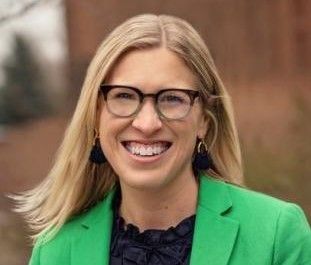
Emily Mackler, PharmD, BCOP, is the Co-Director of the Michigan Oncology Quality Consortium (MOQC) and Adjunct Clinical Associate Professor at the University of Michigan College of Pharmacy. Dr. Mackler is a Board Member at Large of the Hematology/Oncology Pharmacy Association (HOPA). She served on the Planning Committee for the ACCC-Harborside Virtual Summit to Define the Role of Oncology Advanced Practitioners in Equitable Cancer Care Delivery.
References
1. Bruinooge SS, et al. Understanding the role of advanced practice providers in oncology in the United States. J Oncol Pract. 2018;14(9):e518-e532 https://ascopubs.org/doi/full/10.1200/JOP.18.00181.
2. Segal EM, et al. Demonstrating the value of the oncology pharmacist within the healthcare team. Oncol Pharm Pract. 2019;25(8):1945-1967.
3. Oliveira CS, et al. Impact of clinical pharmacy in oncology and hematology centers: A systematic review. J Oncol Pharm Pract. 2021;27(3):679-692.
4. Wen L, et al. Improving quality of care in oncology through healthcare payment reform. Am J Manag Care. 2018;24(3):e93-e98. https://www.ajmc.com/view/improving-quality-of-care-in-oncology-through-healthcare-payment-reform.
5. Green AR, et al. Leveraging quality improvement to achieve equity in healthcare. Jt Comm J Qual Patient Saf. 2010;36(10):435-42.




In recognition of Leukemia and Lymphoma Awareness Month, ACCC compiled a group of resources to help care teams navigate two of the most commonly diagnosed adult leukemias: acute myeloid leukemia and chronic lymphocytic leukemia.