Author(s):
By leveraging machine learning algorithms, natural language processing, and data analytics, AI accelerates the identification of potential drug candidates, optimizes preclinical and clinical testing, and reduces costs.
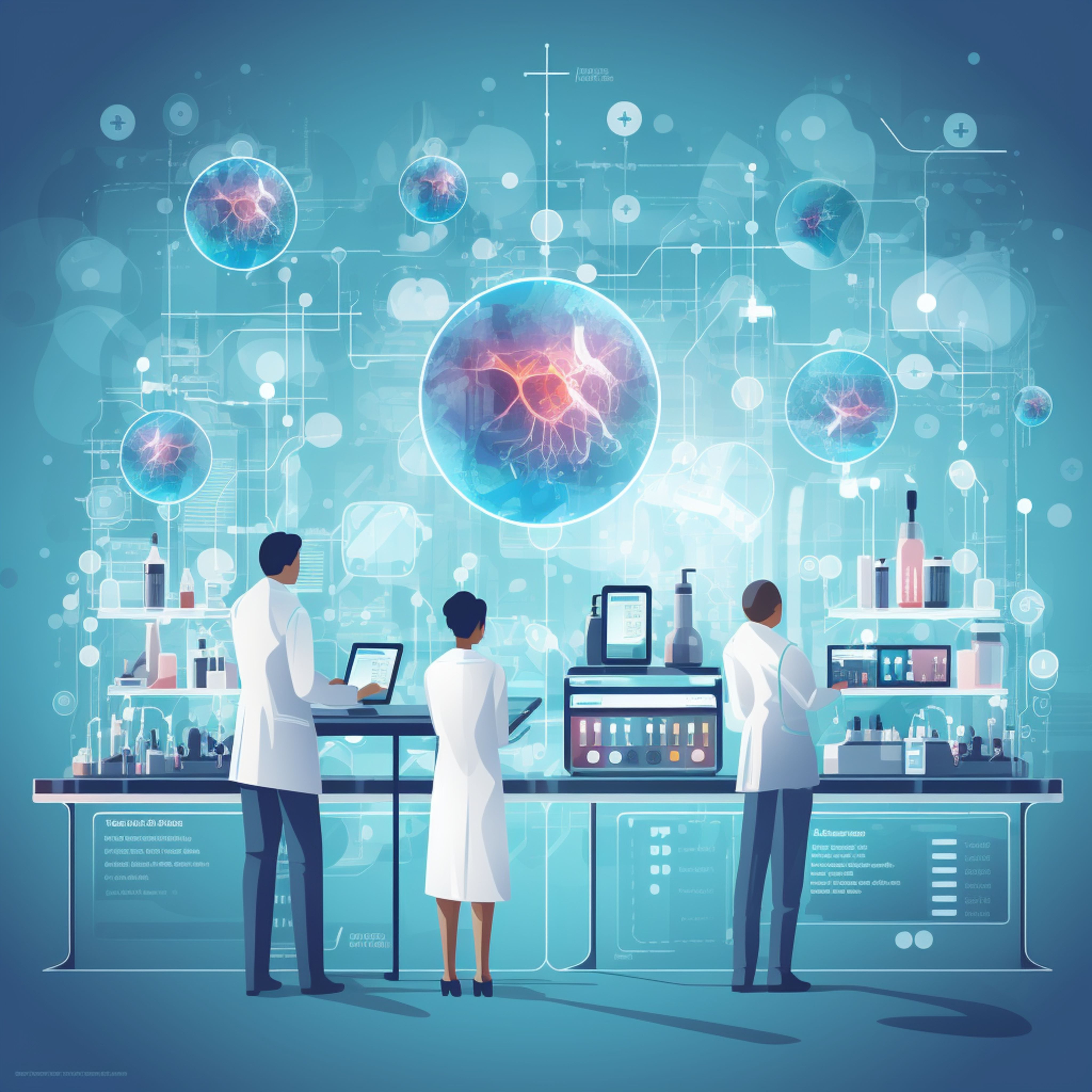
The integration of artificial intelligence (AI) into drug discovery and development endeavors has the potential to revolutionize the anticancer pharmaceutical landscape and unlock unprecedented efficiency, precision, and innovation. By leveraging machine learning algorithms, natural language processing, and data analytics, AI accelerates the identification of potential drug candidates, optimizes preclinical and clinical testing, and reduces costs. A recent study demonstrated that AI-discovered drugs in phase 1 clinical trials have a better success rate compared to traditionally discovered drugs, with estimates ranging from 80% to 90% for AI-developed drugs versus 40% to 65% for drugs discovered via traditional methods. Notably, nearly 30% of all AI uses I for drug discovery and development are focused on anticancer drugs.
In June 2024, The New York Academy of Sciences and Cure partnered to host an expert panel discussion titled The Science and Business of AI-Driven Drug Discovery. Speakers at the event explored ways that AI can expedite target identification, predict compound interactions, and optimize clinical trial design. Through this lens, I will examine the transformative role of AI in drug development, anticipated challenges, and potential future applications of this technology.
Traditional drug discovery is a complex, time-intensive, and costly undertaking. To bring a single drug to market, efforts typically span over a decade and incur an average cost exceeding $2 billion. Each stage—from target identification and validation to preclinical testing and clinical trials—is marked by immense trial-and-error experimentation with huge sunk costs along the way. Attrition rates are very high, with nearly 90% of drug candidates failing due to insufficient efficacy or unforeseen safety concerns.
Despite its immense promise, the adoption of AI in drug development is not without unique challenges. Machine learning models require high-quality, diverse datasets for training and validation, but inconsistent or incomplete data can compromise model accuracy and external validity. The black box nature of many AI algorithms also makes it difficult for scientists to interpret predictions, raising concerns about reliability and accountability for critical decisions. Moreover, regulatory agencies are still adapting to the use of AI for drug development. Establishing guidelines and best practices for AI validation and ethical use of patient data remain ongoing challenges.
As AI technology continues to evolve, its role in drug discovery is expected to expand. Emerging tools such as quantum computing could further enhance AI’s computational capabilities, enabling faster and more precise predictions. Additionally, the incorporation of multi-omics data (eg, genomics, proteomics, and metabolomics) will provide further insight into disease mechanisms, target identification, and drug design. Collaboration between pharmaceutical companies, AI startups, academic institutions, and policymakers will be essential for fostering an ecosystem in which AI-powered drug discovery becomes the standard.
Content from Envisagenics was updated for accuracy in May of 2025.
Nicole A Colwell, MD, is a senior editor/medical writer for the Association of Cancer Care Centers (ACCC).


In recognition of Leukemia and Lymphoma Awareness Month, ACCC compiled a group of resources to help care teams navigate two of the most commonly diagnosed adult leukemias: acute myeloid leukemia and chronic lymphocytic leukemia.