ACCC association of cancer care centers
Join/Renew
Login
Join/Renew
Login
Education & Resources
ACCC eXchange LogInCorporate Member Sponsored ResourcesPresentations & AbstractsPresident's ThemeACCC Connect eLearning LogIn
Publications
Oncology IssuesPatient Assistance & Reimbursement GuideTrending Now in Cancer Care
Events
2026 ACCC Leadership SummitAnnual Meeting & Cancer Center Business SummitCapitol Hill DayNational Oncology ConferenceOncology Reimbursement MeetingsOncology State Society Meetings
Policy & Advocacy
2024 Policy Wrap-Up and ACCC 2025 Policy PrioritiesLetters & StatementsAccess, Payment & Reimbursement ReformWhite Bagging & Brown BaggingAdvocacy ResourcesCancer Moonshot
Membership
Join | RenewWho We AreMembership Types & BenefitsCorporate MembersACCC Member Portal FAQMember Directory
Partners
Oncology State SocietiesPartner OrganizationsCME
News
News ReleasesAdvocacy News ReleasesOncology News
About ACCC
Timeline / 50th Anniversary2025 Impact ReportACCC Innovator AwardsACCC FellowsACCC Senior Staff
Breast CancerMetastatic Breast Cancer
Gastrointestinal CancerBiliary Tract CancerColorectal CancerGastric CancerLiver Cancer
Genitourinary CancerBladder CancerProstate CancerRenal Cell Carcinoma
Gynecologic CancerOvarian Cancer
Head & Neck Cancer
Hematologic MalignanciesAcute Lymphocytic Leukemia (ALL)Acute Myeloid Leukemia (AML)Chronic Lymphocytic Leukemia (CLL)Mantle Cell Lymphoma (MCL)Multiple Myeloma (MM)Myelodysplastic Syndromes (MDS)
Lung CancerNon-Small Cell Lung Cancer (NSCLC)Small Cell Lung Cancer (SCLC)
Sarcoma
Skin CancerMelanomaNon-Melanoma Skin Cancers (NMSC)
Clinical Practice & TreatmentCancer DiagnosticsCare CoordinationEHR Integration for Biomarker TestingQuality Improvement Collaboration: Integration of Precision Medicine in Community OncologyTreatment
Financial NavigationFAN Boot CampFinancial Advocacy Network (FAN) Resource LibraryPatient Assistance & Reimbursement GuidePrior Authorization
Health Equity & Access3, 2, 1, Go! Practical Solutions for Addressing Cancer Care DisparitiesAppalachian Community Cancer AllianceOncology Advanced PractitionersPersonalizing Care for Patients of All BackgroundsSocial Drivers of Health
Patient-Centered CareAddressing Care Disparities for VeteransAdolescent and Young Adult (AYA)Care Action Plans for People with CancerDermatologic ToxicitiesEmpowering CaregiversGeriatric OncologyHealth LiteracyNutritionOncology PharmacyPatient NavigationPsychosocial Care in OncologyShared Decision-MakingSupportive CareSurvivorship Care
Practice Management & OperationsCancer Program FundamentalsLeadership Sustainment and Engagement VideosOncology Practice Transformation and Integration CenterOncology Team Resiliency
ResearchACCC Community Oncology Research Institute (ACORI)
Technology & InnovationTelehealth & Digital Medicine
ACCCBuzz Blog
CANCER BUZZ Podcast
Oncology Issues
Join/Renew
Login
Breast CancerMetastatic Breast Cancer
Gastrointestinal CancerBiliary Tract CancerColorectal CancerGastric CancerLiver Cancer
Genitourinary CancerBladder CancerProstate CancerRenal Cell Carcinoma
Gynecologic CancerOvarian Cancer
Head & Neck Cancer
Hematologic MalignanciesAcute Lymphocytic Leukemia (ALL)Acute Myeloid Leukemia (AML)Chronic Lymphocytic Leukemia (CLL)Mantle Cell Lymphoma (MCL)Multiple Myeloma (MM)Myelodysplastic Syndromes (MDS)
Lung CancerNon-Small Cell Lung Cancer (NSCLC)Small Cell Lung Cancer (SCLC)
Sarcoma
Skin CancerMelanomaNon-Melanoma Skin Cancers (NMSC)
Clinical Practice & TreatmentCancer DiagnosticsCare CoordinationEHR Integration for Biomarker TestingQuality Improvement Collaboration: Integration of Precision Medicine in Community OncologyTreatment
Financial NavigationFAN Boot CampFinancial Advocacy Network (FAN) Resource LibraryPatient Assistance & Reimbursement GuidePrior Authorization
Health Equity & Access3, 2, 1, Go! Practical Solutions for Addressing Cancer Care DisparitiesAppalachian Community Cancer AllianceOncology Advanced PractitionersPersonalizing Care for Patients of All BackgroundsSocial Drivers of Health
Patient-Centered CareAddressing Care Disparities for VeteransAdolescent and Young Adult (AYA)Care Action Plans for People with CancerDermatologic ToxicitiesEmpowering CaregiversGeriatric OncologyHealth LiteracyNutritionOncology PharmacyPatient NavigationPsychosocial Care in OncologyShared Decision-MakingSupportive CareSurvivorship Care
Practice Management & OperationsCancer Program FundamentalsLeadership Sustainment and Engagement VideosOncology Practice Transformation and Integration CenterOncology Team Resiliency
ResearchACCC Community Oncology Research Institute (ACORI)
Technology & InnovationTelehealth & Digital Medicine
ACCCBuzz Blog
CANCER BUZZ Podcast
Oncology Issues
    • Education & Resources
    • Publications
    • Events
    • Policy & Advocacy
    • Membership
    • Partners
    • News
    • About ACCC
ACCC association of cancer care centers
1801 Research Boulevard, Suite 400, Rockville, MD 20850
Tel: 301.984.9496 Fax: 301.770.1949 Email Us
Contact UsVolunteers
Advertise
Career Center
Terms and Conditions
Privacy Policy
ACCC Rebranding
Copyright © 2026 Association of Cancer Care Centers. All Rights Reserved.
Advertisement

Blog

Article

March 23, 2022

Expanding Awareness of Multiple Myeloma

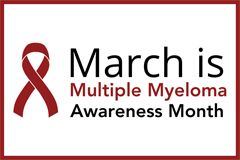
March is Multiple Myeloma Awareness Month. Learn how ACCC is supporting collaboration among healthcare providers with practical, scalable solutions to the real-world challenges of improving quality care delivery for patients with multiple myeloma.
Expanding Awareness of Multiple Myeloma

March is Multiple Myeloma Awareness Month. In the U.S., approximately 138,415 people are living with or in remission from multiple myeloma. In 2022, the American Cancer Society estimates that the U.S. will see about 34,470 new cases of multiple myeloma and 12,640 deaths from the disease.

With a median age at diagnosis of 70, multiple myeloma is largely a disease of older adults and is more common in men than in women.

The past 15 years have brought significant advances in diagnosing and treating this blood cancer, mostly driven by improved understanding of the molecular biology of the disease process. This growing knowledge has made it possible to identify multiple myeloma subtypes, better stratify disease risk, and expand therapeutic approaches, including developing new drugs, combination therapies, and immunotherapies.

But despite this progress, after most patients are diagnosed with multiple myeloma, their treatment continues for the rest of their lives. Therefore, providers must have a full understanding of the impact of multiple myeloma on patients, including an appreciation for the full cost of treatment for this cancer—physically, emotionally, and financially—for both patients and their caregivers.

Full awareness of the implications of multiple myeloma must also include knowledge of existing disparities in both incidence and outcomes. Black Americans are twice as likely to be diagnosed with the disease as White Americans. Black Americans are less likely to receive the latest treatment options, more likely to face treatment delays, and more likely to experience poorer outcomes. The need to reduce disparity gaps and improve access to clinical trials for medically underserved, under-represented patients is a vital aspect of multiple myeloma awareness.

Working Together

During the Cancer Research Institute’s 2021 Virtual Immunotherapy Patient Summit, Hearn Jay Cho, MD, PhD, at the Tisch Cancer Institute at the Icahn School of Medicine at Mount Sinai, discussed the importance of pooling expertise in the battle again multiple myeloma. Dr. Cho described how the effort to bring the right treatment to the right patient at the right time continues to evolve. Today’s researchers are applying their ever-expanding knowledge of cancer biology to deliver treatments tailored to the expression of the disease in each patient. In this dynamic environment, it is often difficult to stay up to date with the latest research. It is essential that comprehensive programs with expertise in treating multiple myeloma collaborate and share knowledge with community providers who only rarely see patients with this cancer.

ACCC supports this collaboration with practical, scalable solutions to the real-world challenges of improving quality care delivery for patients with multiple myeloma. Publications, workshops, webinars, podcasts, and events are some of the resources ACCC provides its membership. Some of these resources are available on demand:


  • Multiple Myeloma Dispensing Models. Read case studies from the University of Illinois Hospital and Health Services System, the Miami Cancer Institute at Baptist Health South Florida, and the John Theurer Cancer Center at Hackensack University Medical Center about effective dispensing models and practices for caring for patients with multiple myeloma. Then view ACCC’s complimentary six-part on-demand webinar series on addressing challenges in multiple myeloma care.
  • Multidisciplinary Multiple Myeloma Care: Models of Quality Improvement. Learn how multidisciplinary teams from three cancer centers assessed barriers and opportunities for improving multiple myeloma care and implementing quality improvement plans.
  • Myeloma Care Strategies & COVID-19. In this videocast, hear three specialists in multiple myeloma share their experiences managing patients with the disease during the COVID-19 pandemic.
  • On April 5, ACCC will host a webinar on Biomarkers in Hematologic Malignancies: A Focus on CLL and Multiple Myeloma with hematologic oncologists Lindsey Roeker, MD, and Urvi Shah, MD, from Memorial Sloan Kettering Cancer Center.
  • Changing Treatment Paradigms for Patients with Multiple Myeloma. This upcoming educational program aims to raise awareness about new treatment options for patients newly diagnosed with multiple myeloma but ineligible for a transplant. Among the areas of focus: multiple myeloma treatment sequencing and treatment timeline considerations.