ACCC association of cancer care centers
Join/Renew
Login
Join/Renew
Login
Education & Resources
ACCC eXchange LogInCorporate Member Sponsored ResourcesPresentations & AbstractsACCC Connect eLearning LogIn
Publications
Oncology IssuesPatient Assistance & Reimbursement GuideTrending Now in Cancer CareBusiness Case Studies for Hiring New Staff
Events
2026 ACCC Leadership SummitAnnual Meeting & Cancer Center Business SummitCapitol Hill DayNational Oncology ConferenceOncology Reimbursement MeetingsOncology State Society Meetings
Policy & Advocacy
2024 Policy Wrap-Up and ACCC 2025 Policy PrioritiesLetters & StatementsAccess, Payment & Reimbursement ReformWhite Bagging & Brown BaggingAdvocacy ResourcesCancer Moonshot
Membership
Join | RenewWho We AreMembership Types & BenefitsCorporate MembersACCC Member Portal FAQMember Directory
Partners
Oncology State SocietiesPartner OrganizationsCME
News
News ReleasesAdvocacy News ReleasesOncology News
About ACCC
Timeline / 50th Anniversary2025 Impact ReportPresident's ThemeACCC Innovator AwardsACCC FellowsBoard of TrusteesACCC Senior Staff
Breast CancerMetastatic Breast Cancer
Gastrointestinal CancerBiliary Tract CancerColorectal CancerGastric CancerLiver Cancer
Genitourinary CancerBladder CancerProstate CancerRenal Cell Carcinoma
Gynecologic CancerOvarian Cancer
Head & Neck Cancer
Hematologic MalignanciesAcute Lymphocytic Leukemia (ALL)Acute Myeloid Leukemia (AML)Chronic Lymphocytic Leukemia (CLL)Mantle Cell Lymphoma (MCL)Multiple Myeloma (MM)Myelodysplastic Syndromes (MDS)
Lung CancerNon-Small Cell Lung Cancer (NSCLC)Small Cell Lung Cancer (SCLC)
Sarcoma
Skin CancerMelanomaNon-Melanoma Skin Cancers (NMSC)
Clinical Practice & TreatmentCancer DiagnosticsCare CoordinationEHR Integration for Biomarker TestingQuality Improvement Collaboration: Integration of Precision Medicine in Community OncologyTreatment
Financial NavigationFAN Boot CampFinancial Advocacy Network (FAN) Resource LibraryPatient Assistance & Reimbursement GuidePrior Authorization
Health Equity & Access3, 2, 1, Go! Practical Solutions for Addressing Cancer Care DisparitiesAppalachian Community Cancer AllianceOncology Advanced PractitionersPersonalizing Care for Patients of All BackgroundsSocial Drivers of Health
Patient-Centered CareAddressing Care Disparities for VeteransAdolescent and Young Adult (AYA)Care Action Plans for People with CancerDermatologic ToxicitiesEmpowering CaregiversGeriatric OncologyHealth LiteracyNutritionOncology PharmacyPatient NavigationPsychosocial Care in OncologyShared Decision-MakingSupportive CareSurvivorship Care
Practice Management & OperationsCancer Program FundamentalsLeadership Sustainment and Engagement VideosOncology Practice Transformation and Integration CenterOncology Team Resiliency
ResearchACCC Community Oncology Research Institute (ACORI)
Technology & InnovationTelehealth & Digital Medicine
ACCCBuzz Blog
CANCER BUZZ Podcast
Oncology Issues
Join/Renew
Login
Breast CancerMetastatic Breast Cancer
Gastrointestinal CancerBiliary Tract CancerColorectal CancerGastric CancerLiver Cancer
Genitourinary CancerBladder CancerProstate CancerRenal Cell Carcinoma
Gynecologic CancerOvarian Cancer
Head & Neck Cancer
Hematologic MalignanciesAcute Lymphocytic Leukemia (ALL)Acute Myeloid Leukemia (AML)Chronic Lymphocytic Leukemia (CLL)Mantle Cell Lymphoma (MCL)Multiple Myeloma (MM)Myelodysplastic Syndromes (MDS)
Lung CancerNon-Small Cell Lung Cancer (NSCLC)Small Cell Lung Cancer (SCLC)
Sarcoma
Skin CancerMelanomaNon-Melanoma Skin Cancers (NMSC)
Clinical Practice & TreatmentCancer DiagnosticsCare CoordinationEHR Integration for Biomarker TestingQuality Improvement Collaboration: Integration of Precision Medicine in Community OncologyTreatment
Financial NavigationFAN Boot CampFinancial Advocacy Network (FAN) Resource LibraryPatient Assistance & Reimbursement GuidePrior Authorization
Health Equity & Access3, 2, 1, Go! Practical Solutions for Addressing Cancer Care DisparitiesAppalachian Community Cancer AllianceOncology Advanced PractitionersPersonalizing Care for Patients of All BackgroundsSocial Drivers of Health
Patient-Centered CareAddressing Care Disparities for VeteransAdolescent and Young Adult (AYA)Care Action Plans for People with CancerDermatologic ToxicitiesEmpowering CaregiversGeriatric OncologyHealth LiteracyNutritionOncology PharmacyPatient NavigationPsychosocial Care in OncologyShared Decision-MakingSupportive CareSurvivorship Care
Practice Management & OperationsCancer Program FundamentalsLeadership Sustainment and Engagement VideosOncology Practice Transformation and Integration CenterOncology Team Resiliency
ResearchACCC Community Oncology Research Institute (ACORI)
Technology & InnovationTelehealth & Digital Medicine
ACCCBuzz Blog
CANCER BUZZ Podcast
Oncology Issues
    • Education & Resources
    • Publications
    • Events
    • Policy & Advocacy
    • Membership
    • Partners
    • News
    • About ACCC
ACCC association of cancer care centers
1801 Research Boulevard, Suite 400, Rockville, MD 20850
Tel: 301.984.9496 Email Us
Contact UsVolunteers
Advertise
Career Center
Terms and Conditions
Privacy Policy
ACCC Rebranding
Copyright © 2026 Association of Cancer Care Centers. All Rights Reserved.
HomeACCCBuzz Blog

Community Outreach to Address Disparities in Cancer Care

January 14, 2021

Learn how the PECaD program at Siteman Cancer Center is decreasing disparities in care by monitoring data, engaging the community, supporting research, and ensuring diverse representation in research.
Community Outreach to Address Disparities in Cancer Care

In 2003, Siteman Cancer Center established its first community advisory board, making its effort to educate and engage with its community a top priority. When the National Cancer Institute (NCI) included community engagement metrics as a requirement for designation as a comprehensive cancer center (CCC), Siteman was prepared. Today, Siteman is the only NCI-designated CCC in Missouri, and it has created a robust community outreach program to address local disparities in care.

Siteman Cancer Center serves an 82-county wide area that spans southern Missouri and southern Illinois. Its patient population is diverse, and it provides care in both urban and rural settings. Siteman’s patients experience multiple barriers to care, including lack of transportation, high mortality rates among Black women with breast cancer, and a lack of educational resources on the importance of regular cancer screening. To decrease these barriers, Siteman implemented a robust community outreach and engagement program it called the Program for the Elimination of Cancer Disparities (PECaD).

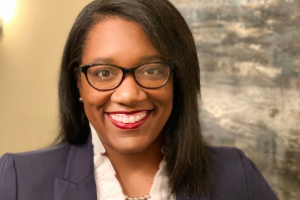
Bettina Drake, PhD, MPH, is the associate director for community outreach and engagement at Siteman Cancer Center and a professor of surgery for the Division of Public Health Sciences at Washington University School of Medicine. “Our mortality rates among African American women with breast cancer are significantly high in this region,” says Dr. Drake. To lower those rates and the rates of all cancers, PECaD is working on four fronts to decrease disparities in cancer care: 1) monitoring data, 2) engaging the community, 3) supporting research, and 4) ensuring diverse representation in research.

Monitoring Data

Siteman Cancer Center collects and uses data to identify the burdens and needs of its community, allowing it to better target its education and clinical service initiatives. PECaD team members work closely with Siteman’s tumor registry to collect data on its patients and their cancer diagnoses. PECaD also pulls data from its service areas to better understand cancer risk, incidence, and mortality within each county Siteman serves. These data are ultimately used to identify PECaD’s areas of focus. For example, research has indicated that the top four cancers treated at Siteman are breast, prostate, lung, and colon, so much of PECaD's community outreach efforts focus on the prevention, screening, and care of those cancers.

Engaging the Community

To strengthen its relationships with its community, Siteman reaches out through town halls, community events, and a mobile mammography van. In the wake of COVID-19, the PECaD team now conducts its regular town halls virtually. During these meetings, a panel of stakeholders addresses community needs and answers questions from community members.

“Our panels are made up of clinicians, survivors, community groups, advocacy groups, churches, and more,” explains Dr. Drake. Currently, PECaD’s two leading community efforts are to decrease breast cancer disparities among Black women and decrease colorectal cancer incidence by improving prevention and screening education for its rural population. PECaD has a mammography van that travels around the community to increase screening rates.

“Our mortality rates among African American women with breast cancer are significantly high,” says Dr. Drake. “One of the things that we have found to be successful is working with our breast cancer community partnerships, clinicians, and the Siteman mammography van to target specific areas where African American women are diagnosed with late-stage disease.” Through this effort, Dr. Drake’s team has reduced by 40 percent the number of Black women diagnosed at Siteman with late-stage breast cancer. To support women already diagnosed, the team supports patients throughout their treatment to ensure women complete their therapies.

Dr. Drake says that some of Siteman Cancer Center’s patient population lives within a colorectal cancer hot spot, which stretches along the Mississippi River. “We are working with other hospitals in those areas to understand what barriers exist to screening at both the system level and individual level,” says Dr. Drake. “The next step will be to identify collaborative strategies to try to target barriers in those areas. That’s another significant disparity we see, which is mostly rural-based.”

Supporting Research

Once the PECaD program identifies a need within the community (e.g., mammography services), Siteman addresses that need with education and community outreach. But the program’s work doesn’t stop there. Dr. Drake and her team also influence Siteman Cancer Center’s clinical research.

Using data tracking, the PECaD team works with the cancer center’s cancer registry to identify the specific burdens its community faces that may be ripe for research opportunities. “We do that to make sure that the research conducted in the cancer center meets the needs of our catchment area,” says Dr. Drake. “We make sure that our researchers and our clinicians know what specific needs exist within our community, so they can tailor their research to meet those needs.”

Once PECaD identifies a specific patient need in the community that remains unaddressed, it connects with Siteman’s cancer researchers. “We help our investigators think through ways to alleviate those identified barriers and the importance of that,” says Dr. Drake. After identifying the lack of transportation options to travel to appointments as a barrier to patient participation in clinical trials, Siteman Cancer Center began working with another healthcare organization to provide free transportation to all patients who are participating in clinical trials.

Ensuring Diverse Representation in Research

PECaD team members regularly educate its clinical research coordinators and faculty about the importance of diversity in cancer research and the specific barriers to trial participation experienced by their patient population. “We monitor the diversity of our clinical trials,” says Dr. Drake. "As necessary, we work individually with principal investigators and their clinical research coordinators to help them troubleshoot issues that need to be addressed in order to not only increase a trial’s minority representation, but also its representation of our rural population.”

Dr. Drake and her team make sure to connect with patients early in their cancer journey. They introduce themselves to patients, share high-level information about clinical trial participation, and explain to patients the importance of cancer research. This approach gives patients time to digest the vast amount of information that accompanies a cancer diagnosis, the ability to talk with their oncologist more about the clinical trial offered to them, and the opportunity to speak in more detail to the PECaD team at a following appointment or over the phone.

“Sometimes participants might need additional information to understand the bits and pieces of a clinical trial, so they can feel more comfortable,” says Dr. Drake. “Other times, you may have to approach a participant multiple times. Often the first encounter is during a visit when the patient is understanding with their doctor the severity of their cancer or their treatment plan. In these instances, it may be best to provide information to look over and then reapproach at their next appointment.”

Dr. Drake adds that there are multiple aspects to promoting diversity in clinical trial participation. “Diverse participation in research is a byproduct of increased education, transparency, trust-building, and equitable access,” she says. “We must focus on those things to ensure our patients have the knowledge and trust to make an informed decision that they are comfortable with to participate or not in research.”

Dr. Drake says that everything PECaD does is a team effort. Addressing multiple obstacles to patient care and working to diversify Siteman Cancer Center’s research and clinical trial participants are no easy tasks. “We would like to continue to deepen the reach of all of the things we are currently doing in each of PECaD’s four areas of focus,” says Dr. Drake. “We are trying to think about how we communicate the basic science aspects of cancer to our community, while at the same time talking about the community’s needs to our basic science researchers. That can seem far removed from population-based work, but it still has an impact downstream.”

To learn more about the community outreach and engagement efforts of Sitemen Cancer Center’s PECaD Program visit its website.

Related Content

Developing Clinical Insight, Professional Competencies, and Strategic Awareness: NCCN 2026 Annual ConferenceACCCBuzz Blog

Developing Clinical Insight, Professional Competencies, and Strategic Awareness: NCCN 2026 Annual Conference

Rachel Radwan; Gabrielle Stearns

April 8, 2026

Representing Veterans in Clinical Trials Through Public-Private Partnerships: A Q&A With NAVREFACCCBuzz Blog

Representing Veterans in Clinical Trials Through Public-Private Partnerships: A Q&A With NAVREF

Gabrielle Stearns

March 26, 2026

Confronting a Lethal Cancer: Duke Launches Multidisciplinary Pancreatic Cancer Center for Earlier Detection and Better OutcomesACCCBuzz Blog

Confronting a Lethal Cancer: Duke Launches Multidisciplinary Pancreatic Cancer Center for Earlier Detection and Better Outcomes

Rachel Radwan

March 25, 2026

From Hospital to Home: A Solution for Proactive Symptom Monitoring and Precise Care ACCCBuzz Blog

From Hospital to Home: A Solution for Proactive Symptom Monitoring and Precise Care

Rachel Radwan

March 23, 2026

A Candid Conversation About the Power of Early Palliative CareACCCBuzz Blog

A Candid Conversation About the Power of Early Palliative Care

Monique J. Marino

March 19, 2026

Rare but Real: Lessons From Providers Treating BPDCN and MCLACCCBuzz Blog

Rare but Real: Lessons From Providers Treating BPDCN and MCL

Rachel Radwan

February 27, 2026

Highlights From Volume 41, Number 1 Oncology IssuesACCCBuzz Blog

Highlights From Volume 41, Number 1 Oncology Issues

Gabrielle Stearns

February 18, 2026

Implementing a Structured, Scalable Geriatric Oncology ProgramOncology Issue

Implementing a Structured, Scalable Geriatric Oncology Program

Ramy Sedhom, MD; Julianna Ani, MPH

February 16, 2026

Upcoming Events

ACCC Leadership Summit
Oncology

ACCC Leadership Summit

In Person Meeting & NetworkingApril 16, 2026 at 8:00 AM EDT
Express Interest Now!
ACCC Oncology Reimbursement Meeting | Charleston
Oncology

ACCC Oncology Reimbursement Meeting | Charleston

In Person Meeting & NetworkingMay 6, 2026 at 8:00 AM EDT560 King Street, Charleston, SC, USAHyatt Place + Hyatt House Charleston - Historic District, Charleston
Register Now!
ACCC Oncology Reimbursement Meeting | St. Louis
Oncology

ACCC Oncology Reimbursement Meeting | St. Louis

In Person Meeting & NetworkingMay 13, 2026 at 8:00 AM CDT1335 South Lindbergh Boulevard, St. Louis, MO, USAHilton St. Louis Frontenac, St. Louis
Register Now!
ACCC 43rd National Oncology Conference
Oncology

ACCC 43rd National Oncology Conference

In Person Conference & ConventionOctober 21, 2026 at 8:00 AM MDT450 Summer St, Boston, MA 02210Omni Boston Hotel at the Seaport, Boston
Register Now!
TOPS 2026 Annual Conference
Oncology

TOPS 2026 Annual Conference

In Person Conference & ConventionApril 11, 2026 at 7:00 AM CDT201 8th Avenue South, Nashville, TN 37203, USAJW Marriott Nashville, Nashville
Register Now!
MSCO 2026 Spring Conference
Oncology

MSCO 2026 Spring Conference

In Person Conference & ConventionApril 15, 2026 at 5:00 PM CDTPark Pl Blvd, St. Louis Park, MN, USADoubleTree by Hilton Hotel Minneapolis - Park Place, St. Louis Park
Register Now!
KaSCO 2026 Spring Dinner Symposium
Oncology

KaSCO 2026 Spring Dinner Symposium

In Person Conference & ConventionApril 15, 2026 at 6:00 PM CDT101 W 22nd St, Kansas City, MO, USALidia's Kansas City, Kansas City
Register Now!
WVOS 2026 Spring Conference
Oncology

WVOS 2026 Spring Conference

In Person Conference & ConventionApril 16, 2026 at 8:00 AM EDT200 Lee Street East, Charleston, WV, USACharleston Marriott Town Center, Charleston
Register Now!
DOS 2026 Spring Conference
Oncology

DOS 2026 Spring Conference

In Person Conference & ConventionApril 16, 2026 at 5:30 PM CDT215 Broadway North, Fargo, ND 58102, USAJasper Hotel, Fargo
Register Now!
KYSCO 2026 Immunotherapy Meeting
Oncology

KYSCO 2026 Immunotherapy Meeting

In Person Conference & ConventionApril 18, 2026 at 7:30 AM EDT4174 Rowan, Lexington, KY, USAOrigin Lexington, a Wyndham Hotel, Lexington
Register Now!
NMSCO 2026 Spring Meeting
Oncology

NMSCO 2026 Spring Meeting

In Person Conference & ConventionApril 18, 2026 at 7:30 AM MDT3347 Cerrillos Road, Santa Fe, NM, USACourtyard by Marriott Santa Fe, Santa Fe
Register Now!
Advertisement
Advertisement

Trending Now on
ACCCBuzz Blog

Developing Clinical Insight, Professional Competencies, and Strategic Awareness: NCCN 2026 Annual Conference

Developing Clinical Insight, Professional Competencies, and Strategic Awareness: NCCN 2026 Annual Conference

On day 1 of the NCCN 2026 Annual Conference, attendees heard from experts on the unique issues young adults with cancer face during and post-treatment, advances in treating gastrointestinal cancers, evolving therapies in skin cancers, and novel approaches to treating blood cancers.

Representing Veterans in Clinical Trials Through Public-Private Partnerships: A Q&A With NAVREF

Representing Veterans in Clinical Trials Through Public-Private Partnerships: A Q&A With NAVREF

ACCCBuzz interviewed leadership from the National Association of Veterans’ Research and Education Foundations to better understand the current clinical and operational barriers Veterans face in accessing clinical trials and the progress being made to address them.

Confronting a Lethal Cancer: Duke Launches Multidisciplinary Pancreatic Cancer Center for Earlier Detection and Better Outcomes

Confronting a Lethal Cancer: Duke Launches Multidisciplinary Pancreatic Cancer Center for Earlier Detection and Better Outcomes

In an effort to improve outcomes and deliver the highest quality of care to patients with pancreatic cancer, Duke Cancer Institute launched a multidisciplinary Pancreatic Cancer Center that prioritizes thorough surveillance of high-risk patients, stays at the forefront of clinical trials, and considers the role of comorbidities.

From Hospital to Home: A Solution for Proactive Symptom Monitoring and Precise Care

From Hospital to Home: A Solution for Proactive Symptom Monitoring and Precise Care

Electronic patient-reported outcomes (ePROs) can address limited visibility into patients' health and well-being between visits. Yet, many solutions remain generic in their workflows and mainly help capture adverse events, without helping care teams proactively manage or prevent them from worsening. Cureety offers a new kind of ePRO solution, specialized in oncology and designed to make care better quality, more efficient, and more proactive for all patients.

View All ACCCBuzz Blogs

Recently Heard on
CANCER BUZZ Podcast

Transforming Palliative Care in Oncology – [Video Podcast] Ep. 227

Streamlining Access to TIL Cell Therapy for Melanoma

Policy in Practice: Change Hits the Clinic – [Podcast] Ep. 225

Addressing Psychosocial Distress With Psychedelic-Inspired Therapies – [Podcast] Ep. 224

View All Podcasts

Latest from Oncology Issues

April 2026
April 2026
February 2026
December 2025
October 2025
August 2025
View All Oncology Issues

Join the Conversation

ACCC eXchange Digital Banner
Login