ACCC association of cancer care centers
Join/Renew
Login
Join/Renew
Login
Education & Resources
ACCC eXchange LogInCorporate Member Sponsored ResourcesPresentations & AbstractsPresident's ThemeACCC Connect eLearning LogIn
Publications
Oncology IssuesPatient Assistance & Reimbursement GuideTrending Now in Cancer Care
Events
2026 ACCC Leadership SummitAnnual Meeting & Cancer Center Business SummitCapitol Hill DayNational Oncology ConferenceOncology Reimbursement MeetingsOncology State Society Meetings
Policy & Advocacy
2024 Policy Wrap-Up and ACCC 2025 Policy PrioritiesLetters & StatementsAccess, Payment & Reimbursement ReformWhite Bagging & Brown BaggingAdvocacy ResourcesCancer Moonshot
Membership
Join | RenewWho We AreMembership Types & BenefitsCorporate MembersACCC Member Portal FAQMember Directory
Partners
Oncology State SocietiesPartner OrganizationsCME
News
News ReleasesAdvocacy News ReleasesOncology News
About ACCC
Timeline / 50th Anniversary2025 Impact ReportACCC Innovator AwardsACCC FellowsACCC Senior Staff
Breast CancerMetastatic Breast Cancer
Gastrointestinal CancerBiliary Tract CancerColorectal CancerGastric CancerLiver Cancer
Genitourinary CancerBladder CancerProstate CancerRenal Cell Carcinoma
Gynecologic CancerOvarian Cancer
Head & Neck Cancer
Hematologic MalignanciesAcute Lymphocytic Leukemia (ALL)Acute Myeloid Leukemia (AML)Chronic Lymphocytic Leukemia (CLL)Mantle Cell Lymphoma (MCL)Multiple Myeloma (MM)Myelodysplastic Syndromes (MDS)
Lung CancerNon-Small Cell Lung Cancer (NSCLC)Small Cell Lung Cancer (SCLC)
Sarcoma
Skin CancerMelanomaNon-Melanoma Skin Cancers (NMSC)
Clinical Practice & TreatmentCancer DiagnosticsCare CoordinationEHR Integration for Biomarker TestingQuality Improvement Collaboration: Integration of Precision Medicine in Community OncologyTreatment
Financial NavigationFAN Boot CampFinancial Advocacy Network (FAN) Resource LibraryPatient Assistance & Reimbursement GuidePrior Authorization
Health Equity & Access3, 2, 1, Go! Practical Solutions for Addressing Cancer Care DisparitiesAppalachian Community Cancer AllianceOncology Advanced PractitionersPersonalizing Care for Patients of All BackgroundsSocial Drivers of Health
Patient-Centered CareAddressing Care Disparities for VeteransAdolescent and Young Adult (AYA)Care Action Plans for People with CancerDermatologic ToxicitiesEmpowering CaregiversGeriatric OncologyHealth LiteracyNutritionOncology PharmacyPatient NavigationPsychosocial Care in OncologyShared Decision-MakingSupportive CareSurvivorship Care
Practice Management & OperationsCancer Program FundamentalsLeadership Sustainment and Engagement VideosOncology Practice Transformation and Integration CenterOncology Team Resiliency
ResearchACCC Community Oncology Research Institute (ACORI)
Technology & InnovationTelehealth & Digital Medicine
ACCCBuzz Blog
CANCER BUZZ Podcast
Oncology Issues
Join/Renew
Login
Breast CancerMetastatic Breast Cancer
Gastrointestinal CancerBiliary Tract CancerColorectal CancerGastric CancerLiver Cancer
Genitourinary CancerBladder CancerProstate CancerRenal Cell Carcinoma
Gynecologic CancerOvarian Cancer
Head & Neck Cancer
Hematologic MalignanciesAcute Lymphocytic Leukemia (ALL)Acute Myeloid Leukemia (AML)Chronic Lymphocytic Leukemia (CLL)Mantle Cell Lymphoma (MCL)Multiple Myeloma (MM)Myelodysplastic Syndromes (MDS)
Lung CancerNon-Small Cell Lung Cancer (NSCLC)Small Cell Lung Cancer (SCLC)
Sarcoma
Skin CancerMelanomaNon-Melanoma Skin Cancers (NMSC)
Clinical Practice & TreatmentCancer DiagnosticsCare CoordinationEHR Integration for Biomarker TestingQuality Improvement Collaboration: Integration of Precision Medicine in Community OncologyTreatment
Financial NavigationFAN Boot CampFinancial Advocacy Network (FAN) Resource LibraryPatient Assistance & Reimbursement GuidePrior Authorization
Health Equity & Access3, 2, 1, Go! Practical Solutions for Addressing Cancer Care DisparitiesAppalachian Community Cancer AllianceOncology Advanced PractitionersPersonalizing Care for Patients of All BackgroundsSocial Drivers of Health
Patient-Centered CareAddressing Care Disparities for VeteransAdolescent and Young Adult (AYA)Care Action Plans for People with CancerDermatologic ToxicitiesEmpowering CaregiversGeriatric OncologyHealth LiteracyNutritionOncology PharmacyPatient NavigationPsychosocial Care in OncologyShared Decision-MakingSupportive CareSurvivorship Care
Practice Management & OperationsCancer Program FundamentalsLeadership Sustainment and Engagement VideosOncology Practice Transformation and Integration CenterOncology Team Resiliency
ResearchACCC Community Oncology Research Institute (ACORI)
Technology & InnovationTelehealth & Digital Medicine
ACCCBuzz Blog
CANCER BUZZ Podcast
Oncology Issues
    • Education & Resources
    • Publications
    • Events
    • Policy & Advocacy
    • Membership
    • Partners
    • News
    • About ACCC
ACCC association of cancer care centers
1801 Research Boulevard, Suite 400, Rockville, MD 20850
Tel: 301.984.9496 Fax: 301.770.1949 Email Us
Contact UsVolunteers
Advertise
Career Center
Terms and Conditions
Privacy Policy
ACCC Rebranding
Copyright © 2026 Association of Cancer Care Centers. All Rights Reserved.
Advertisement

Blog

Article

January 25, 2024

Cervical Health Awareness Month: Highlighting American Indian + Alaska Natives

In recognition of January as Cervical Health Awareness Month, ACCCBuzz highlights cervical cancer among the American Indian and Alaska Native population.
Cervical Health Awareness Month: Highlighting American Indian + Alaska Natives

Treaties and promises have come to characterize the relationship between American Indian and Alaska Native tribes (AI/AN), and the United States government. One of those promises: the provision of healthcare in perpetuity as compensation for ownership of their land.

The federal responsibility for American Indian healthcare was codified in the Snyder Act of 1921and the Indian Health Care Improvement Act of 1976. Both provide legislative authority to the Indian Health Service (IHS)—a federal agency within the Department of Health and Human Services responsible for providing health services to AI/ANs. However, major barriers continue to affect the level of equitable care AI/ANs can access.

Although the agency’s vision is centered around developing “healthy communities and quality health care systems through strong partnerships and culturally responsive practices,” it does not provide specialty care. Before Tuba City Regional Health Care Corporation in Tuba City, Arizona, opened its doors in 2019, there was no cancer clinic on any AI/AN reservation in the US. Consequently, any member of the 574 federally recognized AI/ANs tribes in the US would have to travel hundreds of miles to receive specialty care, including anti-cancer treatment. This care gap is one of the reasons why AI/ANs women are over 1.5 times more likely to develop cervical cancer when compared with White women. It is also why recognizing January as Cervical Health Awareness Month remains important.

Eliminating Inequities

In the past, cervical cancer was a common cause of cancer-related death for women in the US. However, the rise of prevention and screening programs in the country reduced the death rate by more than 50% since the mid-1970s. But a look at the global picture tells a different story.

According to the World Health Organization (WHO), cervical cancer is still the 4th most common form of cancer among women worldwide. The disease is commonly diagnosed in women between the ages of 35 and 44, with the average age being 50. In 2018, 300,000 women lost their lives to cervical cancer and nearly 90% of those deaths happened in countries with a lower gross domestic product. Similar socioeconomic disparities exist in the US as AI/AN women are 4 times more likely to die from cervical cancer than White women.

Time is the most valuable currency in cancer care, and the cervical cancer mortality rate among AI/AN women reflect this. AI/AN populations are often diagnosed with cancer at later stages of the disease, resulting in the lowest survival rate for almost all cancer types of any population in the US. Screening is particularly important in cervical cancer care as it has a 91% survival rate if diagnosed at an early stage. In fact, the WHO wagers that screening 70% of women by age 35, and again at 45, is one part of a three-pronged approach to eliminate the disease within the next century. This goal is supported by findings from the American Cancer Society which revealed that cervical cancer rarely occurs in women who have been regularly screened before turning 65 years of age. Increasing the screenings rate of the AI/AN population begins by improving their access to care.

Improving Access to Care

The human papillomavirus (HPV) vaccine was developed in 2006. Since then, rates of cervical cancer incidence have dropped significantly among vaccinated women. One study conducted from 2006 to 2017, revealed a 90% reduction in cervical cancer incidence in vaccinated women compared to unvaccinated women. AI/AN women have the highest rates of HPV-related cancer, which indicates they are vaccinated at a lower rate.

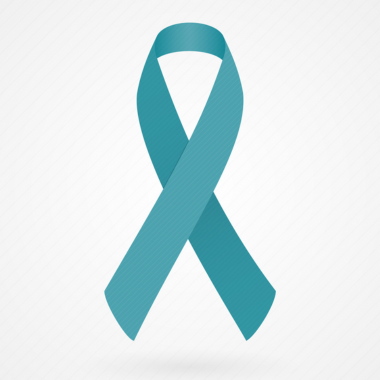
The evidence is compelling: improving access to screening and vaccination services would significantly improve the cervical health of AI/ANs women. Understanding this, the American Indian Cancer Foundation annually hosts #TurquoiseThursday—a national digital cervical cancer awareness campaign characterized by wearing turquoise clothing and jewelry. This year, it fell on January 18, but the mission to improve the cervical health of AI/AN women should be a lasting endeavor, built on a new and better promise to intentionally deconstruct barriers to care through partnerships rooted in trust.