ACCC association of cancer care centers
Join/Renew
Login
Join/Renew
Login
Education & Resources
ACCC eXchange LogInCorporate Member Sponsored ResourcesPresentations & AbstractsACCC Connect eLearning LogIn
Publications
Oncology IssuesPatient Assistance & Reimbursement GuideTrending Now in Cancer CareBusiness Case Studies for Hiring New Staff
Events
2026 ACCC Leadership SummitAnnual Meeting & Cancer Center Business SummitCapitol Hill DayNational Oncology ConferenceOncology Reimbursement MeetingsOncology State Society Meetings
Policy & Advocacy
2024 Policy Wrap-Up and ACCC 2025 Policy PrioritiesLetters & StatementsAccess, Payment & Reimbursement ReformWhite Bagging & Brown BaggingAdvocacy ResourcesCancer Moonshot
Membership
Join | RenewWho We AreMembership Types & BenefitsCorporate MembersACCC Member Portal FAQMember Directory
Partners
Oncology State SocietiesPartner OrganizationsCME
News
News ReleasesAdvocacy News ReleasesOncology News
About ACCC
Timeline / 50th Anniversary2025 Impact ReportPresident's ThemeACCC Innovator AwardsACCC FellowsBoard of TrusteesACCC Senior Staff
Breast CancerMetastatic Breast Cancer
Gastrointestinal CancerBiliary Tract CancerColorectal CancerGastric CancerLiver Cancer
Genitourinary CancerBladder CancerProstate CancerRenal Cell Carcinoma
Gynecologic CancerOvarian Cancer
Head & Neck Cancer
Hematologic MalignanciesAcute Lymphocytic Leukemia (ALL)Acute Myeloid Leukemia (AML)Chronic Lymphocytic Leukemia (CLL)Mantle Cell Lymphoma (MCL)Multiple Myeloma (MM)Myelodysplastic Syndromes (MDS)
Lung CancerNon-Small Cell Lung Cancer (NSCLC)Small Cell Lung Cancer (SCLC)
Sarcoma
Skin CancerMelanomaNon-Melanoma Skin Cancers (NMSC)
Clinical Practice & TreatmentCancer DiagnosticsCare CoordinationEHR Integration for Biomarker TestingQuality Improvement Collaboration: Integration of Precision Medicine in Community OncologyTreatment
Financial NavigationFAN Boot CampFinancial Advocacy Network (FAN) Resource LibraryPatient Assistance & Reimbursement GuidePrior Authorization
Health Equity & Access3, 2, 1, Go! Practical Solutions for Addressing Cancer Care DisparitiesAppalachian Community Cancer AllianceOncology Advanced PractitionersPersonalizing Care for Patients of All BackgroundsSocial Drivers of Health
Patient-Centered CareAddressing Care Disparities for VeteransAdolescent and Young Adult (AYA)Care Action Plans for People with CancerDermatologic ToxicitiesEmpowering CaregiversGeriatric OncologyHealth LiteracyNutritionOncology PharmacyPatient NavigationPsychosocial Care in OncologyShared Decision-MakingSupportive CareSurvivorship Care
Practice Management & OperationsCancer Program FundamentalsLeadership Sustainment and Engagement VideosOncology Practice Transformation and Integration CenterOncology Team Resiliency
ResearchACCC Community Oncology Research Institute (ACORI)
Technology & InnovationTelehealth & Digital Medicine
ACCCBuzz Blog
CANCER BUZZ Podcast
Oncology Issues
Join/Renew
Login
Breast CancerMetastatic Breast Cancer
Gastrointestinal CancerBiliary Tract CancerColorectal CancerGastric CancerLiver Cancer
Genitourinary CancerBladder CancerProstate CancerRenal Cell Carcinoma
Gynecologic CancerOvarian Cancer
Head & Neck Cancer
Hematologic MalignanciesAcute Lymphocytic Leukemia (ALL)Acute Myeloid Leukemia (AML)Chronic Lymphocytic Leukemia (CLL)Mantle Cell Lymphoma (MCL)Multiple Myeloma (MM)Myelodysplastic Syndromes (MDS)
Lung CancerNon-Small Cell Lung Cancer (NSCLC)Small Cell Lung Cancer (SCLC)
Sarcoma
Skin CancerMelanomaNon-Melanoma Skin Cancers (NMSC)
Clinical Practice & TreatmentCancer DiagnosticsCare CoordinationEHR Integration for Biomarker TestingQuality Improvement Collaboration: Integration of Precision Medicine in Community OncologyTreatment
Financial NavigationFAN Boot CampFinancial Advocacy Network (FAN) Resource LibraryPatient Assistance & Reimbursement GuidePrior Authorization
Health Equity & Access3, 2, 1, Go! Practical Solutions for Addressing Cancer Care DisparitiesAppalachian Community Cancer AllianceOncology Advanced PractitionersPersonalizing Care for Patients of All BackgroundsSocial Drivers of Health
Patient-Centered CareAddressing Care Disparities for VeteransAdolescent and Young Adult (AYA)Care Action Plans for People with CancerDermatologic ToxicitiesEmpowering CaregiversGeriatric OncologyHealth LiteracyNutritionOncology PharmacyPatient NavigationPsychosocial Care in OncologyShared Decision-MakingSupportive CareSurvivorship Care
Practice Management & OperationsCancer Program FundamentalsLeadership Sustainment and Engagement VideosOncology Practice Transformation and Integration CenterOncology Team Resiliency
ResearchACCC Community Oncology Research Institute (ACORI)
Technology & InnovationTelehealth & Digital Medicine
ACCCBuzz Blog
CANCER BUZZ Podcast
Oncology Issues
    • Education & Resources
    • Publications
    • Events
    • Policy & Advocacy
    • Membership
    • Partners
    • News
    • About ACCC
ACCC association of cancer care centers
1801 Research Boulevard, Suite 400, Rockville, MD 20850
Tel: 301.984.9496 Fax: 301.770.1949 Email Us
Contact UsVolunteers
Advertise
Career Center
Terms and Conditions
Privacy Policy
ACCC Rebranding
Copyright © 2026 Association of Cancer Care Centers. All Rights Reserved.
HomeEducation & ResourcesACCCBuzz Blogs

#AMCCBS: Advocating on Capitol Hill

March 5, 2025

Author(s):

Rachel Radwan

ACCC welcomed its members to Washington DC for Hill Day to kick off the 51st AMCCBS, whereby attendees had the opportunity to advocate for legislative and policy changes to support their cancer care community and the patients they serve.
#AMCCBS: Advocating on Capitol Hill

As part of the 51st Annual Meeting & Cancer Center Business Summit (#AMCCBS), the Association of Cancer Care Centers (ACCC) welcomed its members to the nation's capital for Hill Day. This longstanding tradition is a unique opportunity for ACCC members to meet with members of Congress and their staff to inform them of priority issues affecting access to and delivery of quality cancer care. Open to providers and administrators at health care institutions, ACCC Capitol Hill Day allows members to advocate for legislative and policy changes to support their cancer care community and the patients they serve.

ACCC member Sucharu (Chris) Prakash, MD of Texas Oncology spoke to the value of advocating for key issues in person. “These members of Congress and their staff really listen,” he said. “They value our opinion as providers, they want to know what issues we face in our day to day practice, and they make an effort to enact changes.”

In 2025, ACCC is concentrating its advocacy efforts on 5 issues that were identified by its membership as integral to cancer care providers and the patients they serve: prior authorization, oncology drug and medical supply shortages, patient navigation, financial toxicity, and the Inflation Reduction Act.

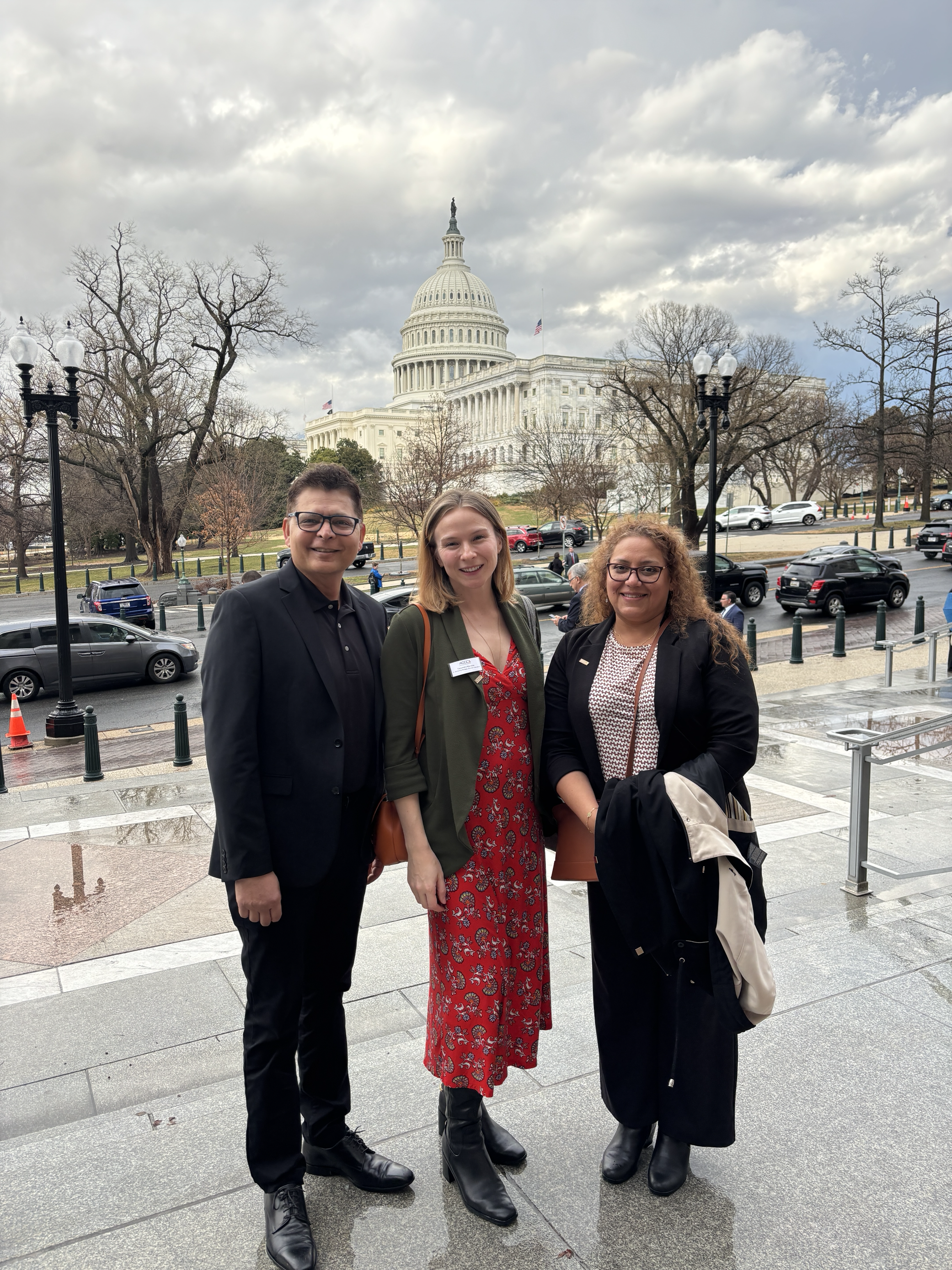
Sucharu (Chris) Prakash, MD; Cassandra Marakov; and Patricia Serna, MHS, PA-C, CGRA.

Sucharu (Chris) Prakash, MD; Cassandra Marakov; and Patricia Serna, MHS, PA-C, CGRA.

Prior Authorization

Prior Authorization (PA) is a utilization management mechanism used by many payers that generally requires patients or providers to secure preapproval as a condition of coverage. While intended to ensure that only medically appropriate and necessary services are provided, PA often poses administrative burdens on physicians and leads to delays in care that end up harming patients. In a 2023 survey from the American Medical Association (AMA), physicians reported that PA always (14%), often (41%), or sometimes (39%) results in delays in treatment. The same survey found that physicians and their staff spend an average of 12 hours per week completing 43 PAs, and over 25% of those PAs were denied.

“The emotional and psychological toll of those stop gaps in treatment is significant,” stated Nikki Hamming RN, MSN, from Corewell Health. “Waiting for administrative work is detrimental to patient outcomes, and we’re seeing it at all levels.”

In light of these concerns for patient outcomes and treatment delays, PA requirements are top of mind for cancer care providers. ACCC encourages Congress to reintroduce and enact the Seniors’ Timely Access to Care Act, which will address certain PA challenges, and to support the retainment of the Department of Health and Human Services (HHS) regulation issued in January 2024. This regulation requires certain plans to send PA decisions within a specified timeframe, to provide a reason for denials, and to publicly report certain metrics.

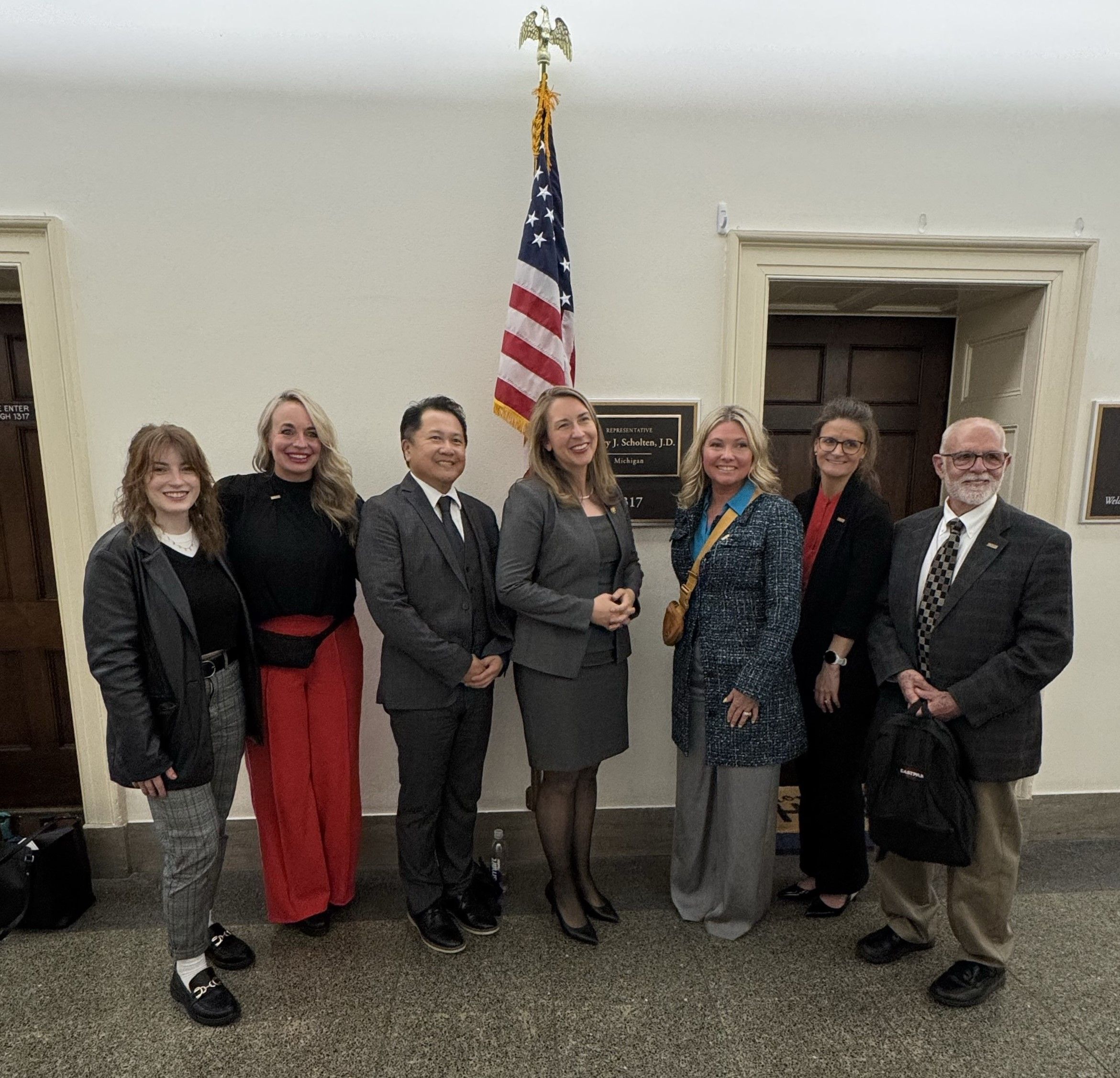
Rachel Radwan; Nikki Hamming RN, MSN; Kenneth Endo; Representative Hillary Scholten (D-MI); Barbara Schmidtman, PhD; Erin Barrus, MS; and Lawrence Wagman, MD.

Rachel Radwan; Nikki Hamming RN, MSN; Kenneth Endo; Representative Hillary Scholten (D-MI); Barbara Schmidtman, PhD; Erin Barrus, MS; and Lawrence Wagman, MD.

Oncology Drug and Medical Supply Shortages

While the shortage of platinum-based therapies that occurred in 2023 has improved, shortages of essential cancer medicines continue to be an issue. According to a 2024 National Comprehensive Cancer Network (NCCN) survey, 89% of centers reported shortages of anticancer agents and supportive care medications, and most were experiencing more than 1 shortage at the time. A significant proportion of respondents also reported that shortages impeded clinical trials and led to treatment delays.

In a meeting with Representative Hillary Scholten (D-MI), Barbara Schmidtman, PhD, from Corewell Health discussed how the shortage of platinum-based therapies forced many cancer centers to ration their limited supply and only administer it to those patients receiving life-saving treatment, rather than life-sustaining. “It’s devastating to tell a patient who has 6 months to live that they can’t receive the drug that they need,” emphasized Dr. Schmidtman. “It’s impossible to quantify what that extra 6 months of life will mean to that patient, and we never want to take that choice away from them.”

In response to this ongoing challenge, ACCC asks that Congress use ACCC and its membership as a resource and partner as it evaluates and prioritizes federal legislative efforts to avoid, mitigate, and solve oncology drug and medical supply shortages, in addition to identifying, evaluating, and proposing short-term policies to address future shortages when they occur. ACCC members also recognize that long-term, systemwide solutions are needed to avert future shortages, and are committed to working with Congress, policymakers, and partners in the public and private sector to help devise and implement lasting solutions.

Patient Navigation

Receiving a cancer diagnosis means not only coping with the disease, but navigating its psychosocial and financial consequences. The involvement of a multidisciplinary cancer care team is therefore pivotal to aiding patients in this endeavor, with patient navigators playing a key role. Historically, patient navigators’ services were either not reimbursed or reimbursed at low levels, causing many cancer programs to rely on charitable funding to keep these supportive services afloat.

On January 1, 2024, new Healthcare Common Procedure Coding System codes went into effect—Principal Illness Navigation and Peer Support Services, assessments relating to Social Determinants of Health, and the provision of Community Health Integration Services—allowing Medicare to reimburse for certain patient navigation services. The implementation of these codes has been crucial in expanding access to these important services, and ACCC applauds policymakers for moving this issue forward.

“Patient navigators are the oil that keep the wheels moving from screening and diagnostics all the way through treatment and survivorship,” explained Lawrence Wagman, MD, from City of Hope. “Their role in cancer care is absolutely vital, and the new reimbursement model reflects that.”

In addition, the American Medical Association issued updated guidance on the appropriate use of Current Procedural Terminology codes at the end of 2023, which enabled providers to bill and receive reimbursement for patient navigation services from many payers. ACCC asks members of Congress to continue their ongoing dialogue with ACCC members and other stakeholders as the patient navigation reimbursement codes continue to be implemented, and extends its appreciation for the ongoing partnership with policymakers that led to this step forward.

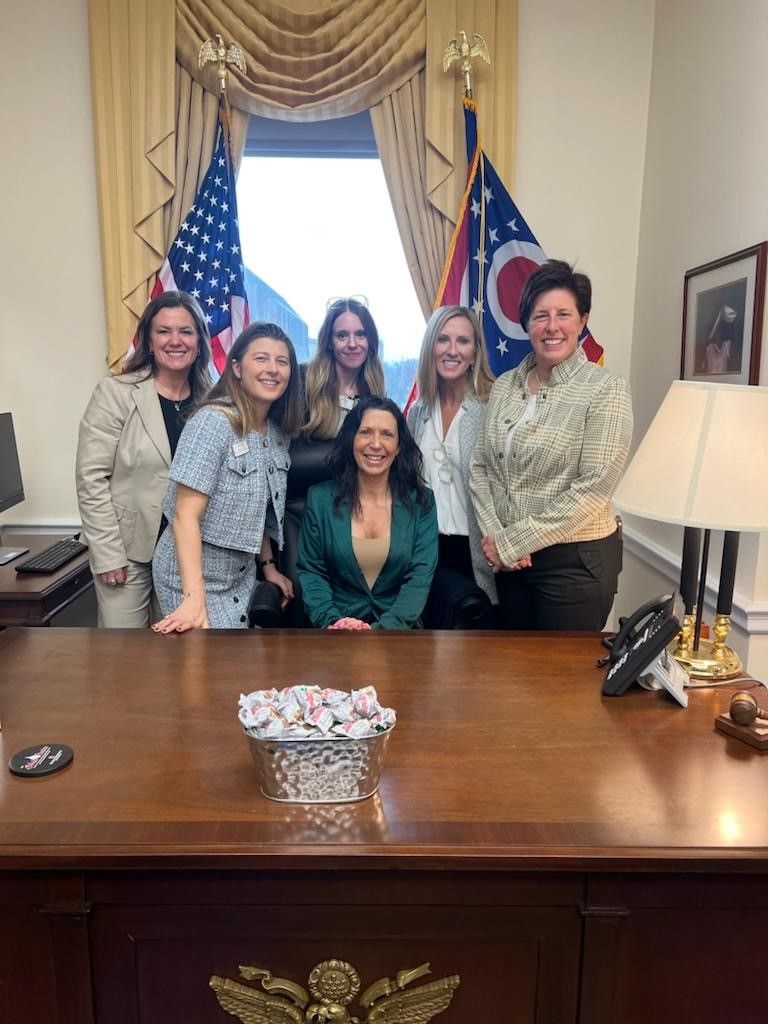
Anna Buehl, MBA, MSN, RN, NE-BC; Laura D'Onofrio; Emily Wire; Wendi Waugh, BS, RT(R)(T), CMD, ODS, FACCC; Jenny Scott; and Sarah Hudson-DiSalle, PharmD, RPh, FACCC.

Anna Buehl, MBA, MSN, RN, NE-BC; Laura D'Onofrio; Emily Wire; Wendi Waugh, BS, RT(R)(T), CMD, ODS, FACCC; Jenny Scott; and Sarah Hudson-DiSalle, PharmD, RPh, FACCC.

Financial Toxicity

Many patients with cancer and survivors face out-of-pocket costs during diagnosis and treatment and struggle with medical debt long after treatment concludes. This financial toxicity can extend to patients’ families and caregivers as well, and tends to coincide with lower quality of life, more symptoms, and more pain. In a meeting with ACCC members, Representative Dwight Evans (D-PA) commented on the importance of using the term financial toxicity in conversations with members of Congress to accurately depict the level of economic distress patients with cancer experience as a result of treatment costs.

In response, members of Congress and policymakers at the federal and state levels are seeking to reduce the burden of out-of-pocket costs through enacted or proposed reforms that include changes to Medicare, Medicaid, and private-payer coverage. One example is the recent change to the Medicare Part D prescription drug program, which capped out-of-pocket expenses for covered medicines at $2000 per year. ACCC encourages Congress to continue to consider legislation to help alleviate financial toxicity for patients with cancer.

Inflation Reduction Act

The Inflation Reduction Act of 2022 (IRA) contains several provisions aimed at reducing prescription drug prices and costs for patients and seeks to lower prescription drug spending under the federal Medicare program. Several of these provisions have and will likely continue to provide significant savings for Medicare beneficiaries. It is therefore important that policymakers implementing the IRA continue to consider the role innovative therapies play in lengthening and saving patients’ lives.

ACCC asks that Congress enact the Protecting Patient Access to Cancer and Complex Therapies Act, which seeks to mitigate the impact of any reduced Medicare reimbursement under Medicare Part B for providers and health care practices. This bill would help ensure that multidisciplinary care teams can continue to administer therapies covered by Medicare Part B and provide patients with the highest level of care.

“The highlight of Hill Day is representing the patients we see every day,” said Patricia Serna, MHS, PA-C, CGRA of Texas Oncology. “If we can improve patients’ outcomes, quality of life, and access to care by advocating, then we’ve done our job.”

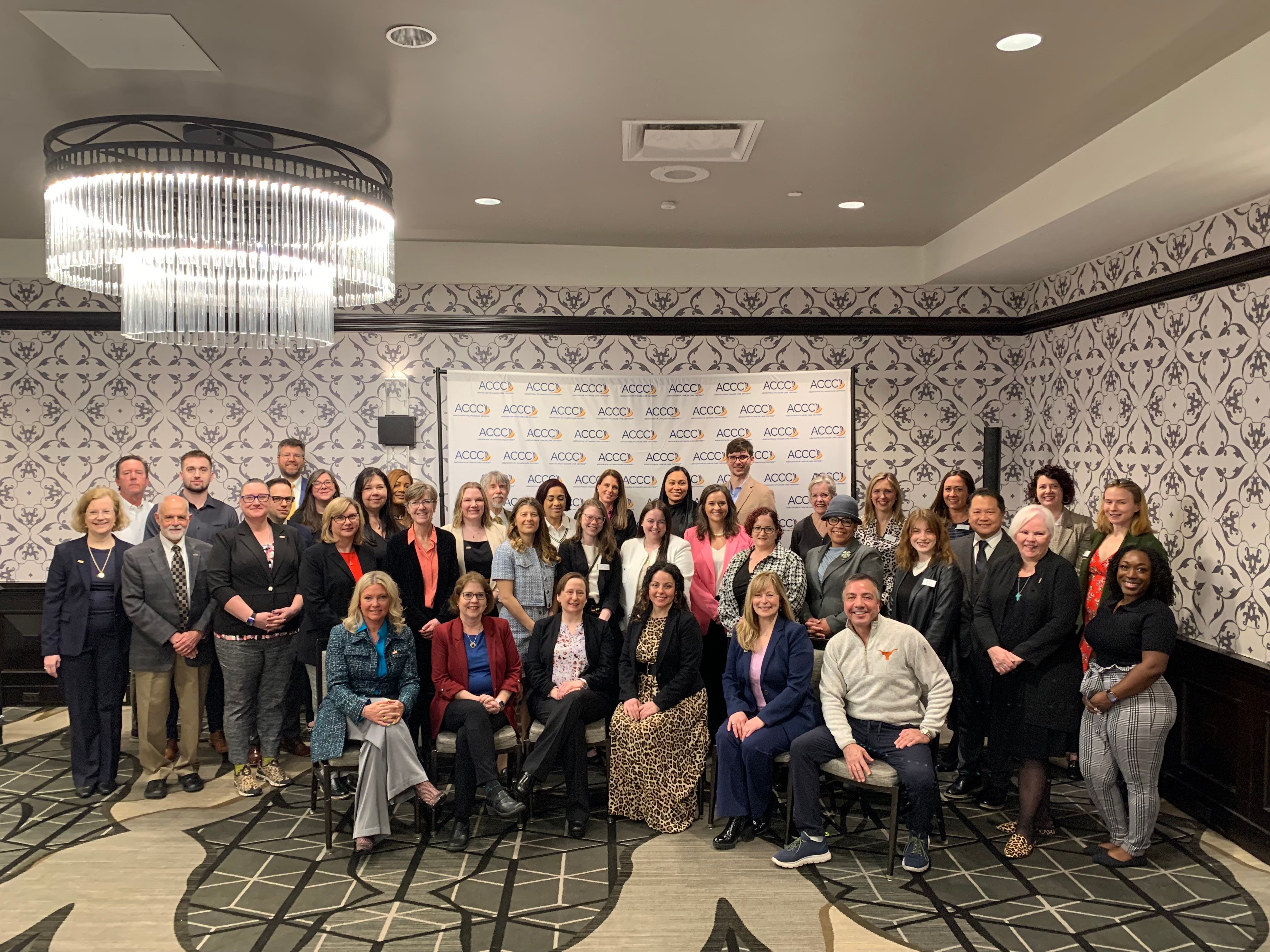
Stay tuned for more coverage of the ACCC 51st AMCCBS on the ACCCBuzz Blog and follow @ACCCBuzz on X for real-time updates.


Related Content

Confronting a Lethal Cancer: Duke Launches Multidisciplinary Pancreatic Cancer Center for Earlier Detection and Better OutcomesACCCBuzz Blog

Confronting a Lethal Cancer: Duke Launches Multidisciplinary Pancreatic Cancer Center for Earlier Detection and Better Outcomes

Rachel Radwan

March 25, 2026

From Hospital to Home: A Solution for Proactive Symptom Monitoring and Precise Care ACCCBuzz Blog

From Hospital to Home: A Solution for Proactive Symptom Monitoring and Precise Care

Rachel Radwan

March 23, 2026

A Candid Conversation About the Power of Early Palliative CareACCCBuzz Blog

A Candid Conversation About the Power of Early Palliative Care

Monique J. Marino

March 19, 2026

Rare but Real: Lessons From Providers Treating BPDCN and MCLACCCBuzz Blog

Rare but Real: Lessons From Providers Treating BPDCN and MCL

Rachel Radwan

February 27, 2026

Highlights From Volume 41, Number 1 Oncology IssuesACCCBuzz Blog

Highlights From Volume 41, Number 1 Oncology Issues

Gabrielle Stearns

February 18, 2026

Implementing a Structured, Scalable Geriatric Oncology ProgramOncology Issue

Implementing a Structured, Scalable Geriatric Oncology Program

Ramy Sedhom, MD; Julianna Ani, MPH

February 16, 2026

Recognizing Innovation in Cancer PreventionACCCBuzz Blog

Recognizing Innovation in Cancer Prevention

Gabrielle Stearns

February 12, 2026

3 Surprising Truths About Leading Through Change: Strategies for Oncology Leaders to Thrive in the AI EraACCCBuzz Blog

3 Surprising Truths About Leading Through Change: Strategies for Oncology Leaders to Thrive in the AI Era

Michelle Rozen, PhD

February 5, 2026

Upcoming Events

ACCC Leadership Summit
Oncology

ACCC Leadership Summit

In Person Meeting & NetworkingApril 16, 2026 at 8:00 AM EDT
Express Interest Now!
ACCC Oncology Reimbursement Meeting | Charleston
Oncology

ACCC Oncology Reimbursement Meeting | Charleston

In Person Meeting & NetworkingMay 6, 2026 at 8:00 AM EDT560 King Street, Charleston, SC, USAHyatt Place + Hyatt House Charleston - Historic District, Charleston
Register Now!
ACCC Oncology Reimbursement Meeting | St. Louis
Oncology

ACCC Oncology Reimbursement Meeting | St. Louis

In Person Meeting & NetworkingMay 13, 2026 at 8:00 AM CDT1335 South Lindbergh Boulevard, St. Louis, MO, USAHilton St. Louis Frontenac, St. Louis
Register Now!
ACCC 43rd National Oncology Conference
Oncology

ACCC 43rd National Oncology Conference

In Person Conference & ConventionOctober 21, 2026 at 8:00 AM MDT450 Summer St, Boston, MA 02210Omni Boston Hotel at the Seaport, Boston
Register Now!
HSCO 2026 March Dinner Symposium
Oncology

HSCO 2026 March Dinner Symposium

In Person Conference & ConventionMarch 25, 2026 at 5:30 PM HST3660 Waialae Ave, Honolulu, HI 96816, USA3660 On The Rise, Honolulu
Register Now!
 LOS 2026 Advocacy Summit
Oncology

LOS 2026 Advocacy Summit

In Person Conference & ConventionApril 1, 2026 at 5:00 PM CDT355 North Boulevard, Baton Rouge, Louisiana, USACity Club of Baton Rouge, Baton Rouge
Register Now!
COS 2026 Dinner Symposium - Grand Junction
Oncology

COS 2026 Dinner Symposium - Grand Junction

In Person Conference & ConventionApril 9, 2026 at 6:00 PM MDT840 Kennedy Avenue, Grand Junction, CO, USADevil's Kitchen, Grand Junction
Register Now!
TOPS 2026 Annual Conference
Oncology

TOPS 2026 Annual Conference

In Person Conference & ConventionApril 11, 2026 at 7:00 AM CDT201 8th Avenue South, Nashville, TN 37203, USAJW Marriott Nashville, Nashville
Register Now!
MSCO 2026 Spring Conference
Oncology

MSCO 2026 Spring Conference

In Person Conference & ConventionApril 15, 2026 at 5:00 PM CDTPark Pl Blvd, St. Louis Park, MN, USADoubleTree by Hilton Hotel Minneapolis - Park Place, St. Louis Park
Register Now!
KaSCO 2026 Spring Dinner Symposium
Oncology

KaSCO 2026 Spring Dinner Symposium

In Person Conference & ConventionApril 15, 2026 at 6:00 PM CDT101 W 22nd St, Kansas City, MO, USALidia's Kansas City, Kansas City
Register Now!
WVOS 2026 Spring Conference
Oncology

WVOS 2026 Spring Conference

In Person Conference & ConventionApril 16, 2026 at 8:00 AM EDT200 Lee Street East, Charleston, WV, USACharleston Marriott Town Center, Charleston
Register Now!
Advertisement
Advertisement

Trending Now on
ACCCBuzz Blog

Confronting a Lethal Cancer: Duke Launches Multidisciplinary Pancreatic Cancer Center for Earlier Detection and Better Outcomes

Confronting a Lethal Cancer: Duke Launches Multidisciplinary Pancreatic Cancer Center for Earlier Detection and Better Outcomes

In an effort to improve outcomes and deliver the highest quality of care to patients with pancreatic cancer, Duke Cancer Institute launched a multidisciplinary Pancreatic Cancer Center that prioritizes thorough surveillance of high-risk patients, stays at the forefront of clinical trials, and considers the role of comorbidities.

From Hospital to Home: A Solution for Proactive Symptom Monitoring and Precise Care

From Hospital to Home: A Solution for Proactive Symptom Monitoring and Precise Care

Electronic patient-reported outcomes (ePROs) can address limited visibility into patients' health and well-being between visits. Yet, many solutions remain generic in their workflows and mainly help capture adverse events, without helping care teams proactively manage or prevent them from worsening. Cureety offers a new kind of ePRO solution, specialized in oncology and designed to make care better quality, more efficient, and more proactive for all patients.

A Candid Conversation About the Power of Early Palliative Care

A Candid Conversation About the Power of Early Palliative Care

In the latest episode of Oncology Unscripted, hosts Deirdre Saulet and Mark Liu sit down with Andrew Ambort, DO, a palliative care consulting physician whose work in reshaping the role of palliative care across oncology helped WellSpan Health win a 2025 ACCC Innovator Award.

Rare but Real: Lessons From Providers Treating BPDCN and MCL

Rare but Real: Lessons From Providers Treating BPDCN and MCL

Patients with rare diseases and their families often feel isolated and overlooked, with many medical questions left unanswered and few people who can empathize with their condition. Rare Disease Day is observed globally each year to bring awareness for diseases and the people behind them by promoting the challenges these rare medical journeys pose for patients and caregivers.

View All ACCCBuzz Blogs

Recently Heard on
CANCER BUZZ Podcast

Transforming Palliative Care in Oncology – [Video Podcast] Ep. 227

Streamlining Access to TIL Cell Therapy for Melanoma

Policy in Practice: Change Hits the Clinic – [Podcast] Ep. 225

Addressing Psychosocial Distress With Psychedelic-Inspired Therapies – [Podcast] Ep. 224

View All Podcasts

Latest from Oncology Issues

February 2026
February 2026
December 2025
October 2025
August 2025
June 2025
View All Oncology Issues

Join the Conversation

ACCC eXchange Digital Banner
Login