Author(s):
Each year, the NCCN State Oncology Society Forum is thoughtfully organized to foster meaningful collaboration and forge common bonds to advance dignity and fair access to cancer care. In this blog, Sean T. McCarson shares key insights from stakeholders across the oncology policy landscape at this year's meeting.
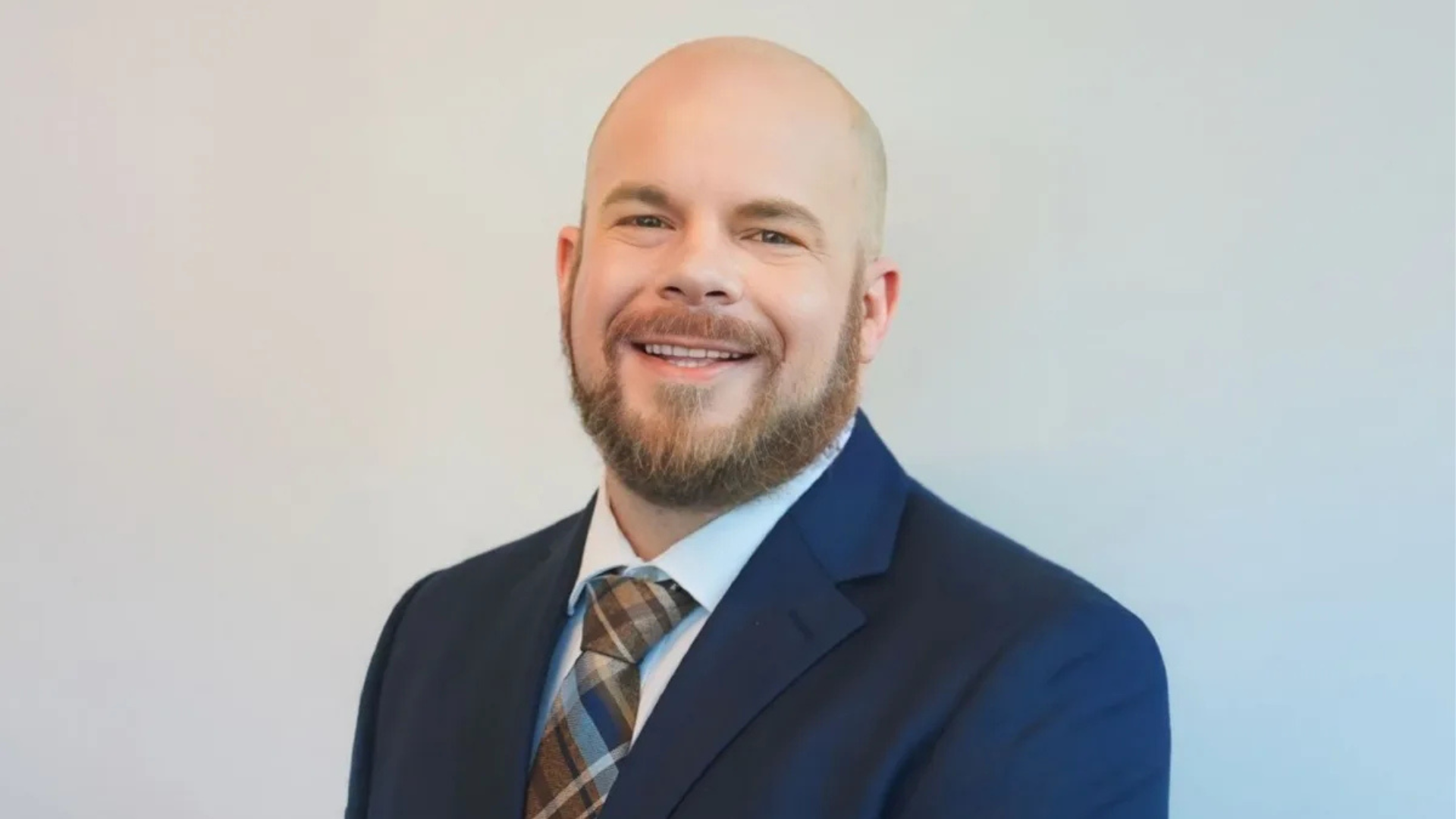
The National Comprehensive Cancer Network® (NCCN®) State Oncology Society Forum (SOSF) is thoughtfully organized each year as one of the programs under the purview of the state policy program manager to foster meaningful collaboration. Coordinating this meeting has been one of the most gratifying professional and personal privileges of my career.
State oncology societies are unifying and on the front lines of advocating for patient-centered care and provider-friendly reforms. I have held many titles throughout my career, but none as important as that of a self-ascribed advocate for dignity. This forum has allowed me to engage with key stakeholders across the oncology policy landscape with humanity, compassion, and unity. We forge common bonds to advance dignity and fair access to cancer care. No single individual owns this work, and my heartfelt thanks go to state oncology society members who, through their tireless efforts, make our collective success possible.
The NCCN SOSF is a premier event that runs concurrently with the NCCN Annual Conference. The SOSF is the NCCN’s primary external policy bridge to community oncology and state oncology societies throughout the country, and I have respected this forum as a sacred obligation in the spirit of its founder, the late Sam Silver, MD, PhD. Dr. Silver was a former NCCN Board Chair and past president of the Michigan Society of Hematology and Oncology (MSHO). The executive directors and presidents of the respective societies have taught me so much and mentored me throughout my 4-year tenure at NCCN. With gratitude for their examples, I am moving forward with sharing my knowledge of guideline-concordant care for a cause I have become firmly committed to: advocating for independent practices in the community setting and advancing access to cancer care in underserved areas.
What has been most rewarding is watching the NCCN State Policy Program grow alongside the SOSF. Since the program became a permanent part of the NCCN’s Policy and Advocacy Department in 2022, the forum has expanded its reach year after year, convening an increasingly diverse group of state oncology leaders from across the country. Although the SOSF remains a private, invitation-only gathering, its environment is designed to foster candid conversations and meaningful opportunities to work together. The SOSF has also sought to include influential organizations like the Community Oncology Alliance, the Association of Cancer Care Cancer Centers, the National Oncology State Network (NOSN), and the American Society of Clinical Oncology, to name a few, through virtual quarterly meetings.
During my tenure, I have had many opportunities to travel on behalf of the NCCN to provide federal and state policy updates to societies, join in state capitol legislative advocacy days, and build durable connections. I am continually inspired when surrounded by such passionate and dedicated professionals who share an unwavering commitment to enhancing the lives of those affected by cancer.
On March 28, 2026, we gathered in Orlando, Florida, to celebrate a historic 15-year milestone in our ongoing mission to transform cancer care through impactful state policy advocacy and innovations. This year’s SOSF program was designed to spark innovation, foster deeper connections, and equip attendees with actionable strategies to carry forward. Each year, I have tried to adapt the needs and content of the program to reflect the priorities of the societies themselves.
Last year, Dr. Philip Kuriakose of MSHO delivered an incredible presentation on best practices. Inspired by this success and recognizing that the SOSF aims to showcase diverse society voices, I decided to expand the program by designing a rapid-fire best-practices format. As expected, the participating societies delivered exceptional presentations that reinforced our collective commitment to advancing oncology care:
Another highlight of this year’s meeting was a panel featuring several esteemed experts representing the Pennsylvania Society of Oncology and Hematology, the Maryland/DC Society of Clinical Oncology, Blood Cancer United, UnitedHealth Group, and the NOSN (Oncology State Societies). While perspectives varied, the discussion revealed strong alignment around the need to protect patient access, reduce barriers to care, and strengthen collaboration across the health care ecosystem.
Several key themes emerged throughout the panel:
The discussion ultimately reinforced a common goal: ensuring that every patient can access high-quality, high-value, and patient-centered cancer care regardless of geography, insurance status, or socioeconomic circumstances.
The day concluded with a firm commitment to breaking down barriers to care and expanding access to high-quality, patient-centered care. I firmly believe that meaningful change happens when we unite our voices with a diverse coalition of partners who share this vision. Through open collaboration, thoughtful dialogue, and a shared sense of purpose, we can continue to drive reforms that truly matter.
For more information about the NCCN SOSF and the work it has accomplished, read this recent article in Strategies Magazine.
Learn more about the NCCN SOSF at www.NCCN.org/SOSF.

From challenging misconceptions about breast cancer to incorporating paramedical tattooing for survivors after reconstruction, gather valuable takeaways from Oncology Issues in observance of Breast Cancer Awareness Month.