ACCC association of cancer care centers
Join/Renew
Login
Join/Renew
Login
Education & Resources
ACCC eXchange LogInCorporate Member Sponsored ResourcesPresentations & AbstractsACCC Connect eLearning LogIn
Publications
Oncology IssuesPatient Assistance & Reimbursement GuideTrending Now in Cancer CareBusiness Case Studies for Hiring New Staff
Events
2026 ACCC Leadership SummitAnnual Meeting & Cancer Center Business SummitCapitol Hill DayNational Oncology ConferenceOncology Reimbursement MeetingsOncology State Society Meetings
Policy & Advocacy
ACCC 2026 Policy PrioritiesLetters & StatementsAccess, Payment & Reimbursement ReformWhite Bagging & Brown BaggingAdvocacy ResourcesCancer Moonshot
Membership
Join | RenewWho We AreMembership Types & BenefitsCorporate MembersACCC Member Portal FAQMember Directory
Partners
Oncology State SocietiesPartner OrganizationsCME
News
News ReleasesAdvocacy News ReleasesOncology News
About ACCC
Timeline / 50th Anniversary2025 Impact ReportPresident's ThemeACCC Innovator AwardsACCC FellowsBoard of TrusteesACCC Senior Staff
Breast CancerMetastatic Breast Cancer
Gastrointestinal CancerBiliary Tract CancerColorectal CancerGastric CancerLiver Cancer
Genitourinary CancerBladder CancerProstate CancerRenal Cell Carcinoma
Gynecologic CancerOvarian Cancer
Head & Neck Cancer
Hematologic MalignanciesAcute Lymphocytic Leukemia (ALL)Acute Myeloid Leukemia (AML)Chronic Lymphocytic Leukemia (CLL)Mantle Cell Lymphoma (MCL)Multiple Myeloma (MM)Myelodysplastic Syndromes (MDS)
Lung CancerNon-Small Cell Lung Cancer (NSCLC)Small Cell Lung Cancer (SCLC)
Sarcoma
Skin CancerMelanomaNon-Melanoma Skin Cancers (NMSC)
Clinical Practice & TreatmentCancer DiagnosticsCare CoordinationEHR Integration for Biomarker TestingQuality Improvement Collaboration: Integration of Precision Medicine in Community OncologyTreatment
Financial NavigationFAN Boot CampFinancial Advocacy Network (FAN) Resource LibraryPatient Assistance & Reimbursement GuidePrior Authorization
Health Equity & Access3, 2, 1, Go! Practical Solutions for Addressing Cancer Care DisparitiesAppalachian Community Cancer AllianceOncology Advanced PractitionersPersonalizing Care for Patients of All BackgroundsSocial Drivers of Health
Patient-Centered CareAddressing Care Disparities for VeteransAdolescent and Young Adult (AYA)Care Action Plans for People with CancerDermatologic ToxicitiesEmpowering CaregiversGeriatric OncologyHealth LiteracyNutritionOncology PharmacyPatient NavigationPsychosocial Care in OncologyShared Decision-MakingSupportive CareSurvivorship Care
Practice Management & OperationsCancer Program FundamentalsLeadership Sustainment and Engagement VideosOncology Practice Transformation and Integration CenterOncology Team Resiliency
ResearchACCC Community Oncology Research Institute (ACORI)
Technology & InnovationTelehealth & Digital Medicine
ACCCBuzz Blog
CANCER BUZZ Podcast
Oncology Issues
Join/Renew
Login
Breast CancerMetastatic Breast Cancer
Gastrointestinal CancerBiliary Tract CancerColorectal CancerGastric CancerLiver Cancer
Genitourinary CancerBladder CancerProstate CancerRenal Cell Carcinoma
Gynecologic CancerOvarian Cancer
Head & Neck Cancer
Hematologic MalignanciesAcute Lymphocytic Leukemia (ALL)Acute Myeloid Leukemia (AML)Chronic Lymphocytic Leukemia (CLL)Mantle Cell Lymphoma (MCL)Multiple Myeloma (MM)Myelodysplastic Syndromes (MDS)
Lung CancerNon-Small Cell Lung Cancer (NSCLC)Small Cell Lung Cancer (SCLC)
Sarcoma
Skin CancerMelanomaNon-Melanoma Skin Cancers (NMSC)
Clinical Practice & TreatmentCancer DiagnosticsCare CoordinationEHR Integration for Biomarker TestingQuality Improvement Collaboration: Integration of Precision Medicine in Community OncologyTreatment
Financial NavigationFAN Boot CampFinancial Advocacy Network (FAN) Resource LibraryPatient Assistance & Reimbursement GuidePrior Authorization
Health Equity & Access3, 2, 1, Go! Practical Solutions for Addressing Cancer Care DisparitiesAppalachian Community Cancer AllianceOncology Advanced PractitionersPersonalizing Care for Patients of All BackgroundsSocial Drivers of Health
Patient-Centered CareAddressing Care Disparities for VeteransAdolescent and Young Adult (AYA)Care Action Plans for People with CancerDermatologic ToxicitiesEmpowering CaregiversGeriatric OncologyHealth LiteracyNutritionOncology PharmacyPatient NavigationPsychosocial Care in OncologyShared Decision-MakingSupportive CareSurvivorship Care
Practice Management & OperationsCancer Program FundamentalsLeadership Sustainment and Engagement VideosOncology Practice Transformation and Integration CenterOncology Team Resiliency
ResearchACCC Community Oncology Research Institute (ACORI)
Technology & InnovationTelehealth & Digital Medicine
ACCCBuzz Blog
CANCER BUZZ Podcast
Oncology Issues
    • Education & Resources
    • Publications
    • Events
    • Policy & Advocacy
    • Membership
    • Partners
    • News
    • About ACCC
ACCC association of cancer care centers
1801 Research Boulevard, Suite 400, Rockville, MD 20850
Tel: 301.984.9496 Email Us
Contact UsVolunteers
Advertise
Career Center
Terms and Conditions
Privacy Policy
ACCC Rebranding
Copyright © 2026 Association of Cancer Care Centers. All Rights Reserved.
HomeACCCBuzz Blog

ACCC Recognizes Colorectal Cancer Awareness Month With RFP

March 24, 2021

To help address the ongoing prevalence of colorectal cancer, ACCC is inviting its members to submit proposals for quality improvement initiatives in treating metastatic forms of this cancer.

ACCC Recognizes Colorectal Cancer Awareness Month With RFP

Tremendous strides have been made in colorectal cancer prevention and treatment since 2000, when President Bill Clinton first designated March as Colorectal Cancer Awareness Month. In 2000, the treatment options for patients with metastatic colorectal cancer were limited to traditional chemotherapies. Today, biomarker testing has opened the door for more personalized treatments, including immunotherapies that could not have been imagined twenty years ago.

These advancements have led to a tremendous improvement in patient outcomes. For the past decade, new cases of colorectal cancer (CRC) have fallen an average of 2.4 percent each year, and survivorship is on the rise. Sixty-four percent of all patients diagnosed with CRC live for five years or more, and the five-year survival rate for individuals diagnosed with Stage 1 CRC is 90 percent.

Even so, colorectal cancer is still the second-leading cause of cancer death in the U.S., in part due to the ongoing rise in the incidence of early onset, late-stage CRC. This occurs when CRC presents in individuals younger than age 50, before the recommended routine screening for colorectal cancer begins.

According to Al B. Benson III, MD, a professor of medicine and associate director of clinical investigations at the Robert H. Lurie Comprehensive Cancer Center at Northwestern University and a member of the ACCC planning committee, “If we look at the latest in precision oncology, the progress being made is breathtaking, and that includes drugs being developed to treat unresectable or metastatic CRC and biomarker testing of tissue to identify patients who have the potential to reap significant benefits.”

However, says Dr. Benson, “There is still much work to be done in screening for early-onset CRC, developing comprehensive treatment plans for specific subtypes of metastatic disease, and continuing research to identify larger groups of people who could benefit from a combination of treatments, including immunotherapy.”

A significant proportion of that work falls to community cancer centers, says Dr. Benson, where 80 percent of cancer patients receive their treatment.

Testing Matters

The baseline test for all patients with colorectal cancer, regardless of stage, is what is known as MSI/MMR, or micro-satellite instability/mismatch repair. The result of this test determines whether a patient’s first line of treatment for metastatic CRC is traditional chemotherapy or immunotherapy. A positive MSI/MMR test result may indicate the presence of Lynch Syndrome, a rare, genetic predisposition for the disease that affects how a patient is monitored and whether family members are screened.

In addition to MSI/MMR, there is a growing field of molecular tests and concordant treatment regimens that clinicians must know how to navigate when caring for patients with metastatic CRC. For example, Dr. Benson explains that, “testing for RAS mutations is necessary because only people with the RAS wild-type gene are candidates for treatment with certain types of drugs known as epidermal growth factor receptor inhibitors or EGFRs.” Likewise, says Benson, “if a tumor is RAS wild-type, we need to test for HER2, for which there are other specific targeted therapies. There’s also now an FDA-approved regimen for BRAF-mutated tumors that represents yet another subtype of CRC patients. All of these tests are the minimum assessment we need to do because it directly affects patient treatment.”

ACCC Survey

In January 2021, ACCC conducted a survey of community oncologists to assess the status of biomarker integration in the treatment of patients with late-stage, unresectable colorectal cancer. The results of this original research highlight some of the challenges faced by care providers in the community, including the application of preferred treatment regimens linked to specific biomarkers.

The majority of respondents (74 percent) to ACCC’s survey reported regularly ordering biomarker testing for more than half of their patients with metastatic CRC. Fifty-six percent reported routinely ordering MSI/MMR testing, and 41 percent reported ordering multiplex panel tests, including KRAS, NRAS, and BRAF mutations.

Dr. Benson says these findings are encouraging. “It’s clear that clinicians are approaching testing in a variety of ways,” he notes. “But we are making inroads into patient selection for targeted treatment, and that’s an advancement. What we need is routine access to and utilization of universal pathways, standard protocols for everyone to follow.” Dr. Benson adds that he is currently working with the National Comprehensive Cancer Network to develop just that—national comprehensive treatment guidelines for colorectal cancer.

In addition to a varied approach to the types of biomarker tests ordered, the results of the ACCC survey revealed barriers to biomarker integration in CRC care, such as adequate tissue sampling, lab processing times, access to genetic consultants, and reimbursement issues.

Request for Proposals

To help address some of these challenges, ACCC has partnered with Pfizer Global Medical Grants and is inviting its members to submit proposals for quality improvement initiatives in the treatment of metastatic colorectal cancer. A total of $1.5 million is available to fund projects that aim to improve the integration of biomarker testing results into the treatment decision-making process. Proposals should address the enhancement of specific assessment and diagnostic processes, including:

  • Quality-of-care assessments (such as the use of molecular tumor boards and tissue optimization practices)
  • Standard workflows for biomarker testing
  • Standard assessment of patients for clinical trial eligibility
  • System-oriented barriers such as testing turnaround time and reimbursement
  • Equity and access barriers to biomarker testing for underserved patient populations

As Dr. Benson explains, “Developing comprehensive, standard protocols for CRC care and making sure that physicians address all the component services with patients up front is an extension of patient advocacy. Our goal is for integrated biomarker testing and targeted therapy to become the standard of care for people with metastatic colorectal cancer.”

The opportunity to submit a proposal in response to the RFP is only available to ACCC member cancer programs and practices. Grant requests should describe concepts and ideas for design and implementation of systems or programs that will close clinical practice gaps related to biomarker testing in patients with mCRC through the establishment of education and support mechanisms for community providers.

The RFP process has two stages. Stage one is submission of a three-page letter of intent (LOI). If the LOI is selected, the applicant will be invited to submit a full proposal. Deadline for LOI submission is May 12, 2021.

For more information and to view the RFP, go to https://www.accc-cancer.org/projects/colorectal-cancer/overview.


Related Content

Transforming Oncology Authorization Through Clinical and Revenue Cycle CollaborationACCCBuzz Blog

Transforming Oncology Authorization Through Clinical and Revenue Cycle Collaboration

Rachel Radwan

June 29, 2026

Building a Blueprint for Precision Medicine: Lessons from TriHealthACCCBuzz Blog

Building a Blueprint for Precision Medicine: Lessons from TriHealth

June 25, 2026

Exploring a Bispecific Antibody for Relapsed or Refractory Multiple MyelomaACCCBuzz Blog

Exploring a Bispecific Antibody for Relapsed or Refractory Multiple Myeloma

June 22, 2026

15 Years Strong: The NCCN State Oncology Society Forum Annual MeetingACCCBuzz Blog

15 Years Strong: The NCCN State Oncology Society Forum Annual Meeting

Sean T. McCarson, MPA

June 16, 2026

Highlights from Volume 41, Number 3 Oncology IssuesACCCBuzz Blog

Highlights from Volume 41, Number 3 Oncology Issues

Gabrielle Stearns

June 15, 2026

ACCC Roundtable Series to Build a CAR T Multiple Myeloma Referral FrameworkACCCBuzz Blog

ACCC Roundtable Series to Build a CAR T Multiple Myeloma Referral Framework

Gabrielle Stearns

June 11, 2026

Precision Medicine Stewardship: Turning Complexity Into Coordinated Cancer CareACCCBuzz Blog

Precision Medicine Stewardship: Turning Complexity Into Coordinated Cancer Care

June 9, 2026

A Leadership Playbook for Responsible AI AdoptionACCCBuzz Blog

A Leadership Playbook for Responsible AI Adoption

June 4, 2026

Upcoming Events

ACCC 43rd National Oncology Conference
Oncology

ACCC 43rd National Oncology Conference

In Person Conference & ConventionOctober 21, 2026 at 8:00 AM MDT450 Summer St, Boston, MA 02210Omni Boston Hotel at the Seaport, Boston
Register Now!
KaSCO 2026 Fellows Dinner
Oncology

KaSCO 2026 Fellows Dinner

In Person Conference & ConventionJuly 16, 2026 at 6:00 PM CDT101 West 22nd Street, Kansas City, MO, USALidia's Kansas City, Kansas City
Register Now!
MSCO 2026 Professional Development Workshop
Oncology

MSCO 2026 Professional Development Workshop

In Person Conference & ConventionJuly 18, 2026 at 3:30 PM CDT5005 Glumack Drive, Minneapolis, MN, USAInterContinental Hotel Minneapolis – St. Paul Airport, Minneapolis
Register Now!
NOS 2026 Dinner at the Las Vegas Best of ASCO
Oncology

NOS 2026 Dinner at the Las Vegas Best of ASCO

In Person Conference & ConventionJuly 24, 2026 at 5:30 PM PDT101 Montelago Blvd, Henderson, NV 89011, USAThe Westin Lake Las Vegas Resort & Spa , Henderson
Register Now!
WSMOS 2026 Dinner at the Seattle Best of ASCO
Oncology

WSMOS 2026 Dinner at the Seattle Best of ASCO

In Person Conference & ConventionJuly 24, 2026 at 5:30 PM PDT1415 5th Ave, Seattle, WA, USAHilton Motif Seattle, Seattle
Register Now!
KYSCO 2026 Tri-State Multi-Disciplinary Cancer Care Summit
Oncology

KYSCO 2026 Tri-State Multi-Disciplinary Cancer Care Summit

In Person Conference & ConventionJuly 25, 2026 at 7:30 AM EDT638 Madison Ave, Covington, Kentucky 41011, USAHotel Covington, Covington
Register Now!
HSCO 2026 August Dinner Symposium
Oncology

HSCO 2026 August Dinner Symposium

In Person Conference & ConventionAugust 12, 2026 at 5:30 PM HST6600 Kalanianaʻole Highway suite 110, Honolulu, HI 96825, USARoy's Restaurants – Hawaii Kai, Honolulu
Register Now!
LOS 2026 Cancer Congress - National Oncology Updates
Oncology

LOS 2026 Cancer Congress - National Oncology Updates

In Person Conference & ConventionAugust 14, 2026 at 11:00 AM CDT859 Convention Center Blvd, New Orleans, LA, USANew Orleans Marriott Warehouse Art District, New Orleans
Register Now!
Advertisement
Advertisement

Trending Now on
ACCCBuzz Blog

Transforming Oncology Authorization Through Clinical and Revenue Cycle Collaboration

Transforming Oncology Authorization Through Clinical and Revenue Cycle Collaboration

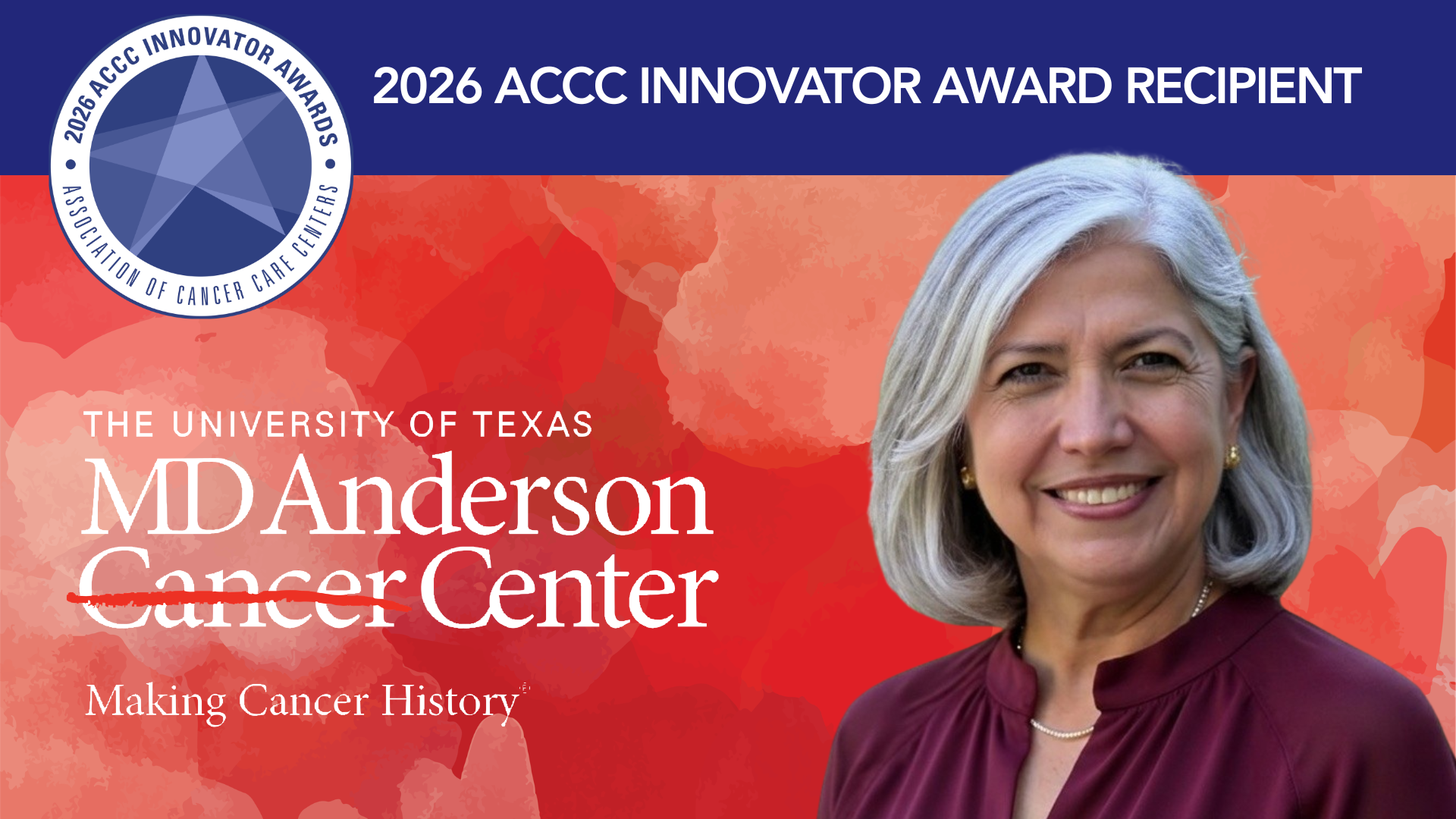
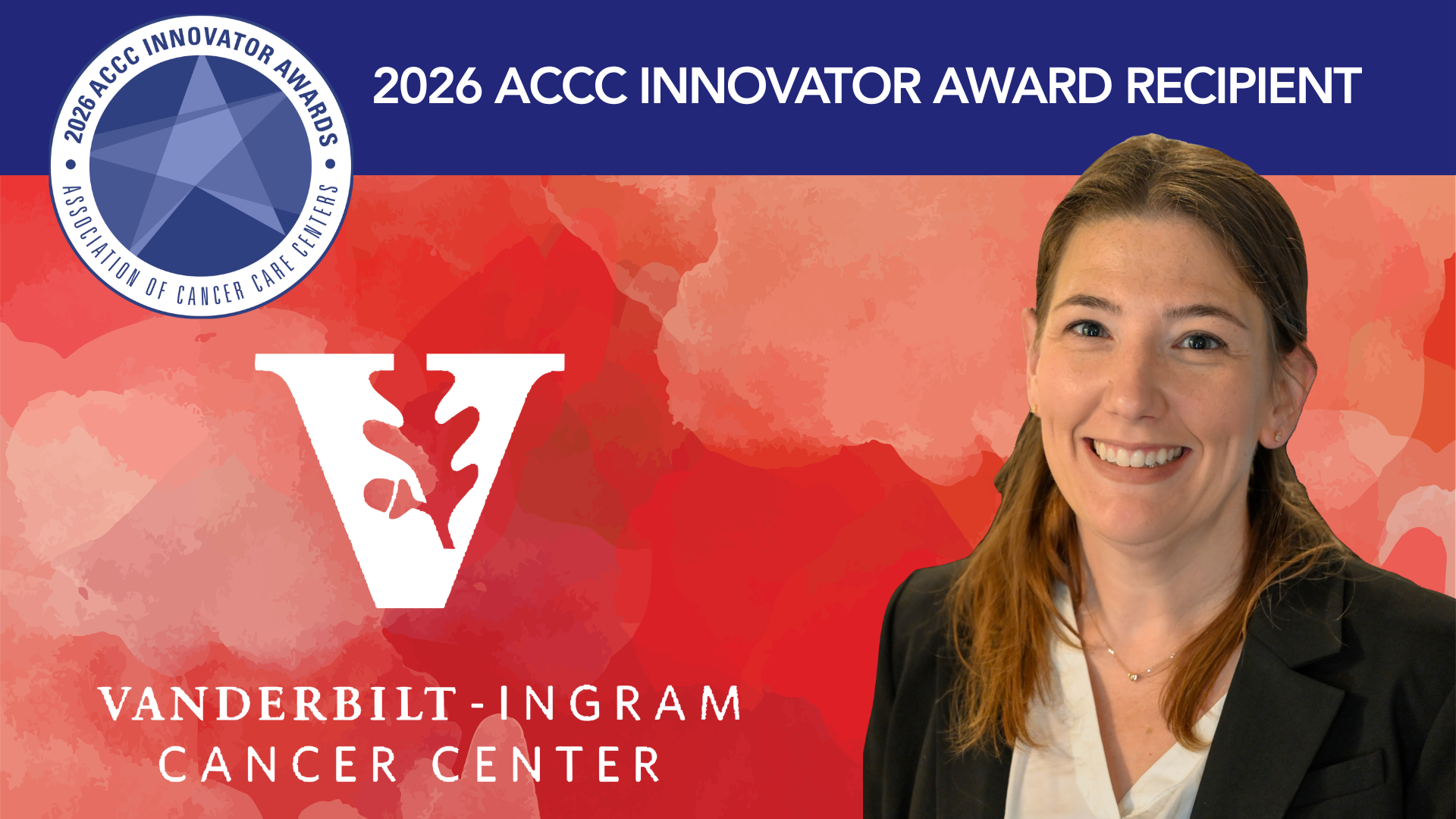
2026 ACCC Innovator Award Winner St. Luke's Cancer Institute noticed a significant administrative burden being placed on providers to review medical necessity validation for complex oncology therapies. To address the resulting rise in peer-to-peer requirements, delays in care, and pre-service denials, the team designed and implemented a new Clinical Documentation Integrity Registered Nurse role.

Building a Blueprint for Precision Medicine: Lessons from TriHealth

Building a Blueprint for Precision Medicine: Lessons from TriHealth

ACCC launched its Precision Medicine Stewardship Program to highlight institutions that have successfully built the infrastructure, workflows, and leadership models needed to deliver precision medicine at scale. TriHealth Cancer and Blood Institute in Cincinnati, Ohio, offers a compelling example of what it takes to move from aspiration to execution.

Exploring a Bispecific Antibody for Relapsed or Refractory Multiple Myeloma

Exploring a Bispecific Antibody for Relapsed or Refractory Multiple Myeloma

Although patients with relapsed or refractory multiple myeloma now have more treatment options than ever, their journeys are often complex. As clinicians consider when to introduce newer therapies such as bispecific antibodies, they must account for prior treatments, treatment-related toxicities, and comorbidities that may impact treatment decisions.

15 Years Strong: The NCCN State Oncology Society Forum Annual Meeting

15 Years Strong: The NCCN State Oncology Society Forum Annual Meeting

Each year, the NCCN State Oncology Society Forum is thoughtfully organized to foster meaningful collaboration and forge common bonds to advance dignity and fair access to cancer care. In this blog, Sean T. McCarson shares key insights from stakeholders across the oncology policy landscape at this year's meeting.

View All ACCCBuzz Blogs

Recently Heard on
CANCER BUZZ Podcast

Beyond Body Art: Restoring Wholeness Through Paramedical Tattooing - [Podcast] Ep. 238

Bridging Radiation and Oncology in SCLC Care - [Podcast] Ep. 237

Championing Bispecific Antibodies in the VA - [Podcast] Ep. 236

Data-Driven Toxicity Management for ADCs – [Video Podcast] Ep. 235

View All Podcasts

Latest from Oncology Issues

June 2026
June 2026
April 2026
February 2026
December 2025
October 2025
View All Oncology Issues

Join the Conversation

ACCC eXchange Digital Banner
Login