In recognition of April as Head and Neck Cancer Awareness Month, ACCCBuzz analyzes insurance coverage for patients with head and neck cancers.

As April draws to a close, it remains crucial to acknowledge the significance of ensuring patients with head and neck cancer receive equitable care. Improving access to insurance coverage is an important step. According to the American Dental Association, nearly a quarter of adults aged 19-64 lack dental insurance. That figure skyrockets to 47% among Medicare beneficiaries. This stark contract in coverage disproportionately impacts marginalized communities, including Black, Hispanic, and lower-income individuals, further exacerbating health inequities.
Despite the widely recognized importance of dental care, its critical role in the treatment journey of patients with head and neck cancers is often underemphasized. As advancements in cancer therapy—particularly radiotherapy—continue to evolve, so too does the reliance on multidisciplinary teams, where dental professionals play an indispensable role. From pre-radiotherapy evaluations to post-treatment rehabilitation, dental care encompasses a spectrum of interventions crucial for optimizing treatment outcomes and preserving quality of life for patients with head and neck cancer.
However, the lack of insurance coverage poses a significant barrier as it impedes patient access to essential dental services which ultimately hinders treatment outcomes. As a result, understanding the essential dental services patients with head and neck cancer require is key. They include, but are not limited to:
Not only are these dental care needs vital for patients with head and neck cancer, but studies reveal higher survival rates from head and neck cancer when care is provided by a dedicated team that meets regularly. However, the logistical challenges of assembling such teams can be daunting, and the lack of insurance coverage can exacerbate these difficulties. These factors have created a positive correlation between the level of insurance coverage and patient survival rates. The image below illustrates this relationship:

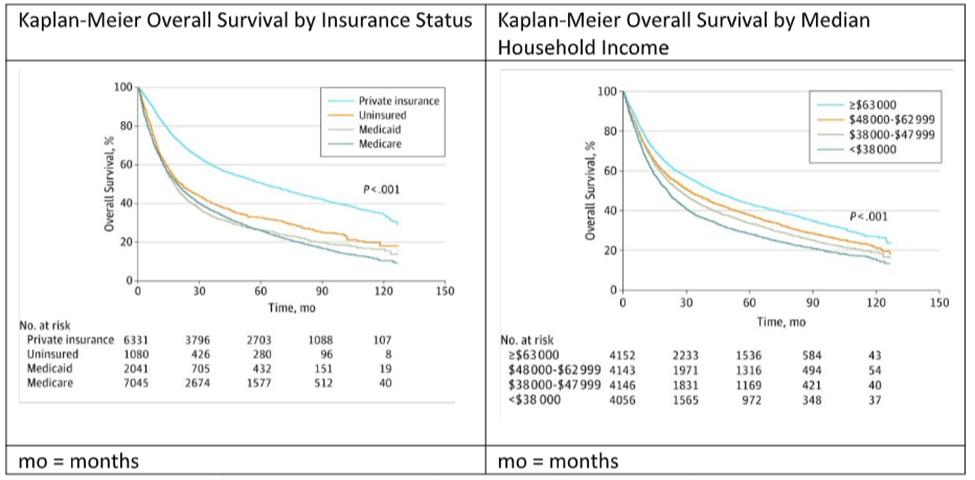
The same factors influencing overall survival post-head and neck cancer diagnosis—insurance coverage and socioeconomic status—are also linked to a lack of dental coverage. While policymakers have previously endeavored to extend dental coverage to new patient populations, including Medicare, there is an urgent need for patients with head and neck cancer. Consequently, policymakers and advocates must collaborate to devise solutions to this access crisis. For developing initiatives to fix this problem is a major part of why the Association of Cancer Care Centers (ACCC) and other organizations continue to recognize April as Head and Neck Cancer Awareness Month.
To find more tools and resources related to head and neck cancer, visit the head and neck cancer page.
ACCC’s Multidisciplinary Approaches to Head & Neck Cancer education program is made possible with support by EMD Serono.




On Day 2 of the 2026 NCCN Fall Policy Summit, speakers and panelists discussed the greatest operational hurdles preventing personalized cancer screening, offered proven best practices in five real-world case studies, and explored policy solutions to modernize screening systems.