LYTE is a non-profit organization that aims to meet the needs of a growing and diverse breast cancer survivor community by providing expert health and wellness coaching.
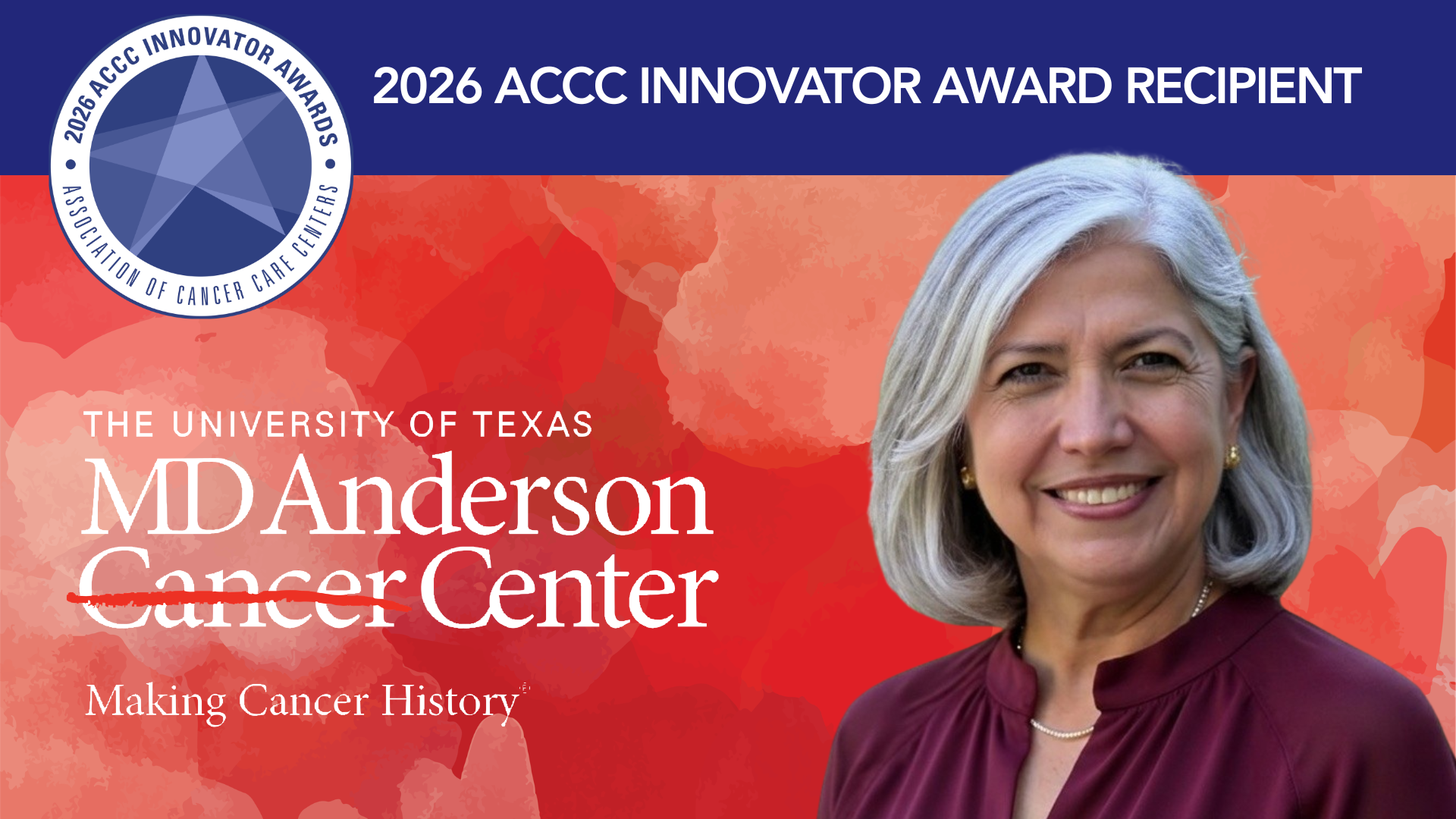
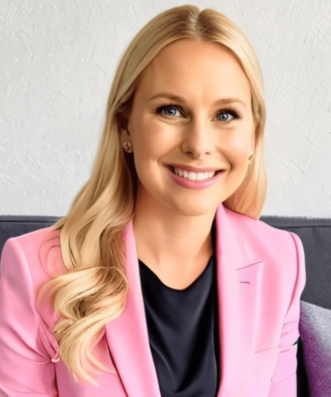
Twenty-two hours after she was born, Jessica Clague DeHart, PhD, was on an airplane from Boise, Idaho to Southern California in the arms of her adopted parents. An ovarian cancer diagnosis left her adopted mother unable to conceive. “I was due on Christmas [day] and came early so my adopted parents were called and told they had to get to Boise, because I was on my way, and I had to be out of the state before I was 24 hours old.”
“I really feel like cancer is a part of my identity.”
Dr. Clague DeHart’s adoptive parents are theatre majors who met in London. “They say they always knew I was adopted because I loved science and would do experiments when I was younger,” she said. “But I was also a professional ballerina.”
Her career as a ballerina ended abruptly following a major knee injury during the opening night of a solo performance. “There was a USC [University of Southern California] orthopedic surgeon in the audience who saw me backstage and said he didn’t think I would be dancing for a while,” Dr. Clague DeHart said. At the same time, her grandfather was undergoing treatment for pancreatic cancer at the USC Norris Comprehensive Cancer Center. “Because I couldn’t go to dance rehearsal, I volunteered to take him,” she shared. “I annoyed the heck out of the oncologists with all my questions about how and why he got cancer, so they encouraged me to consider going to school for medicine.”

That experienced nurtured a curiosity Dr. Clague DeHart always harbored. She applied and was accepted to USC as a pre-medicine student with a minor in dance; her essay detailed her vision of working in a laboratory in ballet shoes. “At USC, I learned about public health and epidemiology and how there was more to studying disease than treatment,” she said. “So, I switched majors to join one of the country’s first undergrad[uate] programs in health promotion and disease prevention.”
For Dr. Clague DeHart, it was not enough to simply treat diseases, the goal was to prevent them. “My grandfather did end up passing. I was in the room with him, and he said, “You got to beat this thing.” So, cancer has always been at the core of what I do. Anytime I have gone off path, something else brings me back to it.”
To understand and ultimately prevent cancer, Dr. Clague DeHart realized the necessity of overcoming the monotony that has dictated oncology research in the past, where the focus on developing solutions often fails to consider the communities they will be implemented in. “We have brilliant, fantastic interventions that we come up with as scientists and they work, but if people are not doing them, then what’s the point,” she explained. So, she spent the next 2 decades entrenched in breast cancer research, conducting intervention trials and working to develop strategies to reduce the mortality and reoccurrence rates of the disease. Then in 2016, while she was an assistant professor at City of Hope Cancer Center, her adopted mother was diagnosed with late-stage, triple-negative breast cancer.
According to Dr. Clague DeHart, her adopted mother delayed seeking medical attention for the lump in her breast due to the trauma of her ovarian cancer diagnosis. “My mom had so much PTSD [Post-traumatic stress disorder] from her ovarian cancer that she refused to go to the doctor,” Dr. Clague DeHart shared. “And it hit me that no matter what cancer, there’s this true PTSD that happens, a lot of people ring the bell and then they’re done—then it’s silence.”
“My research became all too real as I spent the next 2 years attending every treatment and appointment and seeing the aftermath of treatment and symptoms at home.”
Her final day of treatment came, and the bell rang once more, but as the path to survivorship beckoned, the requisite resources to ensure success were not provided. “The physical and psychological collateral damage of successful cancer treatment is often overwhelming, and I learned from talking to hundreds of other breast cancer survivors that this was not unique to my mom’s experience,” Dr. Clague DeHart said. “In fact, when that celebratory bell falls silent and the pink confetti is swept up, there are over 4 million breast cancer survivors facing their new normal and they are left asking, ‘Now what?’”
“It became very clear to me that something needed to be done and it would need to be community-based.”
Armed with this perspective, Dr. Clague DeHart founded LYTE: Living Your Truth Empowered in August 2022. “LYTE’s mission is to meet the needs of a growing and diverse breast cancer survivor community—regardless of any social drivers of health or stage at diagnosis—by providing no-cost, community-based, locally and culturally tailored charters, run by expertly trained health and wellness coaches,” she explained. “We provide no-cost NBHWC [National Board for Health and Wellness Coaching] credential training to breast cancer advocates and community members who agree to coach breast cancer survivors.”
“I love ACCC [Association of Cancer Care Centers] because it is about the community. That is where we need to be in survivorship, outside of the confines of cancer centers.”
The 16-week training program graduated its first cohort of coaches this May and Dr. Clague DeHart is excited for what the future holds. “We believe engaging in equitable storytelling creates a partnership rather than a simple exchange of information; bringing forward stories that shatter stigma and uplift marginalized voices,” she said. “Therefore, we are also launching an equity-based storytelling program that incorporates advocacy and the arts among breast cancer survivors and a few other research studies.”
For cancer programs and practices looking for ways to improve their breast cancer survivorship program, Dr. Clague DeHart believes LYTE could be the answer. “The first thing would be for [these organizations] to have a conversation with our team to see how we can help,” she explained. “Some organizations want the health coaching model, but a small cancer center could send patients to us for health coaching immediately after treatment.”
For communities interested in LYTE charters, the foundation provides training and rigorous needs assessments to ensure the correct standards are met and upheld. “This includes grant writing for LYTE charters in need of sustainable funding,” Dr. Clague DeHart said. “We offer a lot of services, but it all depends on what the community needs, and it always starts with a conversation.”
Dr. Clague DeHart remains fervent in her goal of preventing cancer, but that mission now includes changing the survivorship landscape of the disease; this includes patients living with metastatic breast cancer. "I had a conversation with a few advocates, and they said, 'LYTE is awesome, but just like everyone else, you have forgotten about us.' So, we now include those living with MBC [metastatic breast cancer] in the definition of survivors," she said.
The larger goal that continues to drive Dr. Clague DeHart is for every single breast cancer survivor—eventually every cancer survivor—to be met by a LYTE representative on their last day of treatment who "congratulates them and invites them for a conversation about the rest of their life."
"So, there is never that silence."




In recognition of Leukemia and Lymphoma Awareness Month, ACCC compiled a group of resources to help care teams navigate two of the most commonly diagnosed adult leukemias: acute myeloid leukemia and chronic lymphocytic leukemia.