ACCC association of cancer care centers
Join/Renew
Login
Join/Renew
Login
Education & Resources
ACCC eXchange LogInCorporate Member Sponsored ResourcesPresentations & AbstractsACCC Connect eLearning LogIn
Publications
Oncology IssuesPatient Assistance & Reimbursement GuideTrending Now in Cancer CareBusiness Case Studies for Hiring New Staff
Events
2026 ACCC Leadership SummitAnnual Meeting & Cancer Center Business SummitCapitol Hill DayNational Oncology ConferenceOncology Reimbursement MeetingsOncology State Society Meetings
Policy & Advocacy
ACCC 2026 Policy PrioritiesLetters & StatementsAccess, Payment & Reimbursement ReformWhite Bagging & Brown BaggingAdvocacy ResourcesCancer Moonshot
Membership
Join | RenewWho We AreMembership Types & BenefitsCorporate MembersACCC Member Portal FAQMember Directory
Partners
Oncology State SocietiesPartner OrganizationsCME
News
News ReleasesAdvocacy News ReleasesOncology News
About ACCC
Timeline / 50th Anniversary2025 Impact ReportPresident's ThemeACCC Innovator AwardsACCC FellowsBoard of TrusteesACCC Senior Staff
Breast CancerMetastatic Breast Cancer
Gastrointestinal CancerBiliary Tract CancerColorectal CancerGastric CancerLiver Cancer
Genitourinary CancerBladder CancerProstate CancerRenal Cell Carcinoma
Gynecologic CancerOvarian Cancer
Head & Neck Cancer
Hematologic MalignanciesAcute Lymphocytic Leukemia (ALL)Acute Myeloid Leukemia (AML)Chronic Lymphocytic Leukemia (CLL)Mantle Cell Lymphoma (MCL)Multiple Myeloma (MM)Myelodysplastic Syndromes (MDS)
Lung CancerNon-Small Cell Lung Cancer (NSCLC)Small Cell Lung Cancer (SCLC)
Sarcoma
Skin CancerMelanomaNon-Melanoma Skin Cancers (NMSC)
Clinical Practice & TreatmentCancer DiagnosticsCare CoordinationEHR Integration for Biomarker TestingQuality Improvement Collaboration: Integration of Precision Medicine in Community OncologyTreatment
Financial NavigationFAN Boot CampFinancial Advocacy Network (FAN) Resource LibraryPatient Assistance & Reimbursement GuidePrior Authorization
Health Equity & Access3, 2, 1, Go! Practical Solutions for Addressing Cancer Care DisparitiesAppalachian Community Cancer AllianceOncology Advanced PractitionersPersonalizing Care for Patients of All BackgroundsSocial Drivers of Health
Patient-Centered CareAddressing Care Disparities for VeteransAdolescent and Young Adult (AYA)Care Action Plans for People with CancerDermatologic ToxicitiesEmpowering CaregiversGeriatric OncologyHealth LiteracyNutritionOncology PharmacyPatient NavigationPsychosocial Care in OncologyShared Decision-MakingSupportive CareSurvivorship Care
Practice Management & OperationsCancer Program FundamentalsLeadership Sustainment and Engagement VideosOncology Practice Transformation and Integration CenterOncology Team Resiliency
ResearchACCC Community Oncology Research Institute (ACORI)
Technology & InnovationTelehealth & Digital Medicine
ACCCBuzz Blog
CANCER BUZZ Podcast
Oncology Issues
Join/Renew
Login
Breast CancerMetastatic Breast Cancer
Gastrointestinal CancerBiliary Tract CancerColorectal CancerGastric CancerLiver Cancer
Genitourinary CancerBladder CancerProstate CancerRenal Cell Carcinoma
Gynecologic CancerOvarian Cancer
Head & Neck Cancer
Hematologic MalignanciesAcute Lymphocytic Leukemia (ALL)Acute Myeloid Leukemia (AML)Chronic Lymphocytic Leukemia (CLL)Mantle Cell Lymphoma (MCL)Multiple Myeloma (MM)Myelodysplastic Syndromes (MDS)
Lung CancerNon-Small Cell Lung Cancer (NSCLC)Small Cell Lung Cancer (SCLC)
Sarcoma
Skin CancerMelanomaNon-Melanoma Skin Cancers (NMSC)
Clinical Practice & TreatmentCancer DiagnosticsCare CoordinationEHR Integration for Biomarker TestingQuality Improvement Collaboration: Integration of Precision Medicine in Community OncologyTreatment
Financial NavigationFAN Boot CampFinancial Advocacy Network (FAN) Resource LibraryPatient Assistance & Reimbursement GuidePrior Authorization
Health Equity & Access3, 2, 1, Go! Practical Solutions for Addressing Cancer Care DisparitiesAppalachian Community Cancer AllianceOncology Advanced PractitionersPersonalizing Care for Patients of All BackgroundsSocial Drivers of Health
Patient-Centered CareAddressing Care Disparities for VeteransAdolescent and Young Adult (AYA)Care Action Plans for People with CancerDermatologic ToxicitiesEmpowering CaregiversGeriatric OncologyHealth LiteracyNutritionOncology PharmacyPatient NavigationPsychosocial Care in OncologyShared Decision-MakingSupportive CareSurvivorship Care
Practice Management & OperationsCancer Program FundamentalsLeadership Sustainment and Engagement VideosOncology Practice Transformation and Integration CenterOncology Team Resiliency
ResearchACCC Community Oncology Research Institute (ACORI)
Technology & InnovationTelehealth & Digital Medicine
ACCCBuzz Blog
CANCER BUZZ Podcast
Oncology Issues
    • Education & Resources
    • Publications
    • Events
    • Policy & Advocacy
    • Membership
    • Partners
    • News
    • About ACCC
ACCC association of cancer care centers
1801 Research Boulevard, Suite 400, Rockville, MD 20850
Tel: 301.984.9496 Email Us
Contact UsVolunteers
Advertise
Career Center
Terms and Conditions
Privacy Policy
ACCC Rebranding
Copyright © 2026 Association of Cancer Care Centers. All Rights Reserved.
HomeCANCER BUZZ Podcast

Engaging Patients with Small Cell Lung Cancer in Clinical Trials – [VIDEO PODCAST] Ep 24

November 23, 2022

Hear how to engage patients in clinical trials and address barriers.


pocketcasts-badge
applepodcasts-badge


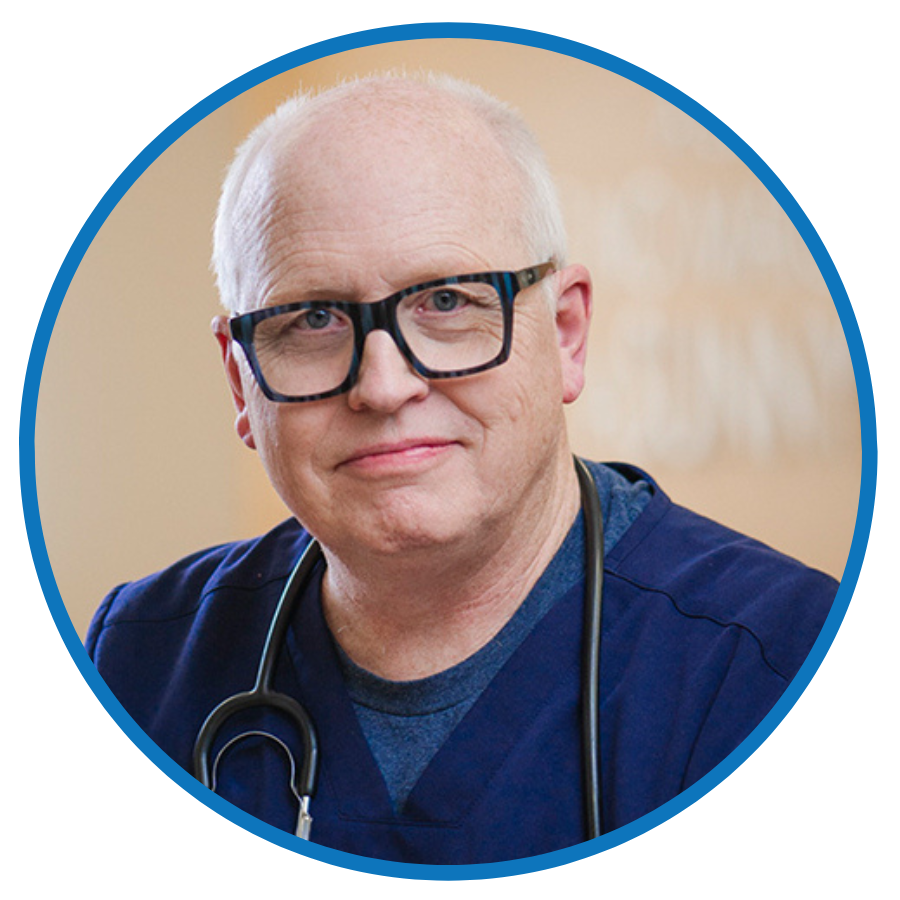
Many patients with SCLC have a high symptom burden, poor prognosis, adherence challenges due to treatment-related adverse events, stigmatization, and emotional distress. Clinical trials are taking place across the country for patients with all stages of small cell lung cancer. CANCER BUZZ spoke to David Waterhouse, MD, MPH, Medical Oncologist and Hematologist at the Dana-Farber Brigham Cancer Center, Milford Regional Medical Center in Milford, MA. Hear how to engage patients in clinical trials and address barriers.

Guests:

David Waterhouse, MD, MPH
Medical Oncologist and Hematologist
Dana-Farber Brigham Cancer Center
Milford Regional Medical Center
Milford, MA

“Eighty-five percent (85%) of cancer care is being done in the community, not at academic centers such as ours. And so, you have to be able to meet the patient where they are. I don’t think we do a very good job of that right now, as an oncologic community.”

Resources:

  • Cancer Support Community
  • ClinicalTrials.gov
  • Go2 for Lung Cancer
  • LUNGEVITY
  • Lung Cancer Research Foundation


Transcript

CANCER BUZZ: Welcome back to CANCER BUZZ TV. I'm your host, Summer Johnson. Historically, patients with small cell lung cancer have had limited treatment options, but in the past few years, the FDA has approved several treatments. This is a big development in cancer care, but patients with small cell Lung cancer still have barriers to getting treatment and participating in trials, not to mention the decline in screening and diagnosis.

So how do we engage more of these patients in clinical trials? We'll ask our guest today. David Waterhouse is a medical oncologist and hematologist at the Milford Regional Medical Center in Milford, Massachusetts. Thank you so much for speaking with us today, Dr. Waterhouse.

What criteria are used for patient eligibility for small cell lung cancer clinical trials?

David Waterhouse, MD, MPH: The eligibility for clinical trials are often dependent upon the intent of the trial and also the stage of the patient being treated. So in small cell, it's often limited to either limited disease or extensive disease. Although there have been a few clinical trials looking at a quote unquote “maintenance” type of strategy. Clinical trials criteria often look just like all the other clinical trials criteria. There'll be a comment about the stage of the disease and how that is to be defined.

There will be a section dedicated to performance status. All too often ECOG zero and one. There'll be tissue eligibility requirements for some of these studies. So whether you need biomarker testing or centralized testing, or you have to provide “x” number of slides for the scientific review. And then there's also exclusion criteria. The patients will have to have adequate bone marrow support, adequate renal function, adequate hepatic function.

The eligibility and ineligibility requirements often have been criticized because they are part of the root cause – why our trials don't look like the people we treat. Not all patients can meet that eligibility, but when we get out into practice, we still got to treat these people.

CANCER BUZZ: Why are clinical trials so important with this particular cancer?

David Waterhouse, MD, MPH: There is something a little bit unique about patients with small cell lung cancer. First of all, this is a disease that's seen largely in smokers. So you are still up against the, the barrier of this was a self-inflicted disease. So there is some remorse, there is some anger. There is almost a, a feeling like, well, I brought this upon myself, you know, there's not much I can do about it.

And you have to work with them to let them know it doesn't do them any good to look backwards. If we're going to make any progress, you got to look forward. The second thing is they do present sicker than your average lung cancer. This is a disease that comes on explosively. You are fine one minute and you are very sick the next. And that timeframe is usually measured in days and weeks, not months and years, so the patient is in a distressful point already.

They've had an explosive disease come on them, somebody in their family has Googled this and already saw the five year survival is abysmal. So that's already been shared, you know, by their cousin who's a, you know, physical therapist or something. And these patients start from behind the eight ball right at the beginning. And that is a challenge to put them on. If they are hospitalized, many institutions don't allow their trials inside the hospital, certainly in the community, and let's be honest, 80% or 85% of our care is being done in the community, not at academic centers such as ours.

So you have to be able to meet the patient where they are. And I don t think we do a very good job of that right now as an oncologic community, I would like us to do a better job and have been an advocate for decentralization of Trials.

CANCER BUZZ: Dr. Waterhouse, what are the opportunities to make small cell lung cancer trials more accessible to providers and patients in the community? Do you think we're missing those opportunities?

David Waterhouse, MD, MPH: I'll start with, are we missing opportunities? We definitely are missing opportunities. The first thing is we make the patient go to the trial. We have to find a way of bringing the trials to the patient. These are sick people. And to try and have to make them go to some large academic center, which may be hundreds of miles away when they're treating oncologists is close to home. We have to find a way of bringing the trials to the patients and to their providers.

The second thing we have to do is we have to make our eligibility criteria and ineligibility criteria more mirror the populations that we are treating. They are a sicker population And. So broadening the eligibility is another very important step. Another step is the trial design itself. All too often these patients have to be treated rapidly. And when you have a process that takes days, actually weeks to work a patient through it, you've missed the opportunity to enroll them.

So sometimes you know the patient is hospitalized and they need treatment right away. Well, the doc is just going to start the treatment. But now by starting a treatment, you've made them ineligible. So allowing for some initial therapy is another way, especially an extensive disease where we might be able to improve enrollment. Everyone wants a very clean, simple trial design.

Everything we do to complicate the trial means patients won't get on the study And. So I think that the people who are designing the trials really need to get down in the, in the weeds with those of us who are actually treating these patients to be more pragmatic in the design so that we can get every patient on a trial and we can make every doctor a trial list.

CANCER BUZZ: How do you engage in shared decision making when discussing treatment options like clinical trials?

David Waterhouse, MD, MPH: Well, every discussion with every patient ought to be shared decision making. Because at the end of the day, it's not us who has to take the chemotherapy or the treatment, it's going to be the patient. So that includes giving them all of their options, even if I may have my own bias what I want them to do, but I have to be a fair and balanced presenter to them about all the options that might be available to them. And that does include clinical trials when available. And if I don't have a clinical trials, I need to tell them where they could go to get a clinical trials.

If you, you listen to doctors all claim that they follow NCCN guidelines. And if you look at every NCCN guideline, it states that the best care for a patient is a clinical trials. I fully believe in that, and I will look for a trial for every one of my patients at every stage of their disease. And I do tell the patient that sometimes they will hear the word Guinea pig if they hear the word clinical trials.

And that gives them a very negative feeling. Other people will hear cutting edge, and I very point blank tell them, I hear cutting edge, but if you're hearing Guinea pig, we need to talk about it. And why I don't hear Guinea pig and why I hear cutting edge. So I ask him, when I said, clinical trials, what did you think? And that often it, it opens up a conversation with myself, the patient, often their family, because sometimes it's not what the fam the patient thinks.

It's also the people who influence the patient that become very important in the decision process.

CANCER BUZZ: Thank you, Dr. Waterhouse. If you'd like to learn more about our topic today, you can click on the resources in the show notes. This show is a resource of the Association of Community Cancer Centers developed for busy cancer professionals like you. On behalf of all of us here at CANCER BUZZ TV, thank you for watching. I'm Summer Johnson.

Related Content

Innovation in Action: Breaking Down the 2025 ACCC Impact Report – [Mini Podcast] Ep. 228

April 10, 2026

Transforming Palliative Care in Oncology – [Video Podcast] Ep. 227

March 18, 2026

Streamlining Access to TIL Cell Therapy for Melanoma – [Podcast] Ep. 226

March 5, 2026

Policy in Practice: Change Hits the Clinic – [Podcast] Ep. 225

February 19, 2026

Addressing Psychosocial Distress With Psychedelic-Inspired Therapies – [Podcast] Ep. 224

February 9, 2026

Set Goals in Today’s Health Care Reality - [Podcast] Ep. 223

January 30, 2026

Plans for 2026: A Dialogue With ACCC’s Executive Director – [Video Podcast] Ep. 222

January 30, 2026

APPs Paving the Way in Leadership – [Podcast] Ep. 221

January 21, 2026

Upcoming Events

ACCC Oncology Reimbursement Meeting | Charleston
Oncology

ACCC Oncology Reimbursement Meeting | Charleston

In Person Meeting & NetworkingMay 6, 2026 at 8:00 AM EDT560 King Street, Charleston, SC, USAHyatt Place + Hyatt House Charleston - Historic District, Charleston
Register Now!
ACCC Oncology Reimbursement Meeting | St. Louis
Oncology

ACCC Oncology Reimbursement Meeting | St. Louis

In Person Meeting & NetworkingMay 13, 2026 at 8:00 AM CDT1335 South Lindbergh Boulevard, St. Louis, MO, USAHilton St. Louis Frontenac, St. Louis
Register Now!
ACCC 43rd National Oncology Conference
Oncology

ACCC 43rd National Oncology Conference

In Person Conference & ConventionOctober 21, 2026 at 8:00 AM MDT450 Summer St, Boston, MA 02210Omni Boston Hotel at the Seaport, Boston
Register Now!
RIOS 2026 Spring Symposium
Oncology

RIOS 2026 Spring Symposium

In Person Conference & ConventionMay 9, 2026 at 11:00 AM EDT4 Richmond Square, Providence, RI 02906, USAWaterman Grille, Providence
Register Now!
 HSCO 2026 May Dinner Symposium
Oncology

HSCO 2026 May Dinner Symposium

In Person Conference & ConventionMay 13, 2026 at 5:30 PM HST6600 Kalanianaʻole Highway suite 110, Honolulu, HI, USARoy's Restaurants – Hawaii Kai, Honolulu
Register Now!
WSOS 2026 Laramie Meeting
Oncology

WSOS 2026 Laramie Meeting

In Person Conference & ConventionMay 20, 2026 at 5:30 PM MDT222 South 22nd Street, Laramie, WY, USAUniversity of Wyoming – Rochelle Gateway Center, Laramie
Register Now!
IOS 2026 Welcome Reception
Oncology

IOS 2026 Welcome Reception

In Person Conference & ConventionMay 30, 2026 at 6:00 PM CDT1060 West Addison Street, Chicago, IL, USAWrigley Field, Chicago
Register Now!
WAHO 2026 Welcome Reception
Oncology

WAHO 2026 Welcome Reception

In Person Conference & ConventionMay 30, 2026 at 6:00 PM CDT1060 W Addison St, Chicago, IL, USAWrigley Field , Chicago
Register Now!
WSOS 2026 Rock Springs Meeting
Oncology

WSOS 2026 Rock Springs Meeting

In Person Conference & ConventionJune 9, 2026 at 5:30 PM MDT1675 Sunset Dr, Rock Springs, WY, USAHoliday Inn Rock Springs, Rock Springs
Register Now!
HSCO 2026 June Dinner Symposium
Oncology

HSCO 2026 June Dinner Symposium

In Person Conference & ConventionJune 10, 2026 at 5:30 PM HST3660 Waialae Ave, Honolulu, HI, USA3660 On The Rise, Honolulu
Register Now!
Advertisement
Advertisement

Trending Now on
ACCCBuzz Blog

Small Cell SMASHERS: How Community, Advocacy, and Emerging Science Are Changing the Narrative in Small Cell Lung Cancer

Small Cell SMASHERS: How Community, Advocacy, and Emerging Science Are Changing the Narrative in Small Cell Lung Cancer

Small Cell SMASHERS was founded in 2023 as a patient-centered advocacy and education community designed to challenge long-standing narratives about small cell lung cancer and restore a sense of voice, connection, and hope for patients and their loved ones.

Partnering to Deliver Targeted Treatment: Fox Chase Cancer Center and Omniscope

Partnering to Deliver Targeted Treatment: Fox Chase Cancer Center and Omniscope

ACCCBuzz spoke with Fox Chase Cancer Center to learn more about its partnership with Omniscope, a leader in advanced molecular profiling technology, in hopes of developing an assay that accurately predicts which patients will respond well to immunotherapy based on the presence of certain T-cell clones.

Innovation, Policy, and Partnership: Key Takeaways From the Inaugural ACCC Leadership Summit

Innovation, Policy, and Partnership: Key Takeaways From the Inaugural ACCC Leadership Summit

On Friday, April 17, ACCC welcomed oncology leaders from around the country to Washington, DC for the inaugural ACCC Leadership Summit, a forum designed for executive-level decision-makers to engage in strategic dialogue, peer-to-peer exchange, and actionable insights at the highest level of oncology leadership.

Bispecific Antibodies Are Moving Forward; So Are the Implementation Questions

Bispecific Antibodies Are Moving Forward; So Are the Implementation Questions

During the HOPA 2026 annual conference, ACCC brought together a small group of oncology pharmacists for a practical, candid conversation about challenges with the implementation of bispecific antibodies that was deeply grounded in real-world experience and what it takes to operationalize care.

View All ACCCBuzz Blogs

Join the Conversation

ACCC eXchange Digital Banner
Login