Myelodysplastic syndromes (MDS), a rare category of bone marrow disorders that may develop into acute myeloid leukemia, are categorized into risk groups ranging from very low to very high risk. However, this language can be misleading to patients. Low risk (LR) does not equate to low impact or lack of urgency. In this episode, CANCER BUZZ speaks with Amy DeZern, MD, MHS, from Sidney Kimmel Comprehensive Cancer Center, and Christin Blair DeStefano, MD, FACP, from Walter Reed National Military Medical Center, about the importance of aligning language and terminology regarding LR-MDS across academic and community settings. These experts candidly discuss their own collaboration and the importance of early conversations with patients to align expectations on goals, disease trajectory, and treatment sequencing.
“I really try and individualize [language] to a patient and their family, because I worry that sometimes the terminology ‘lower risk’ may not correctly convey the impact the disease is going to have on an individual human's life.” — Amy DeZern, MD, MHS
“Frequent reassessment—questioning our patients about quality of life and if we're meeting the goals they have—should be something that's readily reassessed, especially in the lower risk space, every 2 to 3 months, just to make sure we don't put anybody on autopilot.” — Amy De Zern, MD, MHS
“There's been such an explosion in understanding the molecular landscape of MDS and slicing and dicing it into different diseases that fall under the MDS umbrella. It has sometimes created a little bit of confusion.” — Christin Blair DeStefano, MD, FACP
Guest:


Amy DeZern, MD, MHS
Vice Chair for Hematologic Malignancies
Director, Bone Marrow Failure and MDS Program
Sidney Kimmel Comprehensive Cancer Center
Baltimore, MD

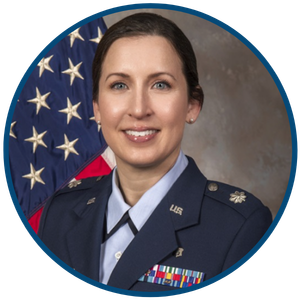
Christin Blair DeStefano, MD, FACP
Hematology/Oncology Division Director
Vice Chair of Clinical Research
Walter Reed National Military Medical Center
Bethesda, MD
Resources:
This podcast was made possible with support from Geron.
The views and opinions expressed herein are those of the author(s)/faculty member(s) and do not reflect the official policy or position of their employer(s) or the Association of Cancer Care Centers.
September 10, 2026




An at-home option for cervical cancer screening breaks down barriers to care and offers the same level of precision as screening in the clinic.