ACCC association of cancer care centers
Join/Renew
Login
Join/Renew
Login
Education & Resources
ACCC eXchange LogInCorporate Member Sponsored ResourcesPresentations & AbstractsPresident's ThemeACCC Connect eLearning LogIn
Publications
Oncology IssuesPatient Assistance & Reimbursement GuideTrending Now in Cancer Care
Events
2026 ACCC Leadership SummitAnnual Meeting & Cancer Center Business SummitCapitol Hill DayNational Oncology ConferenceOncology Reimbursement MeetingsOncology State Society Meetings
Policy & Advocacy
2024 Policy Wrap-Up and ACCC 2025 Policy PrioritiesLetters & StatementsAccess, Payment & Reimbursement ReformWhite Bagging & Brown BaggingAdvocacy ResourcesCancer Moonshot
Membership
Join | RenewWho We AreMembership Types & BenefitsCorporate MembersACCC Member Portal FAQMember Directory
Partners
Oncology State SocietiesPartner OrganizationsCME
News
News ReleasesAdvocacy News ReleasesOncology News
About ACCC
Timeline / 50th Anniversary2025 Impact ReportACCC Innovator AwardsACCC FellowsACCC Senior Staff
Breast CancerMetastatic Breast Cancer
Gastrointestinal CancerBiliary Tract CancerColorectal CancerGastric CancerLiver Cancer
Genitourinary CancerBladder CancerProstate CancerRenal Cell Carcinoma
Gynecologic CancerOvarian Cancer
Head & Neck Cancer
Hematologic MalignanciesAcute Lymphocytic Leukemia (ALL)Acute Myeloid Leukemia (AML)Chronic Lymphocytic Leukemia (CLL)Mantle Cell Lymphoma (MCL)Multiple Myeloma (MM)Myelodysplastic Syndromes (MDS)
Lung CancerNon-Small Cell Lung Cancer (NSCLC)Small Cell Lung Cancer (SCLC)
Sarcoma
Skin CancerMelanomaNon-Melanoma Skin Cancers (NMSC)
Clinical Practice & TreatmentCancer DiagnosticsCare CoordinationEHR Integration for Biomarker TestingQuality Improvement Collaboration: Integration of Precision Medicine in Community OncologyTreatment
Financial NavigationFAN Boot CampFinancial Advocacy Network (FAN) Resource LibraryPatient Assistance & Reimbursement GuidePrior Authorization
Health Equity & Access3, 2, 1, Go! Practical Solutions for Addressing Cancer Care DisparitiesAppalachian Community Cancer AllianceOncology Advanced PractitionersPersonalizing Care for Patients of All BackgroundsSocial Drivers of Health
Patient-Centered CareAddressing Care Disparities for VeteransAdolescent and Young Adult (AYA)Care Action Plans for People with CancerDermatologic ToxicitiesEmpowering CaregiversGeriatric OncologyHealth LiteracyNutritionOncology PharmacyPatient NavigationPsychosocial Care in OncologyShared Decision-MakingSupportive CareSurvivorship Care
Practice Management & OperationsCancer Program FundamentalsLeadership Sustainment and Engagement VideosOncology Practice Transformation and Integration CenterOncology Team Resiliency
ResearchACCC Community Oncology Research Institute (ACORI)
Technology & InnovationTelehealth & Digital Medicine
ACCCBuzz Blog
CANCER BUZZ Podcast
Oncology Issues
Join/Renew
Login
Breast CancerMetastatic Breast Cancer
Gastrointestinal CancerBiliary Tract CancerColorectal CancerGastric CancerLiver Cancer
Genitourinary CancerBladder CancerProstate CancerRenal Cell Carcinoma
Gynecologic CancerOvarian Cancer
Head & Neck Cancer
Hematologic MalignanciesAcute Lymphocytic Leukemia (ALL)Acute Myeloid Leukemia (AML)Chronic Lymphocytic Leukemia (CLL)Mantle Cell Lymphoma (MCL)Multiple Myeloma (MM)Myelodysplastic Syndromes (MDS)
Lung CancerNon-Small Cell Lung Cancer (NSCLC)Small Cell Lung Cancer (SCLC)
Sarcoma
Skin CancerMelanomaNon-Melanoma Skin Cancers (NMSC)
Clinical Practice & TreatmentCancer DiagnosticsCare CoordinationEHR Integration for Biomarker TestingQuality Improvement Collaboration: Integration of Precision Medicine in Community OncologyTreatment
Financial NavigationFAN Boot CampFinancial Advocacy Network (FAN) Resource LibraryPatient Assistance & Reimbursement GuidePrior Authorization
Health Equity & Access3, 2, 1, Go! Practical Solutions for Addressing Cancer Care DisparitiesAppalachian Community Cancer AllianceOncology Advanced PractitionersPersonalizing Care for Patients of All BackgroundsSocial Drivers of Health
Patient-Centered CareAddressing Care Disparities for VeteransAdolescent and Young Adult (AYA)Care Action Plans for People with CancerDermatologic ToxicitiesEmpowering CaregiversGeriatric OncologyHealth LiteracyNutritionOncology PharmacyPatient NavigationPsychosocial Care in OncologyShared Decision-MakingSupportive CareSurvivorship Care
Practice Management & OperationsCancer Program FundamentalsLeadership Sustainment and Engagement VideosOncology Practice Transformation and Integration CenterOncology Team Resiliency
ResearchACCC Community Oncology Research Institute (ACORI)
Technology & InnovationTelehealth & Digital Medicine
ACCCBuzz Blog
CANCER BUZZ Podcast
Oncology Issues
    • Education & Resources
    • Publications
    • Events
    • Policy & Advocacy
    • Membership
    • Partners
    • News
    • About ACCC
ACCC association of cancer care centers
1801 Research Boulevard, Suite 400, Rockville, MD 20850
Tel: 301.984.9496 Fax: 301.770.1949 Email Us
Contact UsVolunteers
Advertise
Career Center
Terms and Conditions
Privacy Policy
ACCC Rebranding
Copyright © 2026 Association of Cancer Care Centers. All Rights Reserved.
Advertisement

Blog

Article

August 1, 2024

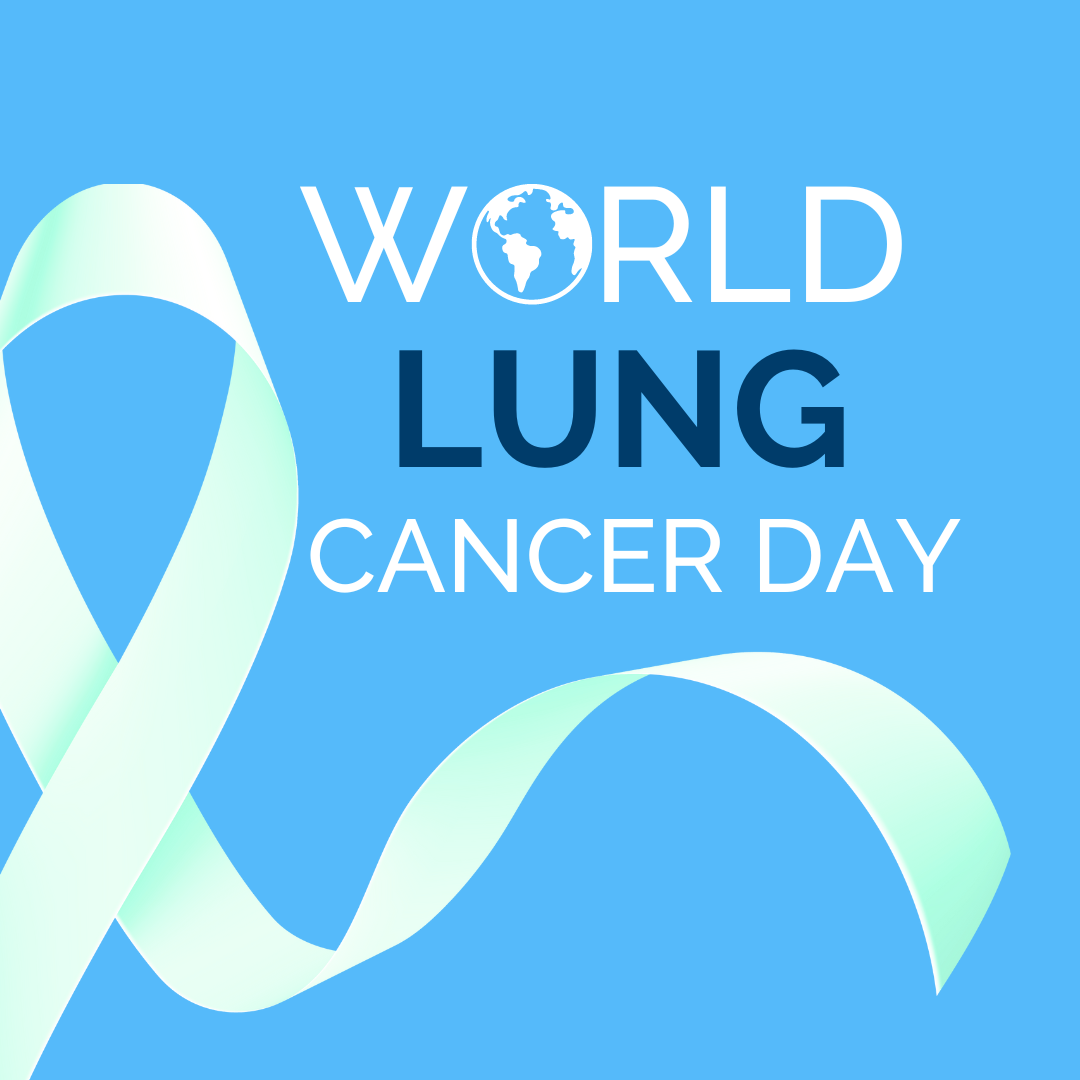
ACCC Honors World Lung Cancer Day: Where Passion Meets Innovation

ACCC recognizes August 1st as World Lung Cancer Day through its past Innovator Award winners.
ACCC Honors World Lung Cancer Day: Where Passion Meets Innovation

Lung cancer was considered a rare disease when first identified by physicians in the early 19th century, but by the end of the 20th century, it had become the leading cause of cancer-related deaths among men in more than 25 countries. Currently, about 1 person is diagnosed with lung cancer every 2 minutes in the United States. More people in the US lose their lives to lung cancer than colon, prostate, and breast cancer combined, making it the deadliest cancer in the country.

Recognizing the disease landscape is important as August 1st marks World Lung Cancer Day. This year, ACCCBuzz is recognizing the Association of Cancer Care Centers (ACCC) members, who have recently received ACCC Innovator Awards for their pioneering work to improve the screening, diagnosis, and treatment of lung cancer.

St. Elizabeth Cancer Center

The correlation between smoking and lung cancer is well documented. However, smoking rates remain high in many states. As of 2022, the adult smoking rate in Kentucky was 21.4% and high school tobacco usage sat at 29.7%. “Kentucky has a tremendous problem with tobacco abuse. We are probably one of the top 2 states for smoking rates,” said Michael Gieske, MD, medical director of Lung Cancer Screening at St. Elizabeth Health Care. “When I started practice 37 years ago, we had a smoking section in our waiting room and patients were in there smoking, the lead physician smoked, and a lot of the employees smoked.” According to Dr. Gieske, tobacco is woven into the fabric of the state’s culture and economy. “It is hard to separate that,” he explained. “We have been working hard for many years to unweave that, but it’s a challenge.”

Dr. Gieske is no stranger to undertaking challenging tasks. As an ardent hiker and backpacker, journeying to Mount Everest Base Camp was always on his bucket list. “It was a 9-day trek, 9,000 feet climbing elevation and that was really remarkable,” Dr. Gieske said. When he thought about turning back the perseverance of those battling lung cancer fueled his determination. That passion is epitomized in the center’s 2023 ACCC Innovator Award win, for a model that demonstrated sustainable outreach for cancer screening. The driving mission behind this initiative had a significant impact on their patient population as the proportion of late-stage (III/IV) lung cancer fell 23.1% between 2015 and 2022.

Oncology Hematology Care, Inc.

The largest contributor to the increase of the 5-year survival rate of patients with lung cancer in the US—from 21% in 2014 to 25% in 2018—is the use of novel biomarker targeted therapies in patients with metastatic non–small cell lung cancer. The disease subtype represents 85% of all lung cancer diagnoses.

Understanding this, Oncology Hematology Care, Inc. (OHC) launched a 1-year quality improvement project that implemented and standardized comprehensive biomarker testing in patients with metastatic non-small cell lung cancer. Custom data reports and monitoring dashboards ensured practice-wide adoption and sustainability across multiple clinic sites. After increasing biomarker testing rates from 68% to 92.7%, this project is now being scaled across the country through the US Oncology Network, McKesson as a best-practice initiative.

This initiative earned OHC a 2023 ACCC Innovator Award and Molly Mendenhall, RN, BSN, director of Quality and Compliance at OHC, believes it is a model that can benefit patients with lung cancer around the country. “The cool thing about this project is that it can be implemented at little to no cost,” she said. “There are things cancer programs and practices could do today to roll this program out tomorrow.”

Maine Medical Center Cancer Institute

The term “patient-centered care,” has become common in modern health care discourse. But for Maine Medical Center Cancer Institute, it is more than a word—it is a value they prioritize in their care delivery model. According to Theresa Roelke, MSN, RN, AGNP-C, geriatric nurse practitioner, Maine Medical Center Cancer Institute, when patients receive news of a lung nodule after screening, they are often distressed. “What I was finding is that patients look at their radiology report and it looks pretty scary because they don't understand it,” she explained. “They don't understand the medical language, and they're at a loss.”

To help improve patient understanding before a possible diagnosis, Roelke partnered with an art student from Maine College of Art to design and implement a 3D model to illustrate to patients what a lung nodule resembles. “This tool is meant to educate patients before they even see their imaging report,” Roelke said.

Data showed that using this type of 3D educational tool facilitates high quality communication, improves patient knowledge about malignancy risk, reduces emotional distress, and improves quality of life. This model landed the center a 2020 ACCC Innovator Award and epitomizes their commitment to delivering patient-centered care. “We can build tools that encourage patient engagement, so we're not talking at them,” Roelke said. “We're helping patients truly understand what's happening within their bodies.”

To match the passion and drive of its membership, ACCC offers extensive resources that address the complex challenges in delivering quality lung cancer care. To view these essential resources, visit our website; you may also follow #ACCCWLCD on your preferred social media platform.

More from ACCC

  • Non-Small Cell Lung Cancer Resource Library
  • Biomarker Testing Toolkit Supplement: Lung Cancer
  • ACCC Recognizes World Lung Cancer Day
  • ACCC Commemorates World Lung Cancer Day—10 Years Strong
  • ACCC Recognizes World Lung Cancer Day: The Lasting Effect of a World War