ACCC association of cancer care centers
Join/Renew
Login
Join/Renew
Login
Education & Resources
ACCC eXchange LogInCorporate Member Sponsored ResourcesPresentations & AbstractsPresident's ThemeACCC Connect eLearning LogIn
Publications
Oncology IssuesPatient Assistance & Reimbursement GuideTrending Now in Cancer Care
Events
2026 ACCC Leadership SummitAnnual Meeting & Cancer Center Business SummitCapitol Hill DayNational Oncology ConferenceOncology Reimbursement MeetingsOncology State Society Meetings
Policy & Advocacy
2024 Policy Wrap-Up and ACCC 2025 Policy PrioritiesLetters & StatementsAccess, Payment & Reimbursement ReformWhite Bagging & Brown BaggingAdvocacy ResourcesCancer Moonshot
Membership
Join | RenewWho We AreMembership Types & BenefitsCorporate MembersACCC Member Portal FAQMember Directory
Partners
Oncology State SocietiesPartner OrganizationsCME
News
News ReleasesAdvocacy News ReleasesOncology News
About ACCC
Timeline / 50th Anniversary2025 Impact ReportACCC Innovator AwardsACCC FellowsACCC Senior Staff
Breast CancerMetastatic Breast Cancer
Gastrointestinal CancerBiliary Tract CancerColorectal CancerGastric CancerLiver Cancer
Genitourinary CancerBladder CancerProstate CancerRenal Cell Carcinoma
Gynecologic CancerOvarian Cancer
Head & Neck Cancer
Hematologic MalignanciesAcute Lymphocytic Leukemia (ALL)Acute Myeloid Leukemia (AML)Chronic Lymphocytic Leukemia (CLL)Mantle Cell Lymphoma (MCL)Multiple Myeloma (MM)Myelodysplastic Syndromes (MDS)
Lung CancerNon-Small Cell Lung Cancer (NSCLC)Small Cell Lung Cancer (SCLC)
Sarcoma
Skin CancerMelanomaNon-Melanoma Skin Cancers (NMSC)
Clinical Practice & TreatmentCancer DiagnosticsCare CoordinationEHR Integration for Biomarker TestingQuality Improvement Collaboration: Integration of Precision Medicine in Community OncologyTreatment
Financial NavigationFAN Boot CampFinancial Advocacy Network (FAN) Resource LibraryPatient Assistance & Reimbursement GuidePrior Authorization
Health Equity & Access3, 2, 1, Go! Practical Solutions for Addressing Cancer Care DisparitiesAppalachian Community Cancer AllianceOncology Advanced PractitionersPersonalizing Care for Patients of All BackgroundsSocial Drivers of Health
Patient-Centered CareAddressing Care Disparities for VeteransAdolescent and Young Adult (AYA)Care Action Plans for People with CancerDermatologic ToxicitiesEmpowering CaregiversGeriatric OncologyHealth LiteracyNutritionOncology PharmacyPatient NavigationPsychosocial Care in OncologyShared Decision-MakingSupportive CareSurvivorship Care
Practice Management & OperationsCancer Program FundamentalsLeadership Sustainment and Engagement VideosOncology Practice Transformation and Integration CenterOncology Team Resiliency
ResearchACCC Community Oncology Research Institute (ACORI)
Technology & InnovationTelehealth & Digital Medicine
ACCCBuzz Blog
CANCER BUZZ Podcast
Oncology Issues
Join/Renew
Login
Breast CancerMetastatic Breast Cancer
Gastrointestinal CancerBiliary Tract CancerColorectal CancerGastric CancerLiver Cancer
Genitourinary CancerBladder CancerProstate CancerRenal Cell Carcinoma
Gynecologic CancerOvarian Cancer
Head & Neck Cancer
Hematologic MalignanciesAcute Lymphocytic Leukemia (ALL)Acute Myeloid Leukemia (AML)Chronic Lymphocytic Leukemia (CLL)Mantle Cell Lymphoma (MCL)Multiple Myeloma (MM)Myelodysplastic Syndromes (MDS)
Lung CancerNon-Small Cell Lung Cancer (NSCLC)Small Cell Lung Cancer (SCLC)
Sarcoma
Skin CancerMelanomaNon-Melanoma Skin Cancers (NMSC)
Clinical Practice & TreatmentCancer DiagnosticsCare CoordinationEHR Integration for Biomarker TestingQuality Improvement Collaboration: Integration of Precision Medicine in Community OncologyTreatment
Financial NavigationFAN Boot CampFinancial Advocacy Network (FAN) Resource LibraryPatient Assistance & Reimbursement GuidePrior Authorization
Health Equity & Access3, 2, 1, Go! Practical Solutions for Addressing Cancer Care DisparitiesAppalachian Community Cancer AllianceOncology Advanced PractitionersPersonalizing Care for Patients of All BackgroundsSocial Drivers of Health
Patient-Centered CareAddressing Care Disparities for VeteransAdolescent and Young Adult (AYA)Care Action Plans for People with CancerDermatologic ToxicitiesEmpowering CaregiversGeriatric OncologyHealth LiteracyNutritionOncology PharmacyPatient NavigationPsychosocial Care in OncologyShared Decision-MakingSupportive CareSurvivorship Care
Practice Management & OperationsCancer Program FundamentalsLeadership Sustainment and Engagement VideosOncology Practice Transformation and Integration CenterOncology Team Resiliency
ResearchACCC Community Oncology Research Institute (ACORI)
Technology & InnovationTelehealth & Digital Medicine
ACCCBuzz Blog
CANCER BUZZ Podcast
Oncology Issues
    • Education & Resources
    • Publications
    • Events
    • Policy & Advocacy
    • Membership
    • Partners
    • News
    • About ACCC
ACCC association of cancer care centers
1801 Research Boulevard, Suite 400, Rockville, MD 20850
Tel: 301.984.9496 Fax: 301.770.1949 Email Us
Contact UsVolunteers
Advertise
Career Center
Terms and Conditions
Privacy Policy
ACCC Rebranding
Copyright © 2026 Association of Cancer Care Centers. All Rights Reserved.
Advertisement

Blog

Article

January 7, 2025

A Global Perspective: Caring for Patients in Low- and Middle-Income Countries

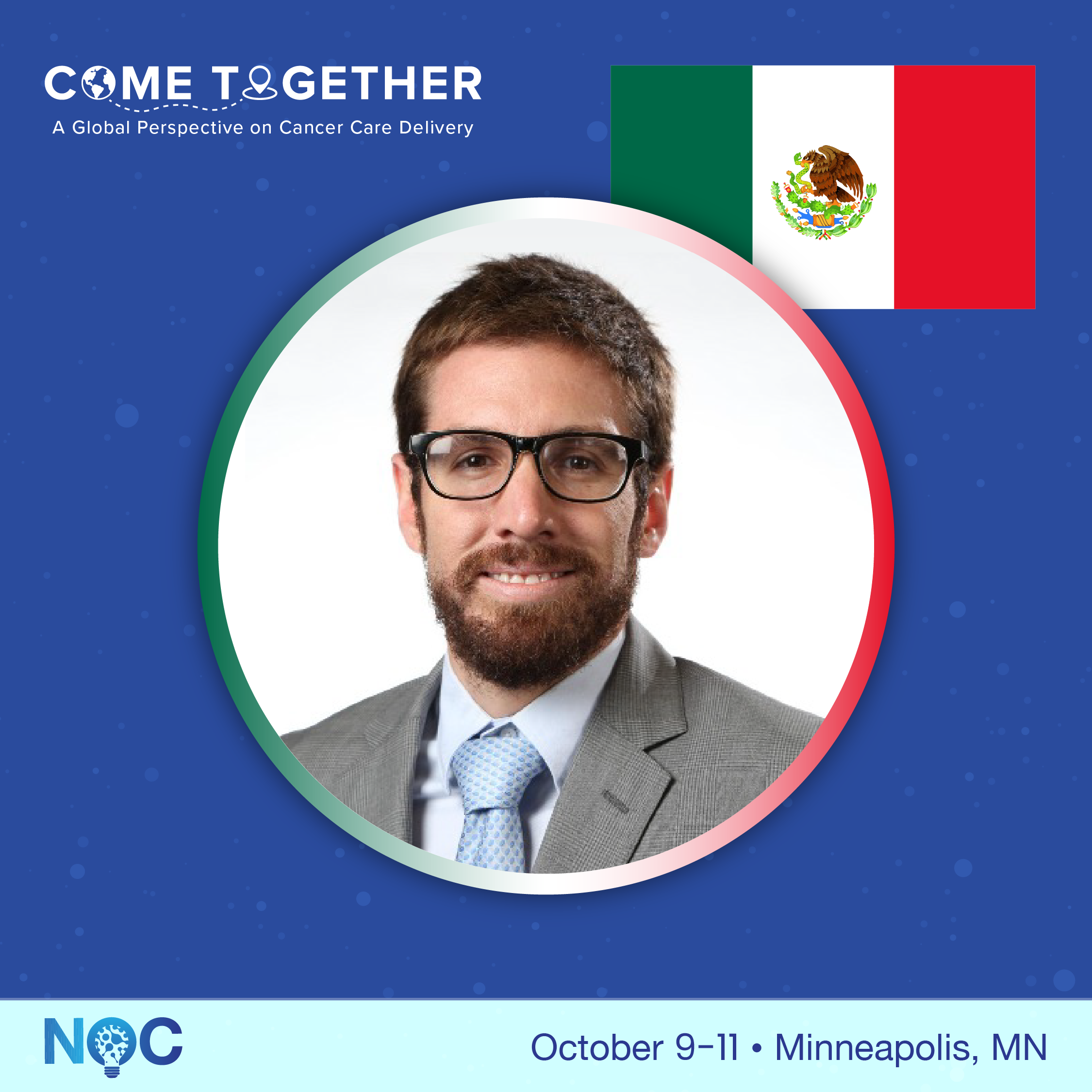
In honor of the National Oncology Conference's inaugural international panel, ACCC spoke with Dr. Enrique Soto Pérez de Celis for his insight on caring for a diverse array of patients in Mexico and the United States.
A Global Perspective: Caring for Patients in Low- and Middle-Income Countries

In honor of the inaugural international panel at the Association of Cancer Care Centers’ (ACCC) 41st National Oncology Conference, ACCCBuzz spoke with Enrique Soto Pérez de Celis, MD, PhD, associate director for global oncology, University of Colorado Cancer Center, to gain further insight into his experience caring for patients with cancer in Mexico and the US.

ACCCBuzz: Please tell us a little about your background, why you chose to practice in oncology, and what inspires you about caring for patients with cancer?

Dr. Soto: In my second year in internal medicine training, I was assigned to the geriatrics ward at my institution. There, I took care of many older patients with cancer. I noticed that there was an enormous need for the creation of specialized interdisciplinary services that integrated geriatric expertise and supportive care into oncology to provide care for those patients, as well as for research to generate evidence on how to treat them. I decided that I would specialize in oncology and then in geriatric oncology in order to develop a clinic at my institution, and that is what I ended up doing!

My biggest inspiration is being able to help patients go through such a difficult time as dealing with a cancer diagnosis, and providing them with the information and tools to make decisions that align with their preferences and values.

ACCCBuzz: What are some of your suggestions when caring for patients, particularly in low- and middle-income countries?

Dr. Soto: As someone who has cared for patients both in a high-income and in a middle-income country, I can honestly say that the needs of patients, such as minimizing the risk of toxicity, taking care of their families, or making sure that they will be financially protected, are almost the same regardless of where they live.

I think that the most valuable suggestion I can give is to approach shared decision making with humility, to make a real effort to get to know patients and what they value the most, and to then use our knowledge to provide them with care that aligns with those values.

ACCCBuzz: How do you foster international collaboration to improve cancer care globally?

Dr. Soto: Global collaborations offer a valuable opportunity for mutual learning and innovation. While researchers in the U.S. and other high-income countries can partner with colleagues in low- and middle-income nations to enhance care in those regions, there's also significant potential to bring back lessons from their approaches and apply them in high-income settings. These collaborations can lead to the recruitment of more diverse populations into trials, to a better understanding of societal influences on cancer care, and to the development of more cost-effective techniques.

Whether in basic, clinical, or implementation science, adopting a global perspective is crucial for advancing research and fostering innovative solutions. For example, during my time training in the US under my mentor, Dr. Arti Hurria, I was exposed to the concept of mobile monitoring. After going back to Mexico, and with help from Dr. Hurria and her team, I was able to design a model to implement a remote monitoring intervention among older patients with cancer getting chemotherapy.

Read more content from the inaugural international panel in the Day 3 NOC ACCCBuzz Blog.

Rachel Radwan is the Editorial Manager for the Association of Cancer Care Centers.