ACCC association of cancer care centers
Join/Renew
Login
Join/Renew
Login
Education & Resources
ACCC eXchange LogInCorporate Member Sponsored ResourcesACCC eLearning LogInPresentations & Abstracts
Publications
Oncology IssuesPatient Assistance & Reimbursement GuideTrending Now in Cancer CareBusiness Case Studies for Hiring New Staff
Events
2026 ACCC Leadership SummitAnnual Meeting & Cancer Center Business SummitCapitol Hill DayNational Oncology ConferenceOncology Reimbursement MeetingsOncology State Society Meetings
Policy & Advocacy
ACCC 2026 Policy PrioritiesLetters & StatementsAccess, Payment & Reimbursement ReformWhite Bagging & Brown BaggingAdvocacy ResourcesCancer Moonshot
Membership
Join | RenewWho We AreMembership Types & BenefitsCorporate MembersACCC Member Portal FAQMember Directory
Partners
Oncology State SocietiesPartner OrganizationsCME
News
News ReleasesAdvocacy News ReleasesOncology News
About ACCC
Timeline / 50th Anniversary2025 Impact ReportPresident's ThemeACCC Innovator AwardsACCC FellowsBoard of TrusteesACCC Senior Staff
Breast CancerMetastatic Breast Cancer
Gastrointestinal CancerBiliary Tract CancerColorectal CancerGastric CancerLiver Cancer
Genitourinary CancerBladder CancerProstate CancerRenal Cell Carcinoma
Gynecologic CancerOvarian Cancer
Head & Neck Cancer
Hematologic MalignanciesAcute Lymphocytic Leukemia (ALL)Acute Myeloid Leukemia (AML)Chronic Lymphocytic Leukemia (CLL)Mantle Cell Lymphoma (MCL)Multiple Myeloma (MM)Myelodysplastic Syndromes (MDS)
Lung CancerNon-Small Cell Lung Cancer (NSCLC)Small Cell Lung Cancer (SCLC)
Sarcoma
Skin CancerMelanomaNon-Melanoma Skin Cancers (NMSC)
Clinical Practice & TreatmentCancer DiagnosticsCare CoordinationEHR Integration for Biomarker TestingQuality Improvement Collaboration: Integration of Precision Medicine in Community OncologyTreatment
Financial NavigationFAN Boot CampFinancial Advocacy Network (FAN) Resource LibraryPatient Assistance & Reimbursement GuidePrior Authorization
Health Equity & Access3, 2, 1, Go! Practical Solutions for Addressing Cancer Care DisparitiesAppalachian Community Cancer AllianceOncology Advanced PractitionersPersonalizing Care for Patients of All BackgroundsSocial Drivers of Health
Patient-Centered CareAddressing Care Disparities for VeteransAdolescent and Young Adult (AYA)Care Action Plans for People with CancerDermatologic ToxicitiesEmpowering CaregiversGeriatric OncologyHealth LiteracyNutritionOncology PharmacyPatient NavigationPsychosocial Care in OncologyShared Decision-MakingSupportive CareSurvivorship Care
Practice Management & OperationsCancer Program FundamentalsLeadership Sustainment and Engagement VideosOncology Practice Transformation and Integration CenterOncology Team Resiliency
ResearchACCC Community Oncology Research Institute (ACORI)
Technology & InnovationTelehealth & Digital Medicine
ACCCBuzz Blog
CANCER BUZZ Podcast
Oncology Issues
Join/Renew
Login
Breast CancerMetastatic Breast Cancer
Gastrointestinal CancerBiliary Tract CancerColorectal CancerGastric CancerLiver Cancer
Genitourinary CancerBladder CancerProstate CancerRenal Cell Carcinoma
Gynecologic CancerOvarian Cancer
Head & Neck Cancer
Hematologic MalignanciesAcute Lymphocytic Leukemia (ALL)Acute Myeloid Leukemia (AML)Chronic Lymphocytic Leukemia (CLL)Mantle Cell Lymphoma (MCL)Multiple Myeloma (MM)Myelodysplastic Syndromes (MDS)
Lung CancerNon-Small Cell Lung Cancer (NSCLC)Small Cell Lung Cancer (SCLC)
Sarcoma
Skin CancerMelanomaNon-Melanoma Skin Cancers (NMSC)
Clinical Practice & TreatmentCancer DiagnosticsCare CoordinationEHR Integration for Biomarker TestingQuality Improvement Collaboration: Integration of Precision Medicine in Community OncologyTreatment
Financial NavigationFAN Boot CampFinancial Advocacy Network (FAN) Resource LibraryPatient Assistance & Reimbursement GuidePrior Authorization
Health Equity & Access3, 2, 1, Go! Practical Solutions for Addressing Cancer Care DisparitiesAppalachian Community Cancer AllianceOncology Advanced PractitionersPersonalizing Care for Patients of All BackgroundsSocial Drivers of Health
Patient-Centered CareAddressing Care Disparities for VeteransAdolescent and Young Adult (AYA)Care Action Plans for People with CancerDermatologic ToxicitiesEmpowering CaregiversGeriatric OncologyHealth LiteracyNutritionOncology PharmacyPatient NavigationPsychosocial Care in OncologyShared Decision-MakingSupportive CareSurvivorship Care
Practice Management & OperationsCancer Program FundamentalsLeadership Sustainment and Engagement VideosOncology Practice Transformation and Integration CenterOncology Team Resiliency
ResearchACCC Community Oncology Research Institute (ACORI)
Technology & InnovationTelehealth & Digital Medicine
ACCCBuzz Blog
CANCER BUZZ Podcast
Oncology Issues
    • Education & Resources
    • Publications
    • Events
    • Policy & Advocacy
    • Membership
    • Partners
    • News
    • About ACCC
ACCC association of cancer care centers
5425 Wisconsin Ave #600, Chevy Chase, MD 20815
Tel: 301.984.9496 Email Us
Contact UsVolunteers
Advertise
Career Center
Terms and Conditions
Privacy Policy
ACCC Rebranding
Copyright © 2026 Association of Cancer Care Centers. All Rights Reserved.
HomeACCCBuzz Blog

A Powerful Practice: In-House Pantries Combat Food Insecurity for Patients With Cancer

August 28, 2024
Jessica Ridge

While 10% of households in the US report food insecurity, it's estimated that that between 17% and 55% of patients diagnosed with cancer are affected. Many cancer institutions and programs have taken it upon themselves to decrease the burden of patient food insecurity by initiating their own food pantries, with setups ranging from compact, utility-closet–based versions that include personal care products to larger-footprint, open-plan spaces designed to approximate a shopping experience.
A Powerful Practice: In-House Pantries Combat Food Insecurity for Patients With Cancer

Some of the things many of us take for granted—eating a banana or handful of blueberries as part of a hurried breakfast, snacking on carrots or an apple, or having a refrigerator full of produce from which to build a healthful dinner—aren’t as accessible to many patients undergoing treatment for cancer. That was an eye-opening revelation Laura Kerns, MPH, RD, senior clinical dietitian and Integrative Oncology Program manager at the Ochsner Health, Gayle and Tom Benson Cancer Center in New Orleans, described experiencing in a recent ACCC webinar, Supplying Security: How Food Pantries Empower Patients With Cancer, when she was confronted with data showing that only 20 patients out of 151 (who were surveyed by a separate Louisiana cancer center in 2016) indicated that they always had at least 1 daily serving of fruit or vegetables.

A Shift in Perspective

“This was a very humbling moment for me, as a dietitian,” Kerns said in the webinar. “This wasn’t meeting your 5-a-day, or now, as we talk more about, 7 to 10 servings a day of fruit and vegetables—this was just eating a fruit or vegetable in a given day.” But nutritional guidelines take a backseat when it’s a struggle to simply put food on the table. “I realized I had been telling patients [eat] fruits and vegetables [eat] more fiber, talking to them about their diets during their cancer treatment,” Kerns said. “And that might have been something that was not helpful, because it was unattainable or inaccessible to these patients.”

Approximately 10% of households in the US report food insecurity, according to 2020 numbers reported by the US Department of Agriculture. For patients diagnosed with cancer, it’s estimated that between 17% and 55% are affected. Many cancer institutions and programs have taken it upon themselves to decrease the burden of patient food insecurity by initiating their own food pantries, with setups ranging from compact, utility-closet–based versions that include personal care products to larger-footprint, open-plan spaces designed to approximate a shopping experience. Whatever their square footage, these in-house resources aim to combat the deleterious outcomes to which malnutrition can contribute—according to Kerns, these include compromised treatment efficacy as well as declines in mental health and increased annual health care costs—and to treat patients experiencing food insecurity with dignity.

Destigmatizing Pantry Patronage

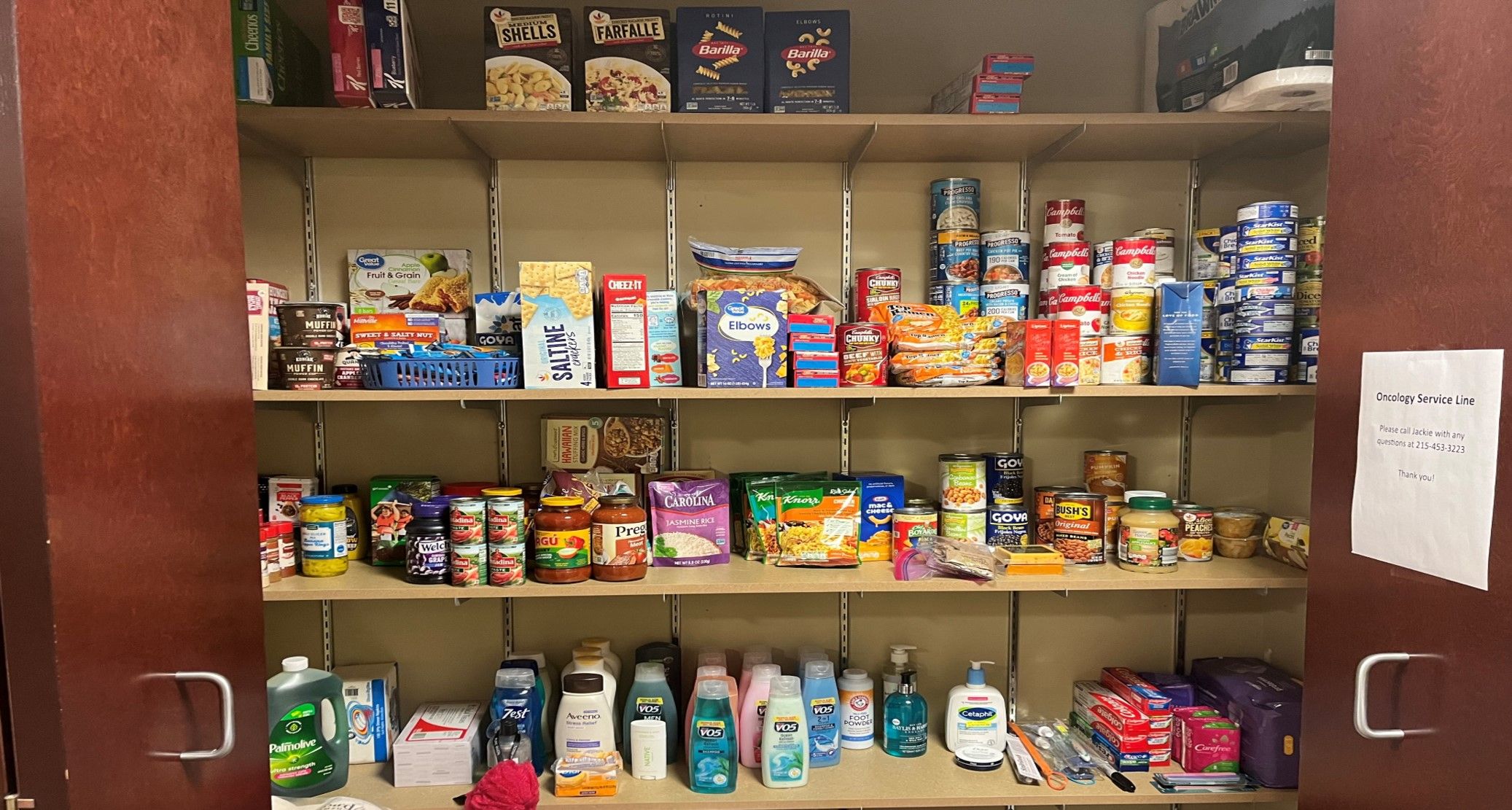
“Our space is bright and beautiful,” said Michelle Snell, hospital outpatient department associate at St. Elizabeth Healthcare in northern Kentucky. “It was very important to our leadership team to destigmatize the need to receive food. We wanted to provide an open shopping experience for our patients, so that they had the opportunity to choose the foods [that are] best for them and their families.” Housed in a former art studio, the 750-square-foot pantry is in a high-traffic, easily accessible area where patients and their family members can come and go as they please, with no referral needed. Since the pantry opened, it has provided more than 42,000 pounds of food—including bags of pesticide-free greens courtesy of local business 80 Acres Farms—to approximately 5,600 individuals.

Smaller, more controlled operations can be equally effective at connecting patients with the sustenance they need. “I like to say we are small but mighty,” said Aimee Hoch, MSW, LSW, OSW-C, FACCC, who moderated the webinar and is an oncology financial navigator at Grand View Health in Sellersville, Pennsylvania, about the pantry she helped build with no external funding. The pantry is stocked primarily through donations by cancer program staff and other department staff and operates with thoughtful discretion. Patients who screen positive for food insecurity select on a tablet the items they’d like to receive, then staff fill a bag with the requested items from the pantry and present it to the patient. “Our goal was to try to keep it as discreet as possible when going from the food pantry to the patient and as they move throughout our cancer program,” Hoch said. Plans are in the works to streamline the intake process by partnering with community food pantries to link patients to those pantries without requiring an additional appointment.

Logistics and Other Considerations

The webinar delved into special concerns that can vary by program site, as well as universal considerations. At Ochsner Cancer Institute on the Louisiana Gulf Coast, where hurricanes are a threat, generator backup for pantry refrigerator-freezers is key to prevent food spoilage and waste due to power outages. For open-plan pantries, accessibility for patients who use walkers and wheelchairs is another thing to be mindful of, as well as minimizing disruptions to a clinic’s flow of traffic if a non-patient care space is available. Staffing is yet another practical dimension of implementation—will the pantry’s upkeep and tracking be handled by a volunteer, as at Grand View, or by staff or a combined team?

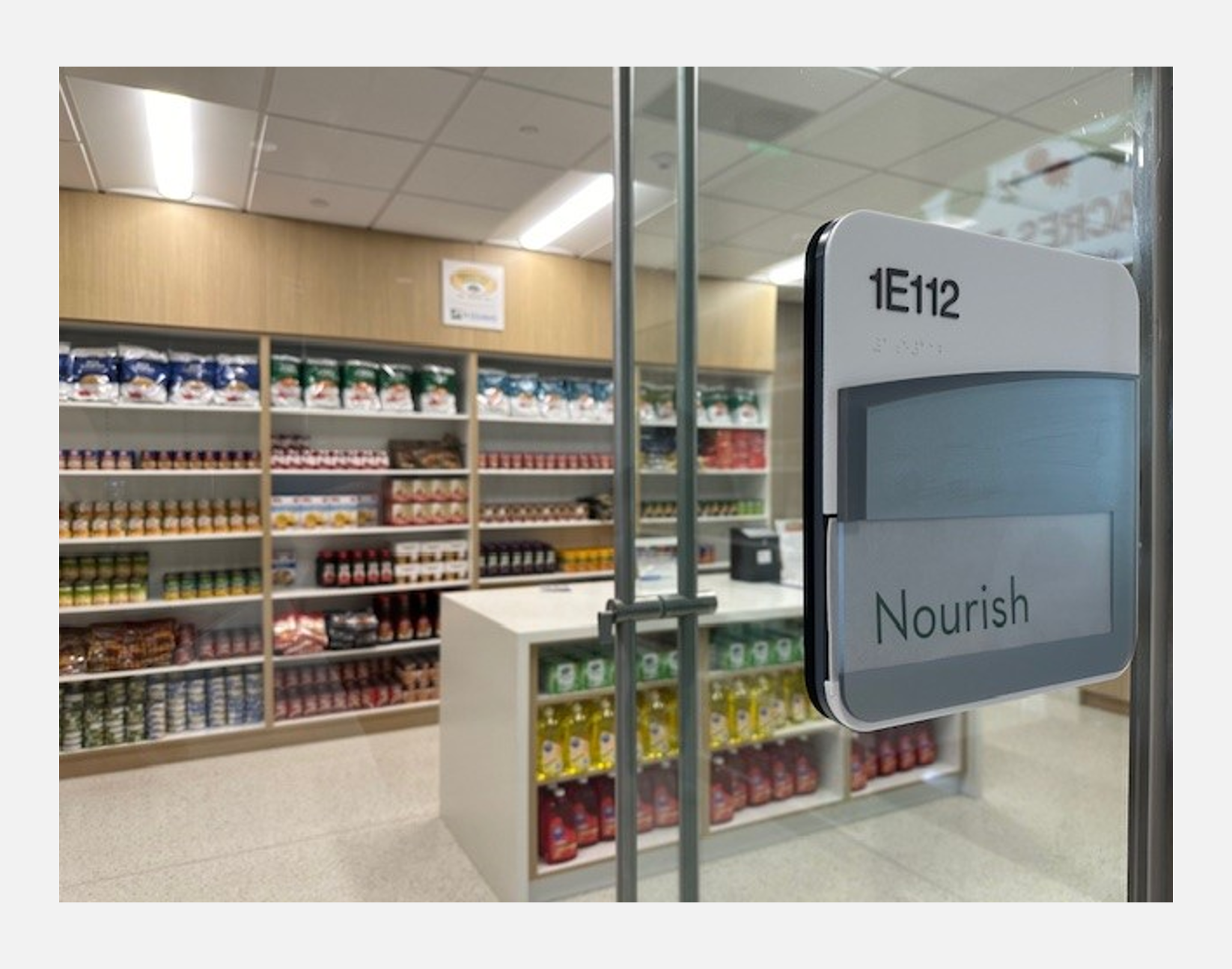
None of these considerations should stop a cancer program from starting up a pantry, though. As Hoch said, and illustrated with a photo of Grand View’s well-stocked space, “I promise that if you can find a closet, you can start a food pantry.”

Jessica Ridge is a content coordinator at the Association of Cancer Care Centers (ACCC).

Related Content

Transforming Access to Care Through Pre-Intake NavigationACCCBuzz Blog

Transforming Access to Care Through Pre-Intake Navigation

Rachel Radwan

August 6, 2026

An APP-Led Outpatient Bispecific Antibody ClinicACCCBuzz Blog

An APP-Led Outpatient Bispecific Antibody Clinic

Rachel Radwan

August 4, 2026

Advancing Critical Priorities at the State Level: Louisiana, Iowa, and Washington Awarded for Their Efforts at 2026 ASCO Annual Meeting

Upcoming Events

Virtual ACCC Oncology Reimbursement Meeting

Virtual ACCC Oncology Reimbursement Meeting

Virtual August 13, 2026 at 11:00 AM EDT
Register Now!
ACCC 43rd National Oncology Conference

ACCC 43rd National Oncology Conference

In Person October 21, 2026 at 8:00 AM EDT450 Summer St, Boston, MA 02210, USAOmni Boston Hotel at the Seaport, Boston
Register Now!
ACCC Oncology Reimbursement Meeting | Reno

ACCC Oncology Reimbursement Meeting | Reno

In Person November 4, 2026 at 8:00 AM EST255 North Virginia Street, Reno, NV, USAWhitney Peak Hotel Reno, Tapestry Collection by Hilton,
Register Now!
ACCC Oncology Reimbursement Meeting | Providence

ACCC Oncology Reimbursement Meeting | Providence

In Person November 10, 2026 at 8:00 AM EST5 Avenue of the Arts, Providence, RI, USARenaissance Providence Downtown Hotel,
Register Now!
HSCO 2026 August Dinner Symposium
Oncology

HSCO 2026 August Dinner Symposium

In Person Conference & ConventionAugust 12, 2026 at 5:30 PM HST6600 Kalanianaʻole Highway suite 110, Honolulu, HI 96825, USARoy's Restaurants – Hawaii Kai, Honolulu
Register Now!
LOS 2026 Cancer Congress - National Oncology Updates
Oncology

LOS 2026 Cancer Congress - National Oncology Updates

In Person Conference & ConventionAugust 14, 2026 at 11:00 AM CDT859 Convention Center Blvd, New Orleans, LA, USANew Orleans Marriott Warehouse Art District, New Orleans
Register Now!
LOS Cancer Congress After-Hours: Bowling Social
Oncology

LOS Cancer Congress After-Hours: Bowling Social

In Person Conference & ConventionAugust 14, 2026 at 6:30 PM CDT600 Fulton St, New Orleans, LA 70130, USAFulton Alley, New Orleans
Register Now!
IOS Evansville Meeting
Oncology

IOS Evansville Meeting

In Person Conference & ConventionAugust 18, 2026 at 5:30 PM CDT4011 Gateway Blvd, Newburgh, IN 47630, USADeaconess Gateway Hospital , Newburgh
Register Now!
2026 Carolinas Cancer Conference
Oncology

2026 Carolinas Cancer Conference

In Person Conference & ConventionAugust 22, 2026 at 7:00 AM EDT5757 Palm Blvd, Isle of Palms, SC, USAWild Dunes, Isle of Palms
Register Now!
IOS 2026 Best of ASCO
Oncology

IOS 2026 Best of ASCO

In Person Conference & ConventionAugust 22, 2026 at 6:30 AM CDT300 East 9th Street, Coralville, IA, USAHyatt Regency Coralville Hotel & Conference Center, Coralville
Register Now!
NMSCO 2026 Fall Conference
Oncology

NMSCO 2026 Fall Conference

In Person Conference & ConventionSeptember 12, 2026 at 7:30 AM MDT2101 Louisiana Boulevard NE Albuquerque, NM, 87110Marriott Albuquerque, Albuquerque
Register Now!
Advertisement
Advertisement

Trending Now on
ACCCBuzz Blog

Transforming Access to Care Through Pre-Intake Navigation

Transforming Access to Care Through Pre-Intake Navigation

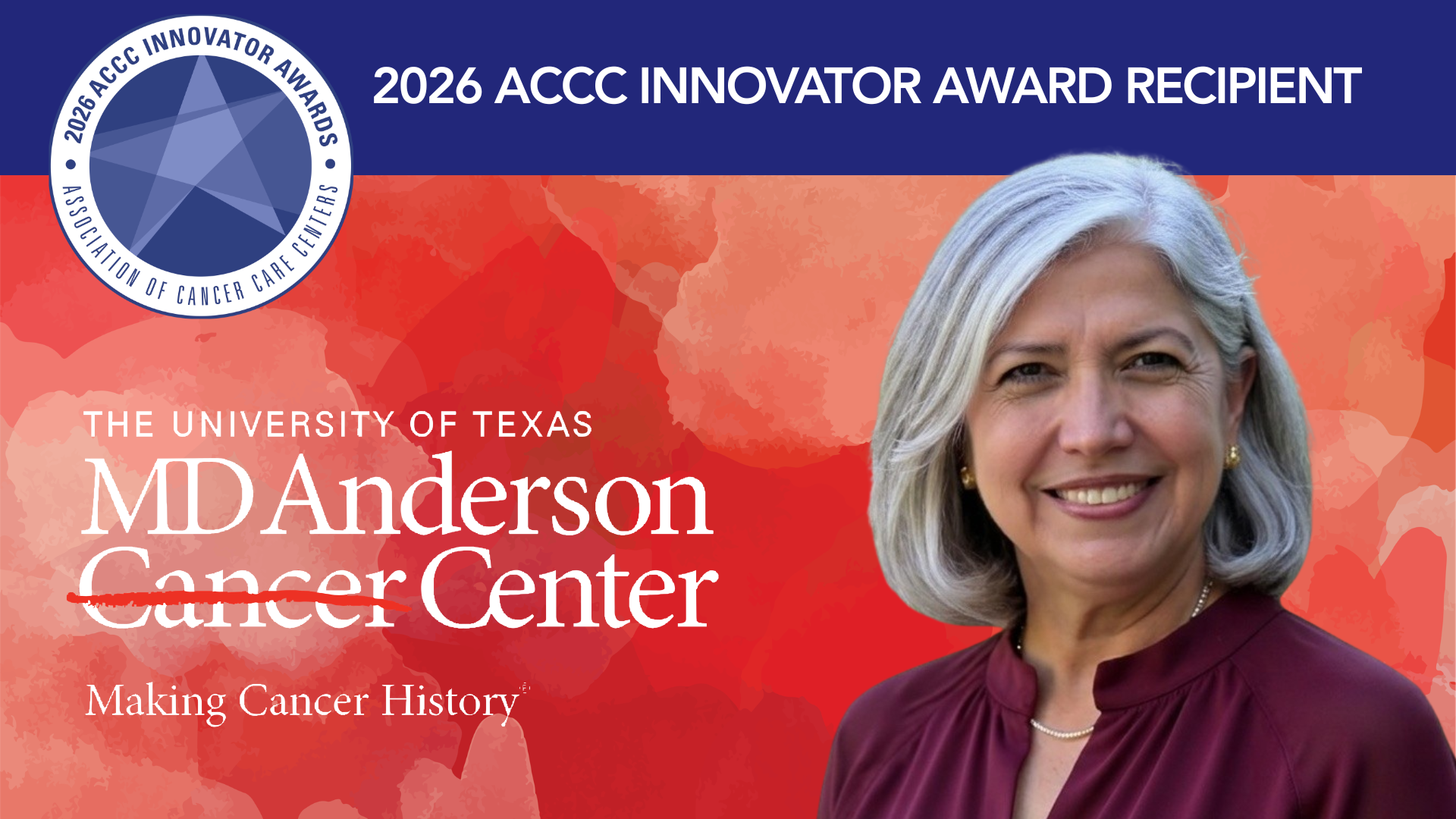
The University of Texas MD Anderson Cancer Center in Houston, Texas, developed a novel Pre-Intake Navigation (PIN) program, which identifies and resolves early financial and insurance barriers, enabling patients to access timely, high-quality cancer care with less anxiety and fewer delays. PIN shifts financial navigation from a late-stage, reactive task to an early, standardized, patient‑centered process embedded in the call center workflow.

An APP-Led Outpatient Bispecific Antibody Clinic

An APP-Led Outpatient Bispecific Antibody Clinic

Understanding both the benefits to be had from offering BsAb therapy to its community and the scope of this undertaking, Vanderbilt-Ingram Cancer Center took a novel approach with its APP-led BsAb step-up dosing clinic, which won the program a 2026 ACCC Innovator Award.

ACCCBuzz Blog

Advancing Critical Priorities at the State Level: Louisiana, Iowa, and Washington Awarded for Their Efforts at 2026 ASCO Annual Meeting

Rachel Radwan

July 29, 2026

Designing a Safe, Fully Outpatient CAR T-Cell Program in the CommunityACCCBuzz Blog

Designing a Safe, Fully Outpatient CAR T-Cell Program in the Community

Rachel Radwan

July 27, 2026

Local Staff, Lasting Impact: A New Model for Rural Cancer PreventionACCCBuzz Blog

Local Staff, Lasting Impact: A New Model for Rural Cancer Prevention

Rachel Radwan

July 16, 2026

A Pharmacist-Led Strategy to Improve Care With Oncolytic Virus TreatmentsACCCBuzz Blog

A Pharmacist-Led Strategy to Improve Care With Oncolytic Virus Treatments

Rachel Radwan

July 14, 2026

Extending Patient-Centered Cancer Care to Transgender and Nonbinary IndividualsACCCBuzz Blog

Extending Patient-Centered Cancer Care to Transgender and Nonbinary Individuals

Gabrielle Stearns

June 30, 2026

Transforming Oncology Authorization Through Clinical and Revenue Cycle CollaborationACCCBuzz Blog

Transforming Oncology Authorization Through Clinical and Revenue Cycle Collaboration

Rachel Radwan

June 29, 2026

Advancing Critical Priorities at the State Level: Louisiana, Iowa, and Washington Awarded for Their Efforts at 2026 ASCO Annual Meeting

Advancing Critical Priorities at the State Level: Louisiana, Iowa, and Washington Awarded for Their Efforts at 2026 ASCO Annual Meeting

At the 2026 ASCO Annual Meeting, the Louisiana Oncology Society received the ASCO Jeffrey C Ward Affiliate Advocacy Award for advancing critical advocacy priorities that have translated into meaningful legislative victories. The Iowa Oncology Society and Washington State Medical Oncology Society were also recognized for their advocacy efforts in 2025 at the meeting, receiving second place awards.

Designing a Safe, Fully Outpatient CAR T-Cell Program in the Community

Designing a Safe, Fully Outpatient CAR T-Cell Program in the Community

Nationally, approximately 1 in 5 patients who qualify for CAR T-cell therapy never receive it due to geographic distance, travel burden, or limited availability at specialized inpatient centers. Recognizing a critical need in its community, Mary Bird Perkins Cancer Center in Baton Rouge, Louisiana, launched the region’s first fully outpatient CAR T-cell therapy program for select blood cancers, fundamentally redefining how advanced cellular therapies can be delivered safely outside of a hospital setting and earning the program a 2026 ACCC Innovator Award.

View All ACCCBuzz Blogs

Recently Heard on
CANCER BUZZ Podcast

Centering Compassion in Cancer Care – [Video Podcast] Ep. 64

A Pharmacist-Led Care Model for Oncolytic Virus Treatment Delivery - [Mini Podcast] Ep. 236

The Urology-Oncology Partnership in ADCs - [Video Podcast] Ep. 63

A Team Approach to ADCs in Bladder Cancer – [Video Podcast] Ep. 62

View All Podcasts

Latest from Oncology Issues

June 2026
June 2026
April 2026
February 2026
December 2025
October 2025
View All Oncology Issues

Join the Conversation

ACCC eXchange Digital Banner
Login