ACCC association of cancer care centers
Join/Renew
Login
Join/Renew
Login
Education & Resources
ACCC eXchange LogInCorporate Member Sponsored ResourcesPresentations & AbstractsACCC Connect eLearning LogIn
Publications
Oncology IssuesPatient Assistance & Reimbursement GuideTrending Now in Cancer CareBusiness Case Studies for Hiring New Staff
Events
2026 ACCC Leadership SummitAnnual Meeting & Cancer Center Business SummitCapitol Hill DayNational Oncology ConferenceOncology Reimbursement MeetingsOncology State Society Meetings
Policy & Advocacy
2024 Policy Wrap-Up and ACCC 2025 Policy PrioritiesLetters & StatementsAccess, Payment & Reimbursement ReformWhite Bagging & Brown BaggingAdvocacy ResourcesCancer Moonshot
Membership
Join | RenewWho We AreMembership Types & BenefitsCorporate MembersACCC Member Portal FAQMember Directory
Partners
Oncology State SocietiesPartner OrganizationsCME
News
News ReleasesAdvocacy News ReleasesOncology News
About ACCC
Timeline / 50th Anniversary2025 Impact ReportPresident's ThemeACCC Innovator AwardsACCC FellowsBoard of TrusteesACCC Senior Staff
Breast CancerMetastatic Breast Cancer
Gastrointestinal CancerBiliary Tract CancerColorectal CancerGastric CancerLiver Cancer
Genitourinary CancerBladder CancerProstate CancerRenal Cell Carcinoma
Gynecologic CancerOvarian Cancer
Head & Neck Cancer
Hematologic MalignanciesAcute Lymphocytic Leukemia (ALL)Acute Myeloid Leukemia (AML)Chronic Lymphocytic Leukemia (CLL)Mantle Cell Lymphoma (MCL)Multiple Myeloma (MM)Myelodysplastic Syndromes (MDS)
Lung CancerNon-Small Cell Lung Cancer (NSCLC)Small Cell Lung Cancer (SCLC)
Sarcoma
Skin CancerMelanomaNon-Melanoma Skin Cancers (NMSC)
Clinical Practice & TreatmentCancer DiagnosticsCare CoordinationEHR Integration for Biomarker TestingQuality Improvement Collaboration: Integration of Precision Medicine in Community OncologyTreatment
Financial NavigationFAN Boot CampFinancial Advocacy Network (FAN) Resource LibraryPatient Assistance & Reimbursement GuidePrior Authorization
Health Equity & Access3, 2, 1, Go! Practical Solutions for Addressing Cancer Care DisparitiesAppalachian Community Cancer AllianceOncology Advanced PractitionersPersonalizing Care for Patients of All BackgroundsSocial Drivers of Health
Patient-Centered CareAddressing Care Disparities for VeteransAdolescent and Young Adult (AYA)Care Action Plans for People with CancerDermatologic ToxicitiesEmpowering CaregiversGeriatric OncologyHealth LiteracyNutritionOncology PharmacyPatient NavigationPsychosocial Care in OncologyShared Decision-MakingSupportive CareSurvivorship Care
Practice Management & OperationsCancer Program FundamentalsLeadership Sustainment and Engagement VideosOncology Practice Transformation and Integration CenterOncology Team Resiliency
ResearchACCC Community Oncology Research Institute (ACORI)
Technology & InnovationTelehealth & Digital Medicine
ACCCBuzz Blog
CANCER BUZZ Podcast
Oncology Issues
Join/Renew
Login
Breast CancerMetastatic Breast Cancer
Gastrointestinal CancerBiliary Tract CancerColorectal CancerGastric CancerLiver Cancer
Genitourinary CancerBladder CancerProstate CancerRenal Cell Carcinoma
Gynecologic CancerOvarian Cancer
Head & Neck Cancer
Hematologic MalignanciesAcute Lymphocytic Leukemia (ALL)Acute Myeloid Leukemia (AML)Chronic Lymphocytic Leukemia (CLL)Mantle Cell Lymphoma (MCL)Multiple Myeloma (MM)Myelodysplastic Syndromes (MDS)
Lung CancerNon-Small Cell Lung Cancer (NSCLC)Small Cell Lung Cancer (SCLC)
Sarcoma
Skin CancerMelanomaNon-Melanoma Skin Cancers (NMSC)
Clinical Practice & TreatmentCancer DiagnosticsCare CoordinationEHR Integration for Biomarker TestingQuality Improvement Collaboration: Integration of Precision Medicine in Community OncologyTreatment
Financial NavigationFAN Boot CampFinancial Advocacy Network (FAN) Resource LibraryPatient Assistance & Reimbursement GuidePrior Authorization
Health Equity & Access3, 2, 1, Go! Practical Solutions for Addressing Cancer Care DisparitiesAppalachian Community Cancer AllianceOncology Advanced PractitionersPersonalizing Care for Patients of All BackgroundsSocial Drivers of Health
Patient-Centered CareAddressing Care Disparities for VeteransAdolescent and Young Adult (AYA)Care Action Plans for People with CancerDermatologic ToxicitiesEmpowering CaregiversGeriatric OncologyHealth LiteracyNutritionOncology PharmacyPatient NavigationPsychosocial Care in OncologyShared Decision-MakingSupportive CareSurvivorship Care
Practice Management & OperationsCancer Program FundamentalsLeadership Sustainment and Engagement VideosOncology Practice Transformation and Integration CenterOncology Team Resiliency
ResearchACCC Community Oncology Research Institute (ACORI)
Technology & InnovationTelehealth & Digital Medicine
ACCCBuzz Blog
CANCER BUZZ Podcast
Oncology Issues
    • Education & Resources
    • Publications
    • Events
    • Policy & Advocacy
    • Membership
    • Partners
    • News
    • About ACCC
ACCC association of cancer care centers
1801 Research Boulevard, Suite 400, Rockville, MD 20850
Tel: 301.984.9496 Email Us
Contact UsVolunteers
Advertise
Career Center
Terms and Conditions
Privacy Policy
ACCC Rebranding
Copyright © 2026 Association of Cancer Care Centers. All Rights Reserved.
HomeACCCBuzz Blog

Day 1 at AMCCBS: COVID Fallout and Policy Concerns

March 2, 2021

The ACCC 47th Annual Meeting & Cancer Center Business Summit (AMCCBS) opened today with an overview of the rapidly changing national political climate and what it may mean for healthcare policy in the months and years ahead.
Day 1 at AMCCBS: COVID Fallout and Policy Concerns

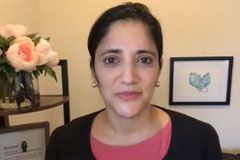
The ACCC 47th Annual Meeting & Cancer Center Business Summit (AMCCBS) opened today with an overview of the rapidly changing national political climate and what it may mean for healthcare policy in the months and years ahead. KavitaPatel, MD, MS, FACP, a fellow at the Center for Health Policy at the Brookings Institution, began by recognizing the immensity of the impact that COVID-19 has had on healthcare delivery across the country. “No one could have predicted at the end of 2019 that a new disease would kill more than 500,000 Americans within a year and bring the world to its knees,” said Dr. Patel."COVID-19 is the start, middle, and end of what will define healthcare practice and policy in 2021 and beyond."

Dr. Patel addressed the actions that the Biden administration can take first to advance its healthcare policy agenda. Some of the changes that the Biden administration wants can be enacted by executive order, which is an increasingly popular tool to advance legislation from the executive branch. But while Biden can take some crucial steps to stem the effects of the pandemic without congressional support—such as invoking the Defense Production Act to accelerate the production of medical supplies or working with governors to enact mask mandates—there are many things he cannot do alone.

Among the things that Dr. Patel said the federal government must do to stem the damage of COVID-19 are creating a unified approach to testing and enhancing the federal collection of healthcare data. Dr. Patel also noted that Biden’s stated commitment to increase funding for the National Institutes of Health and the National Science Foundation—as well as his plan to provide $300 billion in innovation funding to industries including health, medicine, and biotechnology—will help the U.S. be better prepared when the next pandemic strikes.

Another issue touched on by Dr. Patel is drug pricing, which she noted captured considerable attention during the Trump administration. The state of “most favored nation” status and other efforts to reign in drug costs remains in flux, and Dr. Patel said she does not think they will be fully settled until they land in court. “Anything that will change the trajectory of drug pricing in oncology will be met with a lawsuit,” she said. “We will need legislative action in this area.”

In reference to CMS’ Oncology Care Model program, Dr. Patel said that, to date, the program’s data shows little impact on cost of care, even though it has helped improve care coordination. Calling it “extremely complex,” Dr. Patel predicted that the Oncology Care Model program will soon end. “The program will not make the cut to be so compelling that it becomes permanent," she said.

Panel: Cancer Care in the COVID-19 Era

A six-person panel consisting of physicians and nurses from cancer programs and practices across the country shared personal experiences at the intersection of cancer care and the ongoing pandemic. A point everyone quickly agreed upon was the lasting impact of the rapid transition to telemedicine in the early weeks and months of the pandemic. Although several people said the provision of telehealth has slowed some since many programs are now open to in-person visits again, they agree that there is no going back to pre-pandemic levels. “Telehealth is here to stay,” said Luis Isola, MD, director of cancer clinical programs at Mount Sinai Health System & Tisch Cancer Institute. “It has become part of the fabric of the care we provide.”

Surge in Telehealth

David Dougherty, MD, MBA, medical director of the Dana Farber Cancer Institute Network, noted that aspects of telehealth have “given patients a higher degree of self-efficacy, allowing them to better manage their own care." Other panel members noted that telehealth has given them a new appreciation of the essential role that family members play in their loved ones’ care, as many patients did not previously have the technological access or know-how to participate in telehealth on their own.

But on the flip side of telehealth’s positive impact of being able to provide quality at-home care is the fact that many patients simply do not have the means to access telehealth services. Sibel Blau, MD, medical director at Northwest Medical Specialties and president and CEO of the Quality Cancer Care Alliance, said that her practice hired technology coordinators to visit nursing homes and give patients access to the technology they need to receive remote care. “We need to give access to care to all patients, regardless of how remote they are,” said Dr. Blau. Other panelists said they had patients whose socio-economic status made telehealth impossible. "It's essential to keep in mind social determinants of health,” said Adam Riker, MD, FACS, chair of oncology at Anne Arundel Medical Center DeCesaris Cancer Institute. “We could not do telehealth with many of our patients because they do not have access to tools like Zoom or MyChart®."

Staff Stress

The emotional and physical burden of patient care during the pandemic has had a huge impact on nursing staff, the panelists agreed. “Nurses are extremely stressed,” said Mary Miller, MSN, RN-BC, OCN, nurse manager at Franciscan Health Cancer Center Indianapolis. As a result, she said, many have left their positions for less stressful work. “We have lost 14 of our nurses in the ICU alone who are now traveling nurses,” Miller said. She added that she has found that frequent and open communication with nursing staff helps, to some extent, manage their fear of the unknown. “We hold regular video chats with staff to keep them updated on what we are doing and why we are doing it,” said Miller. “It helps if they understand the reasoning behind our decisions.”

Jody Pelusi, PhD, FNP, AOCNP, an oncology nurse practitioner at Honor Health Research Institute, said that it’s important to remember that the stress factors affecting staff can extend far beyond those found in the workplace. “Nurses cannot come to work because they have children at home, and schools are closed,” said Dr. Pelusi. “Some of them even have food insecurity issues. We need to take care of staff so they can take care of patients.”

Dip in Cancer Screenings

All panelists agreed that the effects of the plunging cancer screening rates brought on by the pandemic will be felt far into the future. To bring people back in for their regular screenings, Dr. Riker said that the Anne Arundel Medical Center DeCesaris Cancer Institute has recorded a series of two-minute videos that teach patients the importance of maintaining their screenings and explain to them the actions the cancer center is taking to keep them safe. Fighting patient fear to come in for screenings is crucial, said Dr. Isola: “The lack of screening for cancer due to the pandemic is going to become evident over the next few years.”

Assessing the changed landscape of a healthcare system still in the throes of a global pandemic, David Dougherty, MD, MBA, medical director of the Dana Farber Cancer Institute Network, said it’s important to consider how COVID-19 has been and can be a source of disruptive innovation—for good. “COVID-19 has not ignited new problems,” said Dr. Dougherty. “It has exacerbated the issues already there. We need to think about how we can apply the innovations wrought of necessity into long-term solutions.” Dr. Isola agreed: “What we have learned from this crisis is that we can be problem solvers.”

Want to join in the conversation? Register for the week-long ACCC 47th Annual Meeting & Cancer Center Business Summit here. View the agenda to find out what’s up next.

Related Content

Representing Veterans in Clinical Trials Through Public-Private Partnerships: A Q&A With NAVREFACCCBuzz Blog

Representing Veterans in Clinical Trials Through Public-Private Partnerships: A Q&A With NAVREF

Gabrielle Stearns

March 26, 2026

Confronting a Lethal Cancer: Duke Launches Multidisciplinary Pancreatic Cancer Center for Earlier Detection and Better OutcomesACCCBuzz Blog

Confronting a Lethal Cancer: Duke Launches Multidisciplinary Pancreatic Cancer Center for Earlier Detection and Better Outcomes

Rachel Radwan

March 25, 2026

From Hospital to Home: A Solution for Proactive Symptom Monitoring and Precise Care ACCCBuzz Blog

From Hospital to Home: A Solution for Proactive Symptom Monitoring and Precise Care

Rachel Radwan

March 23, 2026

A Candid Conversation About the Power of Early Palliative CareACCCBuzz Blog

A Candid Conversation About the Power of Early Palliative Care

Monique J. Marino

March 19, 2026

Rare but Real: Lessons From Providers Treating BPDCN and MCLACCCBuzz Blog

Rare but Real: Lessons From Providers Treating BPDCN and MCL

Rachel Radwan

February 27, 2026

Highlights From Volume 41, Number 1 Oncology IssuesACCCBuzz Blog

Highlights From Volume 41, Number 1 Oncology Issues

Gabrielle Stearns

February 18, 2026

Implementing a Structured, Scalable Geriatric Oncology ProgramOncology Issue

Implementing a Structured, Scalable Geriatric Oncology Program

Ramy Sedhom, MD; Julianna Ani, MPH

February 16, 2026

Recognizing Innovation in Cancer PreventionACCCBuzz Blog

Recognizing Innovation in Cancer Prevention

Gabrielle Stearns

February 12, 2026

Upcoming Events

ACCC Leadership Summit
Oncology

ACCC Leadership Summit

In Person Meeting & NetworkingApril 16, 2026 at 8:00 AM EDT
Express Interest Now!
ACCC Oncology Reimbursement Meeting | Charleston
Oncology

ACCC Oncology Reimbursement Meeting | Charleston

In Person Meeting & NetworkingMay 6, 2026 at 8:00 AM EDT560 King Street, Charleston, SC, USAHyatt Place + Hyatt House Charleston - Historic District, Charleston
Register Now!
ACCC Oncology Reimbursement Meeting | St. Louis
Oncology

ACCC Oncology Reimbursement Meeting | St. Louis

In Person Meeting & NetworkingMay 13, 2026 at 8:00 AM CDT1335 South Lindbergh Boulevard, St. Louis, MO, USAHilton St. Louis Frontenac, St. Louis
Register Now!
ACCC 43rd National Oncology Conference
Oncology

ACCC 43rd National Oncology Conference

In Person Conference & ConventionOctober 21, 2026 at 8:00 AM MDT450 Summer St, Boston, MA 02210Omni Boston Hotel at the Seaport, Boston
Register Now!
COS 2026 Dinner Symposium - Grand Junction
Oncology

COS 2026 Dinner Symposium - Grand Junction

In Person Conference & ConventionApril 9, 2026 at 5:30 PM MDT840 Kennedy Avenue, Grand Junction, CO, USADevil's Kitchen, Grand Junction
Register Now!
TOPS 2026 Annual Conference
Oncology

TOPS 2026 Annual Conference

In Person Conference & ConventionApril 11, 2026 at 7:00 AM CDT201 8th Avenue South, Nashville, TN 37203, USAJW Marriott Nashville, Nashville
Register Now!
MSCO 2026 Spring Conference
Oncology

MSCO 2026 Spring Conference

In Person Conference & ConventionApril 15, 2026 at 5:00 PM CDTPark Pl Blvd, St. Louis Park, MN, USADoubleTree by Hilton Hotel Minneapolis - Park Place, St. Louis Park
Register Now!
KaSCO 2026 Spring Dinner Symposium
Oncology

KaSCO 2026 Spring Dinner Symposium

In Person Conference & ConventionApril 15, 2026 at 6:00 PM CDT101 W 22nd St, Kansas City, MO, USALidia's Kansas City, Kansas City
Register Now!
WVOS 2026 Spring Conference
Oncology

WVOS 2026 Spring Conference

In Person Conference & ConventionApril 16, 2026 at 8:00 AM EDT200 Lee Street East, Charleston, WV, USACharleston Marriott Town Center, Charleston
Register Now!
DOS 2026 Spring Conference
Oncology

DOS 2026 Spring Conference

In Person Conference & ConventionApril 16, 2026 at 5:30 PM CDT215 Broadway North, Fargo, ND 58102, USAJasper Hotel, Fargo
Register Now!
KYSCO 2026 Immunotherapy Meeting
Oncology

KYSCO 2026 Immunotherapy Meeting

In Person Conference & ConventionApril 18, 2026 at 7:30 AM EDT4174 Rowan, Lexington, KY, USAOrigin Lexington, a Wyndham Hotel, Lexington
Register Now!
Advertisement
Advertisement

Trending Now on
ACCCBuzz Blog

Representing Veterans in Clinical Trials Through Public-Private Partnerships: A Q&A With NAVREF

Representing Veterans in Clinical Trials Through Public-Private Partnerships: A Q&A With NAVREF

ACCCBuzz interviewed leadership from the National Association of Veterans’ Research and Education Foundations to better understand the current clinical and operational barriers Veterans face in accessing clinical trials and the progress being made to address them.

Confronting a Lethal Cancer: Duke Launches Multidisciplinary Pancreatic Cancer Center for Earlier Detection and Better Outcomes

Confronting a Lethal Cancer: Duke Launches Multidisciplinary Pancreatic Cancer Center for Earlier Detection and Better Outcomes

In an effort to improve outcomes and deliver the highest quality of care to patients with pancreatic cancer, Duke Cancer Institute launched a multidisciplinary Pancreatic Cancer Center that prioritizes thorough surveillance of high-risk patients, stays at the forefront of clinical trials, and considers the role of comorbidities.

From Hospital to Home: A Solution for Proactive Symptom Monitoring and Precise Care

From Hospital to Home: A Solution for Proactive Symptom Monitoring and Precise Care

Electronic patient-reported outcomes (ePROs) can address limited visibility into patients' health and well-being between visits. Yet, many solutions remain generic in their workflows and mainly help capture adverse events, without helping care teams proactively manage or prevent them from worsening. Cureety offers a new kind of ePRO solution, specialized in oncology and designed to make care better quality, more efficient, and more proactive for all patients.

A Candid Conversation About the Power of Early Palliative Care

A Candid Conversation About the Power of Early Palliative Care

In the latest episode of Oncology Unscripted, hosts Deirdre Saulet and Mark Liu sit down with Andrew Ambort, DO, a palliative care consulting physician whose work in reshaping the role of palliative care across oncology helped WellSpan Health win a 2025 ACCC Innovator Award.

View All ACCCBuzz Blogs

Recently Heard on
CANCER BUZZ Podcast

Transforming Palliative Care in Oncology – [Video Podcast] Ep. 227

Streamlining Access to TIL Cell Therapy for Melanoma

Policy in Practice: Change Hits the Clinic – [Podcast] Ep. 225

Addressing Psychosocial Distress With Psychedelic-Inspired Therapies – [Podcast] Ep. 224

View All Podcasts

Latest from Oncology Issues

February 2026
February 2026
December 2025
October 2025
August 2025
June 2025
View All Oncology Issues

Join the Conversation

ACCC eXchange Digital Banner
Login